Quick Navigation
- What Exactly Is an Arrow Plant? Getting to Know Syngonium
- The Complete, No-Nonsense Arrow Plant Care Breakdown
- Light: The Golden Rule for Great Color
- Watering: The Most Common Mistake (And How to Avoid It)
- Soil, Potting, and Feeding: Setting the Foundation
- Temperature and Humidity: Creating a Tropical Vibe
- A Visual Guide: How Your Arrow Plant Reacts to Light
- Beyond the Basics: Pruning, Propagating, and Styling Your Arrow Plant
- The Wonderful World of Syngonium Varieties
- Solving Common Arrow Plant Problems (Troubleshooting)
- Final Thoughts: Is the Arrow Plant Right for You?
Let's talk about the arrow plant. You've probably seen it. Maybe at a friend's house, looking lush and tropical on a shelf. Or maybe you spotted it at the garden center, a pot full of those distinctive, arrow-shaped leaves (that's where the name comes from, obviously) with gorgeous variegation. Its real, botanical name is Syngonium podophyllum, but most folks just call it the arrowhead plant, arrowhead vine, or simply, the arrow plant.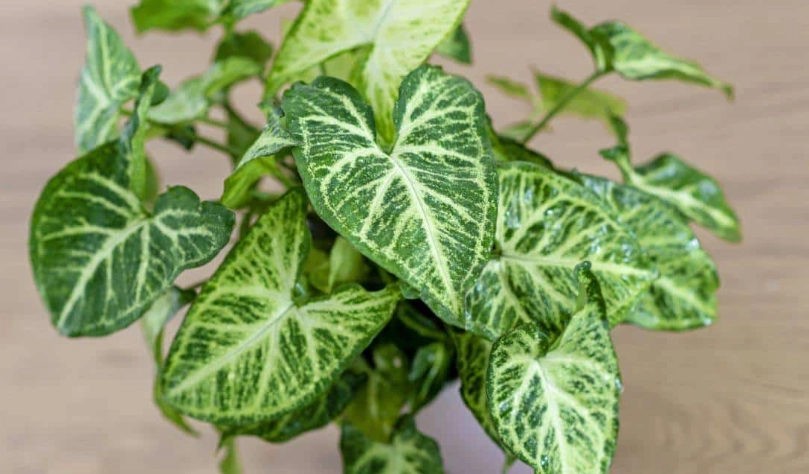
I got my first one years ago, a small 'White Butterfly' variety, almost on a whim. I wasn't sure what I was doing. To be honest, I mostly bought it because the leaves looked cool and it was cheap. I had no idea it would turn into one of the most forgiving and fast-growing plants in my collection. That's the thing about the arrowhead plant—it's incredibly beginner-friendly, but it also has this subtle sophistication that keeps experienced plant parents interested. It's not just another generic green blob in a pot.
That's what we're diving into today. This isn't a dry, textbook list of facts. It's the stuff you actually need to know, the lessons learned from (my) overwatering mistakes, the joy of seeing a new leaf unfurl, and the simple tricks to keep your arrow plant looking its absolute best. We'll cover everything from the basic "don't kill it" care to the more advanced "make it a superstar" tips, including some of the stunning varieties you'll definitely want to hunt down.
What Exactly Is an Arrow Plant? Getting to Know Syngonium
Before we get our hands dirty, let's understand what we're dealing with. The arrowhead plant is a tropical perennial, native to places like Central and South America. In the wild, it's an epiphyte or a hemiepiphyte—fancy words meaning it often starts life on the forest floor and then climbs up trees, using its aerial roots to anchor itself and reach for the light. This climbing habit is key to understanding its personality in your home.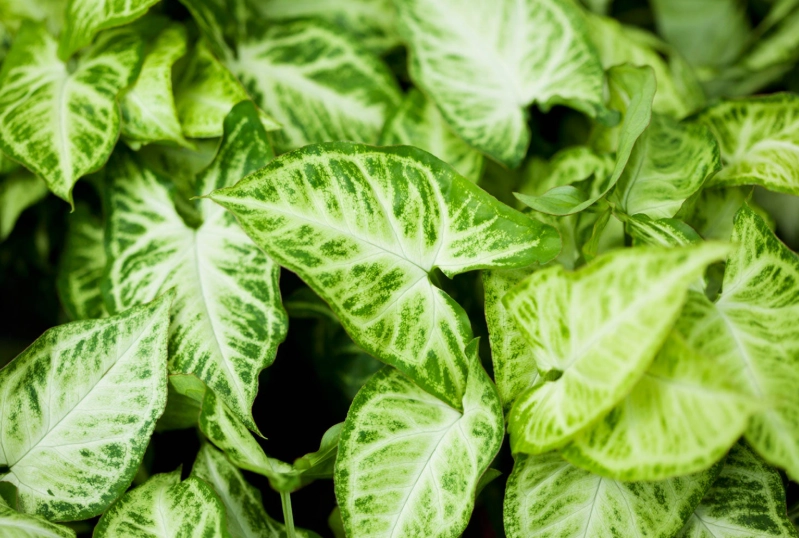
When it's young, an arrow plant is usually bushy and compact, with leaves that are, you guessed it, shaped like an arrowhead or a goosefoot. But as it matures, if you let it climb or trail, something magical happens. The leaves change. They become larger, often divided into multiple lobes (sometimes up to 11!), and the plant transforms from a cute bush into a elegant, vining specimen. This change is called heterophylly, and it's one of the coolest things about growing a Syngonium. You get two plants in one, essentially.
Now, a quick but important heads-up. The sap of the arrow plant contains calcium oxalate crystals. This makes it mildly toxic if ingested, causing irritation to the mouth and stomach, and it can be a skin irritant for some sensitive people. It's not a reason to avoid the plant, but it's a good reason to keep it away from curious pets and children, and maybe wash your hands after pruning. The Royal Horticultural Society lists it with this caution, so it's worth being aware of.
The Complete, No-Nonsense Arrow Plant Care Breakdown
Okay, let's get to the practical stuff. How do you keep this thing alive and fabulous? The arrow plant's reputation for being easy is well-earned, but "easy" doesn't mean "ignore me." It has preferences, and meeting them is the difference between a plant that's just okay and one that's spectacular.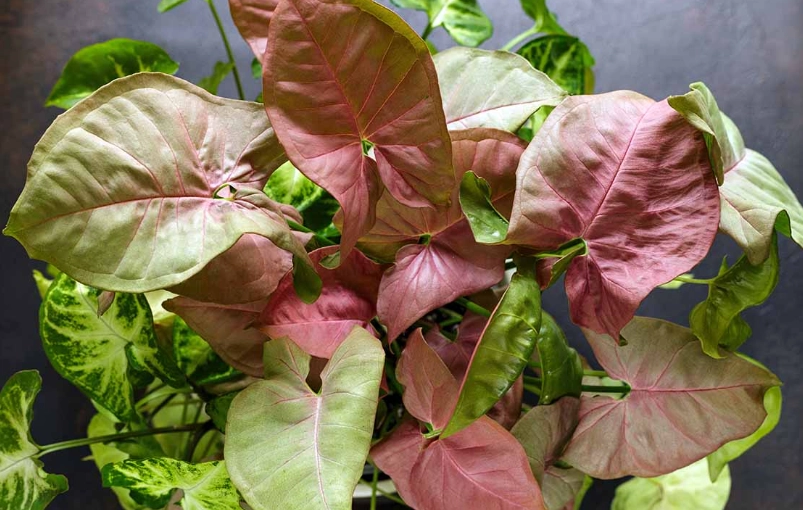
Light: The Golden Rule for Great Color
Light is the single biggest factor in your arrow plant's happiness, especially if you have a variegated type (like the popular 'Pink Allusion' or 'Neon Robusta'). Here's the simple breakdown:
- Bright, Indirect Light is King: This is the sweet spot. A spot near an east or north-facing window, or a few feet back from a south or west window. The leaves will be their most vibrant, growth will be full and compact, and the plant will just look healthy.
- What About Low Light? Here's where the arrow plant earns its "easy" stripes. Yes, it can tolerate lower light conditions better than many plants. It won't immediately die in a dim corner. But... and this is a big but... it will protest. Growth will slow to a crawl, the stems will become long, weak, and leggy as it desperately reaches for light (a process called etiolation), and most disappointingly, any beautiful variegation—those creamy whites, pinks, or yellows—will start to fade, and the new leaves will revert to mostly green. The plant becomes a shadow of its potential self.
- Direct Sun? Tread Carefully: A little morning sun can be lovely. But harsh, direct afternoon sun will scorch those beautiful leaves, leaving ugly brown or yellow patches. It's like a bad sunburn. If you see crispy tips or bleached spots, move it back.
Watering: The Most Common Mistake (And How to Avoid It)
Overwatering. It's the killer of more houseplants than anything else, and the arrow plant is no exception. Its roots need oxygen as much as they need water. Sitting in soggy soil leads to root rot, a nasty condition where the roots literally rot away, and the plant above ground wilts and yellows because it can't take up water anymore. The irony isn't lost on anyone who's killed a plant with kindness.
The foolproof method? The finger test. Don't water on a schedule ("every Tuesday"). Instead, stick your finger about an inch or two into the soil. If it feels dry, it's time to water. If it still feels cool and slightly damp, wait. In the warmer, brighter growing season (spring and summer), you might water once a week. In the darker, cooler winter months, it could be every two or three weeks. Your plant will tell you what it needs.
When you do water, do it thoroughly. Take it to the sink and water until it runs freely out of the drainage holes. This ensures the entire root ball gets moisture. Then, let it drain completely before putting it back in its decorative pot. Never let it sit in a saucer of water.
Soil, Potting, and Feeding: Setting the Foundation
Your arrow plant doesn't need anything fancy, but it does need soil that drains well. A standard, good-quality potting mix is fine. If you want to perfect it, you can mix in some perlite or orchid bark (about 20-30% of the mix) to increase aeration and drainage. This creates a cozy, airy environment for the roots, mimicking its natural habitat.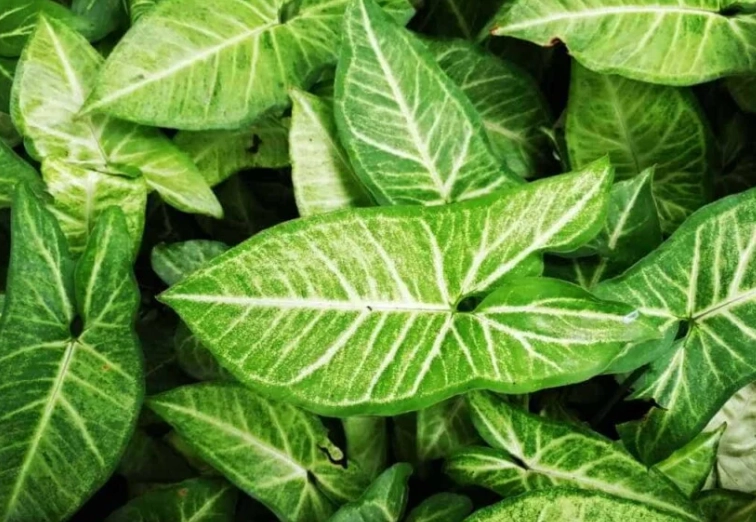
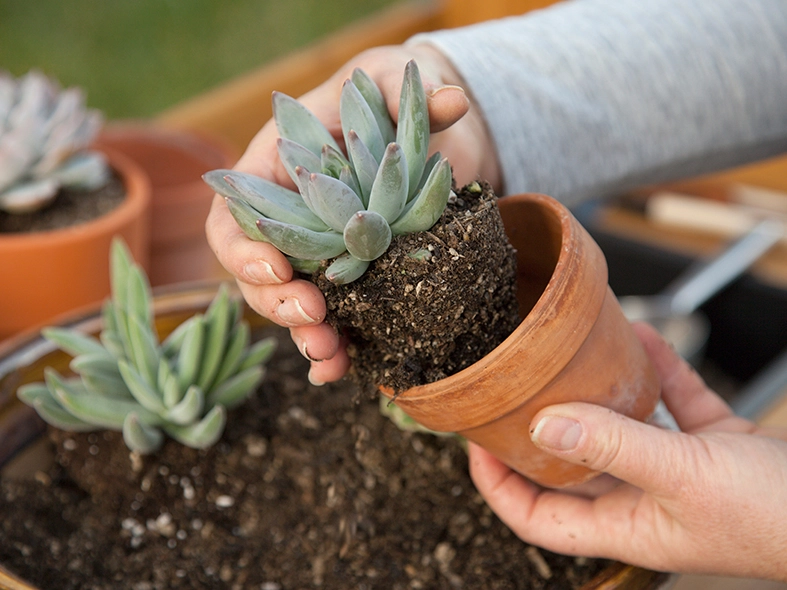
Repotting is needed when the plant becomes root-bound—you'll see roots circling the bottom of the pot or even growing out the drainage holes. This usually happens every 1-2 years. Only go up one pot size (about 1-2 inches larger in diameter). A pot that's too big holds too much wet soil, which again, invites root rot. Always use a pot with drainage holes. Non-negotiable.
Feeding is simple. During the active growing season (spring and summer), a balanced, water-soluble houseplant fertilizer (look for an NPK ratio like 10-10-10 or 20-20-20) once a month is plenty. Dilute it to half the strength recommended on the bottle. In fall and winter, stop fertilizing. The plant is resting, and feeding it can harm the roots.
Temperature and Humidity: Creating a Tropical Vibe
Arrow plants like it cozy, just like we do. Average household temperatures between 60°F and 80°F (15°C - 27°C) are perfect. Avoid cold drafts from windows or doors in winter, and keep it away from hot air vents.
Humidity is where you can really make your arrow plant sing. It prefers moderate to high humidity (above 40%). In dry homes, especially in winter, the leaf tips can go brown. You don't need a fancy humidifier (though they're great!). You can:
- Group it with other plants (they create a mini-humid microclimate).
- Place the pot on a pebble tray filled with water (make sure the pot sits on the pebbles, not in the water).
- Give it an occasional misting with a spray bottle, though this is a temporary fix.
My 'Neon Robusta' sits in my bathroom with a frosted window, and the steam from showers makes it absolutely thrive. The leaves are huge and flawlessly smooth.
A Visual Guide: How Your Arrow Plant Reacts to Light
Sometimes a table makes things crystal clear. Here’s exactly what to expect from your arrowhead plant under different light conditions.
| Light Condition | What Happens to Growth | What Happens to Leaves & Color | Overall Plant Health |
|---|---|---|---|
| Bright, Indirect Light | Steady, robust growth. Compact, bushy form. | Vibrant, intense colors. Strong variegation patterns. Leaves are a good size. | Excellent. Plant is in its ideal state. |
| Medium Light | Slower but steady growth. May stretch slightly. | Colors are good but may be slightly less intense. Variegation holds. | Very Good. A perfectly acceptable environment. |
| Low Light | Very slow, leggy growth. Long gaps between leaves. | Loss of variegation (reversion to green). Leaves become smaller and paler. | Poor. Plant is surviving, not thriving. Prone to overwatering issues. |
| Direct, Harsh Sun | Growth may be stunted. | Leaves scorch (brown, crispy patches). Colors may bleach or fade. | Poor. Physical damage occurs. |
Beyond the Basics: Pruning, Propagating, and Styling Your Arrow Plant
Once you've got the care down, the fun begins. You can actually shape your arrow plant and make more of them!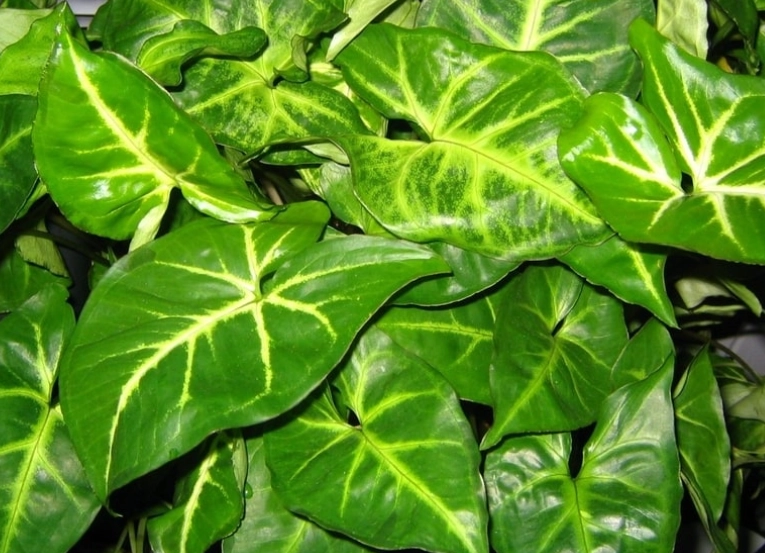
Pruning: Keeping It Bushy or Letting It Trail
If you want a full, bushy arrow plant, you need to pinch it back. Simply snip off the very tip of a stem (the apical meristem, if you want the science). This signals the plant to send out new growth from the nodes (those little bumps) further down the stem, creating a bushier appearance. I do this regularly in spring and summer.
If you prefer the long, trailing or climbing look, let it grow! You can train it up a moss pole, which it will cling to with its aerial roots, encouraging those large, mature leaves. Or, let it cascade beautifully from a hanging basket. The choice is yours.
Propagation: Making Free Plants (It's Shockingly Easy)
This is the best part. Arrow plants propagate incredibly easily from stem cuttings. Here's my go-to method:
- Using clean scissors, cut a piece of stem that has at least one node (and preferably a leaf or two).
- You can root it in water. Place the cutting in a glass of water, ensuring the node is submerged. Put it in a bright spot.
- Change the water every few days. In 1-3 weeks, you'll see white roots sprouting from the node.
- Once the roots are an inch or two long, pot it up in fresh soil. Voilà, a new arrow plant!
You can also root cuttings directly in moist soil, but I like the water method because you can see the progress. It's satisfying. I've given away dozens of baby arrow plants this way.
The Wonderful World of Syngonium Varieties
This isn't a one-look plant. Breeders have developed some absolutely stunning cultivars. Here are a few favorites you should know about:
- Syngonium podophyllum 'White Butterfly': The classic. Deep green leaves with creamy white to chartreuse centers. A fast grower and super reliable.
- Syngonium 'Neon Robusta': A real showstopper. The leaves are a bright, almost fluorescent pinkish-green when young, maturing to a more subdued green with pink veins. It needs good light to keep its "neon" glow.
- Syngonium 'Pink Allusion': Has beautiful dusty pink leaves with green edges. The pink is softer than the 'Neon' and very elegant.
- Syngonium 'Berry Allusion': Features lovely salmon-pink new growth that matures to a soft green. The stems are also a pinkish color.
- Syngonium 'Maria Allusion': Known for its compact growth and stunning dark green, almost black leaves with striking pinkish-red veins.
- Syngonium 'Mojito': A newer, highly sought-after variety with wildly variegated leaves splashed and speckled with dark and light green, sometimes almost yellow. Every leaf is unique.
For a deep dive into the botanical classification and native origins of these plants, resources like the Missouri Botanical Garden's plant finder are invaluable. It confirms the details that make our care advice solid.
Solving Common Arrow Plant Problems (Troubleshooting)
Even with the best care, things can go a little sideways. Here’s a quick diagnosis guide for common issues.
Why are the leaves on my arrow plant turning yellow?
This is the number one question. The most common cause is overwatering and soggy soil. Check your soil moisture and watering habits first. However, yellow leaves can also be a sign of natural aging (older, lower leaves yellow and drop occasionally), or a nutrient deficiency if it's widespread. Rule out overwatering first—it's usually the culprit.
Why are the leaf tips brown and crispy?
Low humidity is a prime suspect, especially in winter. Underwatering can also cause it. Increase ambient moisture or check your watering frequency. Sometimes, a buildup of salts and minerals from tap water or fertilizer can "burn" the tips. Using filtered or distilled water to flush the soil every few months can help.
My arrow plant is getting long and leggy. What do I do?
It's not getting enough light. It's stretching to find a brighter spot. Move it to a location with more indirect light. Don't be afraid to give it a hard prune back to a more compact shape. It will bounce back with new, bushier growth from the base, especially if you improve the light.
Why is the beautiful pink/white variegation disappearing?
The plant is reverting due to insufficient light. Variegated parts of the leaf have less chlorophyll, so they need more light to produce energy. Move it to a brighter spot to encourage the variegation to return on new growth. You can also prune off the all-green stems to direct energy to the more colorful parts.
Are pests a problem for arrow plants?
They're generally quite resistant, but like any houseplant, they can occasionally attract aphids, mealybugs, or spider mites, especially if stressed. Isolate any new plants. Regularly wipe down leaves with a damp cloth to keep them dust-free and allow you to spot pests early. For minor infestations, a spray of water or insecticidal soap usually does the trick. The Royal Horticultural Society has excellent, safe advice on dealing with common houseplant pests.
Final Thoughts: Is the Arrow Plant Right for You?
Let's wrap this up. The arrowhead plant is a fantastic choice for almost anyone. It's perfect for beginners because it's forgiving and communicates its needs clearly (yellow leaves = check water!). It's a dream for more experienced plant lovers because of the sheer variety of colors and forms you can collect. It's adaptable—you can grow it bushy, trailing, or climbing.
My advice? Start with a common variety like 'White Butterfly'. Get a feel for its rhythms. Master the watering and find its light sweet spot. Once you see how effortlessly it grows, you'll probably end up hunting for that 'Mojito' or 'Pink Allusion' to add to your collection. It's a gateway plant to a deeper love of tropical foliage.
At the end of the day, gardening is about the relationship between you and the plant. The arrow plant is a willing and rewarding partner. It doesn't ask for much, but it gives back so much in return with its unique beauty and vigorous growth. Give it a shot. You might just find it becomes one of your favorite, most reliable green friends.

Comments