In This Guide
Let's be honest. You probably bought your Pachira Aquatica, the famous Money Tree plant, because it looked cool and someone told you it brings good fortune. I get it. I bought my first one for the same reason, a little braided trunk number from a big-box store. It sat on my desk, and for a while, it was great. Then the leaves started turning yellow. Then brown. Then they fell off. My "lucky" charm was looking pretty unlucky, and fast.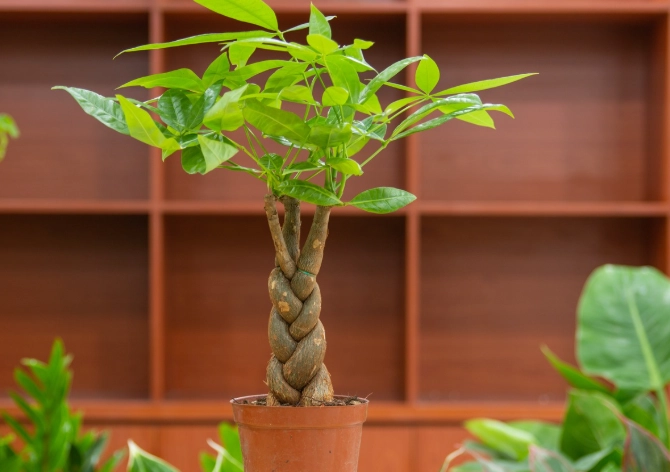
That's when I realized the plant care tag that came with it was basically useless. "Likes indirect light." "Water when dry." Thanks, that's about as helpful as a screen door on a submarine. If you're here, you've probably hit a similar wall. Your Money Tree might be drooping, or maybe you're just terrified of killing it and ruining your feng shui. Relax. We're going to fix that.
This isn't just another generic plant care list. This is the guide I wish I had when I started. We're going deep on what the Pachira Aquatica Money Tree actually needs, why it acts the way it does, and how to troubleshoot every common problem. Forget the myths; we're talking real, practical botany you can use.
What Is a Pachira Aquatica, Really? (Spoiler: It's Not From China)
First, a quick reality check. That "Money Tree" you have? Its real, scientific name is Pachira aquatica. It's native to the swamps and riverbanks of Central and South America, from Mexico down to Brazil. The whole "Chinese money tree" thing is a marketing story tied to the braided trunk tradition, which is said to "lock in" good fortune. The braiding is done when the stems are young and flexible. The plant itself has nothing to do with Asia.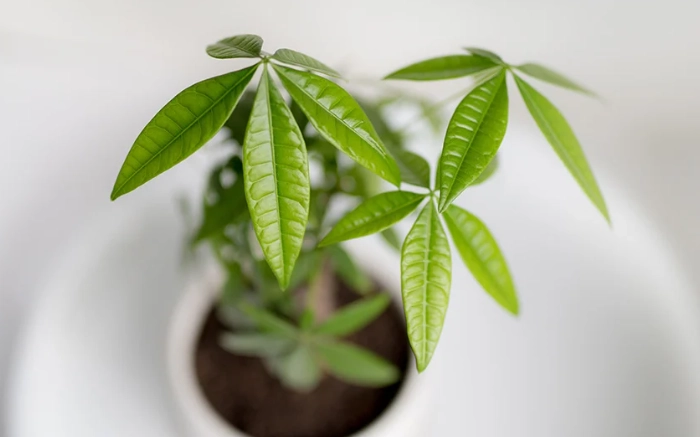
In the wild, these things can grow into massive trees. Indoors, you're getting a tame, container-sized version. Its signature look is the glossy, palmate (hand-shaped) leaves, usually with five to seven leaflets on a stem – another reason it's associated with luck. The trunk often swells at the base, which is a water-storing adaptation called a caudex. That's your first big clue about its care: it can handle a little drought, but it absolutely despises soggy feet.
The braided trunk of a Pachira Aquatica Money Tree is purely a horticultural practice for aesthetics and symbolism. It doesn't harm the plant if done correctly, but those tight braids can sometimes restrict growth as the trunks thicken over many years.
I made the mistake of thinking my Money Tree plant was a delicate, finicky thing. It's not. It's actually pretty tough, but it has specific dislikes. Mainly, it hates cold drafts and wet soil. Get those two things right, and you're 80% of the way there.
The No-Nonsense Pachira Aquatica Care Guide
Here's where we get into the meat of it. Caring for a Pachira Aquatica is about understanding its natural habitat and mimicking those conditions in your home. It's not about following a strict calendar.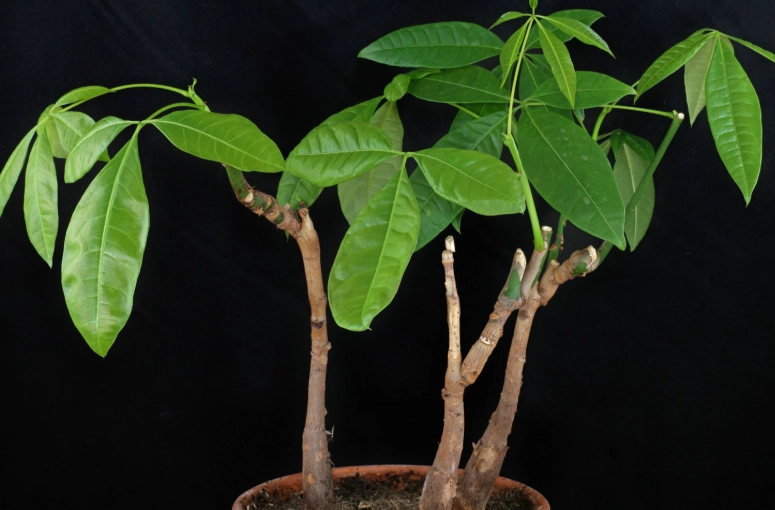
Light: The Bright, Indirect Sweet Spot
This is the most common point of confusion. "Bright, indirect light" – what does that even mean? Think of the light under a tree canopy. Sunbeams dapple through, but the sun never directly hits the leaves. In your house, this is a spot near an east-facing window, or a few feet back from a south or west window. A sheer curtain is your best friend.
Too little light? Your plant will get leggy, stretching out with longer spaces between leaves, and the growth will be slow and weak. Too much direct sun? The leaves will scorch, leaving ugly brown or yellow patches. I scorched a leaf or two on my first plant by leaving it on a sunny patio for an afternoon. It didn't kill the plant, but those marks never go away.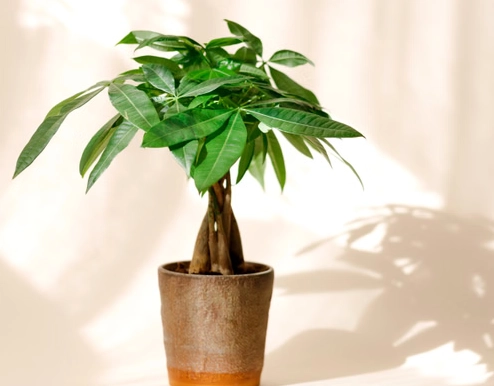
Watering: The Number One Killer (And How to Avoid It)
Here's the biggest mistake everyone makes: overwatering. That swollen trunk base means it's a semi-succulent. It holds water. Pachira Aquatica care is more about underwatering than overwatering for beginners.
Do NOT water on a schedule. Don't water every Tuesday. Your plant doesn't know what day it is. The right way to water a Money Tree is to check the soil first.
- Stick your finger about 2 inches into the soil. If it feels dry, it's time to water.
- If it feels damp or cool, wait. Check again in a few days.
- When you water, do it thoroughly. Take the plant to the sink and pour water slowly over the soil until it runs freely out of the drainage holes. This ensures the entire root ball gets moistened.
- Let it drain completely. Never let the pot sit in a saucer full of water. Empty the saucer after 15 minutes.
In winter, when growth slows and light is lower, you might only need to water every 3-4 weeks. In a hot, bright summer, it could be every 1-2 weeks. The plant will tell you. Slightly drooping leaves can mean it's thirsty, but it's better to check the soil than wait for a droop.
Soil and Potting: Drainage is Everything
This ties directly to watering. Your Pachira Aquatica Money Tree needs fast-draining soil. Regular garden soil or dense potting mix will hold too much water and cause root rot.
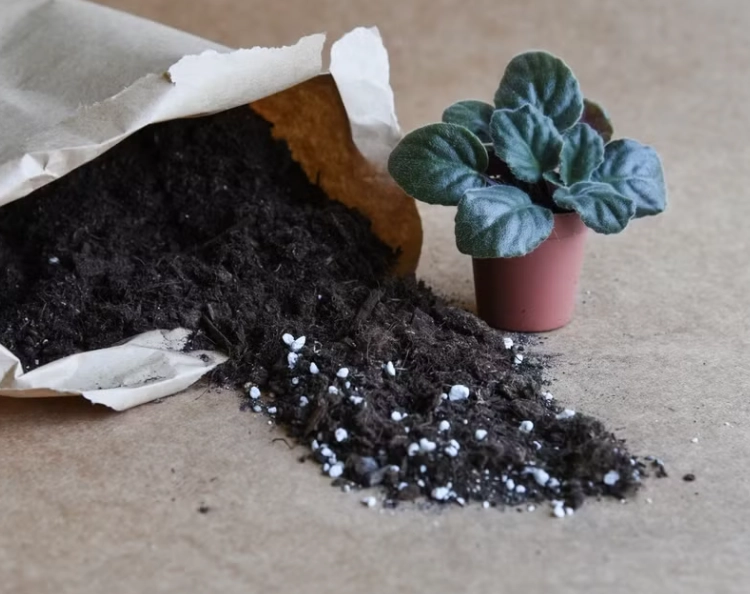
Use a high-quality, well-aerated potting mix. I like to use a regular indoor plant mix and add extra perlite or orchid bark (about 30% by volume) to make it chunkier and improve drainage. The pot must have drainage holes. No exceptions. A decorative cache pot (outer pot) is fine, but the inner plastic or terracotta pot needs holes.
Humidity and Temperature: Keep It Cozy
Coming from a tropical environment, Pachira Aquatica enjoys moderate to high humidity, but it's more adaptable than, say, a fern. Average home humidity (around 40-50%) is usually fine. If your air is very dry (you see static shocks, or your own skin is parched), the leaf tips might turn brown.
You can boost humidity by grouping plants together, using a pebble tray with water, or running a humidifier. Misting the leaves is okay for a quick boost, but it doesn't raise humidity for long and can promote fungal issues if done too often in poor air circulation.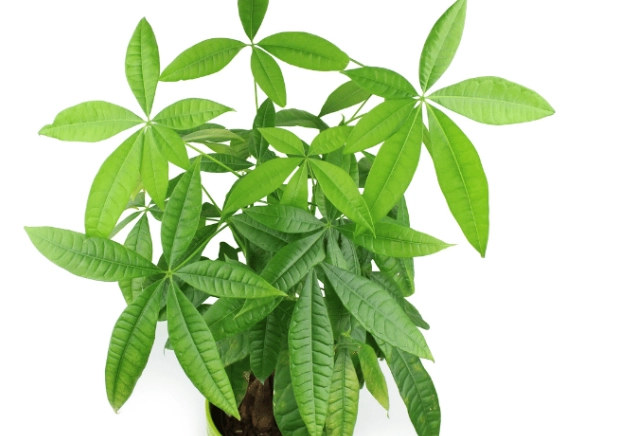
Keep it warm. Ideal temperatures are between 65°F and 80°F (18°C - 27°C). Protect it from drafts – both cold drafts from windows/doors in winter and hot, dry drafts from heating vents or air conditioners. Sudden temperature drops are a surefire way to trigger leaf drop.
Diagnosing Your Money Tree Plant Problems: A Symptom Checker
Okay, so your plant is acting up. Don't panic. Let's play plant detective. Here’s a quick-reference table for the most common Money Tree plant problems.
| Symptom | Most Likely Cause | What to Do Immediately |
|---|---|---|
| Yellowing leaves, especially lower ones | Overwatering / Poor drainage / Root rot | Stop watering. Check soil moisture deeply. Consider repotting into fresh, dry, well-draining mix if soil is soggy. Trim any mushy, black roots. |
| Brown, crispy leaf tips or edges | Low humidity / Underwatering / Salt/fluoride buildup from tap water | Check soil moisture rule. Increase humidity. Try watering with filtered, distilled, or rainwater after letting tap water sit out overnight. |
| Dropping leaves suddenly | Sudden change in environment (draft, move, temp change) / Severe underwatering | Identify and remove the stressor (move away from vent/window). Ensure consistent care. Don't overreact by overwatering. |
| Soft, mushy stems or trunk | Advanced root rot from chronic overwatering | This is serious. Unpot, remove all soft, rotten roots and stems. Repot in dry, sterile mix. Cross fingers – propagation from healthy cuttings may be a backup plan. |
| Leggy growth, small new leaves | Not enough light | Gradually move the plant to a brighter location (avoid sudden direct sun). |
| Pale leaves, webbing, sticky residue | Pest infestation (Spider mites, mealybugs, scale) | Isolate plant. Wipe leaves with soapy water or neem oil solution. Increase humidity to deter spider mites. Repeat treatment weekly. |
See a pattern? Most issues lead back to water and light. Get those right, and you avoid 90% of the drama. For credible information on general houseplant pest management, the University of Minnesota Extension has excellent, science-based resources that I often consult.
Dealing with Pests
Spider mites love dry conditions. If you see fine webbing, especially under leaves or between stems, that's them. Mealybugs look like tiny bits of white cotton. Scale are little brown or tan bumps stuck to stems and leaves.
My go-to treatment is simple: insecticidal soap or a neem oil solution. Spray thoroughly, covering the undersides of leaves. You have to repeat it in 5-7 days to catch any newly hatched bugs. Consistency is key. Increasing humidity also helps deter spider mites specifically.
How to Propagate Your Pachira Aquatica (Make More Money Trees!)
This is the fun part. Once your plant is healthy and growing, you can make more. The easiest way is through stem cuttings. It's surprisingly simple.
- In spring or summer, use a clean, sharp knife or pruners to cut a healthy stem tip, about 6 inches long. Make sure it has at least 2-3 leaf nodes (the little bumps where leaves grow from).
- Remove the leaves from the bottom half of the cutting.
- You can root it in water or directly in soil.
Water: Place the cutting in a glass of water, ensuring no leaves are submerged. Change the water weekly. Roots should appear in 2-4 weeks. Wait until they're a couple of inches long before potting in soil.
Soil: Dip the cut end in rooting hormone (optional but helpful) and plant it in a small pot with moist, well-draining mix. Cover the pot with a clear plastic bag to create humidity. Keep it in bright, indirect light and keep the soil lightly moist. New growth is a sign of success.
I've had better luck with the water method – it's satisfying to watch the roots grow. But soil propagation avoids the shock of transferring water roots to soil later.
Frequently Asked Questions About Money Trees
Let's tackle some of the specific questions that pop up all the time.
Yes, with a caveat. It's forgiving of occasional neglect (like forgetting to water), but it's unforgiving of over-care (like loving it to death with water). If you can master the "soak and dry" watering method and find a good bright spot, a Pachira Aquatica will be a long-lasting, beautiful companion. It might not make you rich, but a healthy, thriving plant definitely feels like a form of wealth.
The key is observation. Look at your plant. Touch the soil. Don't just follow a rigid rule. My Money Tree now is a different plant from the sad one I started with. It's full, it's green, and it's put out over a foot of new growth this year. It didn't need luck – it just needed the right care. And yours does too.
Comments