You see those pictures online—a perfect rosette of fleshy leaves, crowned with a cluster of vibrant, star-shaped purple flowers. It's stunning. It's also the reason you're here. You want that. Not just the plant, but the flowers. Many succulent owners get stuck with a collection of green, stubbornly vegetative plants. The secret to unlocking those purple blooms isn't magic; it's a specific combination of stress, patience, and understanding what your plant actually needs. I've killed a few to learn this. Let's make sure you don't.
What's Inside?
Top 5 Purple Flowering Succulents You Can Grow
Not all succulents flower, and not all that do produce purple blooms. The color can range from soft lavender to deep, almost blackish violet. Here are the most reliable and visually striking performers, based on my years of collecting and the collective wisdom of growers from forums like Succulents and Sunshine.
| Succulent Name | Flower Color & Shape | Light Needs | Bloom Season | Key Care Tip |
|---|---|---|---|---|
| Echeveria 'Perle von Nürnberg' | Pinkish-lavender, bell-shaped on arching stalks | Bright, direct light (6+ hrs) | Late Spring to Summer | Needs a tight rosette from strong light to initiate blooms. |
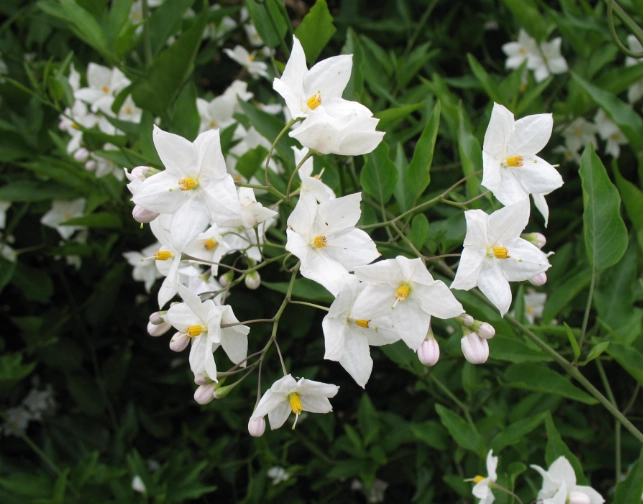
| Graptopetalum pentandrum 'Superbum' (Ghost Plant) | Bright yellow-centered, star-shaped purple flowers | Full sun to partial shade | Spring | Incredibly forgiving. Flowers even in less-than-ideal light. |
| Kalanchoe humilis | Small, tubular purple flowers in dense clusters | Direct sun | Summer | Let soil dry completely. Overwatering is the #1 killer. |
| Anacampseros rufescens (Sunrise Succulent) | Pink-purple, daisy-like flowers | Morning sun, afternoon shade | Summer | Leaves turn pink & purple with enough light, making the flowers pop. |
| Sedum dasyphyllum 'Lilac Mound' | Tiny, starry pale lilac flowers | Full sun to light shade | Early Summer |
My personal favorite is the Graptopetalum. Why? It's less fussy than the Echeveria. I've had 'Perle von Nürnberg' get leggy and refuse to flower because my south-facing window wasn't quite enough. The Ghost Plant? It just goes for it. It taught me that consistent care matters more than perfection.
Beyond the Usual Suspects: Two Underrated Picks
Everyone talks about Echeverias, but two genera often fly under the radar with spectacular purple blooms.
Crassula species, like Crassula ovata 'Hummel's Sunset' (the jade plant), can produce clusters of tiny, sweet-scented pinkish-white flowers that, in the right light, have a distinct lavender hue. They need maturity and a dry, cool winter rest to bloom.
Oscularia deltoides (Pink Ice Plant) is a trailing succulent. Its flowers are an unbelievable neon magenta-purple. It's a sprawling, fast grower perfect for hanging baskets, and it blooms so heavily it can hide the foliage.
How to Get Your Succulents to Flower Profusely
Here's the unglamorous truth: flowering is a stress response. The plant thinks, "My conditions are good, but seasonal changes are coming. I should reproduce now." Your job is to simulate those ideal-but-stressful conditions.
The Light Formula: It's Non-Negotiable
You can nail everything else, but without enough light, forget about flowers. Bright, direct sunlight is the primary trigger. A south or west-facing window is the minimum indoors. East might work for some. North? Almost never.
If your windows are weak (like in a northern climate), supplement with a full-spectrum LED grow light. Run it for 12-14 hours a day. The succulent should show signs of "stress coloring"—the leaves turning red, purple, or blue at the edges. This is a good sign for flowering!
The Biggest Mistake I See
People rotate their succulents for even growth. For flowering, stop. Pick the sunniest spot and leave it there. The most sun-blasted side will often produce the flower stalk first. Constant rotation confuses the plant's light sensors.
Watering & Feeding: The Delicate Balance
Overwatering makes a plant lazy and prone to rot. Underwatering stresses it too much. The sweet spot is a thorough soak followed by complete drought.
Stick your finger in the soil. If it's dry an inch down, wait another 3-4 days, then water deeply until it runs out the bottom. In winter, extend that drying period even more.
Fertilizer is not plant food; it's vitamins. Use a balanced, water-soluble fertilizer diluted to half-strength only during the active growing season (spring and early summer). A fertilizer higher in phosphorus (the middle number, like 5-10-5) can promote blooms, but it's secondary to light. I use a generic balanced one twice a season, and that's it. More will cause weak, leggy growth.
The Critical Role of Dormancy
Most flowering succulents need a cool, dry winter rest. This is the most overlooked step. If you keep your home at a cozy 72°F (22°C) year-round and water monthly, your plant never gets the signal to shut down and then ramp up for blooming.
In winter, try to give them a spot that drops to 50-55°F (10-13°C) at night—a cooler room, a bright garage window. Water only once a month or less, just enough to prevent severe shriveling. This 2-3 month "hibernation" is what sets the bloom buds.
Your Purple Flower Succulent Questions Answered
The journey to a purple-flowered succulent is a lesson in patience and observation. It's not about forcing, but about creating an environment where flowering becomes the plant's natural, eager response. Start with a tough variety like Graptopetalum, give it brutal amounts of light, a Spartan winter, and then wait. That first tiny bud pushing through will feel like a real victory.
Comments