Quick Guide
- Why Bother Propagating Your Snake Plant?
- The Three Best Methods for Propagating a Snake Plant
- Which Propagation Method Should You Choose? A Side-by-Side Look
- Your Propagated Snake Plant Care Guide: The First Crucial Months
- Common Problems & Troubleshooting Your Propagation
- Frequently Asked Questions About Propagating Snake Plants
- Beyond the Basics: Tips from Experience
Let's be honest. We've all been there. Staring at a lush, full snake plant (or Sansevieria, if you want to get botanical) and thinking, "I wish I had more of these." Maybe you want to fill that empty corner in your bedroom. Maybe you want to give a meaningful gift to a friend. Or maybe you just love the idea of creating new life from a single leaf. Whatever your reason, the good news is that propagating a snake plant is one of the most forgiving projects in the plant world.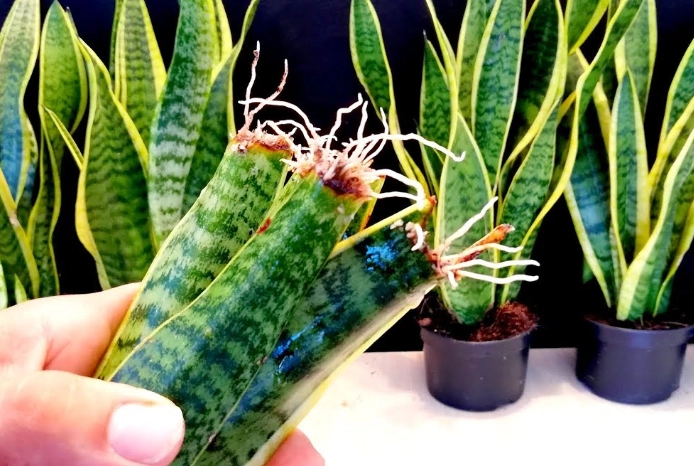
I remember my first attempt. I was nervous. I overthought every cut, worried about the water, and checked for roots every single day (which, by the way, is a great way to drive yourself crazy). But the plant? It didn't care about my anxiety. It just did its thing. That's the beauty of snake plants. They're survivors.
This guide is here to cut through the noise and conflicting advice you might find online. We'll walk through every method, talk about the pros and cons of each, and I'll even share the mistakes I've made so you don't have to. By the end, you'll feel confident about propagating your own snake plant, whether you're a complete beginner or have a few propagations under your belt.
Why Bother Propagating Your Snake Plant?
Before we get our hands dirty, let's talk about the "why." It's not just about getting free plants (though that's a fantastic perk). Propagating a snake plant is deeply satisfying. There's a unique joy in watching a small cutting you prepared yourself push out its first new shoot. It connects you to the plant in a different way. You become its creator, in a sense.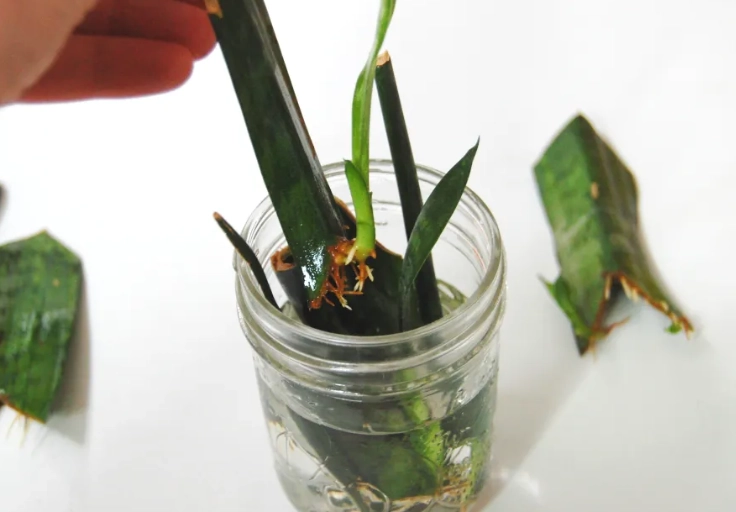
Practically speaking, it's also a great way to manage an overgrown plant. If your snake plant is bursting out of its pot, propagation through division is the perfect solution to give it room to breathe and create two (or more) healthy plants from one. It's also more sustainable than buying new plants and allows you to share a piece of your own plant collection with others.
The Three Best Methods for Propagating a Snake Plant
There are a few ways to go about this, and the "best" method really depends on your goals, your patience level, and the condition of your mother plant. Let's break them down.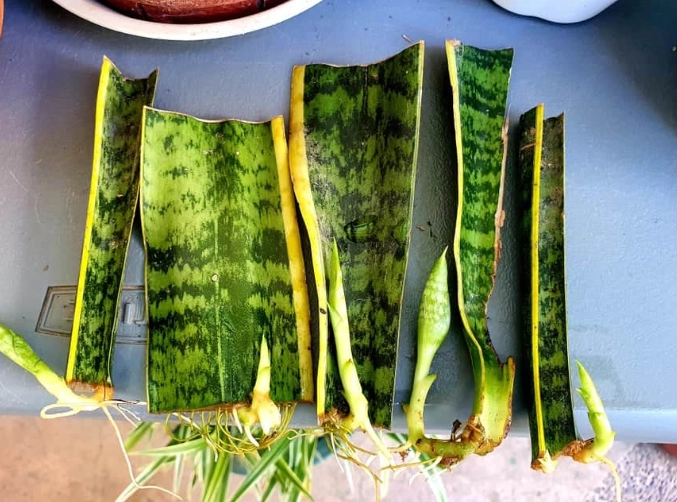
Method 1: Water Propagation (The Visual Learner's Favorite)
This is the method everyone seems to love on social media, and for good reason. It's simple, clean, and you get to watch the roots develop in real-time. It's perfect if you're impatient or if you just find the process fascinating.
What You'll Need:
- A healthy, mature leaf from your snake plant.
- A sharp, clean knife or pair of scissors (I prefer a razor blade or craft knife for a super clean cut).
- A glass jar or vase (clear is fun for watching roots).
- Fresh water (tap water is fine if left out for 24 hours to let chlorine evaporate).
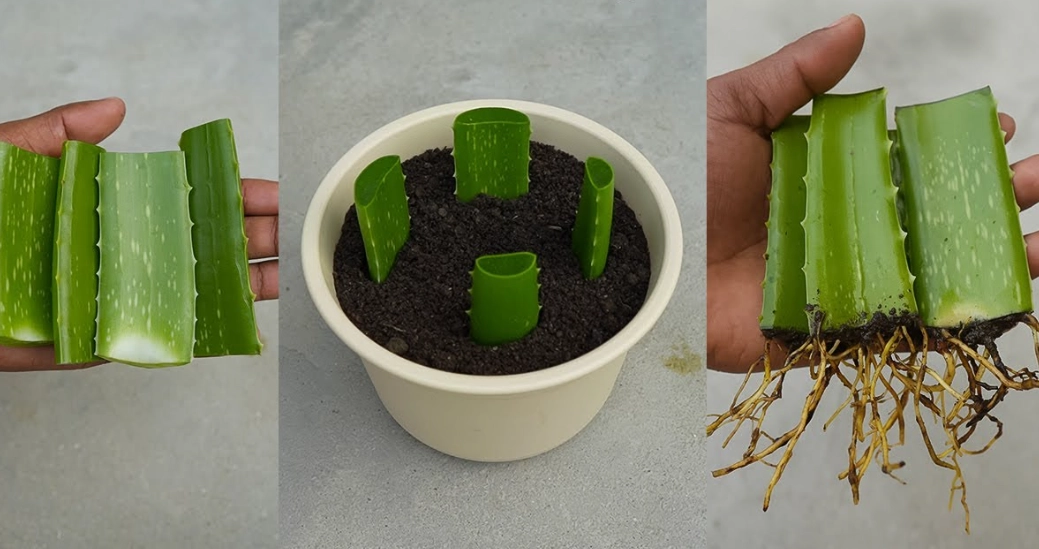
Step 1: Take Your Cutting. Choose a healthy, firm leaf. Using your clean tool, cut it off at the base, near the soil line. You can cut the leaf into multiple sections, each about 3-4 inches long. This is key: remember which end was pointing down towards the roots (the bottom) and which was pointing up (the top). If you plant it upside down, it won't root. I mark the top with a tiny dot from a permanent marker. Trust me, it's easy to lose track.
Step 2: Let it Callus. This is the most skipped step and the one that leads to rot. Don't put the fresh cutting directly into water! Place the cuttings in a dry, shaded spot for at least 1-3 days. You'll see the cut end dry out and form a thin, whitish layer. This callus seals the wound and prevents bacteria and fungi from entering when it's in water.
Step 3: The Water Bath. Place your callused cuttings in the jar, bottom-end down. Add enough water to cover about an inch of the cutting. Don't submerge the whole thing. Place the jar in a spot with bright, indirect light. No direct sun, which can cook the cutting and encourage algae growth in the water.
Step 4: Wait and Maintain. Change the water once a week to keep it fresh and oxygenated. This prevents nasty bacterial slime. Now, the waiting game begins. In a few weeks, you should see little white nubs forming. Those are your roots! Once they're a couple of inches long and you see secondary roots branching off, it's ready for soil.
My Experience: I've had cuttings root in as little as three weeks in summer, and others take over two months in winter. A variegated variety I tried took forever—patience truly is key. Also, algae will grow on the jar. It's not harmful to the plant, but it looks ugly. A quick scrub when you change the water keeps things tidy.
Method 2: Soil Propagation (The Set-It-and-Forget-It Approach)
This method mimics how snake plants propagate in nature. It's a bit more of a leap of faith since you can't see what's happening underground, but it often results in a sturdier, more adapted plant from the get-go. It's my go-to method now because it involves less fussing.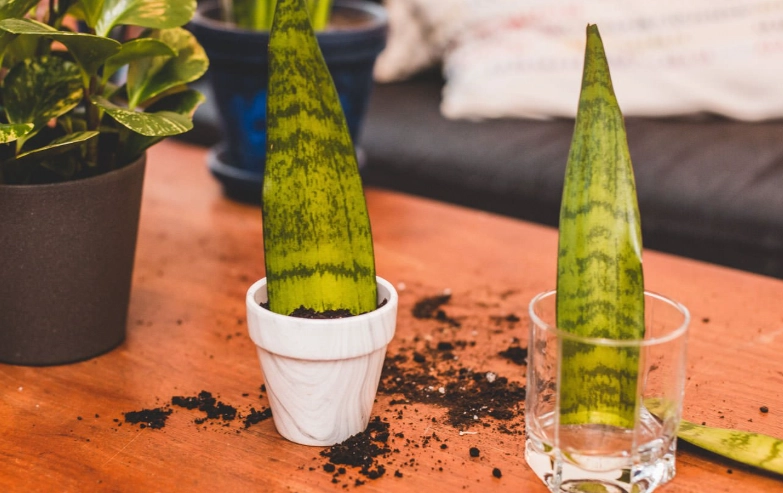
The initial steps are identical: take a leaf cutting, let it callus. The difference is what happens next.
Prepare a small pot with a very well-draining potting mix. A cactus/succulent mix is perfect, or make your own with regular potting soil mixed with plenty of perlite or coarse sand. Dampen the mix slightly—it should feel like a wrung-out sponge, not soggy.
Stick your callused cutting about an inch deep into the soil, bottom-end down. Firm the soil gently around it. Place the pot in bright, indirect light.
Here's the crucial part: water it very sparingly at first. You're only trying to keep the soil from becoming bone dry. Overwatering is the #1 killer here, as the cutting has no roots to absorb the moisture, leading to rot. I use a spray bottle to just moisten the top layer of soil for the first few weeks.
How do you know it's working? The cutting will stay firm and upright. In a month or two, give it a very gentle tug. If you feel resistance, congratulations—roots have formed! Soon after, you might see a brand new, small shoot emerging from the soil line. That's your new baby plant.
Method 3: Division (The Instant Gratification Method)
This is the fastest way to get a full, mature-looking new plant. Instead of growing from a leaf, you're separating a plant that already has its own root system. This method is best when your snake plant has become crowded and developed multiple "pups" or shoots clumped together.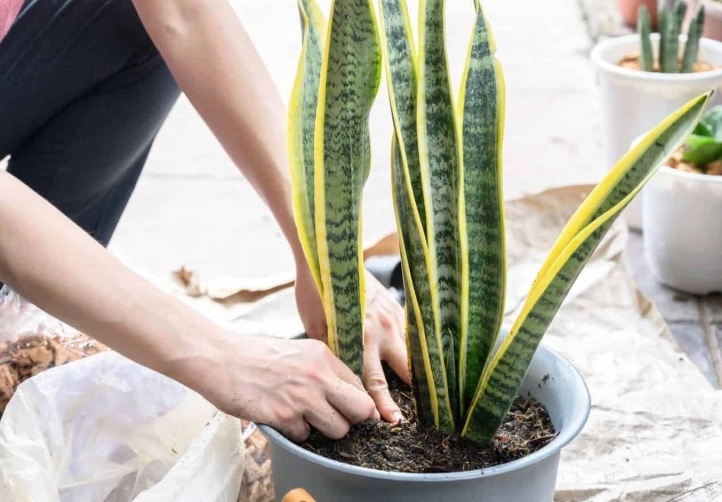
When to do it: Ideally when you're already repotting the plant.
The process: Gently remove the entire plant from its pot. Shake off excess soil so you can see the root structure and where the individual shoots connect. You'll often see natural points where they can be separated. Using your hands, gently tease them apart. If the roots are tightly tangled, you may need to use a clean, sharp knife to cut through the rhizome (the thick, horizontal stem underground). Ensure each division has a good chunk of roots attached.
Pot each division into its own container with fresh, well-draining soil. Water it lightly and care for it as you would a mature plant. It may look a little sad for a week or two as it adjusts, but it will bounce back quickly.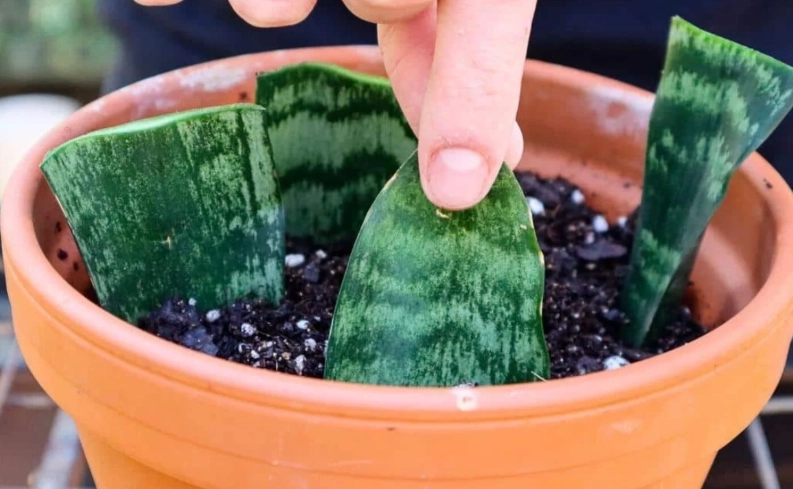
Important Note on Variegation: If you have a variegated snake plant (like the popular Laurentii with yellow edges), propagating a snake plant from leaf cuttings in water or soil will often result in a new plant that loses its variegation. The new pups will revert to the plain green form. To preserve the yellow edges, you must propagate by division. This is a quirk of plant genetics that surprises many people!
Which Propagation Method Should You Choose? A Side-by-Side Look
| Method | Best For | Speed | Success Rate | Key Challenge |
|---|---|---|---|---|
| Water Propagation | Beginners, visual learners, single-leaf experiments. | Medium (Roots in 3-8 weeks) | High | Transitioning roots from water to soil without shock; avoiding rot before callusing. |
| Soil Propagation | Hands-off gardeners, avoiding transplant shock, getting a sturdier start. | Slow (Signs of growth in 4-10 weeks) | Medium-High | Resisting the urge to overwater before roots develop. |
| Division | Overgrown plants, instant mature plants, preserving variegation. | Instant (Mature plant right away) | Very High | Needing a mature, multi-shoot plant to start with; being gentle with roots. |
See? There's no single right answer. If you love watching the process, go with water. If you're forgetful, soil might be better. If you want a full plant now and have a big mother plant, division is your winner.
Your Propagated Snake Plant Care Guide: The First Crucial Months
Okay, you've got roots in water, or a cutting in soil, or a fresh division in a pot. Now what? The care in the first few months sets the stage for a strong, healthy plant.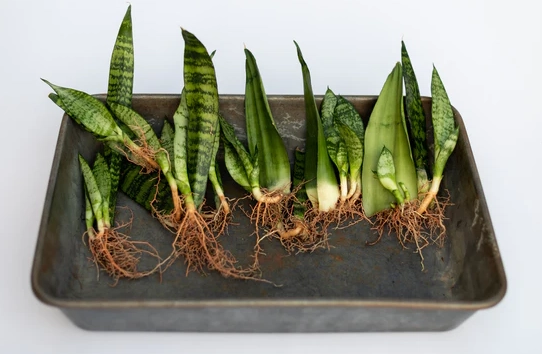
Transitioning Water Roots to Soil (The Tricky Part)
This is where many water-propagated plants fail. Water roots are different from soil roots—they're more fragile and adapted to an aquatic environment. Moving them to soil is a shock. To make it easier:
- Wait until the water roots are at least 2-3 inches long and have some smaller side roots.
- Use a very airy, porous soil mix (extra perlite!).
- Keep the soil consistently moist but not wet for the first 2-3 weeks after potting. This bridges the gap between water and soil environments.
- Then, gradually transition to the normal "let it dry out completely between waterings" snake plant routine.
Light and Water for Newbies
All your new propagations, regardless of method, will appreciate bright, indirect light. Direct sun can scorch them. As for water, the golden rule for new snake plant propagations is when in doubt, wait it out. It's much harder to fix an overwatered, rotting cutting than to revive a thirsty one. A slightly wrinkled leaf can be saved with a drink; a mushy, blackened base often cannot.
Common Problems & Troubleshooting Your Propagation
Things don't always go perfectly. Here's what might go wrong and how to fix it.
The cutting is mushy and rotting (usually at the base). This is almost always due to excess moisture. In water: did you let it callus? Is the water filthy? In soil: did you water it too much or too soon? Solution: If there's any firm, healthy part of the cutting left, cut off all the rot, let it callus again, and restart. Sometimes you just need a do-over.
It happens.
No roots after many weeks. Be patient. It can take time, especially in cooler months. Ensure it's getting enough warmth and light. You can try a rooting hormone on the callus before placing it in water or soil, but it's not strictly necessary for snake plants.
The original leaf cutting is shriveling. This is normal to some extent. The cutting is using its stored energy to make roots. Once the new root system is established and can take up water, the shriveling should stop. If it's severe, it might be underwatered (in soil) or the air might be too dry.
My new pup is growing, but it's all green (on a variegated plant). As mentioned, this is a genetic trait of leaf-propagated variegated snake plants. The only way to get the variegation is through division.
Frequently Asked Questions About Propagating Snake Plants
Beyond the Basics: Tips from Experience
After propagating more snake plants than I can count, here are a few non-textbook tips that make a difference.
- Label your cuttings. Seriously. Write "TOP" on the end that was pointing up. A week later, you will not remember.
- Use shallow containers for water propagation. A narrow-necked bottle or shot glass that holds the cutting upright is better than a wide vase where it can fall over.
- Ignore it. This is the hardest but most effective tip. Once your cutting is set up in water or soil, find a way to forget about it for a week at a time. Constant checking disturbs the process.
- If you're interested in the science behind how these plants regenerate, resources from university horticulture departments can be fascinating. For example, the process of meristematic cell activation in monocots like Sansevieria is explained in detail on educational sites like those from University of Minnesota Extension.
Propagating a snake plant is a rewarding project that demystifies plant growth. It teaches you patience, observation, and gives you a deeper appreciation for these resilient houseplants. Whether you end up with one new plant or ten, the process is half the fun.
So go ahead. Pick up those scissors. Choose a healthy leaf. Make the cut. You might be surprised at how easy propagating a snake plant truly is. And when that first tiny green spear finally pushes through the soil, you'll feel a sense of accomplishment that no store-bought plant can ever provide.
Happy propagating!
Comments