You brought home a cute cactus. It looked perfect in its little plastic nursery pot. A month later, it's leaning, the color looks off, or worse—there's a mushy spot at the base. Sound familiar? The problem likely isn't just you forgetting to water it (in fact, you probably watered it too much). The real culprit often starts with the pot. Choosing the right pot for your cactus isn't about aesthetics first; it's about survival. Get this wrong, and you're fighting an uphill battle against root rot. Get it right, and your cactus will thrive with shocking neglect. Let's break down the partnership between cactus and pot, moving beyond the basic advice you see everywhere.
What's Inside?
Why Your Cactus Pot Choice is a Life or Death Decision
Think of a cactus pot as its personal climate control system. In the desert, water vanishes quickly. Your pot's job is to replicate that fast-drying environment. The single biggest killer of indoor cacti is excess moisture around the roots. A pot that traps water creates a spa day for fungi and bacteria, not a happy home for a desert plant.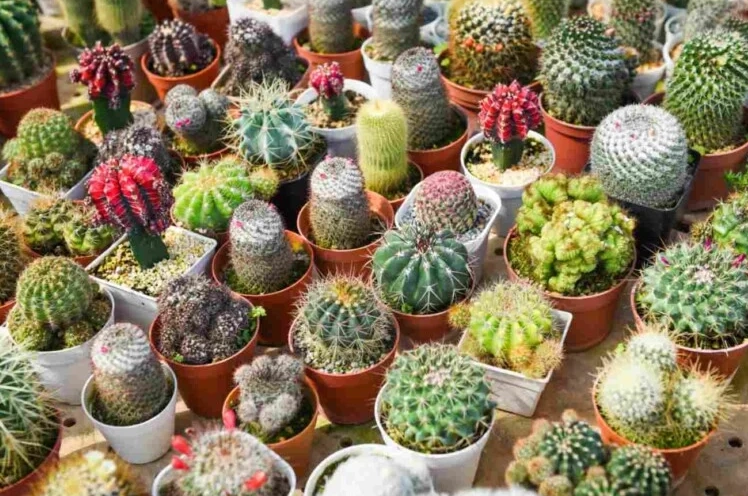
I learned this the hard way with a beautiful golden barrel cactus. I planted it in a gorgeous, deep ceramic pot without a drainage hole because it matched my decor. I was "careful" with watering. Within three months, it collapsed from the inside out. The pot was a beautiful coffin. The lesson? Drainage isn't a nice-to-have; it's non-negotiable.
The pot also dictates your watering schedule. A porous terracotta pot dries out faster than a glazed ceramic one. If you're a chronic over-waterer, terracotta is your therapist. If you tend to forget, plastic might offer a bit more forgiveness (but not much).
How to Choose the Perfect Pot: A Material Showdown
Let's get specific. You're at the garden center or browsing online. Here’s what you’re really looking at, stripped of the marketing.
| Material | Pros | Cons | Best For | Price Range (approx.) |
|---|---|---|---|---|
| Unglazed Terracotta | Super porous, excellent evaporation, promotes healthy root air flow, classic look. | Heavy, breaks easily, dries out very fast (can stress plants in hot climates), salts can build up on outside. | Beginners, over-waterers, large cacti that need stability, hot & dry indoor climates. | $5 - $50+ |
| Glazed Ceramic | Wide variety of styles/colors, retains moisture longer, more durable than terracotta. | Poor breathability, often heavy, MUST have a drainage hole (many decorative ones don't). | Experienced owners who understand their watering needs, decorative displays. | $10 - $80+ |
| Plastic | Lightweight, cheap, retains moisture well, often has excellent drainage holes. | Zero breathability, can become brittle in sun, less stable for top-heavy plants, less aesthetic. | Seedlings, small cacti, temporary housing, humid environments, budget setups. | $2 - $20 |
| Concrete & Cement | Very stable, modern look, somewhat porous, excellent for large specimens. | Extremely heavy, can leach alkalinity into soil over time (may need soaking before use). | Outdoor cacti, large statement plants, minimalist decor. | $15 - $100+ |
Size is the other critical factor. The golden rule: the pot's diameter should be only about 1-2 inches wider than the widest part of your cactus. A pot that's too large holds a huge volume of wet soil that the tiny root ball can't absorb, leading to rot. It's like putting a single person in a mansion—most of the rooms just get cold and damp.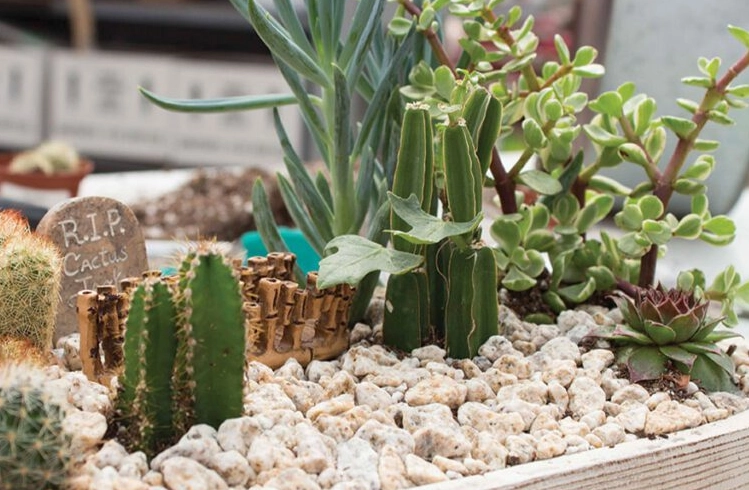
The Step-by-Step Potting Process You Shouldn't Skip
You have the right pot. Now, let's get your cactus settled. This isn't just plopping it in new dirt.
Gathering Your Arsenal
You'll need: your new pot, a commercial cactus & succulent mix, perlite or pumice, gloves (seriously, use them), newspaper/tongs, and optionally, a layer of gravel or clay pebbles.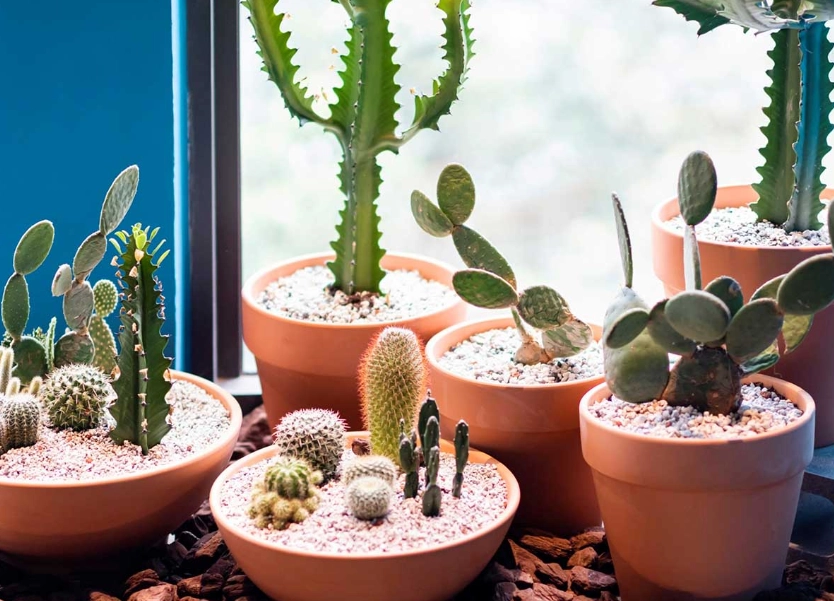
The Actual Steps
1. The Soil Mix: Don't use bagged cactus soil straight from the bag. Most are still too moisture-retentive. I mix 2 parts commercial cactus soil with 1 part perlite or pumice. For fussy species or in humid climates, I go 50/50. This creates a gritty, fast-draining environment. The Missouri Botanical Garden recommends similar gritty mixes for optimal root health.
2. Pot Prep: Place a small piece of mesh, a coffee filter, or a shard of broken pot over the drainage hole. This keeps soil in while letting water out. Skip the layer of rocks at the bottom—it's an old myth that creates a "perched water table" and actually reduces effective soil space.
3. The Extraction: Let the cactus soil dry out completely first. Gently squeeze the old plastic pot or use tongs wrapped in newspaper to grip the plant. Tip it sideways and ease it out.
4. Root Inspection & Teasing: Gently brush away old soil. Look for roots: white and firm is good, brown and mushy means rot—snip those off with clean scissors. If the roots are tightly wound (root-bound), gently tease them apart slightly to encourage outward growth.
5. Planting Depth: Add your custom mix to the new pot so the cactus will sit at the same soil level as before. Planting too deep invites stem rot. Hold the cactus in place and fill around it with more mix. Don't pack it down hard—tap the pot to settle the soil.
6. The Critical Waiting Period: Do not water. Place the repotted cactus in bright, indirect light and leave it alone for 5-7 days. This allows any minor root damage to callous over, preventing rot when you finally water.
Ongoing Care: Watering and Light in the Right Pot
Your pot choice now directly informs your care routine.
Watering: The "soak and dry" method is gospel. When you do water (after that initial waiting period), drench the soil completely until water runs freely out the drainage hole. Then, let it dry out completely—all the way to the bottom. How long this takes depends on your pot material, soil mix, climate, and season. In a terracotta pot with gritty mix in summer, it might be 7 days. In a glazed pot in winter, it could be 4-6 weeks. Stick your finger in the drainage hole to check.
Light: Most cacti crave direct sunlight—4-6 hours minimum. A south or west-facing window is ideal. The pot itself can get hot, which is generally fine, but a dark plastic pot in a south window might overheat the roots. Light-colored pots reflect more heat.
When to Repot: Not every year. Every 2-4 years is usually plenty. Signs it's time: roots growing out the drainage hole, the cactus has become top-heavy and tips over, or the soil has degraded and become compacted.
Troubleshooting: Reading Your Cactus's Signals
Your cactus talks through its appearance and pot.
- Soft, Mushy Base (often brown): Classic root/stem rot. From overwatering, poor drainage, or a non-porous pot. Stop watering immediately. You may need to unpot, cut away all rot, let it callous, and re-root.
- Shriveling, Wrinkling: Usually underwatering, but check the roots first. If the roots are dead from rot, the plant can't absorb water and will shrivel—watering more will kill it.
- White Crust on Pot Rim/Soil: Mineral deposits from tap water. It's mostly cosmetic but can affect soil pH over time. Use filtered or rainwater if it bothers you.
- Cactus Leaning Drastically: It's reaching for light (etiolation), or the pot is too small/shallow for its root system. Check light exposure first, then consider a repot.

Comments