Your Quick Guide to Potted Lavender
- Why Bother Growing Lavender in Containers?
- Step 1: Picking Your Lavender Champion (It Matters More Than You Think)
- Step 2: The Pot & Soil – Where Most People Go Wrong
- Step 3: Planting & The First Crucial Weeks
- Step 4: The Ongoing Care – Water, Food, and Haircuts
- Step 5: Overwintering Potted Lavender
- Common Problems & Solutions (The Troubleshooting Guide)
- Frequently Asked Questions (Stuff You're Actually Searching For)
- Let's Wrap This Up
So you want to grow lavender in pots? Good choice. I remember the first time I tried, I killed a perfectly good plant in about three weeks. Too much love, mostly in the form of water. It's a common story. But here's the thing – lavender is tough. Once you get the hang of its few, non-negotiable needs, it becomes one of the most rewarding plants you can have on a patio, balcony, or windowsill. The scent alone is worth the effort.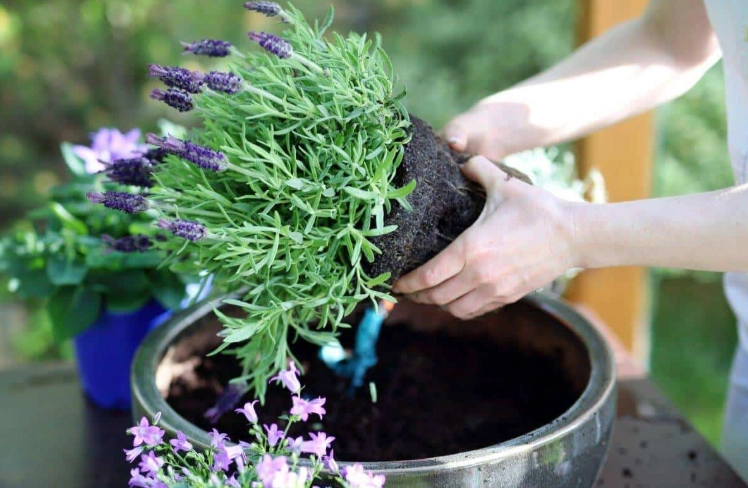
This guide is everything I wish I'd known when I started. We're going to move past the basic "sun and well-drained soil" advice and dig into the specifics that actually make a difference. Whether you're in a tiny apartment or just want to keep these fragrant beauties contained, growing lavender in pots is absolutely doable. Let's get your hands dirty.
Why Bother Growing Lavender in Containers?
First off, let's address the why. Lavender is a Mediterranean plant at heart. It loves sun-baked hillsides with poor, gritty soil. For many gardeners, especially those with heavy, wet clay or limited space, a pot is the best way to recreate those perfect conditions. You have total control over the soil mix, the drainage, and the location. You can move it to chase the sun or shelter it from a brutal storm. For renters or anyone with a small yard, container gardening is a game-changer. And lavender, with its compact size and drought tolerance, is a perfect candidate.
Think about it: Is your garden soil heavy and slow to drain? That's a death sentence for lavender roots. A pot lets you create the perfect, fast-draining home they crave.
Step 1: Picking Your Lavender Champion (It Matters More Than You Think)
Not all lavenders are created equal for pot life. Some get huge and woody, others stay neat and tidy. Picking the right variety is your first and most important step towards success. I made the mistake of planting a 'Grosso' lavender in a medium pot once. It looked ridiculous and unhappy within a year.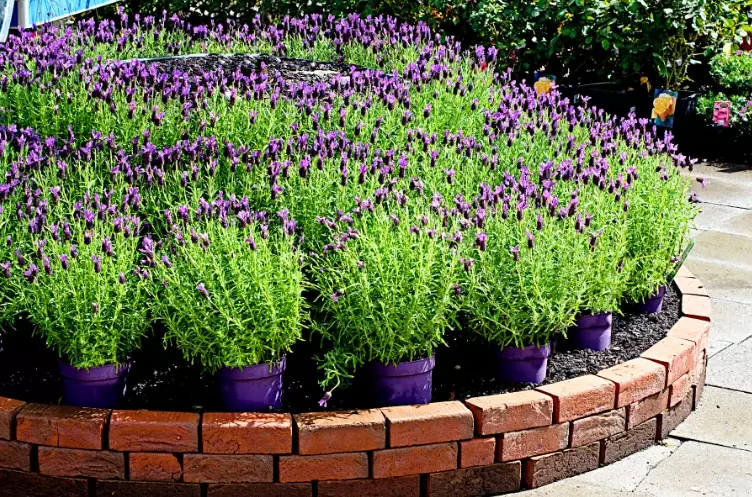
For containers, you want compact, slower-growing varieties. Here are the top contenders, based on my experience and what the experts at the Royal Horticultural Society (RHS) recommend for smaller spaces.
| Lavender Variety | Type | Why It's Great for Pots | Flower Color | Hardiness Notes |
|---|---|---|---|---|
| Lavandula angustifolia 'Hidcote' | English Lavender | Super compact, dense silvery foliage, intense fragrance. The classic choice. | Deep purple | Very hardy (Zones 5-9). A reliable workhorse. |
| Lavandula angustifolia 'Munstead' | English Lavender | Slightly taller than 'Hidcote', but still very manageable. Blooms a bit earlier. | Violet-blue | Hardy (Zones 5-9). Tolerates humidity a tad better. |
| Lavandula stoechas 'Anouk' | Spanish/French Lavender | Those iconic "bunny ear" bracts. Stays very neat and flowers for ages. | Purple with pink flags | Less hardy (Zones 7-9). Best for warmer climates or to bring indoors. |
| Lavandula x intermedia 'Phenomenal' | Lavandin Hybrid | A newer cultivar. Tolerant of heat, humidity, and cold. A true survivor. | Light purple | Excellent hardiness (Zones 5-9) and disease resistance. |
| Lavandula angustifolia 'Little Lottie' | English Lavender (Dwarf) | Tiny! Perfect for the smallest pots or window boxes. Pink flowers! | Pale pink | Hardy (Zones 5-9). A charming, unusual pick. |
My personal favorite for growing lavender in pots is 'Hidcote'. It just never seems to get leggy, and the color is stunning. But if you live in a hot, humid area, don't ignore 'Phenomenal'—it lives up to its name. The Missouri Botanical Garden's Plant Finder is a fantastic resource to check specific variety details for your zone.
Step 2: The Pot & Soil – Where Most People Go Wrong
This is the foundation. Get this wrong, and you'll be fighting an uphill battle. Lavender hates "wet feet." Its roots need to dry out between waterings. So our goal is maximum drainage.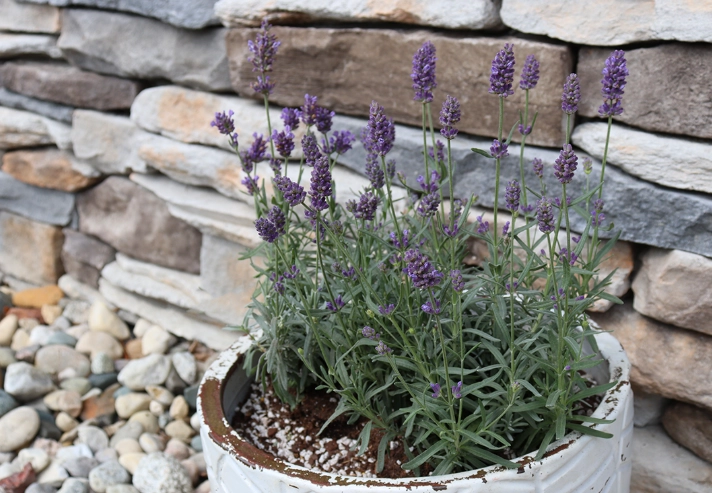
Choosing the Perfect Pot
Material: Terracotta or clay pots are ideal. They're porous, which allows the soil to breathe and dry out from the sides as well as the top. Plastic pots retain more moisture, so you have to be extra careful with watering. I use terracotta for this reason alone.
Size: Start with a pot that's only 1-2 inches wider than the root ball of your plant. Lavender likes to be a bit snug. A pot that's too large holds too much wet soil, leading to rot. You can repot into a slightly larger one in a year or two if needed.
The Non-Negotiable: DRAINAGE HOLES. Multiple, large drainage holes. No saucer that lets the pot sit in water. Ever. If your beautiful pot doesn't have holes, use it as a cache pot (a decorative outer pot) and place your plain, hole-y nursery pot inside it.
Mixing the Magic Soil
Do not, I repeat, do not use regular garden soil or heavy potting mix. It holds too much water and compacts over time.
You need a gritty, lean, fast-draining mix. Here's my go-to recipe, which has never failed me:
- 60% Good Quality Potting Mix: A basic, peat-free or coir-based mix. This provides some structure.
- 30% Coarse Horticultural Sand or Grit: This is the key. It creates air pockets and lets water rush through. Don't use fine play sand—it clogs everything up.
- 10% Perlite or Pumice: For extra aeration and drainage.
- A handful of Lime: (Optional) Lavender prefers slightly alkaline soil. A bit of garden lime can help, especially if your potting mix is acidic.
Mix it all up in a bucket before it goes in the pot. It should feel loose and gritty, not dense and clumpy.
Honest Mistake: My first mix was 50% potting soil, 50% compost. I thought I was giving it a luxury suite. It was more like a swamp. The plant drowned. Lavender thrives on neglect in the soil department.
Step 3: Planting & The First Crucial Weeks
You've got your plant, your pot, and your gritty mix. Time to put it all together.
- Prep the Pot: Place a piece of broken pottery or a coffee filter over the drainage holes to keep the soil from washing out. Add a 1-inch layer of your gritty mix.
- Prep the Plant: Gently loosen the roots of your lavender. If it's root-bound (roots circling tightly), tease a few apart to encourage them to grow outward.
- Planting Depth: Place the plant in the pot. The top of the root ball should be about an inch below the rim of the pot. Fill in around the sides with your soil mix, firming it gently. Do not bury the crown (where the stems meet the roots). Keep it at or slightly above the soil level.
- The First Water: Water thoroughly until water runs freely out of the bottom. This settles the soil around the roots.
Now, find it the sunniest spot you have. Lavender needs a minimum of 6-8 hours of direct, unfiltered sunlight per day. Less sun means weak, leggy growth and few flowers.
Step 4: The Ongoing Care – Water, Food, and Haircuts
This is the rhythm of growing lavender in pots. It's simple, but it requires a shift in mindset from watering other houseplants.
Watering: The Art of Neglect
This is the #1 killer of potted lavender. Overwatering.
The Finger Test is Your Best Friend: Stick your finger into the soil, down to about the second knuckle. If it feels dry, water thoroughly. If it feels even slightly cool or damp, walk away. Do not water.
In the heat of summer, this might be every 3-4 days. In spring and fall, it could be once a week or even every two weeks. In winter, it might be once a month. There is no schedule. Let the soil and the plant tell you. The leaves will look slightly limp when it's thirsty, but it's best to water just before that point.
Pro Tip: Water in the morning, directly at the soil level. Avoid getting the foliage wet, as this can promote fungal diseases. A long-spout watering can is perfect for this.
Feeding: Less is More
Lavender isn't a heavy feeder. In fact, too much fertilizer, especially high-nitrogen ones, will give you lots of soft, floppy green growth at the expense of flowers and fragrance.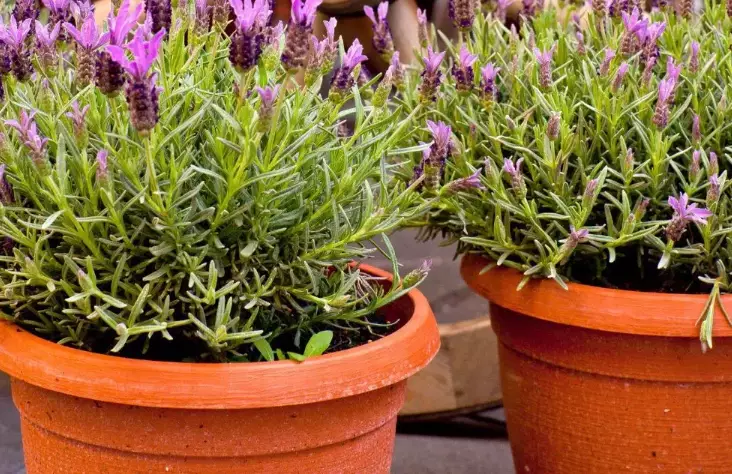
I feed my potted lavenders once a year, in early spring, as new growth begins. I use a balanced, slow-release organic fertilizer (like a 5-5-5) or a light sprinkle of compost around the base of the plant. That's it. No summer feeding. It encourages them to toughen up.
Pruning: The Secret to a Long Life
If you do nothing else, prune your lavender. An unpruned lavender gets woody, leggy, and splits open in the center. It looks sad and produces fewer flowers.
There are two key pruning times:
1. The Big Annual Prune (Late Summer/Early Fall, after flowering): This is the major haircut. Using clean, sharp shears, cut back the spent flower stalks and about one-third of the current year's green growth. Never cut back into the old, bare woody stems, as these rarely produce new shoots. Your goal is to maintain a rounded, mound shape.
2. The Light Spring Tidy (Early Spring): As new growth starts to appear, give the plant a light trim to shape it and remove any winter-damaged tips.
Pruning feels scary the first time—you're cutting off perfectly good green stuff. But trust me, it's what keeps your potted lavender compact, bushy, and flowering for years. The USDA Plant Hardiness Zone Map is useful here to time your pruning correctly for your region's first frost.
Step 5: Overwintering Potted Lavender
This is the big worry for many. Can lavender in pots survive the winter? Yes, but it needs help. The roots in a pot are much more exposed to freezing temperatures than roots in the ground.
- For Zones 7 and Warmer: You can probably leave your hardy English lavenders outside. Move the pot to a sheltered spot against a south-facing wall for extra warmth and protection from harsh winds.
- For Zones 6 and Colder: Extra protection is needed. Options include:
- Move it to an Unheated Garage or Shed: It needs to be cold (so it stays dormant) but protected from wind and wet. Water very sparingly, just enough to prevent the roots from completely desiccating.
- Insulate the Pot: If it must stay outside, group pots together, mulch heavily on top of the soil with straw or bark, and wrap the pot itself in bubble wrap or burlap. The goal is to protect the roots.
- Tender Varieties (Spanish, French): These need to come indoors before the first frost. Place them in a bright, cool (50-60°F) spot like a sunny windowsill in an unheated room. Water very minimally.
My 'Hidcote' in a terracotta pot survives Zone 6 winters by being shoved into my unheated garage in December. It looks dead in March, but by April, tiny green shoots appear. It's a miracle every year.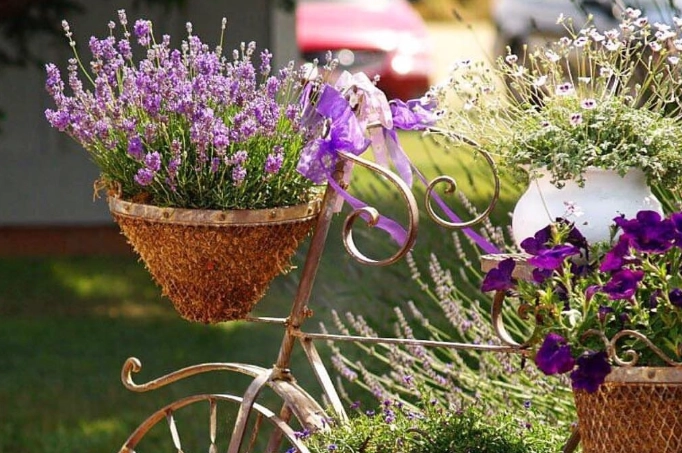
Common Problems & Solutions (The Troubleshooting Guide)
Even with perfect care, things happen. Here’s a quick rundown of what might go wrong when growing lavender in pots.
Leggy, Floppy Growth: Not enough sun. Move it. Also, could be over-fertilizing. Stop feeding.
Yellowing Leaves: Usually a sign of overwatering. Check your soil and drainage immediately. Let it dry out completely.
No Flowers: Insufficient sunlight is the most common cause. Pruning at the wrong time (cutting off new buds) or too much nitrogen fertilizer are other culprits.
Woody, Sparse Center: A result of not pruning regularly. You can try a harder prune in spring, cutting back just above where you see new green shoots low on the stems, but there's no guarantee it will fill in. Prevention (annual pruning) is key.
Root Rot (The Worst): The plant wilts, stems turn brown/black at the base, and it dies. Caused by chronically wet soil. Often fatal. Improve drainage for next time and water less.
Frequently Asked Questions (Stuff You're Actually Searching For)
Can I grow lavender in pots indoors?
You can try, but it's a challenge. Lavender needs intense, direct sunlight—more than most indoor settings provide. A south-facing window is a must, and even then, growth may be weak. Lack of humidity indoors can also invite spider mites. It's possible, especially with a grow light, but outdoors is always better. I've never had an indoor lavender thrive long-term like my outdoor ones do.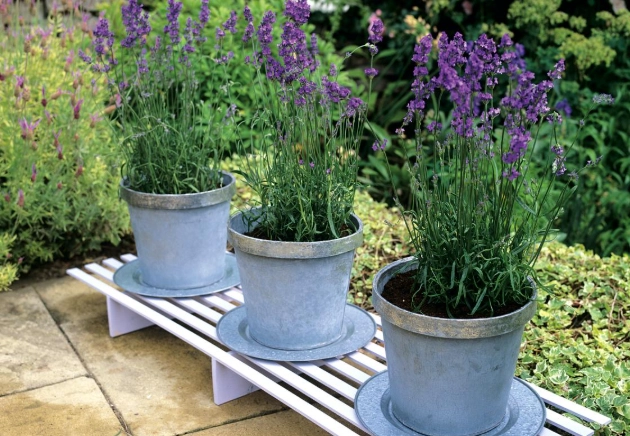
How often should I repot my lavender?
Lavender is slow-growing and likes being slightly pot-bound. You likely only need to repot every 2-3 years. Signs it's time: roots are growing out of the drainage holes, growth has severely slowed, or the soil has degraded. When you do repot, only go up one pot size (1-2 inches wider) and use fresh, gritty mix.
What are the best companion plants for lavender in a large container?
Stick with other Mediterranean sun-lovers that hate wet feet. Good companions include rosemary, thyme, oregano, santolina, or even some drought-tolerant sedums. Avoid pairing it with water-hungry plants like impatiens or fuchsias—you'll never make them both happy.
Why are the leaves on my potted lavender turning brown?
Brown tips or patches can be from winter frost damage (prune them off in spring). Widespread browning is often a watering issue—either too much (root rot setting in) or, less commonly, the roots have completely dried out and the plant is drought-stressed. Assess your watering habits.
Let's Wrap This Up
Growing lavender in pots isn't complicated, but it is specific. It asks for a few things and is utterly unforgiving if you don't provide them. But when you do—plenty of sun, a gritty soil mix, a pot with great drainage, disciplined watering, and an annual haircut—it rewards you with structure, scent, and stunning color for years.
The biggest shift is learning to hold back. Don't overwater. Don't overfeed. Do prune. Think of it as a tough, sun-loving little shrub that asks for a bit of tough love in return.
Start with a 'Hidcote' or 'Munstead' in a terracotta pot with your homemade gritty mix. Put it in the sunniest spot you own. Then, just leave it alone until your finger tells you otherwise. You might just find that growing lavender in pots becomes your new favorite gardening habit.
Got a specific problem I didn't cover? Drop a comment below—I've probably made that mistake too, and we can figure it out.


Comments