In This Guide
Let's talk about the raindrop peperomia. You've probably seen it – those thick, succulent-like leaves shaped like perfect raindrops or maybe even little green hearts, all stacked on upright stems. Its proper name is Peperomia polybotrya, but let's be honest, "raindrop" is just more fun to say. It's one of those plants that looks way more high-maintenance than it actually is. I think that's why people get nervous about caring for it. They see those glossy, almost plastic-perfect leaves and assume it's a diva.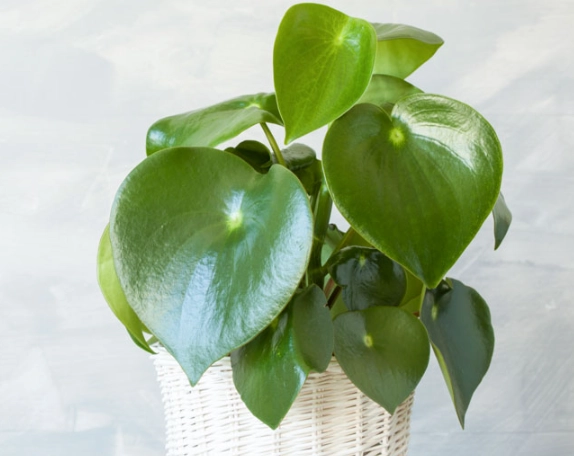
It's not. I've killed my fair share of plants (RIP, maidenhair fern), but my raindrop peperomia has been a trooper through my learning curve. It's forgiven my overwatering phase and my "let's see what happens in that dark corner" experiment.
So, if you're staring at your new Peperomia polybotrya wondering how not to mess it up, you're in the right place. This isn't a textbook. It's a chat from one plant parent to another, covering everything you need to know to help your raindrop peperomia not just survive, but truly thrive.
Getting to Know Your Raindrop Peperomia
Before we dive into the care nitty-gritty, let's understand what we're dealing with. This plant is a member of the massive Peperomia genus, which has over a thousand species. The raindrop peperomia is native to the rainforests of South America, specifically Peru and Ecuador. This origin story is the key to its care.
Think about a rainforest floor. It's not pitch black, but it's dappled with light filtering through a dense canopy above. The air is humid, but the plant isn't sitting in a swamp. It grows on other plants or on the forest floor in well-decaying organic matter. It's an epiphyte or lithophyte in the wild, meaning it often grows on trees or rocks, not deep in soil. This tells us three crucial things:
- Light: It likes bright, but indirect light. No harsh, direct sunbathing.
- Water: It likes moisture, but hates soggy feet. Its succulent leaves store water.
- Soil: It needs a mix that drains incredibly fast, almost like the debris it would cling to in nature.
Its leaves are its pride and joy. They're a deep, lush green, sometimes with a subtle, lighter vein pattern. The surface is so smooth and shiny it looks polished. They feel firm and waxy to the touch, which is your first clue about its drought tolerance.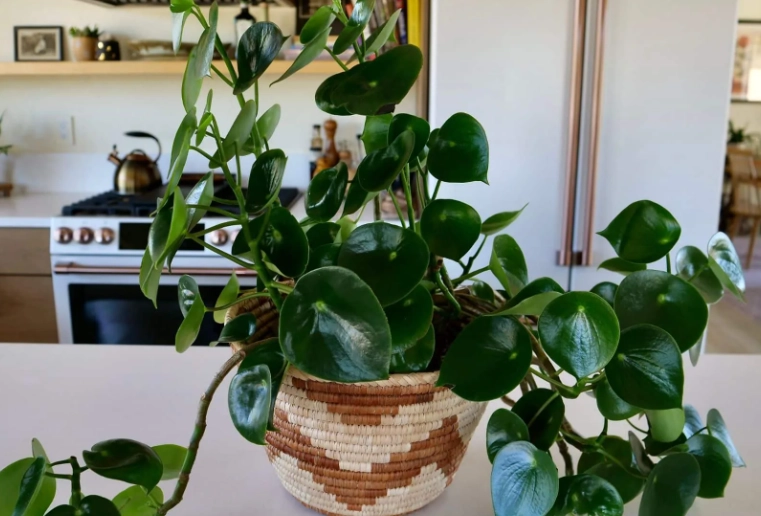
The Complete Raindrop Peperomia Care Breakdown
Okay, let's get practical. Here’s exactly what your plant needs, broken down into the big five: light, water, soil, food, and climate.
Light: The Golden Rule for Glossy Leaves
This is the make-or-break factor. Get the light right, and you prevent about 70% of potential problems.
Ideal Spot: A north or east-facing window is perfect. A few feet back from a south or west window, behind a sheer curtain, also works brilliantly. The goal is to give it several hours of bright, filtered light daily.
But what if your place is a bit dim? The raindrop peperomia is surprisingly tolerant of lower light. It won't grow as quickly or produce as many new leaves, and the stems might stretch out a bit (get "leggy") reaching for light, but it will likely hang on. A west-facing room away from the window or an office with good fluorescent lighting can be enough.
I've found this to be the single most important factor. My plant put out maybe two new leaves all winter in a mediocre light spot. I moved it to a brighter shelf in spring, and it pushed out five in a month. Light is its fuel.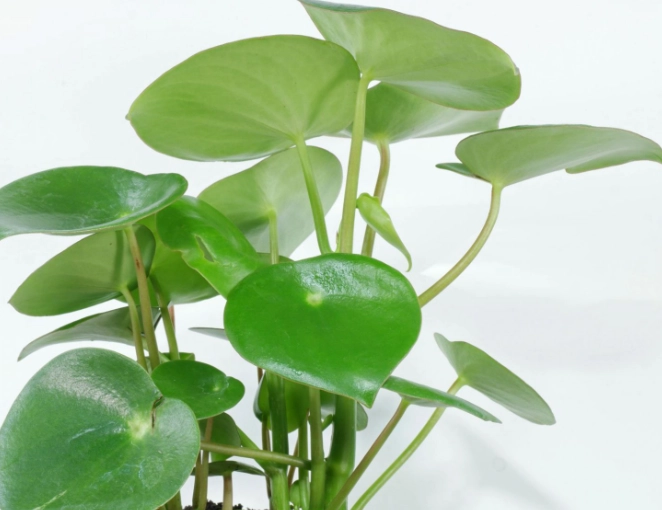
Watering: The Art of "Almost Dry"
This is where most people, myself included, have gone wrong. Overwatering is the fastest way to kill a raindrop peperomia. Those chunky leaves hold water, so the plant is built for dry spells.
My Method (The Foolproof One): I stick my finger into the soil, about an inch or two deep. If it feels dry, I water. If it feels even slightly damp, I walk away. It's that simple. In the winter, that might mean watering every 3-4 weeks. In the summer, maybe every 10-14 days. It depends entirely on your home's temperature, light, and humidity.
When you do water, do it thoroughly. Take the plant to the sink and water until it runs freely out of the drainage holes. Let it drain completely before putting it back in its decorative pot. Never let it sit in a saucer of water. Root rot is a silent killer.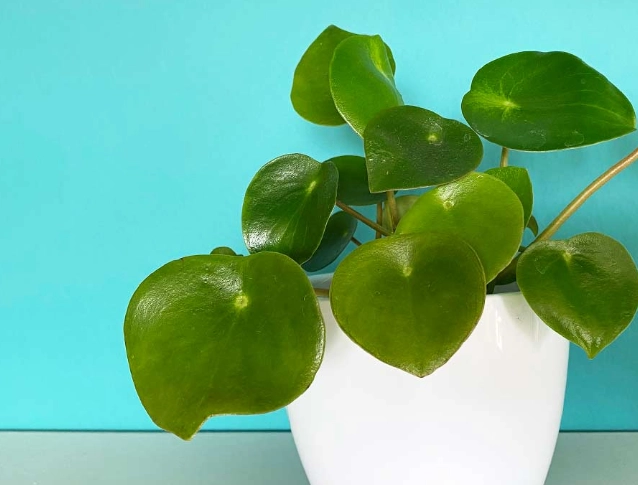
Here’s a quick reference table for watering frequency based on season. Remember, this is a guideline, not a strict schedule!
| Season | Light Conditions | Approximate Watering Frequency | What to Watch For |
|---|---|---|---|
| Spring/Summer | Bright, indirect light | Every 10-14 days | Top 2 inches of soil dry. |
| Spring/Summer | Medium to low light | Every 14-21 days | Soil completely dry, leaves slightly less firm. |
| Fall/Winter | Lower light, cooler temps | Every 3-4 weeks or longer | Soil should be dry for a while before watering. |
Soil and Potting: Building the Right Foundation
You can have perfect light and water habits, but if your plant is sitting in dense, moisture-retentive soil, it's still in trouble. Your Peperomia polybotrya needs a loose, airy, and fast-draining mix.
A Simple DIY Mix: A 50/50 blend of a standard indoor potting mix and perlite works wonders. The perlite creates air pockets and prevents compaction. Some people add a handful of orchid bark for extra chunkiness, mimicking its natural habitat even more.
Pot Choice: Always use a pot with drainage holes. Terracotta pots are excellent for beginners because they are porous and help wick away excess moisture from the soil, reducing the risk of overwatering. Plastic or ceramic pots are fine too, just be a bit more careful with your watering.
Repotting is rarely needed. These plants have relatively small root systems and actually like being a bit snug in their pots. I repot mine only every 2-3 years, or when I see roots peeking out of the drainage holes. When you do repot, only go up one pot size (e.g., from a 4-inch to a 5-inch pot).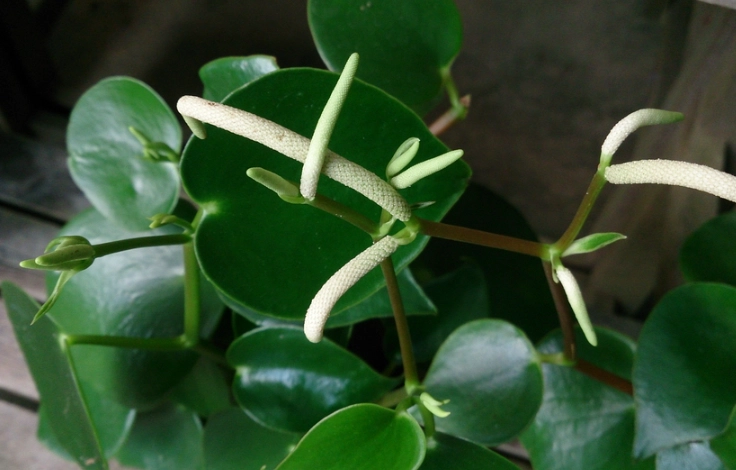
Temperature and Humidity: Comfort is Key
Your home's normal conditions are probably just fine. Aim for temperatures between 65°F and 80°F (18°C - 27°C). Avoid cold drafts from windows or doors in winter, and keep it away from hot air vents.
Humidity is where people get anxious. Yes, it's a tropical plant. Yes, it appreciates humidity. But no, you don't need a humidifier blasting 24/7. Average household humidity (30-50%) is often sufficient.
If your air is very dry (you see static shocks, or your own skin is parched), you can boost humidity easily:
- Group it with other plants. They create a little microclimate.
- Place the pot on a pebble tray filled with water (ensure the pot sits on the pebbles, not in the water).
- Give it an occasional light misting, but don't rely on this as the sole method, and do it in the morning so leaves dry by night.
Honestly, my raindrop peperomia sits at about 40% humidity and does great. Brown, crispy leaf tips can be a sign of low humidity, but they can also be from underwatering or fluoride in tap water. It's a process of elimination.
Feeding: A Light Snack, Not a Feast
These aren't heavy feeders. During the active growing season (spring and summer), feed it once a month with a balanced, liquid houseplant fertilizer diluted to half the recommended strength. In fall and winter, stop fertilizing altogether. The plant is resting.
Over-fertilizing can cause salt buildup in the soil, which damages the roots and shows up as brown tips or edges on the leaves. When in doubt, fertilize less.
Common Problems and How to Fix Them (The Troubleshooting Guide)
Even with great care, things can happen. Here’s how to decode what your raindrop peperomia is telling you.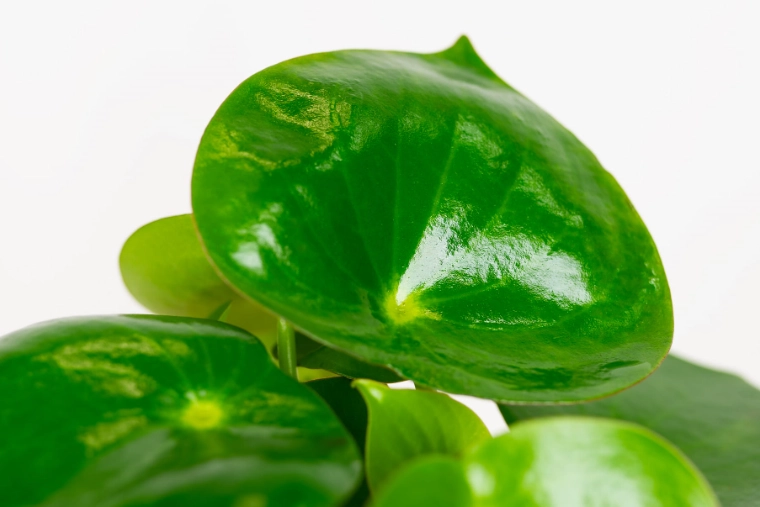
Yellowing Leaves
Likely Cause: Overwatering. This is the number one issue. The leaves turn a sickly yellow, often starting from the bottom, and feel soft or mushy.
Fix: Stop watering immediately. Check the roots. If they are brown and mushy (root rot), you'll need to cut away the rotten parts, repot in fresh, dry soil, and hope for the best. Prevention is key—always check the soil first.
Drooping or Wilted Leaves
Confusing, right? This can be BOTH overwatering AND underwatering. You have to feel the soil and the leaf.
- If the soil is soggy and the leaf is soft/mushy → Overwatering.
- If the soil is bone dry and the leaf is thin/wrinkly → Underwatering.
Fix: Adjust your watering based on the diagnosis. An underwatered plant will perk up within hours of a good drink. An overwatered one will take longer, if it recovers at all.
Brown, Crispy Leaf Edges or Tips
Possible Causes: A trio of usual suspects.
1. Low Humidity: Most common in winter with heating on.
2. Tap Water: Chemicals like fluoride or chlorine can build up. Try using filtered, distilled, or rainwater.
3. Over-fertilizing: Salt buildup from too much fertilizer.
Fix: Trim off the crispy bits with clean scissors for aesthetics. Increase humidity, switch your water source, and flush the soil with plain water a few times if you suspect fertilizer salts.
Leggy Growth (Long Stems with Few Leaves)
Likely Cause: Not enough light. The plant is stretching out, trying to find a brighter spot.
Fix: Move it to a brighter location. You can also prune back the leggy stems to encourage bushier growth from the base.
How to Propagate Your Raindrop Peperomia: Make More Plant Babies!
This is the fun part! Propagating a raindrop peperomia is straightforward and has a high success rate. You can do it in water or soil.
Water Propagation (The Visual Method)
- Using a clean, sharp knife or scissors, cut a healthy stem with at least one or two leaves. Make the cut just below a leaf node (the little bump on the stem).
- Remove any leaves that would be submerged in water.
- Place the cutting in a small jar or glass of water. Only the stem should be in the water.
- Put it in a spot with bright, indirect light. Change the water every few days to keep it fresh.
- In 2-6 weeks, you should see white roots sprouting from the node. Once the roots are an inch or two long, you can pot it up in soil.
Soil Propagation (The Direct Method)
- Take a stem cutting as described above.
- Let the cut end callous over for a few hours. This helps prevent rot.
- Dip the end in rooting hormone powder (optional, but can speed things up).
- Plant the cutting directly into a small pot filled with a moist, well-draining potting mix.
- Cover the pot loosely with a plastic bag to create a mini greenhouse and maintain humidity. Place in bright, indirect light.
- Keep the soil lightly moist (not wet). In a few weeks, gently tug on the cutting. If you feel resistance, roots have formed!
You can also propagate from a single leaf, though it's slower. Cut a healthy leaf with a bit of stem (a petiole) and follow the soil method. A new tiny plantlet will eventually grow from the base of the leaf.
Frequently Asked Questions About Raindrop Peperomia
Final Thoughts: Keeping It Simple
At the end of the day, the raindrop peperomia is a forgiving and delightful plant. It asks for very little: a bright spot out of harsh sun, a drink only when its soil is dry, and a pot that doesn't hold onto water. Forget the complicated schedules and just pay a little attention. Poke the soil. Look at the leaves. It will tell you what it needs.
My biggest piece of advice? Don't over-love it with too much water. Neglect is better than over-care with this one. If you're going on vacation for two weeks, it will probably be perfectly fine when you get back. That's the kind of easy-going friend it is.
So go enjoy your shiny-leafed companion.
Don't stress.
With the basics covered here, you're more than equipped to help your Peperomia polybotrya live its best life. Happy growing!
Comments