What You'll Learn in This Guide
You've probably heard that the right potting mix is crucial for your houseplants. But what exactly goes into a good mix, and how do you choose the right one for each plant? After years of trial and error, I've found that most beginners make the same critical mistake: they treat potting mix as a one-size-fits-all solution. In reality, using the wrong mix can do more harm than good, leading to issues like root rot and nutrient lockout.
Let's dive into the world of houseplant potting mix and uncover the secrets that most guides won't tell you.
What is Houseplant Potting Mix?
At its core, a houseplant potting mix is a soilless blend designed to provide optimal aeration, drainage, and moisture retention for container-grown plants. It's not just dirt in a bag; it's a carefully engineered medium that supports root health and nutrient delivery. The biggest misconception is that all potting mixes are created equal. They're not. A mix for a cactus will kill a fern, and vice versa.
How to Choose the Right Potting Mix for Your Plants
Choosing the right mix starts with understanding your plant's needs. Here's a simple breakdown:
The Three Key Components
Every potting mix has three main components:
- Base Material: This provides structure and holds nutrients. Common ones are peat moss, coconut coir, and compost.
- Aeration Material: This ensures roots don't suffocate. Think perlite, vermiculite, or pumice.
- Nutrient Source: Often added as fertilizer or slow-release pellets.
Most commercial mixes are too heavy on peat moss, which retains too much water for many common houseplants. A better approach is to look for mixes that list these components clearly.
Common Mistakes and How to Avoid Them
I've seen countless plants die because of one mistake: overwatering due to poor drainage. And the culprit is often the potting mix. Here are the subtle errors that most beginners miss:
Mistake #1: Using Garden Soil for Houseplants
Garden soil is a death sentence for indoor plants. It's too dense, compacts in containers, and harbors pests and diseases. Never, ever use it. Instead, opt for a soilless mix.
Mistake #2: Ignoring the pH Level
Most potting mixes are pH balanced, but if you're making your own or using a specific type (like for acid-loving plants like azaleas), you need to check the pH. A slightly off pH can lock out nutrients, causing deficiencies even if you're fertilizing regularly. I always keep a cheap pH meter on hand to test new mixes.
How to Make Your Own Potting Mix
Making your own potting mix is easier than you think, and it gives you complete control. Here's my go-to recipe that has worked for 90% of my common houseplants:
- Base: 2 parts peat moss or coconut coir (for sustainability)
- Aeration: 1 part perlite or pumice
- Nutrients: 1 part compost or worm castings (for organic matter)
Yes, you can buy pre-made mixes, but they often contain slow-release fertilizers that can burn sensitive roots. By making your own, you can adjust the nutrient levels based on your plant's stage.
A Specific Scenario: Succulents in Low Light
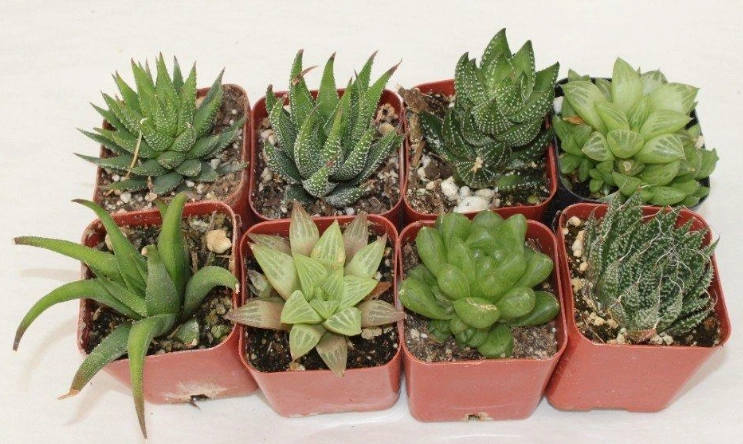
Let's talk about a specific case: succulents in low light. Most commercial succulent mixes are too moisture-retentive for low light conditions. The soil stays wet longer, increasing the risk of root rot. My fix? I add an extra 30% by volume of pumice or perlite to the standard mix to drastically improve drainage. It's a non-consensus view because many believe succulents need less water, but in low light, they actually need better-draining soil to compensate for reduced evaporation.

Comments