Quick Navigation
- Getting to Know Your Snake Plant: It's Not a Cactus
- The Absolute Basics of Snake Plant Care (The Non-Negotiables)
- Beyond the Basics: Advanced Care for a Happier Plant
- Snake Plant Troubleshooting: What's Wrong With My Plant?
- Propagation: Making More Snake Plants (For Free!)
- Popular Snake Plant Varieties and Their Slight Quirks
- Common Questions About Snake Plant Care (Answered)
- Putting It All Together: A Simple Monthly Checklist
Let's be honest. You probably got a snake plant because someone told you it's impossible to kill. "Just forget about it!" they said. Well, I've seen enough sad, mushy, or completely dried-out Sansevierias to know that's only half true. The real secret to snake plant care isn't neglect—it's understanding what "forgetting about it" actually means for this particular plant.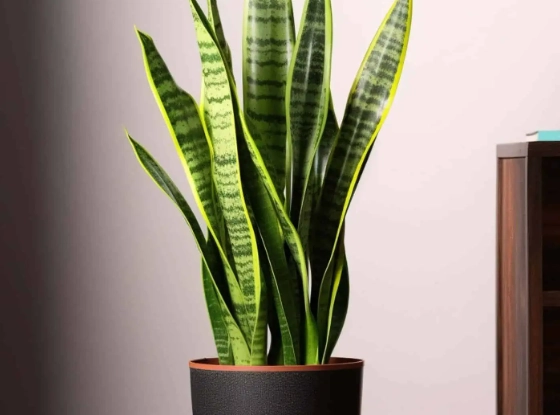
I've killed my share, too. My first one drowned in my over-enthusiastic care. Turns out, loving a plant to death is a real thing. So, let's walk through what these architectural beauties really need, beyond the myths. Whether you call it a snake plant, mother-in-law's tongue, or by its proper name, Sansevieria trifasciata, the principles are the same. This guide is the deep dive I wish I had when I started.
Getting to Know Your Snake Plant: It's Not a Cactus
First things first. A snake plant is a succulent. That word gets thrown around a lot, but here it means the leaves are thick and fleshy, designed to store water. It hails from West Africa, from rocky, arid regions. This origin story is the key to everything. It's built for survival in tough conditions, which is why it's so forgiving when we get busy with life.
But here's a common misconception: it's not a desert cactus. Its native habitat has periods of drought, but also periods of rain. This is crucial for understanding its watering needs later. The USDA plant database lists Sansevieria trifasciata as an introduced species in some places, highlighting its hardy, adaptable nature. That hardiness is why it's a superstar indoors.
The Absolute Basics of Snake Plant Care (The Non-Negotiables)
If you take away only three things from this guide, let it be these. Get these wrong, and no amount of fertilizer or fancy pots will help.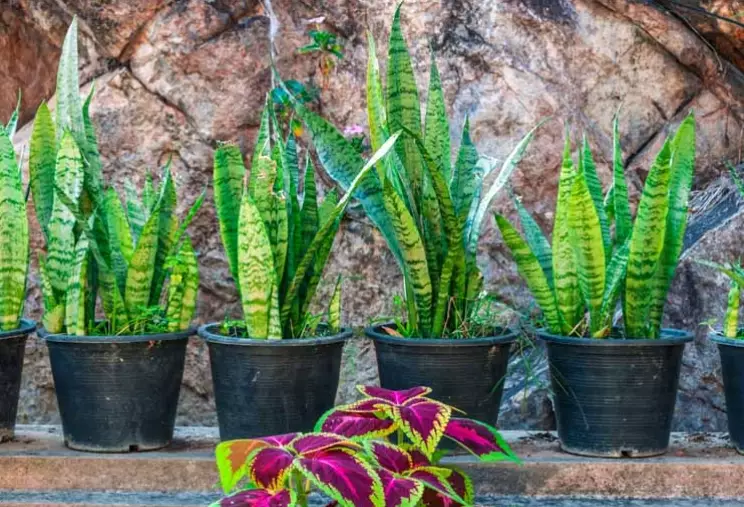
Watering: The Number One Killer
You've heard it before: don't overwater. But what does that actually look like? For a snake plant, watering is a seasonal, sensory activity.
The Golden Rule: Water only when the soil is completely dry. Not just the top inch. I mean all the way through the pot. Stick your finger deep into the soil. If you feel any moisture or coolness at your fingertip, wait. For larger pots, a wooden chopstick or a moisture meter is your best friend. If it comes out clean, it's time.
How to Water: When you do water, do it thoroughly. Take the plant to the sink (if it's not too heavy) and drench the soil until water runs freely out of the drainage holes. This ensures the entire root ball gets moisture. Then, let it drain completely. Never let the plant sit in a saucer of water. That's a one-way ticket to root rot city.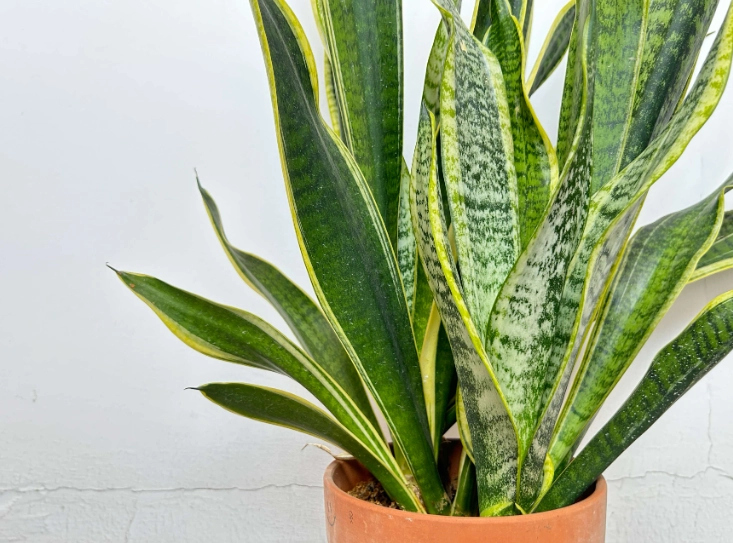
Seriously, underwatering is a much smaller risk than overwatering.
Light: Low Light Doesn't Mean No Light
Another myth: snake plants love dark corners. They tolerate low light. They don't thrive in it. In deep shade, growth will stall to almost nothing, and the vibrant leaf variegation on varieties like ‘Laurentii' or ‘Moonshine' will fade.
Ideal Light: Bright, indirect light is the sweet spot. Think near an east-facing window, or a few feet back from a south or west window. Some morning or late afternoon direct sun is usually fine, but harsh, hot midday sun can scorch the leaves, leaving bleached, crispy patches.
I have one in a north-facing bathroom with a frosted window. It's alive, but it hasn't produced a new leaf in two years. It's just… existing. The one by my bright living room window, however, pushes out new shoots constantly. Light is energy.
Soil and Potting: The Foundation Matters
Snake plants need fast-draining soil. Standard, moisture-retentive potting mix is a death sentence. You need a mix that mimics their native gritty soil.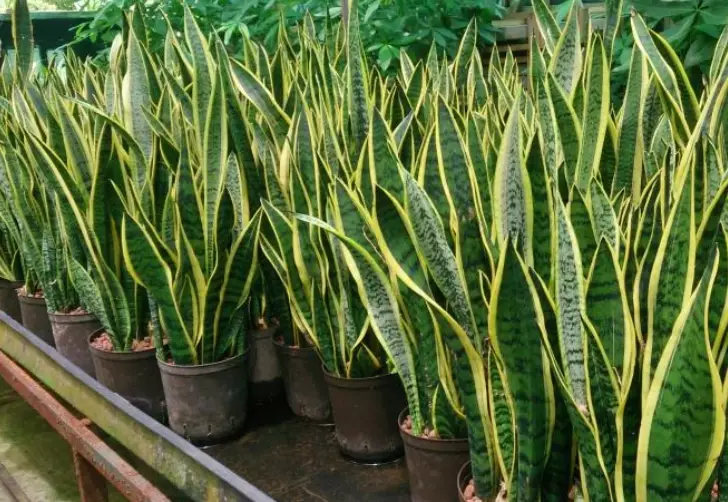
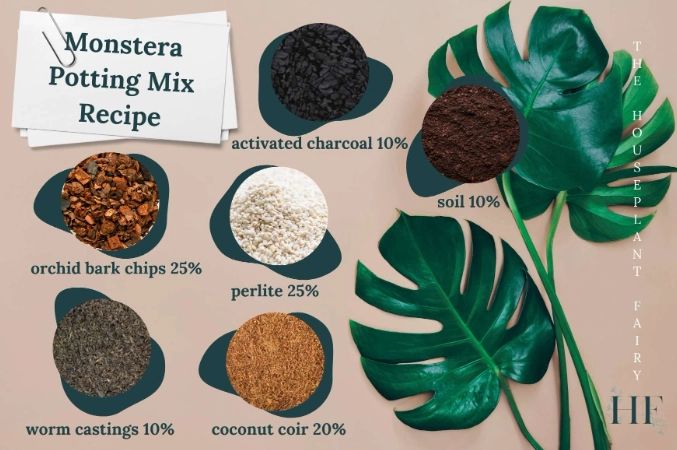
Simple DIY Mix: 2 parts regular potting soil, 1 part perlite or pumice, and 1 part coarse sand or orchid bark. This creates a chunky, airy mix where water flows through quickly, and roots get oxygen. Pre-mixed succulent & cactus soil from the store works too, but I often add extra perlite to it for good measure.
Pot Choice: Always, always use a pot with drainage holes. Terracotta pots are fantastic for snake plants because they're porous, allowing the soil to dry out even faster from the sides. Plastic or ceramic pots are fine too, just be extra vigilant about checking soil moisture before watering.
Repotting is rarely needed. These plants actually like being slightly root-bound. You might only need to repot every 3-5 years, or when you see roots literally pushing the plant out of the pot or cracking a plastic container.
Beyond the Basics: Advanced Care for a Happier Plant
Once you've mastered the survival trifecta (water, light, soil), you can focus on helping your snake plant not just live, but flourish.
Temperature and Humidity
This is the easy part. Your home is probably perfect. They prefer temperatures between 60-85°F (15-29°C). Avoid drafts, both cold (like by a drafty window in winter) and hot (like by a heating vent).
Humidity? They don't care. Average household humidity is absolutely fine. You don't need to mist it. In fact, misting can encourage fungal issues on the leaves. Another chore crossed off the list.
Feeding (Fertilizing)
Snake plants aren't heavy feeders. In fact, over-fertilizing can cause weak, floppy growth and even burn the roots.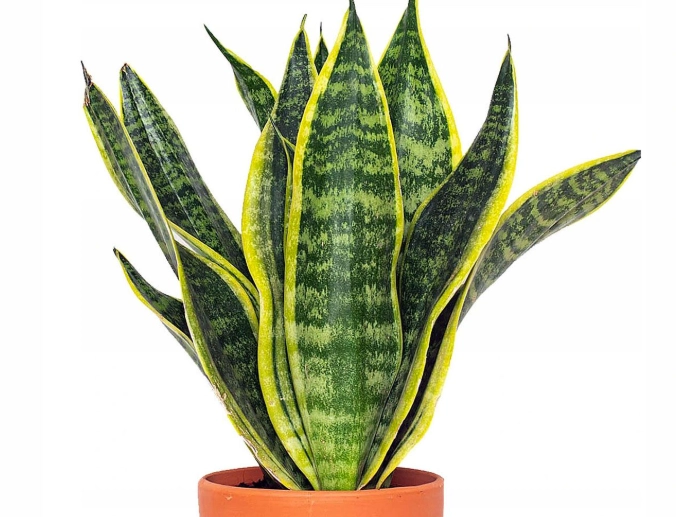
My Routine: I use a balanced, general-purpose liquid houseplant fertilizer (like a 10-10-10 or 20-20-20), but I dilute it to half the strength recommended on the bottle. I feed only during the active growing season (spring and summer), and only once, maybe twice total. I don't feed at all in fall and winter. Some people swear by a single feeding in early spring, and that's plenty. Less is more.
Cleaning the Leaves
Those tall leaves are dust magnets. A layer of dust blocks light, which is the plant's food source. Every month or two, wipe the leaves down with a damp, soft cloth. Support the leaf from the back with your hand as you wipe to avoid snapping it. You'll be amazed at how much greener and shinier it looks afterward. It's like giving your plant a pair of glasses.
Snake Plant Troubleshooting: What's Wrong With My Plant?
This is where most care guides stop. But the real questions start when things go wrong. Let's diagnose the common issues.
| Symptom | Likely Cause | How to Fix It |
|---|---|---|
| Soft, mushy leaves at the base | Root rot from overwatering. This is the big one. | Stop watering immediately. Remove plant from pot, cut away all black, mushy roots and affected leaves. Repot in fresh, dry, well-draining soil. Don't water for at least a week after repotting. Cross your fingers. |
| Wrinkled, crispy, or curling leaves | Severe underwatering or extreme low humidity. The plant is using its stored water. | Give it a thorough soak. If the soil has become hydrophobic (water runs right through), soak the entire pot in a basin of water for 30-45 minutes to rehydrate the root ball. |
| Yellowing leaves | Usually overwatering, but can also be poor drainage, or natural aging of outer leaves. | Check your watering habits and soil drainage first. If it's just one old, outer leaf turning yellow slowly, it's probably just the plant shedding it. Snip it off at the soil line. |
| Brown tips or edges on leaves | Often low humidity, fluoride/chlorine in tap water, or salt/mineral buildup from fertilizer. | Use filtered or distilled water, or let tap water sit out overnight before using. Flush the soil with plenty of water every few months to rinse out salts. You can trim the brown tips off with clean scissors, following the leaf's natural shape. |
| Leaves falling over or drooping | Overwatering (causing weak roots), lack of light (causing weak growth), or physical damage. | Assess light and water. Staking a floppy leaf rarely works. It's often better to propagate the healthy top part of the leaf. |
| No new growth | Not enough light, dormant season (winter), or the plant is severely root-bound. | Move to a brighter location. Be patient in winter. If pot-bound, consider repotting in spring. |
Propagation: Making More Snake Plants (For Free!)
One of the joys of snake plant care is how easy they are to propagate. You can share them with friends or fill your own home. There are two main ways, and they have interesting quirks.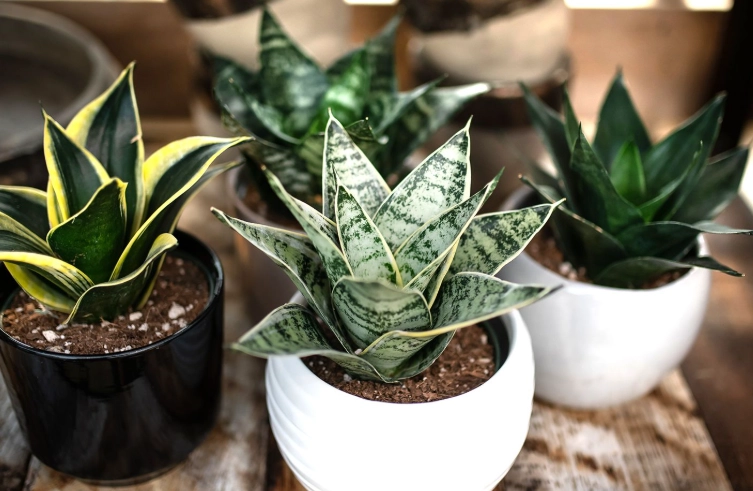
Division (The Surefire Method)
This works for plants that have produced "pups" or offshoots—new plants growing from the soil next to the mother.
- During repotting, gently separate the pup from the main plant. You might need to cut through connecting roots with a clean, sharp knife.
- Ensure the pup has its own roots attached.
- Pot it up in its own container with fresh succulent mix. Water lightly and care for it as normal.
This is the fastest way to get a new, full-sized plant, and it will be a perfect clone of the mother, preserving any variegation.
Leaf Cuttings (The Fun Experiment)
You can cut a healthy leaf into several horizontal sections and root them in water or soil.
- Cut a leaf into 3-4 inch sections. Mark which end was the bottom (closest to the soil)—this is crucial, as cuttings won't root if planted upside down.
- Let the cuttings callous over for a day or two to prevent rot.
- Stick the bottom end into moist succulent mix or place in water.
- Wait patiently. Roots and a new shoot (a rhizome) can take several weeks to months to appear.
Popular Snake Plant Varieties and Their Slight Quirks
Not all snake plants are the same tall, green-and-yellow spikes. The genus Sansevieria is surprisingly diverse. The core principles of snake plant care apply to all, but some have specific notes.
- Sansevieria trifasciata ‘Laurentii’: The classic. Yellow vertical margins. The poster child for snake plants. Care is standard.
- Sansevieria ‘Moonshine’: Wide, silvery-gray-green leaves. Stunning. Can be slightly more susceptible to overwatering due to its thicker leaves, so err on the dry side. The color shows best in bright, indirect light.
- Sansevieria cylindrica (Cylindrical Snake Plant): Round, spear-like leaves. Often braided. Care is identical, but it's even more drought-tolerant. Water very sparingly.
- Sansevieria ‘Hahnii’ (Bird's Nest Snake Plant): A short, rosette-forming variety. Great for small spaces. It's more prone to crown rot if water sits in the center of the rosette, so water the soil, not the plant.
- Sansevieria ‘Whitney’ / ‘Silver Queen’: Highly variegated, almost silvery-white. Needs brighter light to maintain its stunning color and to photosynthesize effectively with less green chlorophyll.
Common Questions About Snake Plant Care (Answered)
Putting It All Together: A Simple Monthly Checklist
Feeling overwhelmed? Don't be. Caring for a snake plant boils down to a few simple checks. Here's a loose routine:
- Weekly: Glance at it. Do the leaves look firm and upright? Good. Move on.
- Every 2-4 Weeks (or more in winter): Do the finger test. Is the soil bone-dry? If yes, water thoroughly. If not, walk away.
- Monthly: Wipe the leaves with a damp cloth if they're dusty.
- Seasonally (Spring/Summer): Consider a half-strength fertilizer feed, once or twice.
- Yearly: In spring, check if it needs repotting. Otherwise, just admire it.
The goal of proper snake plant care isn't to create more work; it's to create less. It's about understanding its language—firm leaves, dry soil, slow growth—and responding appropriately. It's a plant that rewards patience and punishes overzealousness. Give it the right foundation (light and soil), master the art of neglectful watering, and you'll have a striking, architectural plant that cleans your air and asks for almost nothing in return for years to come.
And if you do mess up? Don't beat yourself up. They're tough. I've brought a few back from the brink. Just adjust, learn, and try again. That's the real secret to being a good plant parent.
Comments