In This Guide
Let's be honest. You probably saw a picture of one of those gorgeous, glossy-leaved giants in a beautifully lit corner of someone's apartment and thought, "I need that." The rubber tree plant, or Ficus elastica if we're being formal, has that effect on people. It's all dramatic, dark green (or burgundy, or variegated) leaves and an architectural shape that screams "I have my life together." But then the doubts creep in. Can I actually keep this thing alive? Isn't it finicky? I'm here to tell you, from one plant parent to another, that it's way easier than its majestic appearance suggests. I've killed my share of plants, but my rubber tree? It's been a trooper.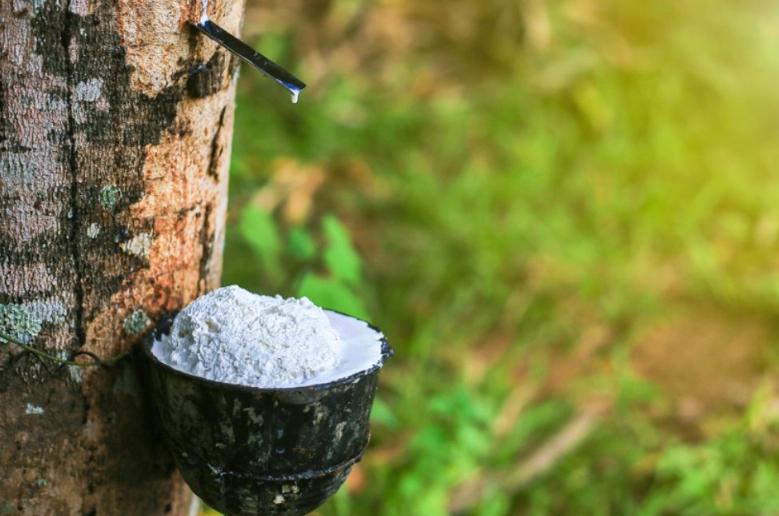
This isn't just another generic care sheet. We're going to dig into the real stuff—the kind of tips you learn after accidentally overwatering your first one (guilty) or panicking when it drops a few leaves (also guilty). Whether you're a new plant owner or looking to finally understand your existing rubber tree's moods, this guide is for you. We'll cover everything from picking the right spot in your home to dealing with those pesky little problems that pop up. Think of it as a conversation with a friend who's been there, made the mistakes, and wants your rubber plant to thrive, not just survive.
Getting to Know Your New Leafy Friend
Before we talk about water and light, let's understand what we're dealing with. The rubber tree isn't just a pretty face. In its native habitats across South Asia, these plants are massive, reaching for the canopy. The "rubber" part of its name comes from the milky, latex-rich sap it produces. While it's not a major commercial source of rubber today (that's mostly the Pará rubber tree, Hevea brasiliensis), it's a fascinating bit of trivia. That sap is also why you should keep it away from curious pets—it can be irritating.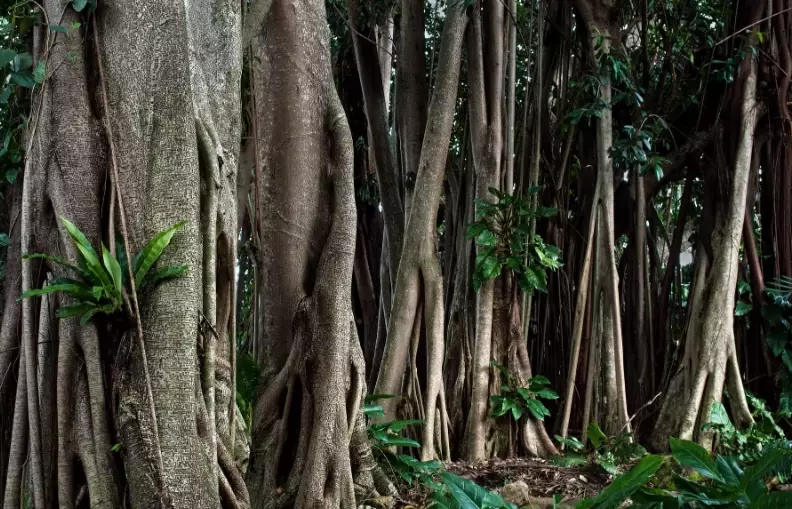
What makes it such a fantastic houseplant is its adaptability. It's a member of the Ficus family, which includes the fiddle leaf fig (a much more demanding cousin, in my opinion). The rubber plant, however, is relatively forgiving. It communicates its needs clearly. Leaves drooping? Probably thirsty. Leaves turning yellow and falling? Ease up on the water, friend. It's a plant that teaches you to pay attention.
Popular Rubber Tree Varieties You'll Actually Find
You're not limited to just the classic green. Breeders have created some stunning varieties, each with its own personality. Here’s a quick look at the most common ones you'll encounter at nurseries or online shops.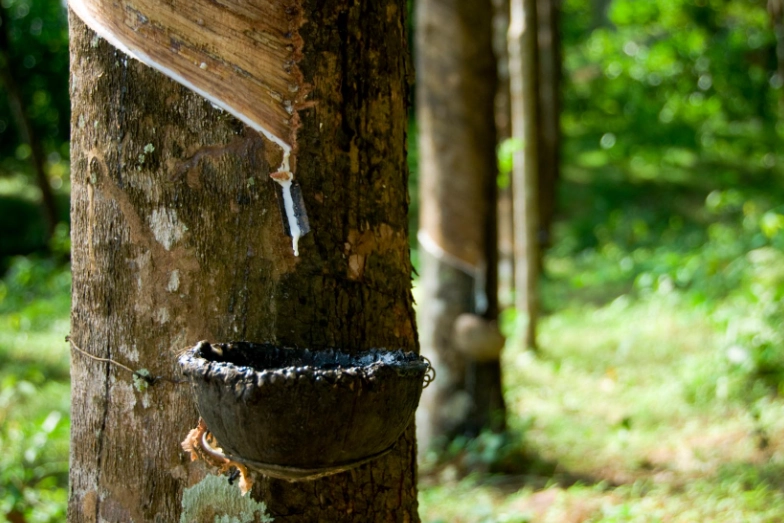
| Variety Name | Key Features | Light Needs & Care Notes |
|---|---|---|
| Ficus elastica 'Decora' | The classic. Large, broad, glossy dark green leaves with a prominent central vein that's often reddish underneath. | Very adaptable. Tolerates lower light better than variegated types but thrives in bright, indirect light. |
| Ficus elastica 'Burgundy' | Deep, almost blackish-green leaves that emerge a striking shade of red. The new growth is a real showstopper. | Similar to 'Decora'. The darker leaves can handle slightly less light, but bright light intensifies the red hues. |
| Ficus elastica 'Tineke' | A gorgeous variegated form with patches of cream, white, and gray-green on a background of dark green. | Needs more bright, indirect light to maintain its variegation. In low light, it may revert to greener leaves. |
| Ficus elastica 'Ruby' | Like 'Tineke' but with stunning pink and cream variegation mixed with green. The new leaves are particularly pink. | The highest light demand of the bunch. Ample bright light is crucial to keep those pink tones vibrant. |
| Ficus elastica 'Doescheri' | An older, elegant variegated variety with elongated leaves marked with gray-green, cream, and white. | Another high-light lover. Appreciates consistent moisture and humidity to look its best. |
My personal favorite is the 'Tineke'. The variegation is just so elegant. But a word of warning: I found my 'Tineke' to be a slightly slower grower than my solid green one, and it definitely threw a fit when I initially had it in a spot that was a bit too dim. The pink on the 'Ruby' is stunning, but it can fade if the light isn't perfect. For a beginner, you really can't go wrong with the classic 'Decora' or 'Burgundy'. They're the workhorses of the rubber tree world.
The Real Deal on Rubber Tree Care (No Fluff)
Okay, let's get into the nitty-gritty. This is where most guides just list rules. I want to explain the why behind the rules, so you can adapt them to your own home.
Light: It's Not as Complicated as You Think
Bright, indirect light. You've heard it a million times. But what does that actually look like? It means a spot where the sun never directly beams onto the leaves (that can scorch them, leaving ugly brown patches), but the room is generally bright all day. A few feet back from a south or west-facing window is golden. An east-facing window is often perfect.
Can a rubber tree survive in lower light? Surprisingly, yes, especially the darker-leaved varieties. But "survive" is the key word. It will grow very, very slowly, and the leaves will be spaced farther apart on the stem, leading to a leggy, less full plant. It's also more susceptible to overwatering in low light because it uses water much more slowly.
Variegated types like 'Tineke' and 'Ruby' are divas about light. Less light means less variegation. The plant, in its wisdom, will start producing more green chlorophyll to make up for the lack of light, and you'll end up with a mostly green plant. If you see a mostly green shoot coming out of your variegated rubber tree, you can prune it off to encourage the variegated growth.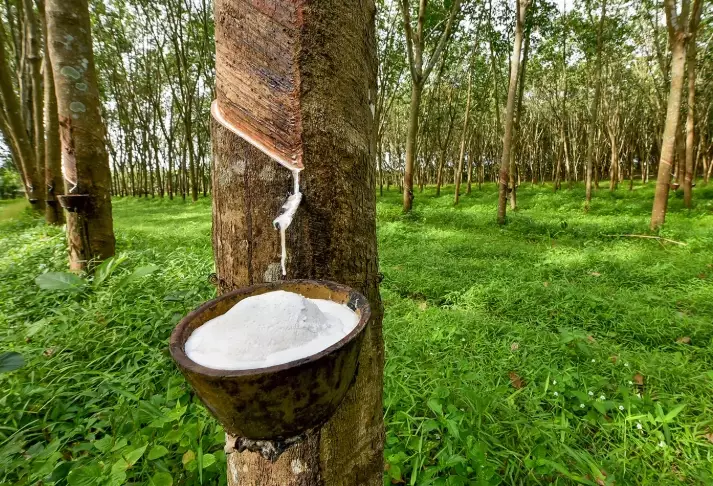
Watering: The Number One Killer (And How to Avoid It)
This is the big one. Overwatering is the fastest way to send your rubber tree to the compost heap. Their roots need to breathe, and sitting in soggy soil leads to root rot—a nasty, often fatal condition.
Forget watering on a schedule ("every Tuesday"). Your home's humidity, temperature, light, and even the pot material affect how fast the soil dries. Instead, check the soil.
Here's my foolproof method: Stick your finger about 2 inches into the soil. If it feels dry at that depth, it's time to water. If it still feels cool and slightly damp, wait. For larger plants in bigger pots, you might need to check deeper, or even use a moisture meter (a cheap tool that takes the guesswork out).
When you do water, do it thoroughly. Take the plant to the sink (or use a watering can without a rose) and pour water evenly over the soil until it runs freely out of the drainage holes. This ensures the entire root ball gets hydrated. Let it drain completely before putting it back in its decorative pot. Never let it sit in a saucer of water.
Underwatering is less common but easier to fix. The plant will tell you with drooping, limp leaves. The soil will be bone dry. A good soak usually perks it right back up within hours.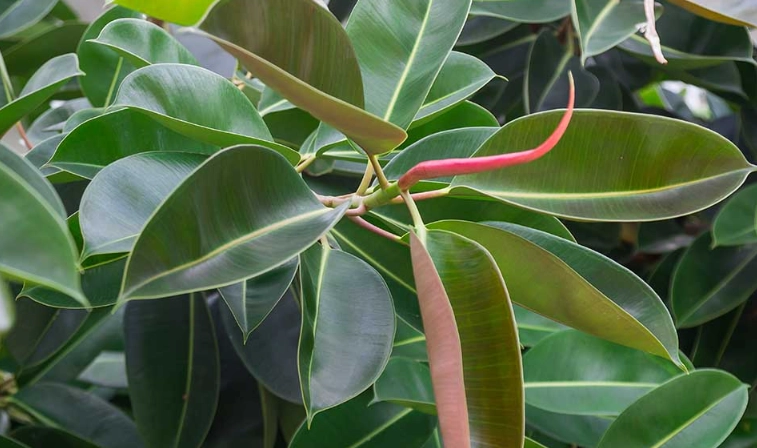
Soil and Potting: Giving the Roots a Good Home
Your rubber tree wants a soil mix that is well-aerated and drains quickly, but still retains some moisture. A standard, cheap potting soil straight from the bag is often too dense and holds too much water.
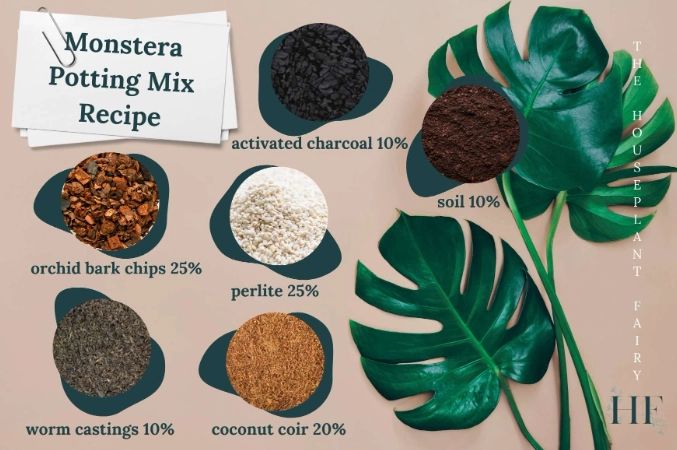
I make my own simple mix: two parts of a good quality all-purpose potting soil, one part perlite, and one part orchid bark (or coco coir). The perlite and bark create air pockets, preventing compaction. You can also find pre-mixed "jungle mix" or "ficus soil" at some garden centers.
Repotting is only needed every 2-3 years, or when you see roots circling the bottom of the pot or growing out of the drainage holes. Spring or early summer is the best time. Only go up one pot size (about 2 inches wider in diameter). A pot that's too big holds too much wet soil around the small root ball, inviting rot. And always, always use a pot with drainage holes. I don't care how cute the pot without holes is; it's a death sentence for your plant.
Humidity and Temperature: The Comfort Zone
Rubber trees appreciate average to high humidity (above 40%), but they are more tolerant of dry air than many other tropical plants. You might see some brown, crispy edges on the leaves in very dry, heated winter air. To boost humidity, you can:
- Group it with other plants (they create a mini-humid microclimate).
- Use a pebble tray (a tray filled with water and pebbles, with the pot sitting on top of the pebbles, not in the water).
- Run a humidifier nearby. This is what I do in winter, and my plants (and my skin) thank me for it.
Misting? It's a controversial topic. A quick spritz provides a momentary humidity boost but does little long-term. If you do mist, do it in the morning so the leaves dry by evening, as wet leaves overnight can encourage fungal diseases. I rarely bother with mine.
Temperature-wise, keep it in a range you find comfortable—between 60°F and 80°F (15°C - 27°C). Avoid cold drafts from doors or windows in winter, and keep it away from hot air vents or radiators, which blast dry air.
Shaping, Pruning, and Propagating: Playing Plant Barber
One of the best things about a rubber tree plant is that you can control its shape. Don't want a tall, single stem? You can make it branch out. Want to make more plants from the one you have? It's surprisingly simple.
How to Prune for a Bushier Plant
Rubber trees have a strong apical dominance, meaning they want to grow one main stem straight up. To encourage branching, you need to remove the top growing tip. This signals the plant to send out new growth from the nodes (the little bumps on the stem) further down.
Use clean, sharp pruning shears or a knife. Cut just above a leaf node. You'll see the milky sap ooze out—this is normal. You can dab it with a paper towel. Within a few weeks, you should see one or two new shoots forming near the cut. You can do this at any time during the growing season (spring/summer).
I pruned my lanky rubber tree last spring, and it now has two strong branches, making it look much fuller. It was nerve-wracking to make that first cut, but it worked like a charm.
Propagation: Making Plant Babies
Don't throw away those cuttings! You can easily propagate a new rubber tree. There are two main methods:
- Stem Cuttings in Water: This is the easiest for beginners. Take a cutting with at least 2-3 nodes, remove the bottom leaves, and place it in a jar of water. Change the water every few days. Put it in a bright spot. In a month or so, you'll see white roots forming. Wait until they're a couple of inches long before potting in soil.
- Stem Cuttings in Soil: You can also plant the cutting directly into a moist, well-draining potting mix. To increase success, you can dip the cut end in rooting hormone powder first. Cover the pot with a plastic bag to create a humid environment (like a mini greenhouse) until you see new growth, which indicates roots have formed.
Air layering is a more advanced technique for propagating a large branch without cutting it off first. It's great if you're nervous about a big chop. The Missouri Botanical Garden, a fantastic resource for plant info, has a detailed visual guide on air layering that applies well to rubber trees.
Troubleshooting: What's Wrong With My Rubber Tree?
Even with perfect care, things can go sideways. Here’s a decoder ring for common rubber plant problems.
- Yellowing Leaves: Usually overwatering. Check the soil. Could also be a natural process of shedding old lower leaves if it's just one at a time.
- Brown, Crispy Leaf Edges: Low humidity or underwatering. Could also be from too much direct sun (scorch) or a buildup of salts/chemicals from tap water. Try using filtered or rainwater.
- Dropping Leaves: A sudden change in environment (moving it, a draft, repotting shock) can cause leaf drop. Rubber trees hate change. It can also be a sign of overwatering or extreme underwatering. Give it stable conditions and it should adjust.
- No New Growth: Likely not enough light, or it's dormant in winter. Also, check if it's root-bound and needs a bigger pot.
- Pests: Keep an eye out for mealybugs (look like tiny bits of white cotton), spider mites (fine webbing, stippled leaves), and scale (brown bumps on stems/leaves). Wipe leaves with a damp cloth regularly to deter them. For infestations, insecticidal soap or neem oil are good first treatments. The University of California's Integrated Pest Management program has excellent, science-based advice on managing houseplant pests.
Rubber Tree FAQs: Your Questions, Answered
Wrapping It Up: You've Got This
So there you have it. The rubber tree plant isn't a mysterious, fragile ornament. It's a resilient, communicative companion that can grow with you for years, even decades. It might drop a leaf to tell you it's unhappy, but it's also quick to forgive and put out stunning new growth when you get it right.
The key is to start simple. Get a healthy plant, put it in a spot with good light, water it only when the topsoil is dry, and just enjoy it. Don't overcomplicate it. The more you fuss, the more stressed you—and the plant—will be.
Mine has seen me through several moves, a few overwatering incidents, and a bout with spider mites. It's a bit scarred, a bit lopsided from when I was less diligent with rotating it, but it's still here, pushing out glossy new leaves. That's the real joy of a rubber tree. It's not about achieving perfection; it's about the shared journey of growth. Now go give yours some love (but maybe not water—check the soil first!).
Comments