In This Guide
- Getting to Know Your Moth Orchid
- The Core of Moth Orchid Care: Light, Water, and Air
- Potting, Repotting, and the Root of the Matter
- Feeding Your Moth Orchid: Less is More
- Common Moth Orchid Varieties for Beginners
- The Bloom Cycle: Getting Flowers and What to Do After
- Troubleshooting: Reading Your Orchid’s Leaves and Roots
- Your Moth Orchid Questions, Answered
- Long-Term Care: Keeping Your Moth Orchid for Decades
So, you’ve brought home a moth orchid. It looked stunning at the store, all elegant and promising. Now it’s sitting on your shelf, and you’re staring at it, wondering if you’re about to become another statistic in the "I killed my Phalaenopsis" club. I get it. I’ve been there too. My first moth orchid was a gift, and I drowned it with love (read: water) within months. The roots turned to mush. It was a sad, soggy lesson.
But here’s the thing—moth orchids, or Phalaenopsis if you want to be fancy, aren’t the fragile divas everyone makes them out to be. They’re actually some of the most forgiving and long-blooming houseplants you can own, once you crack their simple code. The internet is full of conflicting advice, though. Ice cubes? Bright light? Repot immediately? It’s enough to make your head spin.
Let’s cut through the noise. This isn’t a sterile, textbook manual. It’s the collective wisdom from keeping these plants alive, watching them thrive (and occasionally fail), and learning what actually works in a real home, not a perfect greenhouse. We’re going to talk about everything from why your orchid’s leaves are floppy to the secret trick for getting those gorgeous blooms back year after year. No nonsense, just clear, actionable steps.
Getting to Know Your Moth Orchid
Before we dive into the how-to, let’s understand the what. The moth orchid gets its common name because its flowers, to some, resemble tropical moths in flight. The botanical name is Phalaenopsis. They’re epiphytes in the wild, which is a fancy way of saying they grow on trees, not in soil. Their roots are thick, silvery-green, and spongy—designed to grab moisture from the humid air and cling to bark.
This origin story is the single most important piece of information for keeping them happy. It explains why they hate wet feet, why they need air around their roots, and why they don’t behave like your average potted plant. Forget everything you know about watering your peace lily. The moth orchid plays by different rules.
They’ve become the poster child for houseplant orchids for good reason. Their bloom spike can last for three, four, even six months. I had a particularly stubborn one that held on for over eight months once—it just refused to quit. And with proper care, they can rebloom reliably, sometimes even twice a year. That’s the goal, right? To not just keep it alive, but to have it perform.
The Core of Moth Orchid Care: Light, Water, and Air
This is the heart of it. Get these three things right, and 90% of your problems vanish.
Light: The Secret to Those Gorgeous Blooms
Everyone says "bright, indirect light." But what does that actually mean in your living room? It’s the light you get from an east-facing window is perfect—gentle morning sun. A south or west window is great too, but you’ll need a sheer curtain to diffuse the harsh afternoon rays. A north window might be too dim, especially in winter.
Here’s a simple test: hold your hand about a foot above the leaves around noon. If the shadow it casts is soft-edged and fuzzy, you’ve got good indirect light. If the shadow is sharp and dark, the light is too direct and might scorch the leaves. No shadow at all? It’s probably too dark. A moth orchid in low light will survive, growing dark green leaves, but it will be very reluctant to send up a new flower spike.
Pro Tip: If the leaves are turning a reddish or yellowish-green, it might be getting too much light. A lush, medium-green color is what you’re aiming for.
Watering: The Biggest Make-or-Break Factor
This is where most people, including past me, go wrong. The ice cube method? I’m not a fan. It’s a gimmick that can shock the tropical roots and doesn’t provide enough water to flush the potting media. Let’s do it properly.
Water your moth orchid thoroughly and infrequently. Take it to the sink, and run lukewarm water through the potting mix for a good 30 seconds, letting it drain completely out the bottom. You want to see those roots turn from silvery-white to a vibrant green. That’s how you know they’ve had a good drink.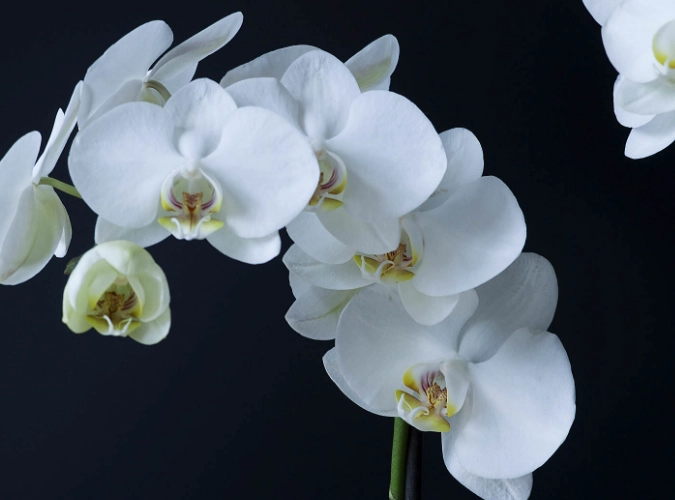
Then, let it drain. I mean, really drain. No sitting in a saucer of water. Ever. Root rot is a silent killer. How often? There’s no weekly schedule. It depends on your home’s temperature, humidity, and the potting mix. The best method is the old-fashioned finger test. Stick your finger about an inch into the mix. If it feels dry, water. If it’s still damp, wait. In most homes, this works out to about once every 7-14 days.
I used to be a compulsive waterer. Seeing a dry surface made me nervous. I killed more plants with kindness than neglect. Learning to trust the "finger test" and ignore the calendar was a game-changer for my moth orchid collection.
What about humidity? They love it. 50-70% is ideal, but most homes sit around 30-40%. Don’t stress. You can group plants together, use a humidity tray (a shallow tray with pebbles and water), or run a humidifier nearby. Misting? It’s fine for a quick boost, but it doesn’t raise humidity for long and can lead to crown rot (water sitting in the leaf joints) if you’re not careful. I rarely bother with it.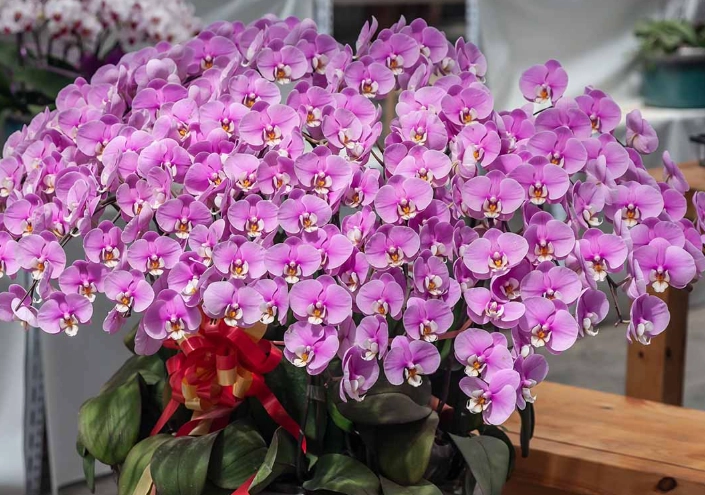
Air & Temperature: Setting the Rhythm
Good air circulation prevents fungal and bacterial issues. A gentle breeze from a ceiling fan or an open window (not a cold draft) is perfect. Stagnant, stuffy air is not their friend.
Temperature tells them when to grow and when to bloom. They like it comfortably warm during the day (70-80°F or 21-27°C) and a bit cooler at night. A drop of about 10-15 degrees at night in the fall is often the trigger they need to initiate a new flower spike. So, if your plant is healthy but hasn’t bloomed in ages, try moving it to a slightly cooler room at night for a few weeks.
Potting, Repotting, and the Root of the Matter
That clear plastic pot your orchid came in isn’t just cheap packaging. It’s brilliant. It lets light reach the roots (which aids in photosynthesis) and allows you to easily monitor root health. Don’t be in a rush to put it in a fancy ceramic pot.
When to repot a moth orchid? Every 1-2 years, or when the potting mix breaks down and becomes soggy (usually bark-based mixes decompose). Also, if the roots are so overcrowded they’re pushing the plant up and out of the pot. The best time is right after blooming, when the plant is entering a growth phase.
Don’t repot while it’s in bloom! The plant is putting all its energy into the flowers. Repotting can cause bud drop and stress it out. Patience is key.
The Potting Mix: Never, ever use regular potting soil. It suffocates the roots. You need a chunky, fast-draining mix. A classic recipe is a blend of coarse fir bark, perlite, and maybe some sphagnum moss. You can buy excellent pre-mixed orchid media from garden centers.
The repotting process is simple. Gently remove the old mix, trim away any dead, mushy, or papery roots with sterile scissors (healthy roots are firm and green/silvery), and place the plant in a new pot that’s just 1-2 inches larger. Center it and fill in with fresh mix, tapping the pot to settle it around the roots. Don’t bury the base of the leaves (the crown).
Feeding Your Moth Orchid: Less is More
Think of fertilizer as a vitamin supplement, not a meal. A weak, balanced fertilizer applied regularly is best. I use a 20-20-20 orchid fertilizer, but I dilute it to half or even a quarter of the recommended strength. I feed "weekly, weakly"—a little bit with every watering during the active growing season (spring and summer). In fall and winter, I cut back to once a month or skip it altogether if the plant is dormant.
Over-fertilizing leads to salt buildup in the potting mix, which can burn the roots. A good practice is to occasionally water thoroughly without any fertilizer to flush out those accumulated salts.
Common Moth Orchid Varieties for Beginners
Not all moth orchids are created equal. Some are tougher, some bloom more freely. If you’re starting out or have a history of struggles, picking the right variety sets you up for success. Here’s a quick look at some fantastic, readily available types.
| Variety Type | Key Characteristics | Why It's Great for Beginners |
|---|---|---|
| Standard Complex Hybrids | The classic white, pink, or spotted large-flowered types sold everywhere. | Extremely adaptable, bred for vigor and long-lasting blooms. Forgiving of minor care mistakes. |
| Harlequin / Novelty Types | Striking patterns, spots, or stripes in bold colors. | Often have thicker substance to their flowers, making them durable. Their unique look is very rewarding. |
| Miniature Phalaenopsis | Smaller plants with proportionally smaller flowers. | Take up less space, often bloom more frequently, and are charming on a windowsill. |
| Species Phalaenopsis (e.g., P. equestris) | The wild ancestors. Smaller, daintier flowers, often on branching spikes. | Can be more particular about conditions, but some, like equestris, are prolific bloomers and great for experienced beginners. |
My personal favorite for a beginner is a robust standard hybrid. They’re the workhorses of the orchid world. Once you’ve got the hang of it, then explore the more exotic harlequins or minis.
The Bloom Cycle: Getting Flowers and What to Do After
This is the payoff. A healthy moth orchid will typically send up a new flower spike from a leaf axil in late fall or winter, triggered by the cooler nights. The spike grows, develops buds, and then blooms for months.
Option 1: Cut the spike back to just above a healthy-looking "node" (one of those little triangular bumps on the spike) about an inch above the second or third node from the bottom. Sometimes, the plant will branch from that node and give you a secondary bloom within a few months. It won’t be as grand as the first, but it’s a nice bonus.
Option 2: Cut the entire spike off at the base. This directs the plant’s energy back into growing new leaves and roots, making it stronger for an even better bloom next year. This is usually the recommended route for younger plants or if the spike has turned brown and dry.
I usually go with Option 2 for the first rebloom cycle to build up the plant’s strength. After that, I might try for a secondary spike if the plant looks super vigorous.
Troubleshooting: Reading Your Orchid’s Leaves and Roots
Your moth orchid talks to you through its leaves and roots. Here’s a decoder ring.
- Wrinkled, Limp Leaves: This is usually a sign of underwatering or, more commonly, root loss from previous overwatering. If the roots are dead, they can’t take up water, so the plant dehydrates even if the potting mix is wet. Check the roots!
- Yellowing Lower Leaves: It’s normal for the oldest leaf to occasionally yellow and fall off as the plant grows new ones from the top. If multiple leaves are yellowing rapidly, think overwatering, poor drainage, or severe nutrient deficiency.
- Dark, Soft Spots on Leaves: Likely a bacterial or fungal infection, often from water sitting on the leaves in cool conditions. Increase air flow, avoid wetting the leaves, and cut out the affected area with a sterile tool.
- Roots are Brown and Mushy: Root rot from overwatering. Repot immediately, cutting away all rotten material, and use fresh, dry mix. Water very sparingly until new root growth appears.
- Roots are Shriveled and Papery: Underwatering or extreme dryness. Soak the root ball well and adjust your watering schedule.
See? It’s not so mysterious. The plant is telling you what it needs.
Your Moth Orchid Questions, Answered
Why are the buds on my moth orchid turning yellow and falling off?
This is called "bud blast," and it’s heartbreaking. Common causes are a sudden change in environment (like moving it from the store to your home), a cold draft, drastic temperature swings, underwatering, or low humidity. Ethylene gas from ripening fruit can also cause it. Once buds start dropping, you usually can’t stop it. The goal is to prevent it next time by providing stable conditions.
Can I grow a new moth orchid from a leaf?
No, you can’t. Unlike some succulents, a moth orchid leaf alone won’t produce a new plant. They propagate through two main methods: keikis and seed. A keiki (Hawaiian for "baby") is a perfect little plantlet that sometimes grows on an old flower spike or at the base of the plant. You can leave it attached until it has several roots of its own (3+ inches long), then carefully pot it up. Growing from seed is a sterile, laboratory process that takes years—not a hobbyist project.
My orchid has lots of aerial roots growing out of the pot. Is that bad?
Not at all! This is completely normal behavior for an epiphyte. Those silvery-green roots snaking through the air are just doing what they’re evolutionarily designed to do—seek moisture from the air. Don’t cut them off. You can gently guide them back toward the potting mix during your next repotting, or just let them be. They’re a sign of a happy, active plant.
Is it true I should only water my orchid with rainwater or distilled water?
It’s ideal but not strictly necessary for most people. Tap water is fine in many areas. The concern is with water that is very hard (high in minerals like calcium) or heavily treated with softeners (high in sodium). These can leave deposits on the leaves and roots and alter the pH of the potting mix over time. If your tap water leaves a lot of white scale on your kettle, it’s hard. Using rainwater, distilled, or reverse osmosis water is better, but if you must use tap, let it sit out overnight to allow some chlorine to evaporate and water thoroughly to flush minerals through. This is one area where I’ve personally seen a difference—my plants in a hard water area always looked a bit crusty until I switched to filtered water.
Long-Term Care: Keeping Your Moth Orchid for Decades
A well-cared-for moth orchid isn’t a disposable decoration. It can live for decades, becoming a larger, more impressive specimen. I know of plants that are 20+ years old, passed down like heirlooms. The key is consistency and responding to its needs.
As it grows, it will produce new leaves from the top and may eventually lose the oldest bottom leaves, creating a long "stem" with leaves at the top and aerial roots along the side. This is called a "leggy" or "top-heavy" moth orchid. It’s not unhealthy, but it can become unstable. When you repot, you can plant it slightly deeper to bury some of that stem, encouraging new roots to grow from it. In extreme cases, you can even cut the top off (with plenty of healthy roots attached) and pot it as a new plant—a process called "topping." The old base might produce a new plantlet from a dormant bud. This is advanced surgery, but it shows how resilient they are.
The journey with a moth orchid is a slow, rewarding one.
It teaches patience. You don’t see growth day-to-day. But then, one morning, you’ll spot a tiny green nub poking out between the leaves—a new root tip or the start of a flower spike. That moment never gets old. It’s a quiet confirmation that you’re getting it right. You’ve provided a little slice of its preferred environment, and it’s responding with its own kind of beauty.
Forget the myth that they’re impossible. They’re just different. Once you understand their language—what silvery roots mean, what a plump leaf feels like, what triggers a bloom—it all clicks into place. Start with the basics: light, water, air. Observe. Adjust. Don’t be afraid to make a mistake; these plants are tougher than they look. Before you know it, you’ll stop worrying about keeping it alive and start planning where to put the next one.


Comments