In This Guide
- What Does "Full Sun" Really Mean for Your Annuals?
- How to Pick the Right Annuals for Your Sunny Spot
- The Top-Tier Annuals for Full Sun: A Grower's List
- Planting and Caring for Your Full Sun Annuals
- Design Ideas for a Stunning Full Sun Garden
- Common Problems (And Simple Solutions) for Sun-Loving Annuals
- Frequently Asked Questions About Annuals for Full Sun
Let's be honest. That sunny spot in your yard can be a blessing and a curse. All that light is fantastic, but it also means heat, more frequent watering, and plants that just give up by mid-July if you pick the wrong ones. You want color, and lots of it, from spring until frost. That's where annuals for full sun come in.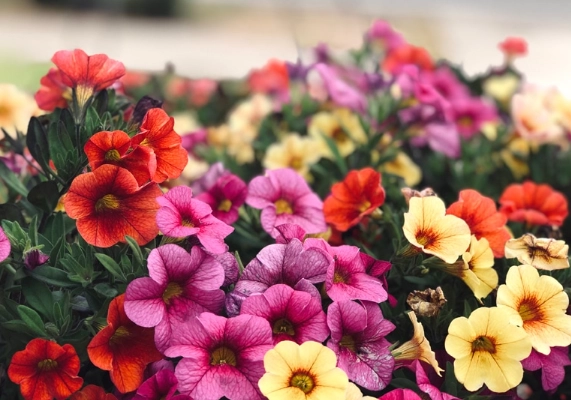
I've killed my fair share of plants trying to fill a blazing hot border. I've watched petunias get leggy, marigolds get spider mites, and impatiens just melt (obviously, those weren't for sun). It's frustrating. But over the years, through trial and a lot of error, I've found the absolute champions—the annuals that don't just survive a full sun location, they absolutely thrive in it, pumping out flowers like it's their job.
Why even bother with annuals for full sun? Well, perennials are great, but they often have a specific bloom period. Annuals? They're the workhorses. Plant them once, and they'll give you a continuous show for months. They're perfect for filling gaps, adding instant color to new beds, or just changing up your garden's look every year without a huge commitment.
What Does "Full Sun" Really Mean for Your Annuals?
This is where a lot of folks get tripped up. The tag says "full sun," so you plop it in a spot that gets sun for a few hours, right? Not quite.
For most flowering annuals, full sun means at least 6 to 8 hours of direct, unfiltered sunlight per day. Not dappled light through a tree. Not morning sun with afternoon shade. Direct, in-your-face sunlight. Think about the sunniest part of your driveway or the west-facing wall of your house. That's the kind of intensity we're talking about.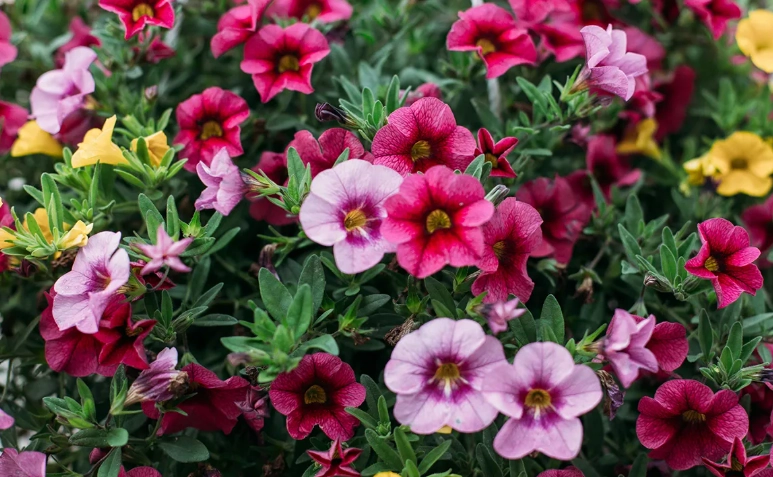
Why is this so important? Sunlight is the engine for photosynthesis. More sun typically means more energy, which translates to more flowers. Plants adapted to full sun have evolved to handle the intense light and associated heat. Their leaves might be smaller, hairier, or waxier to reduce water loss. Trying to grow a shade-loving plant in full sun is a recipe for scorched leaves and a sad, wilted mess.
How to Pick the Right Annuals for Your Sunny Spot
It's not just about grabbing the prettiest packet at the store. A little strategy goes a long way. Ask yourself these questions before you buy:
- What's your color scheme? Do you want fiery reds and oranges, cool blues and purples, or a clean white garden? Picking a palette makes your garden look intentional.
- How tall do you need them? Remember the design rule: tall in back, short in front. Don't plant towering zinnias in front of low-growing portulaca.
- What's your soil like? Is it heavy clay that holds water or fast-draining sand? Some annuals are more forgiving than others.
- How much do you want to baby them? Be real with yourself. If you travel a lot or hate watering, prioritize drought-tolerant champions like moss rose or vinca.
Honestly, I used to just buy whatever was in bloom at the nursery. The result was a chaotic, mismatched patch that required a dozen different care routines. Now I plan. It saves money, time, and heartache.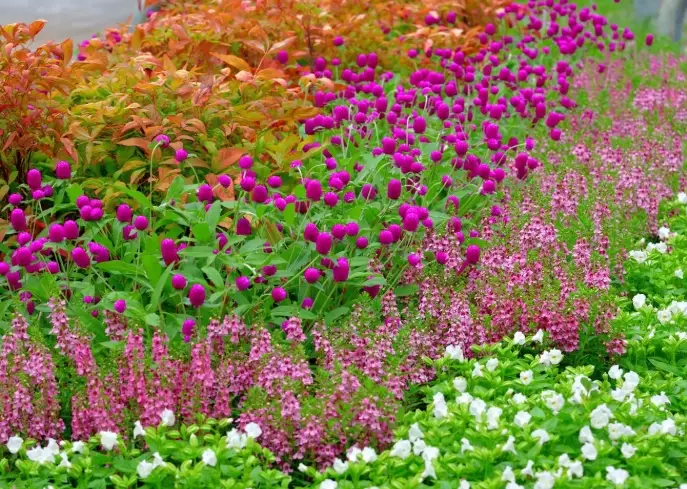
The Top-Tier Annuals for Full Sun: A Grower's List
Alright, let's get to the good stuff. These are my go-to plants, the ones I recommend to friends and rely on in my own garden. I've broken them down by what they're best for.
The Unkillable Champions (For Beginners & Neglectful Gardeners)
If you're new to gardening or just know you'll forget to water, start here. These plants are tough as nails.
- Vinca (Catharanthus roseus): This might be the single best annual for hot, dry, sunny places. Glossy green leaves, and cheerful flowers in pink, white, rose, or red. It hates wet feet and cool weather, but once summer heat hits, it's unstoppable. Seriously, I've seen it blooming in cracked pavement.
- Moss Rose (Portulaca grandiflora): A succulent annual. Those words should tell you everything. It stores water in its fleshy leaves and stems. The flowers look like tiny, vibrant roses and come in unbelievably bright colors. They close at night and on cloudy days, but when the sun is out, so are they. Perfect for rock gardens, containers, or draping over walls.
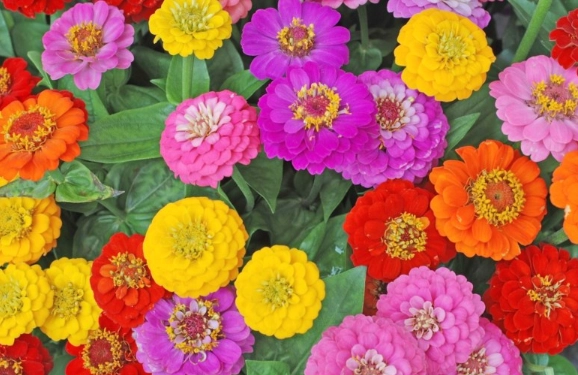
- Zinnias: I have a soft spot for zinnias. They're ridiculously easy to grow from seed, they attract butterflies like crazy, and they make great cut flowers. The more you cut them, the more they bloom. They come in every size and color except true blue. The only downside? They can be prone to powdery mildew if airflow is poor or leaves stay wet. Look for mildew-resistant varieties like the 'Profusion' series.
The Color Powerhouses (For Maximum Visual Impact)
You want a bed that makes people say "wow" from the street. These are your stars.
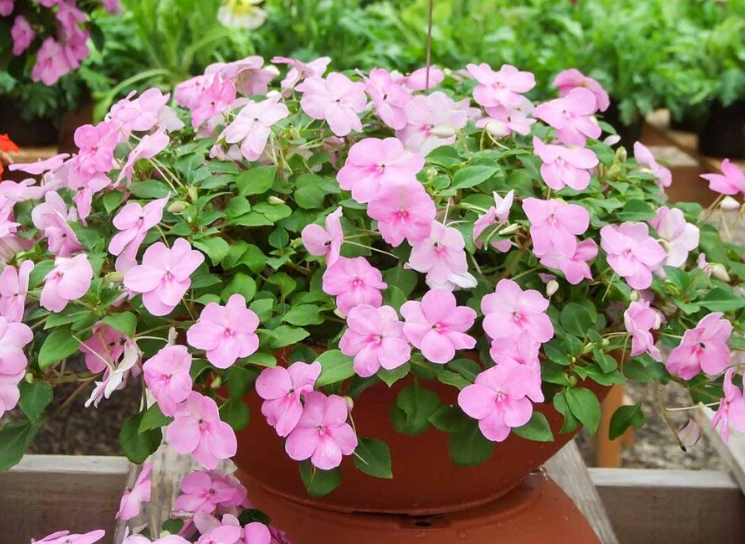
- Sunpatiens: A game-changer. They look like traditional shade-loving impatiens but are bred to withstand full, blazing sun and heat. They're also resistant to downy mildew, which wiped out standard impatiens a few years back. They bloom relentlessly in massive mounds of color. They do need more water than vinca or portulaca, but they reward you with an unparalleled flower show.
- Lantana: A butterfly and hummingbird magnet. The flower clusters are multi-colored, often shifting from yellow to orange to pink as they age. It loves heat, tolerates drought, and blooms non-stop. It can get woody and shrub-like by season's end in warm climates. Some people find the foliage has a strong scent (I don't mind it).
- Angelonia (Summer Snapdragon): This plant is elegance personified. Spikes of flowers in shades of purple, pink, white, and blue. It has a tidy, upright habit, never needs deadheading, and laughs at summer heat and humidity. It's fantastic for adding vertical interest. It doesn't have a big, floppy personality—it's more of a reliable, classy performer.
The Best Annuals for Full Sun in Containers & Hanging Baskets
Containers dry out fast, especially in the sun. You need plants that can handle that stress.
- Supertunia & Superbena Petunias/Verbenas: I'm specifying the "Super" series from Proven Winners because they are vegetatively propagated (not grown from seed) and are bred to be self-cleaning and incredibly vigorous. You don't have to deadhead them. They just grow and bloom, spilling over pots in a waterfall of color. They do need regular watering and feeding, but the payoff is huge.
- Licorice Plant (Helichrysum petiolare): Not grown for flowers, but for its stunning, fuzzy, silver-gray foliage. It's a phenomenal "spiller" in container combinations, cooling down hot color schemes and adding beautiful texture. It loves sun and well-drained soil.
- Diamond Frost Euphorbia: This plant provides the look of baby's breath for your summer containers. It's covered in a constant cloud of tiny white flowers that contrast with everything. It's heat-tolerant, drought-tolerant once established, and trouble-free. It's the ultimate filler plant.
Here’s a quick comparison table to help you choose at a glance:
| Plant Name | Key Feature | Height/Spread | Water Needs | My Personal Take |
|---|---|---|---|---|
| Vinca | Extreme drought & heat tolerance | 1-2 ft / 1-2 ft | Low | The set-it-and-forget-it champion. Boring to some, reliable to me. |
| Zinnia | Great for cutting, butterflies love it | 1-4 ft / 1-2 ft | Medium | Pure joy. Growing from seed is easy and rewarding. Watch for mildew. |
| Sunpatiens | Massive, constant bloom; sun-tolerant | 1-3 ft / 1-3 ft | Medium-High | The show-off. If you want maximum color with moderate care, this is it. |
| Lantana | Cluster flowers, attracts pollinators | 1-6 ft / 1-4 ft | Low-Medium | A wildlife party. Can get leggy; don't be afraid to prune it back hard. |
| Angelonia | Spike flowers, tidy habit, no deadheading | 1-3 ft / 1-2 ft | Medium | The low-drama professional. Always looks good, never makes a fuss. |
| Supertunia | Trailing habit, self-cleaning, vigorous | 6-12 in / 2-3 ft+ | Medium-High | Needy but worth it for containers. Feed and water consistently. |
Planting and Caring for Your Full Sun Annuals
You've picked your plants. Now let's get them in the ground (or pot) for success.
Soil Prep is Everything
Most annuals for full sun demand well-drained soil. They hate soggy roots. If you have heavy clay, amend it. I mean really amend it.
Work in a generous amount of compost or well-rotted manure. You can also add coarse sand or perlite to improve drainage. A 3- to 4-inch layer worked into the top 8-12 inches of soil makes a world of difference. It provides nutrients, improves soil structure, and helps with moisture retention without waterlogging.
For containers, never use garden soil. It compacts. Use a high-quality, branded potting mix. For really hot, sunny spots, I sometimes mix in a handful of perlite or vermiculite to the potting mix for extra drainage and aeration.
The Planting Ritual
- Water the plant in its pot thoroughly an hour before planting. A stressed, dry root ball is a bad start.
- Dig a hole slightly wider and the same depth as the pot. Don't plant too deep! The top of the root ball should be level with the soil surface.
- Gently loosen the roots if they're pot-bound (circling tightly). A few vertical slices with a knife can help.
- Place the plant in the hole, backfill with soil, and firm it gently around the base.
- Water deeply immediately after planting. This settles the soil and eliminates air pockets around the roots.
The On-Going Care: Water, Food, and Deadheading
Watering: This is the big one. Even drought-tolerant plants need regular water to get established (the first 2-3 weeks). After that, the rule is water deeply and less frequently. A long, slow soak encourages roots to grow deep, searching for water. A daily sprinkle just wets the surface and creates shallow, weak roots. Stick your finger in the soil. If the top inch is dry, it's time to water. Morning watering is best to reduce evaporation and allow foliage to dry, preventing disease.
Feeding: Annuals are heavy bloomers, which means they're heavy feeders. A slow-release fertilizer mixed into the soil at planting time is a great baseline. For a real boost, supplement with a water-soluble fertilizer (like a 10-10-10 or one higher in phosphorus for blooms) every 2-3 weeks throughout the season. Container plants need feeding even more often, as nutrients leach out with frequent watering.
Deadheading: This simply means removing spent flowers. For many plants (like zinnias, marigolds, petunias that aren't self-cleaning), this prevents them from going to seed and tells the plant to put energy into making more flowers instead. It's a simple task—just pinch or snip off the old flower head. Some modern varieties are bred to be "self-cleaning" and don't require this.
Design Ideas for a Stunning Full Sun Garden
Don't just plant a row of the same thing. Mix it up! Here are a few concepts.
The Pollinator Paradise: Combine zinnias, lantana, pentas, and salvias. Add some sunflowers in the back. You'll have bees, butterflies, and hummingbirds visiting all day long. The University of Vermont's extension department has great lists of pollinator-friendly plants for different regions.
The Drought-Tolerant Textural Garden: Focus on form and foliage. Use silvery dusty miller, spiky blue agave (if you're in a warm zone), the fuzzy licorice plant, and then add punches of color with portulaca or gazania. It's modern and low-maintenance.
The Cutting Garden: Dedicate a sunny bed just for flowers to bring indoors. Zinnias, sunflowers, celosia, gomphrena, and snapdragons are all excellent cut flowers that love sun. Plant in rows for easy access and cutting.
Think about layers. A tall grass like purple fountain grass in the back, a mid-layer of zinnias and lantana, and a front edge of trailing blue scaevola or white alyssum. Depth and variety create interest.
Common Problems (And Simple Solutions) for Sun-Loving Annuals
Even the toughest plants can have issues. Here's what to watch for.
- Leggy Growth / Few Flowers: This almost always means not enough sun. "Full sun" means what it says. If your plant is stretching tall with lots of space between leaves and not blooming, it needs more direct light. Consider moving it or replacing it with a more shade-tolerant variety next year.
- Wilting in Mid-Day Heat: Some plants, like hydrangeas, wilt dramatically as a moisture-conservation tactic. Many true annuals for full sun won't do this if properly watered. If they are wilting every afternoon, they likely need more water. Check the soil. If it's moist, they might just be reacting to extreme heat and will perk up in the evening.
- Scorched or Bleached Leaves: This can happen if a plant not acclimated to full sun is suddenly placed there. It can also happen with container plants if the soil gets too dry and the roots can't supply water to the leaves fast enough. Provide consistent moisture and consider a light layer of mulch to keep roots cool.
- Pests: Aphids and spider mites love hot, dry conditions. A strong blast of water from the hose can dislodge many pests. For persistent issues, insecticidal soap or neem oil are good organic options. Encourage beneficial insects like ladybugs.
Frequently Asked Questions About Annuals for Full Sun
- Cleome (Spider Flower): Airy, tall, and self-seeds readily.
- Castor Bean: Huge, tropical-looking leaves (but note: the seeds are extremely poisonous).
- Mexican Sunflower (Tithonia): Brilliant orange flowers that butterflies adore.
- Tall varieties of Zinnia like 'Benary's Giant' or 'State Fair' mix.
The key to success with annuals for full sun isn't a secret. It's matching the right plant to the right spot, giving it a decent start with good soil, and then providing basic, consistent care. It's not about being a perfect gardener. It's about being a smart one. Choose plants that want to live in the conditions you have, not the ones you wish you had.
Go stand in that sunny spot. Feel the heat on your face. Now imagine it filled with the vibrant, resilient energy of lantana, the cheerful persistence of zinnias, or the succulent toughness of portulaca. That's a garden that doesn't just survive the summer—it celebrates it.
Start with one or two of the "unkillable" varieties if you're unsure. Get a feel for it. Gardening is a process, and every season teaches you something new. The most important step is simply to start planting.
Comments