Key Highlights
- What to Look For in a Truly Easy Care Plant
- The Top 5 Can't-Kill-Em Champions (Seriously)
- Beyond the Basics: Easy Care Specialists
- The Real Secrets: How to Care for Your Easy Care Plants
- Troubleshooting: Reading Your Plant's Signals
- Answering Your Big Questions
- Building Confidence and Your Collection
Let's be honest. We've all been there. You bring home a beautiful plant, full of hope, only to watch it slowly (or sometimes not so slowly) give up on life, leaving you with a pot of guilt and crispy leaves. I've killed my fair share, including a cactus. Yes, a cactus. If that's you, then you're in the right place. This whole guide is dedicated to finding those magical, forgiving, easy care house plants that can survive our busy lives, occasional forgetfulness, and less-than-perfect home environments.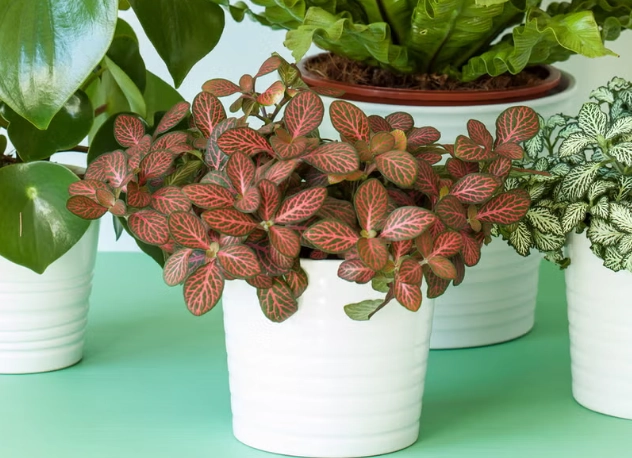
What makes a house plant truly easy care? It's not just about surviving on neglect. It's about plants that communicate clearly (droopy leaves mean water me, please!), forgive the occasional missed watering, adapt to lower light, and generally don't require a PhD in botany to keep happy. We're talking about the resilient troopers of the plant world.
What to Look For in a Truly Easy Care Plant
Before we dive into the list of champions, let's talk traits. Spotting a potential easy-care winner at the nursery involves a bit of a checklist.
Key Traits of Low-Maintenance Plants: Thick, fleshy leaves or stems (they store water), slow to moderate growth (less frequent repotting), adaptability to a range of light conditions, and a reputation for toughness. Plants labeled "hard to kill" are usually a good bet, though I take that label with a grain of salt now after the cactus incident.
You also need to have a quick chat with yourself about your space. That dark corner by the bookshelf needs a different plant than your bright, sunny windowsill. Trying to put a sun-worshipper in a dim spot is the fastest path back to Plant Guilt City. Matching the plant to your home's conditions is 90% of the battle won for easy care house plants.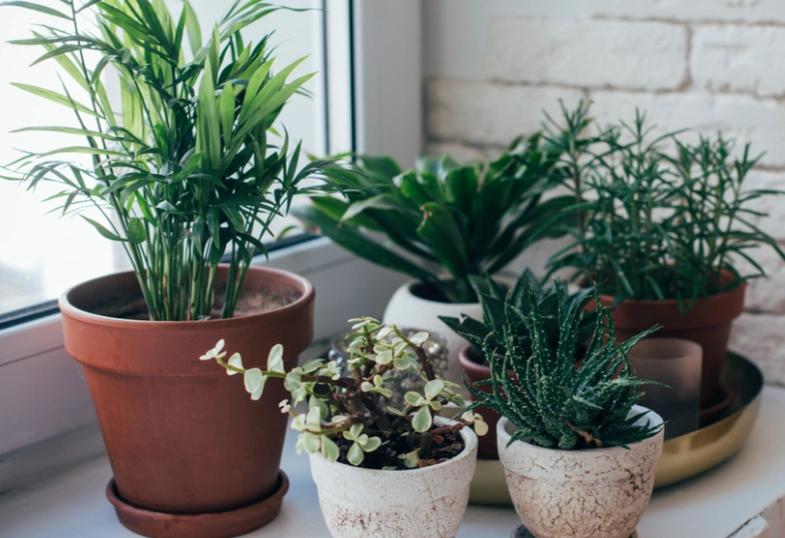
The Top 5 Can't-Kill-Em Champions (Seriously)
These are the foundational plants. The ones you can recommend to your most plant-challenged friend with confidence. If you start here, success is almost guaranteed.
Snake Plant (Sansevieria / Dracaena trifasciata)
Often called the "mother-in-law's tongue," this plant is practically indestructible. It has striking, architectural upright leaves that come in various shades of green and yellow. Its superpower? It performs photosynthesis differently (it uses Crassulacean Acid Metabolism, for the science-curious) which allows it to thrive on very little water and in low light.
My tip: The number one killer of snake plants is overwatering. I water mine maybe once a month in winter, and only when the soil is completely dry all the way through the pot. It's thrived on this neglect for years.
Bonus: NASA's famous Clean Air Study listed it as an excellent air purifier, known for filtering toxins like formaldehyde and benzene. A true easy care house plant that also cleans your air.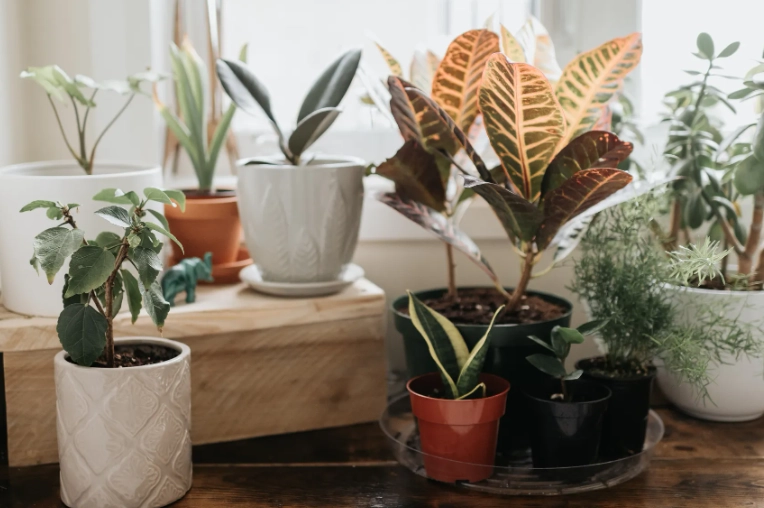
ZZ Plant (Zamioculcas zamiifolia)
The ZZ plant is the sleek, modern cousin in the easy-care family. With its glossy, dark green leaflets on arching stems, it looks more delicate than it is. Underneath, it stores water in potato-like rhizomes, making it incredibly drought-tolerant. It's perfectly happy in low to bright indirect light.
I've left my ZZ plant without water for over six weeks during a vacation, and it didn't even flinch. It just kept looking glossy and perfect, which is almost annoying in its resilience. It's a slow grower, so you won't need to repot it often.
Pothos (Epipremnum aureum)
This is the quintessential beginner's plant for a reason. Pothos grows quickly, trails beautifully, and tells you exactly what it needs. Leaves go limp when it's thirsty, and perk right back up after a drink. It tolerates low light but grows faster and shows more variegation (those lovely white or yellow streaks) in brighter, indirect light.
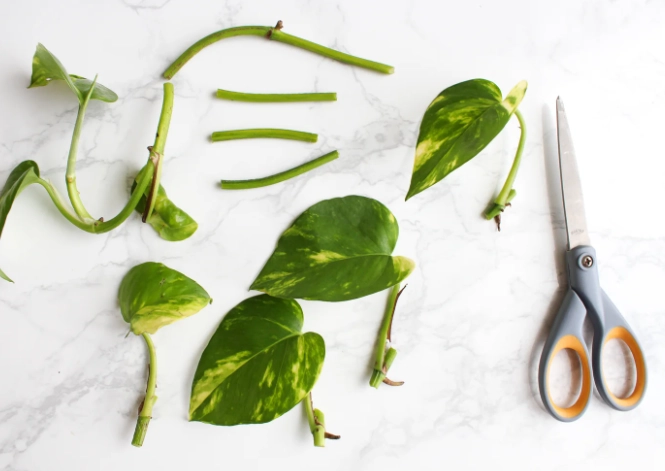
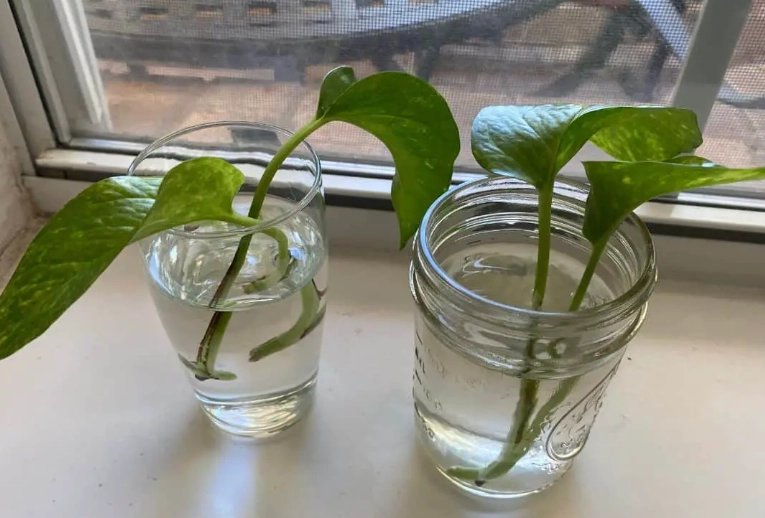
It's also incredibly easy to propagate. Snip a piece with a few nodes, pop it in water, and you'll have roots in a week or two. Before you know it, you've got pothos in every room—the hallmark of a successful plant parent experimenting with easy care house plants.
Spider Plant (Chlorophytum comosum)
A nostalgic favorite for many, the spider plant is a cheerful, arching plant that produces little "spiderettes" or "pups" on long stems. It's non-toxic, making it a great choice for homes with pets (always double-check with the ASPCA, but this one is generally safe). It prefers bright, indirect light but is adaptable.
Watch out for: Spider plants are sensitive to fluoride in tap water, which can cause brown leaf tips. If you see this, try using distilled, rainwater, or filtered water. It's their one picky trait, but it's an easy fix.
Cast Iron Plant (Aspidistra elatior)
The name says it all. This plant earned its moniker in the Victorian era for its ability to survive in dim, dusty parlors. It has broad, dark green, lance-shaped leaves and grows slowly. If you have a truly dark corner that gets almost no direct light, this is your plant. It also doesn't mind temperature fluctuations or sporadic watering.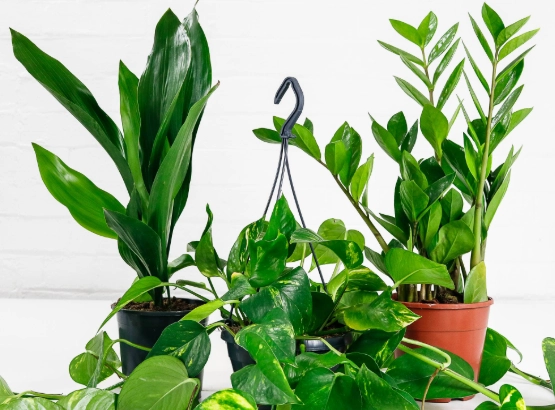
It's not the most exciting plant visually—it won't give you flowers or crazy patterns—but as a lush, green, dependable presence in a tough spot, it's unbeatable. Sometimes, reliability is the most beautiful trait in an easy care house plant.
Beyond the Basics: Easy Care Specialists
Once you've got the basics down, you might want to branch out. These next plants are still very manageable but might have one specific need or offer a different look.
For Low Light: The Peace Lily (Spathiphyllum)
Peace Lilies are famous for their elegant white flowers (which are actually a specialized leaf called a spathe) and their dramatic communication. When thirsty, the entire plant droops spectacularly. Give it water, and it bounces back within hours. It's a great teacher for learning your plant's rhythm. It prefers low to medium indirect light—direct sun will scorch its leaves.
A word of caution from my experience: While it's often touted as an easy bloomer, getting it to re-flower consistently indoors can be tricky. Don't be disappointed if it's mostly a foliage plant for you. The leaves are beautiful and deep green on their own. Also, it's mildly toxic to pets, so keep it out of reach of curious cats and dogs.
For Bright, Dry Air: The Rubber Plant (Ficus elastica)
With its large, glossy, burgundy or dark green leaves, the Rubber Plant makes a bold statement. It loves bright, indirect light and likes its soil to dry out a bit between waterings. It's relatively slow-growing and can handle the dry air of heated homes better than some tropical plants. Wipe the leaves with a damp cloth every so often to keep them shiny and dust-free—it helps the plant breathe and photosynthesize better.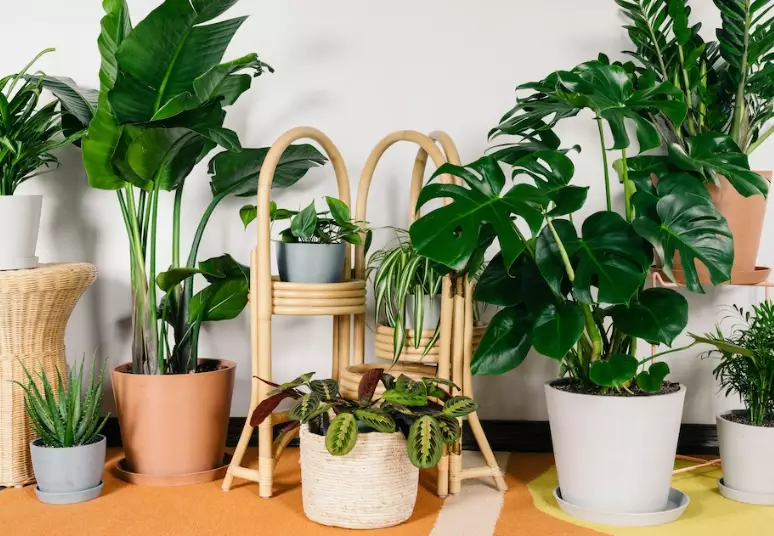
The Forgiveness Factor: Chinese Evergreen (Aglaonema)
Available in stunning varieties with red, pink, silver, or cream splashes, Chinese Evergreens are incredibly adaptable. They do well in low to medium light (the darker the leaves, generally, the less light they need) and prefer to dry out slightly between waterings. They're slow-growing and just seem to put up with a lot. A fantastic way to add color beyond basic green to your collection of easy care house plants.
The Real Secrets: How to Care for Your Easy Care Plants
Okay, you've picked your plant. Now, how do you *not* kill it with kindness? Most failures come from over-care, especially overwatering.
The Watering Rule You Must Follow
For almost all the easy care house plants listed here, the golden rule is: When in doubt, wait it out. It's far easier to fix an underwatered plant (soak it) than an overwatered one (root rot is often a death sentence).
Ditch the schedule. Don't water every Saturday just because. Instead, check the soil. For most of these plants, stick your finger about an inch or two into the potting mix. If it feels dry, it's time to water. If it feels damp or cool, wait. For succulents like Snake Plants, let the soil dry out completely.
And please, for the love of all that is leafy, make sure your pot has drainage holes. No exceptions.
Light Demystified: A Simple Guide
Plant light labels can be confusing. Here's a straightforward breakdown:
| Light Type | What It Means | Easy Care Plants That Love It |
|---|---|---|
| Low Light | Several feet from a north-facing window or a dim corner with no direct sun. Not no light. | ZZ Plant, Snake Plant, Cast Iron Plant, some Aglaonema |
| Medium/Bright Indirect Light | The sweet spot! Near an east or west-facing window, or a few feet back from a south-facing window. Sunlight is bright but never directly hits the leaves. | Pothos, Spider Plant, Peace Lily, Rubber Plant, most others |
| Direct Sun | Sunbeams directly on the leaves for several hours a day. Usually a south-facing window. | Most easy-care plants don't want this. It can scorch leaves. |
Soil and Food: Keeping It Simple
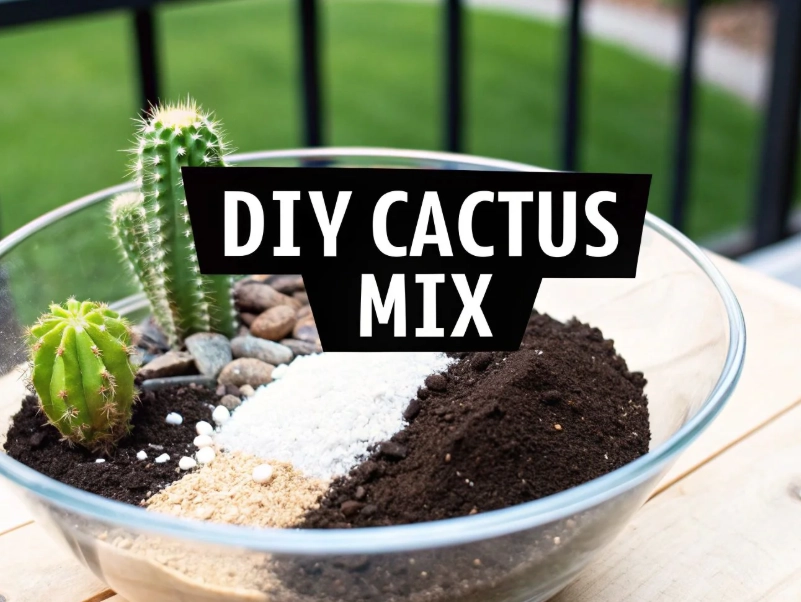
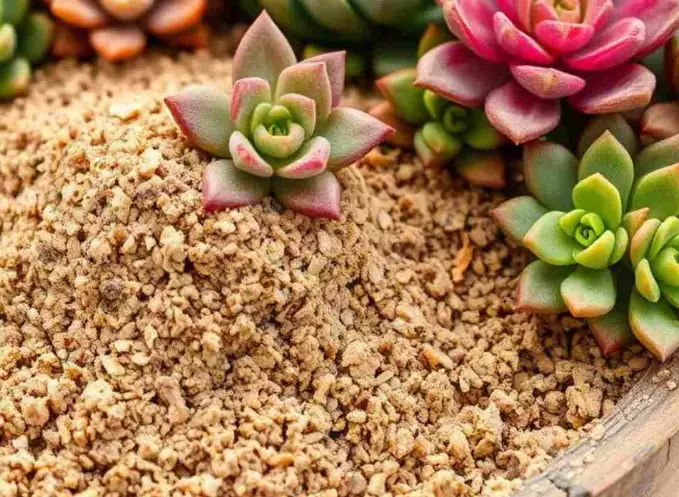
You don't need fancy soil. A good-quality, well-draining all-purpose potting mix is fine for most. For Snake and ZZ plants, you can mix in some perlite or cactus mix to increase drainage and prevent soil from staying soggy.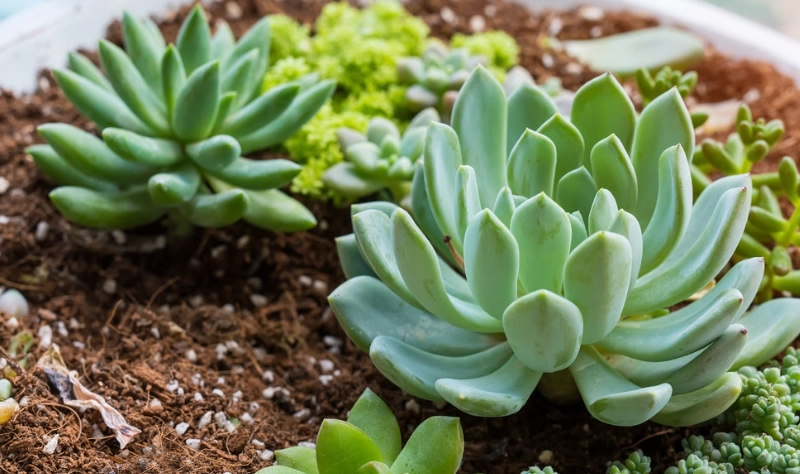
Fertilizing is like vitamins, not food. Plants make their own food from light. During the main growing season (spring and summer), you can feed your plants with a diluted, balanced liquid fertilizer (like a 10-10-10) once a month. In fall and winter, stop. They're resting. Over-fertilizing can burn roots and do more harm than good.
"The best fertilizer for a plant is the shadow of the gardener." This old saying reminds us that consistent, observant care is more valuable than any product. Just being there, checking on them, is half the job with easy care house plants.
Troubleshooting: Reading Your Plant's Signals
Your plant will talk to you. You just have to learn the language.
- Yellowing leaves, especially lower ones: Most often a sign of overwatering. Check the soil. Could also be natural aging if it's just one or two old leaves.
- Brown, crispy leaf tips: Usually low humidity or chemicals/minerals in tap water (common on Spider Plants, Peace Lilies). Try filtered water and misting occasionally.
- Drooping, limp leaves: Usually a cry for water (especially on Pothos, Peace Lily). Give it a good drink.
- Leggy growth, small leaves, stretching: The plant is not getting enough light. Move it closer to a light source.
- No new growth for months: Could be dormant (winter), need more light, or need a slight nutrient boost (try light fertilizing in growing season).
Answering Your Big Questions
Let's tackle some of the specific things people secretly Google after they buy their plant.
What are the best easy care house plants for a bathroom?
Bathrooms are often humid and have lower light—perfect for moisture lovers. Pothos and Spider Plants are fantastic choices here. The Peace Lily also enjoys the humidity. Just make sure there's some indirect light from a window or a decent artificial light source.
I have pets. Which safe, easy care plants can I get?
This is crucial. Always cross-reference with the ASPCA's Toxic and Non-Toxic Plants list. Some generally safe bets from our list include Spider Plants, Cast Iron Plants, and certain varieties of Calathea (like the Rattlesnake Plant, which is a step up in care but still manageable). Always double-check, as varieties can differ.
How often should I really repot?
Don't rush to repot. Most easy care house plants prefer to be slightly root-bound. Repot only when you see roots growing out of the drainage holes, or when growth has seriously stalled and the plant is drying out too quickly. Typically, every 2-3 years is plenty. Only go up one pot size (1-2 inches wider in diameter) at a time.
Can these plants really purify my air?
The NASA study I mentioned earlier is real and showed certain plants can remove volatile organic compounds (VOCs) in a sealed lab environment. In a normal, ventilated home, the effect is much smaller. Don't rely on a single plant to clean your air. However, having many plants certainly contributes to a healthier indoor environment by increasing humidity and providing a psychological boost. Think of air purification as a nice potential bonus, not the primary reason to buy easy care house plants.
Building Confidence and Your Collection
Start with one or two from the top five list. Get to know them. Learn their watering cues. Watch how they respond to the light in your specific spot. Success with these first plants will give you the confidence to try another, and maybe another.
Remember, every plant parent has a graveyard. It's part of the learning process. The goal with easy care house plants is to make that graveyard much, much smaller. Choose the right plant for your conditions, water less than you think, and enjoy the process of bringing a little quiet, growing life into your home.
It's not about having a perfect, Instagram-ready jungle overnight. It's about the slow, satisfying growth—both your plants' and your own skills. And there's nothing quite like noticing a new leaf unfurling on a plant you've kept happy and healthy. That's the real reward.
Comments