Quick Navigation
- Why Repot at All? (It's Not Just About a Pretty New Pot)
- The Golden Question: When Is It Time to Repot?
- Gathering Your Arsenal: What You Really Need
- Cracking the Soil Code: The Perfect Mix
- The Main Event: A Step-by-Step Walkthrough on How to Repot Succulents
- Navigating Tricky Succulents
- Aftercare: Helping Your Succulent Settle In
- Your Top Repotting Questions, Answered
- Common Soil Components & What They Do
- Final Thoughts: You've Got This
Let's be honest. The idea of repotting a plant can feel a bit like performing surgery. You're digging up this living thing, messing with its roots, and hoping it doesn't hold a grudge. With succulents, that fear is even bigger because they seem so... self-sufficient. Why mess with a good thing?
But here's the truth I learned after killing my first few (okay, maybe more than a few) succulents by neglecting this very task. Knowing how to repot succulents isn't just a fancy gardening skill—it's basic plant first aid. It's the difference between a plant that merely survives and one that absolutely thrives, pushing out new growth and even flowering for you.
The process itself is simple. Really. It's the details that trip people up. The wrong soil, watering at the wrong time, using a pot that's a death trap. I've made all those mistakes so you don't have to.
Let's get started.
Why Repot at All? (It's Not Just About a Pretty New Pot)
If your succulent looks fine, why bother? That's a fair question. A lot of guides jump straight into the "how" without explaining the "why," and I think that's a mistake. Understanding the reasons makes you a better plant parent.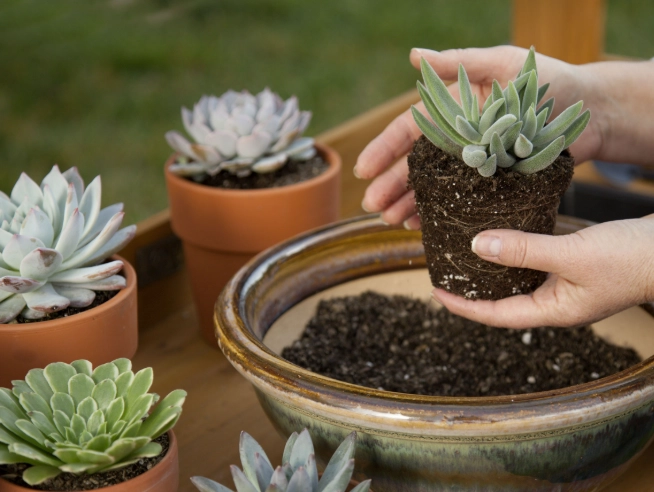
First, soil exhaustion. That potting mix your plant came in? It's not meant to last forever. Over time, it breaks down, becomes compacted, and loses its ability to drain water quickly. For succulents, which hate wet feet, this is a slow death sentence. The roots start to suffocate.
Second, and this is the big one, roots need room. A root-bound plant is a stressed plant. You might see roots peeking out of the drainage hole, or the plant might start growing weirdly tall and leggy as it searches for space and nutrients. It's the plant's way of crying for help.
Third, it's a chance for a health check. When you repot, you get to see the root system. You can spot early signs of root rot (those mushy, dark brown roots) or pest infestations in the soil before they become a major crisis.
Think of it as a routine check-up, not an emergency operation.
The Golden Question: When Is It Time to Repot?
Timing is everything. Do it too often, and you stress the plant. Wait too long, and you stress the plant. So what are the real signs?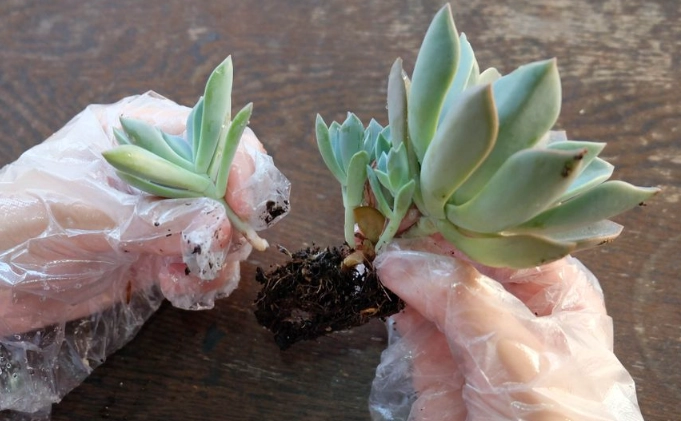
The most obvious one is roots growing out of the drainage hole. That's a clear "I need more space!" signal. Another is if the plant has stopped growing during its normal growing season (usually spring and summer), even with proper light and occasional fertilizer. It might have simply run out of room.
Sometimes, the plant becomes top-heavy and unstable, constantly wobbling or even falling out of its pot. And of course, if the soil has become hydrophobic (water runs straight through without being absorbed) or looks degraded and crusty, it's time for a refresh.
But here's a sign many miss: if you water and the soil stays soggy for days on end. That means the soil structure is gone, and you're risking root rot with every watering.
Gathering Your Arsenal: What You Really Need
You don't need fancy tools. I've repotted hundreds of succulents with stuff I mostly had around the house. Here’s the honest list of what works.
The Non-Negotiables
- The New Pot: This is critical. It MUST have a drainage hole. I don't care how cute that ceramic pot without a hole is—it's a swimming pool for roots. Choose a pot that's only 1-2 inches wider in diameter than the old one. Going too big means too much wet soil surrounding the small root ball, leading to rot. Terracotta is my personal favorite because it's porous and helps soil dry faster.
- Fresh Potting Mix: Do not, I repeat, do NOT use regular potting soil. It holds too much moisture. You need a fast-draining succulent & cactus mix. We'll talk about amending it in a second.
- Your Plant: Ideally, the soil should be dry. It's easier to work with and less stressful for the plant.
The Helpful Extras
- Trowel or Spoon: For scooping soil.
- Newspaper or a Tray: To contain the mess. Trust me on this.
- Gloves: Optional, but some succulents have sharp spines or sap that can irritate skin.
- Chopstick or Pencil: This is my secret weapon for gently loosening roots and poking soil into gaps.
- Sharp, Clean Scissors or Pruners: For trimming any dead or rotten roots.
See? Nothing crazy. You probably have 90% of this already.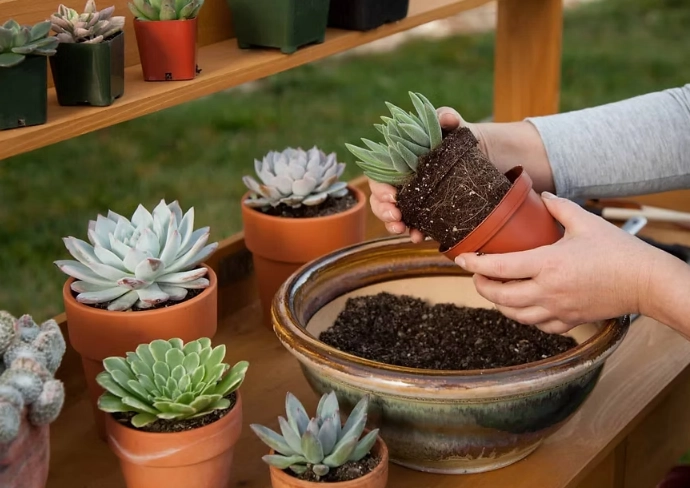
Cracking the Soil Code: The Perfect Mix
This is where most store-bought "succulent mixes" fall short. They're a good start, but they often still retain more moisture than I'm comfortable with, especially for indoor plants where airflow is lower.
I always amend my store-bought mix. My go-to formula is about 2 parts succulent/cactus mix to 1 part perlite or pumice. The perlite adds extra aeration and drainage, ensuring those roots never sit in moisture. For plants I know are super sensitive to overwatering (like String of Pearls or certain mesembs), I might go 50/50.
Why is this so important? Succulents store water in their leaves and stems. Their roots are designed to drink up quickly when water is available and then breathe in dry air. A dense, moisture-retentive soil drowns them.
If you're a DIY enthusiast, you can make your own mix from scratch. A simple one is equal parts potting soil, coarse sand (not fine play sand, which compacts), and perlite. The Cornell University College of Agriculture and Life Sciences has excellent resources on the science of growing media, emphasizing the importance of porosity and drainage for container plants—principles that are absolutely vital for succulents.
The Main Event: A Step-by-Step Walkthrough on How to Repot Succulents
Okay, deep breath. Here we go. Follow these steps, and you'll be fine.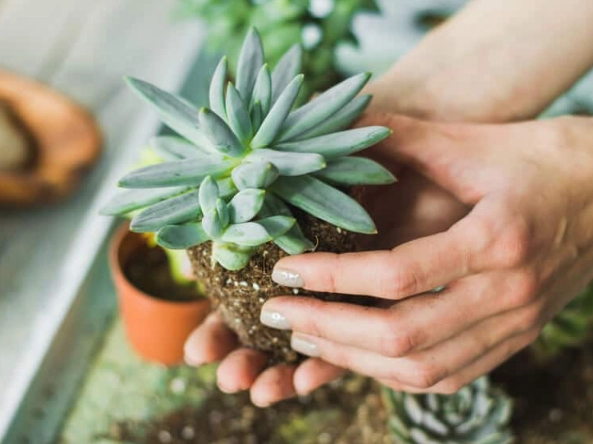
Step 1: The Gentle Exit
Lay the pot on its side. Gently squeeze or tap the sides of a plastic pot to loosen the root ball. For ceramic pots, run a knife or chopstick around the inside edge. Tip the pot and gently coax the plant out. Don't yank it by the stem! If it's really stuck, you may need to break a cheap plastic pot. The plant is more valuable than the pot.
Step 2: The Root Inspection
Now, gently brush away the old soil from the roots. You can use your fingers, a chopstick, or even gently rinse them with water if the soil is stubborn (just let them dry completely afterward).
Look at the roots. Healthy roots are firm and usually white or light tan. Mushy, dark brown or black roots are rotten. Brittle, dry roots that crumble are dead. Use your clean scissors to snip off any rotten or dead parts. Don't be scared to cut. It's better to remove the rot.
Step 3: Prepping the New Home
Place a piece of broken pottery, a rock, or a mesh screen over the drainage hole to keep soil from washing out. Add a layer of your fresh potting mix to the bottom of the new pot. The goal is to place the plant in so its base (where the stem meets the roots) sits just below the rim of the pot.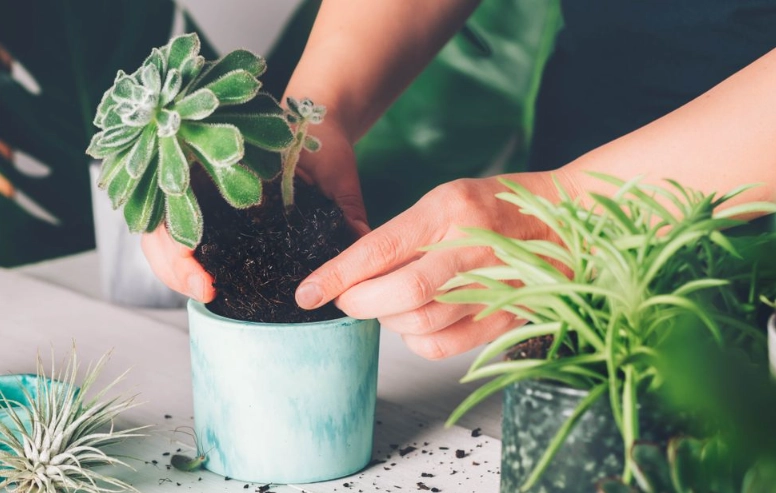
Step 4: Finding the Right Height
Hold your succulent over the pot. Add or remove soil from the base layer until the plant sits at the right height. You want the top of the root ball to be about half an inch to an inch below the pot's rim.
Step 5: Filling In the Gaps
Once the height is right, hold the plant steady with one hand. With the other, use your trowel or a cup to scoop fresh soil mix around the roots. Don't pack it down hard! You want it loose and airy. Use your chopstick to gently poke soil into any air pockets around the roots. Keep adding soil until it's level with the base of the plant.
Never bury the leaves or stem. That's an invitation for rot.
Step 6: The Most Important Step – The Waiting Game
DO NOT WATER. I'm serious. This is the number one mistake. Your succulent's roots have tiny abrasions from the repotting process. Watering immediately can lead to infection and rot.
Place the repotted plant in bright, indirect light (not direct, scorching sun just yet) and leave it alone for about 5-7 days. This gives the roots time to heal and callous over. After a week, you can give it a thorough watering, ensuring water runs out the drainage hole.
Navigating Tricky Succulents
Not all succulents are created equal. Some need a slightly different touch when you learn how to repot succulents like these.
Spiky Cacti: Use folded newspaper, thick gloves, or kitchen tongs wrapped in foam to handle them. It's a game of careful leverage.
Tall, Top-Heavy Plants (like some Echeverias or stretched-out Crassulas): After repotting, you might need to support them with stakes for a few weeks until their roots re-establish a firm grip. Don't bury them deeper to compensate—you'll rot the stem.
Delicate, Stringy Types (String of Pearls, Donkey's Tail): These are fragile. Handle the strands with extreme care. Sometimes it's easier to lay the plant on its side and gently roll it out of the pot. Be prepared for a few pearls to pop off—you can propagate those!
Aftercare: Helping Your Succulent Settle In
Your job isn't over after the repot. Think of the next few weeks as a recovery period.
Keep the plant in bright, indirect light for at least a week or two before gradually reintroducing it to direct sun (if that's what it needs). Direct sun immediately after repotting can add to the stress.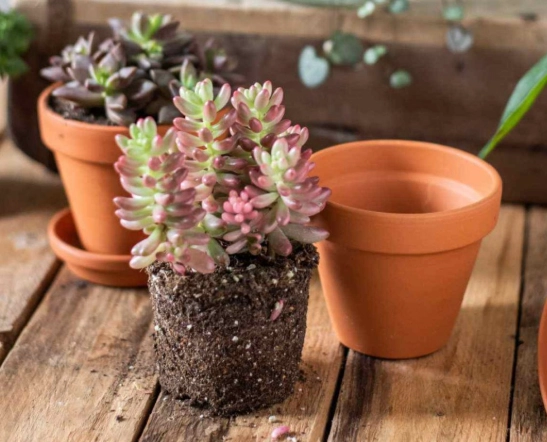
Resist the urge to fertilize for at least a month. Let it focus on root growth first. When you do fertilize, use a diluted, balanced fertilizer.
Water only when the soil is completely dry, and then water thoroughly. The "soak and dry" method is your best friend. Stick your finger in the soil. If it's dry an inch or two down, it's time.
Your Top Repotting Questions, Answered
I get a lot of questions from people who are nervous about this process. Here are the most common ones.
How often should I repot my succulents?
There's no strict calendar. For fast-growing types, every 1-2 years. For slow-growers, every 2-4 years is fine. Let the plant's condition (the signs we talked about) be your guide, not the date.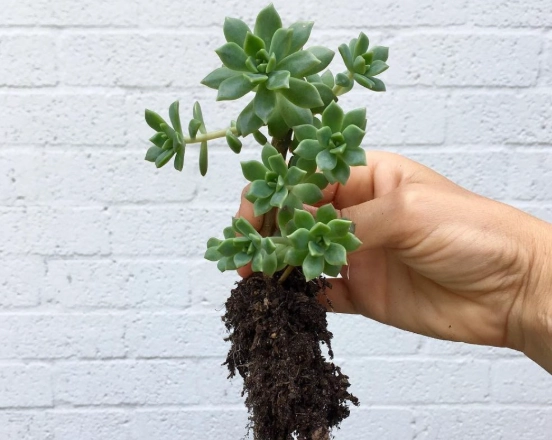
Can I reuse old potting soil?
I don't recommend it. It's depleted of nutrients, may be compacted, and could harbor pathogens or pests. Fresh mix is cheap insurance. If you must reuse, sterilize it in the oven (which is smelly) and mix it 50/50 with fresh, gritty amendments.
My succulent's stem is long and bare at the bottom. What do I do when repotting?
Ah, the "leggy" succulent from low light. You have two choices when you repot succulents like this. Option 1: Plant it deeper to bury the bare stem. This risks rot. Option 2 (my preferred method): During repotting, cut off the top rosette/healthy part, let the cut end callous for a few days, and then plant it as a new plant. You can also propagate the leaves from the stem.
What if I accidentally break roots?
Don't panic. Succulents are resilient. Just make a clean cut with your scissors if the break is ragged. Follow the dry period before watering to let the breaks callous. It will often grow new roots from the break points.
Is it okay to water from the bottom after repotting?
After the initial 5-7 day dry period, bottom watering can be a great method. It encourages roots to grow downward. Just don't let the plant sit in water for more than 30 minutes or so.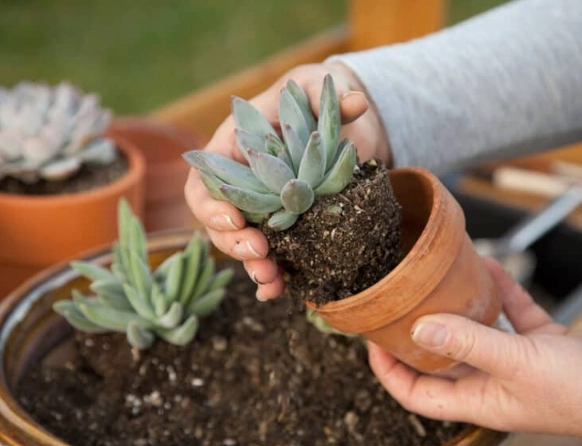
Common Soil Components & What They Do
It helps to know what you're mixing. Here’s a quick cheat sheet.
| Component | What It Does | Good For | My Honest Take |
|---|---|---|---|
| Potting Soil (Base) | Provides structure and some nutrients. | Must be mixed; never use alone. | Use a light, peat-free blend if you can. Peat can become hydrophobic. |
| Perlite | White, lightweight volcanic glass. Adds aeration and drainage. | Improving any soil mix's drainage. | It works, but it's dusty and floats. A bit cheap-looking in the pot. |
| Pumice | Porous volcanic rock. Drains well, provides aeration, has weight. | A superior alternative to perlite. | My favorite. More expensive but worth it for prized plants. |
| Coarse Sand | Adds weight and improves drainage. | Mimicking gritty natural habitats. | Must be horticultural or coarse builder's sand. Play sand is awful—it makes concrete. |
| Pine Bark Fines | Small chunks of bark. Provide texture, air pockets, and slowly decompose. | Creating a chunky, airy mix for epiphytic cacti. | Great for orchids and similar, but not always necessary for desert succulents. |
Final Thoughts: You've Got This
Learning how to repot succulents is a fundamental skill. It might feel intimidating the first time, but it quickly becomes second nature. The biggest takeaways are simple: use a pot with a hole, use gritty soil, be gentle with the roots, and for the love of all that is leafy, don't water right away.
Your succulents will reward you for this care. You'll see more vigorous growth, brighter colors, and overall happier plants. It's one of the most satisfying things in plant care—giving a plant a fresh start and watching it take off.
Go slowly, be patient, and don't be afraid to make a little mess. Every gardener has knocked over a pot of soil at least once. It's a rite of passage. Now, go give that root-bound succulent some well-deserved space.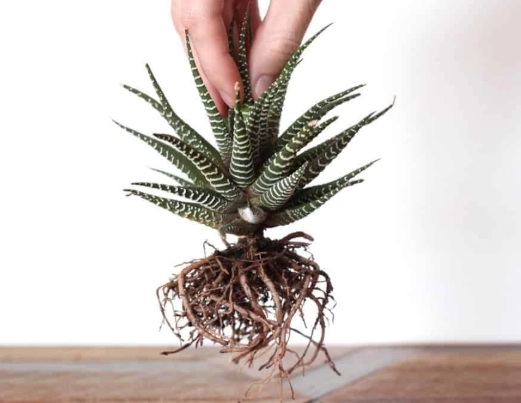


Comments