Let's be honest. Most advice you find about compost for lavender plants is wrong. It's usually a generic "add compost to improve soil" line that completely ignores what lavender actually needs. I learned this the hard way years ago when I watched a beautiful batch of 'Munstead' lavender turn yellow and flop over after I generously mixed in what I thought was premium garden compost. The problem wasn't the compost quality—it was my understanding of the plant. Lavender doesn't want rich, moisture-retentive soil. It craves something closer to its native Mediterranean hillsides: lean, gritty, and fast-draining. So, using compost isn't about feeding it like a tomato plant. It's a precise tool for creating the right soil structure.
Your Quick Navigation Guide
What Kind of Compost Do Lavender Plants Actually Need?
Think of lavender as a minimalist. It hates wet feet more than anything. Its roots need oxygen and absolutely despise sitting in moisture. Therefore, the primary role of compost here isn't fertility—it's texture improvement. You're using compost to break up heavy clay or to add minimal body to very sandy soil, all while keeping the mix airy.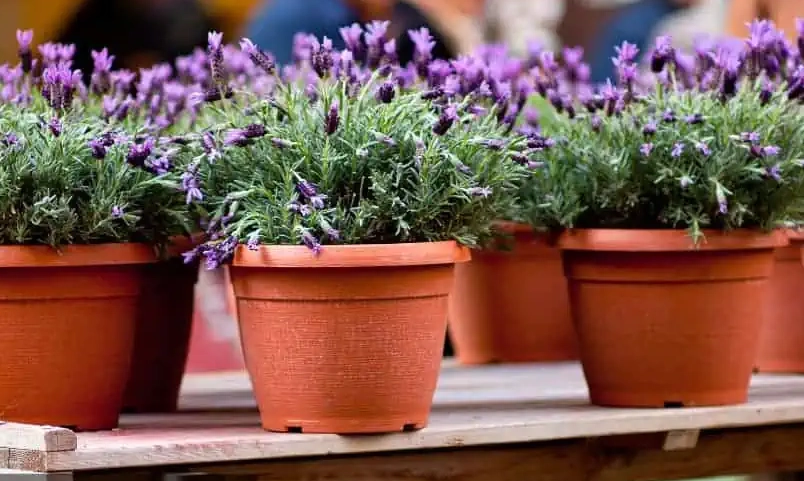
Based on soil analysis reports from places like the University of California's Agricultural and Natural Resources department, lavender thrives in slightly alkaline soil (pH 6.5 to 7.5) with excellent drainage. The compost you choose should support that, not fight it.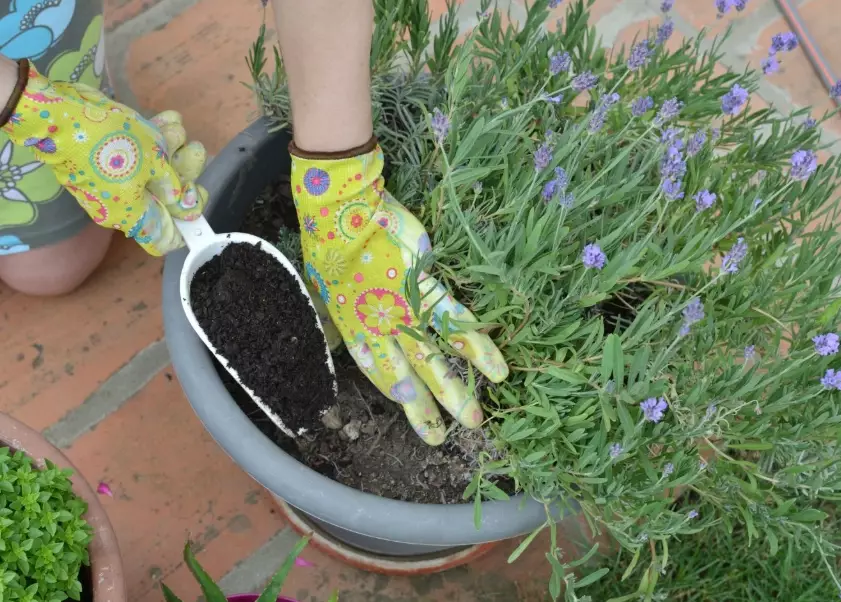
Suitable vs. Unsuitable Compost Types
Not all compost is created equal. Here’s a breakdown of what works and what will likely cause problems.
| Compost Type | Is It Good for Lavender? | Why & How to Use It |
|---|---|---|
| Leaf Mold (Decomposed Leaves) | Excellent | It's fibrous, improves structure without being rich, and mimics forest floor duff. Use it as up to 1/3 of your soil mix. |
| Very Well-Rotted Garden Compost | Use with Caution | Must be fully decomposed, crumbly, and low in nitrogen. Use SPARINGLY—no more than 10-15% of the total planting mix. Screen out large, wet chunks. |
| Mushroom Compost (Spent) | Generally Not Recommended | Often contains high salts and lime, which can alter pH unpredictably. It's a gamble for lavender's specific needs. |
| Composted Pine Bark or Wood Chips | Very Good | Excellent for aeration and drainage. A staple in professional nursery mixes for woody herbs. Provides long-lasting structure. |
| Fresh Manure or "Hot" Compost | Absolutely Not | Too high in nitrogen, will promote weak, leafy growth, reduce fragrance, and increase winter kill risk. Avoid completely. |
| Composted Straw or Hay | Moderate | Can be fibrous but may introduce weed seeds. Ensure it's fully composted and mix with grittier materials. |
The real magic happens in the blend. I never use pure compost. My go-to base for container lavender or for amending a terrible garden bed is a simple volume mix: 1 part screened garden compost, 1 part coarse sand or poultry grit, and 1 part composted pine bark or perlite. The compost is just one player in the ensemble.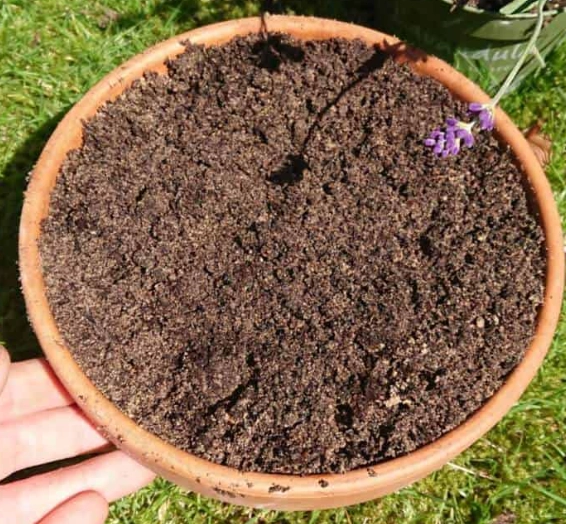
How to Amend Soil for Lavender Plants: A Step-by-Step Guide
Let's get practical. You're standing in your garden or ready with a pot. Here’s exactly what to do.
Step 1: The Drainage Test (Don't Skip This)
Dig a hole about 12 inches deep and wide where you plan to plant. Fill it with water. Let it drain completely, then fill it again. Time how long it takes to drain the second time. If it takes longer than a few hours, you have a serious drainage issue that just adding compost won't fix. You'll need to create a raised mound or bed.
Step 2: Assess Your Native Soil
Squeeze a handful of moist soil.
- If it forms a tight, slick ball (clay), you need maximum aeration.
- If it falls apart immediately (sand), you need some structure to hold minimal moisture and nutrients.
This tells you how much of the "gritty" amendment (sand, bark) versus compost you'll lean on.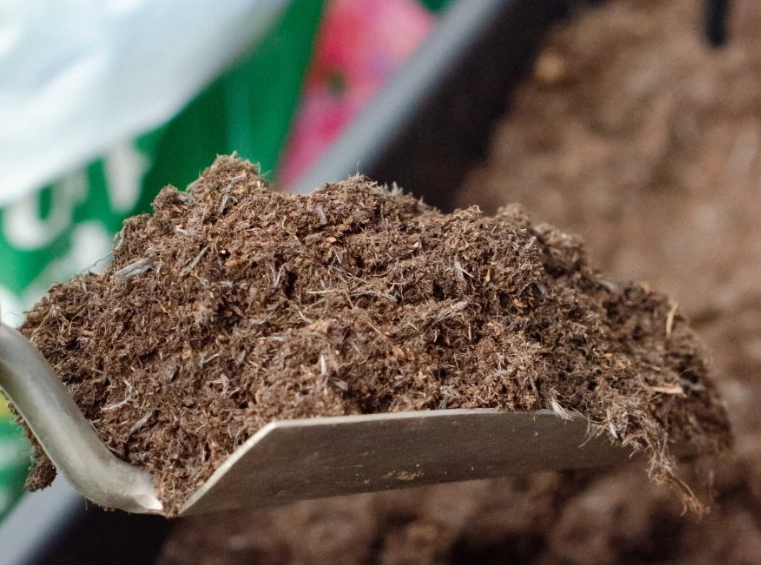
Step 3: The Mixing Process
For a planting hole, amend a wide, shallow area, not a deep hole (which can create a bathtub effect). Mix your amendments thoroughly with the native soil over an area at least 3 times the width of the pot your lavender came in.
- For Clay Soil: 1/3 native soil, 1/3 composted pine bark (or coarse horticultural sand), 1/3 leaf mold or very well-rotted compost.
- For Sandy Soil: 1/2 native soil, 1/4 leaf mold/compost, 1/4 composted pine bark or perlite.
I keep a couple of bags of these components on hand. It's faster and more consistent than trying to amend with whatever's in the compost bin that week.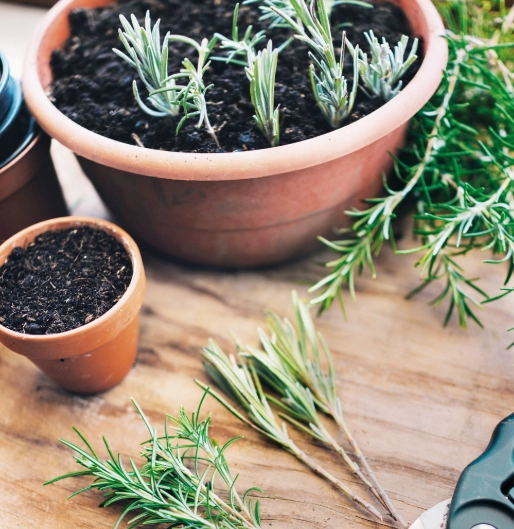
Applying Compost: A Practical Guide for New and Established Plants
For New Lavender Plantings
Plant high. After preparing your soil mix, create a slight mound. Place the lavender's root ball so the top is slightly above the surrounding soil level. This promotes surface water runoff away from the crown. Backfill with your mix, water in once to settle, and then do not add a thick mulch of compost. A thin layer of gravel or crushed stone is a far better top dressing.
For Established Lavender Plants
Established lavender needs almost no feeding. The main use for compost here is a light, annual top-dressing in early spring. Take a handful of your best, crumbly, screened compost and very lightly scratch it into the soil surface around the plant, staying well away from the woody stem base. This mimics natural nutrient cycling from leaf drop without smothering the plant. I'm talking about a cup for a large plant, max.
Many people kill mature lavender by heaping rich mulch or compost around it, encouraging stem rot. Less is more. If your lavender is blooming well and has silvery-green foliage, it's happy. Don't mess with it.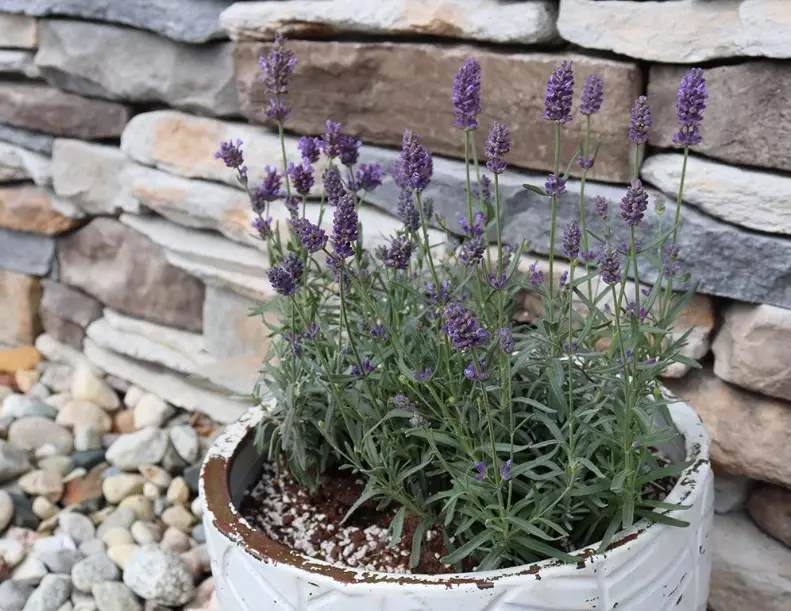
Common Compost Mistakes (And How to Fix Them)
- Mistake 1: Using compost as a mulch. A thick layer retains moisture against the stems, inviting rot. Fix: Use inorganic mulch like pea gravel, stone, or sand.
- Mistake 2: Adding compost every year "for nutrients." This slowly enriches the soil, making it too fertile for lavender. Fix: Top-dress only every 2-3 years if growth seems weak, and use leaf mold instead of rich compost.
- Mistake 3: Not screening compost. Big chunks of undecomposed material can create wet pockets. Fix: Run compost through a 1/2-inch mesh screen before mixing.
- Mistake 4: Amending only the planting hole in heavy soil. This creates a "pot in the ground" that fills with water. Fix: Amend a wide, shallow area or build a raised bed.
I see Mistake 2 all the time. A gardener's instinct is to nurture, but with lavender, that nurturing looks like neglect. The best thing you can do is provide perfect drainage and then mostly leave it alone.
Your Compost for Lavender Questions, Answered
The bottom line is this: treat compost for lavender not as food, but as a structural component. Its job is to create an airy, well-drained home for the roots, not to provide a feast. Get that right, and you'll have robust, fragrant lavender that shrugs off winter and blooms profusely with minimal care. It's about working with the plant's nature, not against it.
Comments