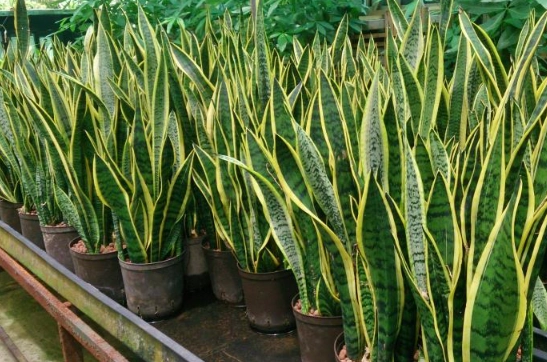
You just brought home a snake plant, also known as Sansevieria or mother-in-law's tongue. It's supposed to be the ultimate indestructible houseplant, the one you can't kill. Then you google "how often do you water a snake plant" and get hit with a wall of conflicting advice: "once a week," "every two weeks," "when the soil is dry." It's enough to make you want to give up before you start. Let me cut through the noise. The single most common way people kill a snake plant is by loving it to death with too much water. I've seen it countless times. The good news? Getting it right is simpler than you think, but it requires forgetting about a strict calendar schedule.
What's Inside: Your Quick Navigation
- The One Simple Rule for Snake Plant Watering
- What Changes Your Watering Schedule? (Light, Pot, Season)
- How to Water Properly (It's Not Just Frequency)
- Clear Signs You're Watering Too Much (or Too Little)
- Seasonal Adjustments: Summer vs. Winter Care
- Pro Tips From a Decade of (My) Mistakes
- Your Burning Questions, Answered
How Often Should You Water a Snake Plant? (The Simple Rule)
Here's the core principle that never fails: Water your snake plant only when the soil is completely dry all the way through the pot. I mean bone dry.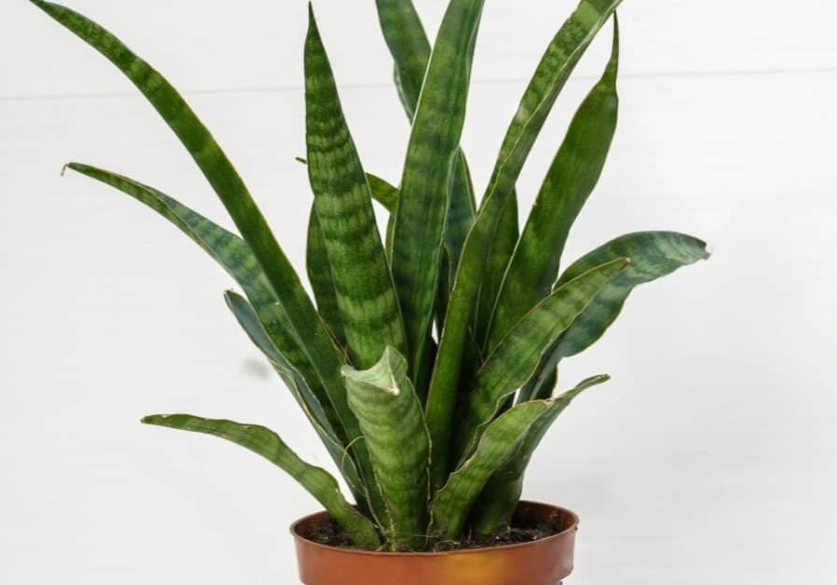
Forget "once a month" or "every 14 days." Those are guesses. Your plant doesn't live on a calendar. In a bright, warm room, the soil might dry out in 10 days. In a cool, low-light corner of your bedroom, it could take 5 or 6 weeks. I had one in a north-facing bathroom that I watered maybe three times all winter.
The best tool for this isn't a fancy moisture meter (though they can help beginners). It's your finger. Stick your index finger deep into the soil, at least up to your second knuckle. If you feel any coolness or dampness at all, walk away. Don't water. Check again in a few days. If it's dry, crumbly, and pulls away from the edges of the pot, it's time.
What Drastically Changes Your Watering Schedule?
If the rule is "water when dry," what makes the soil dry faster or slower? These four factors are everything.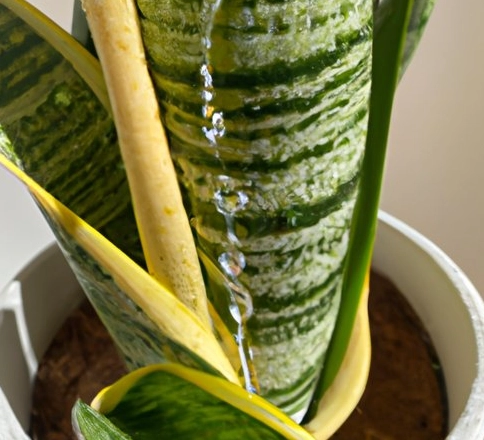
1. Light Exposure (The Biggest Factor)
More light means the plant photosynthesizes more and uses water faster. A snake plant in a sunny south-facing window will need water more frequently than its identical twin in a dim office corridor. This is the variable that makes generic schedules useless.
2. Pot Size and Material
A small pot dries out much faster than a large one. A terracotta (clay) pot is porous, allowing water to evaporate through the sides, speeding up drying. A plastic or glazed ceramic pot holds moisture in the soil much longer. A plant in a large, glazed pot in low light is a recipe for overwatering if you're not extremely careful.
3. Season and Indoor Temperature
Plants grow actively in the warmer, brighter spring and summer months. They're semi-dormant in fall and winter. Water usage plummets in winter. You might water every 3-4 weeks in summer and every 6-8 weeks (or longer) in winter.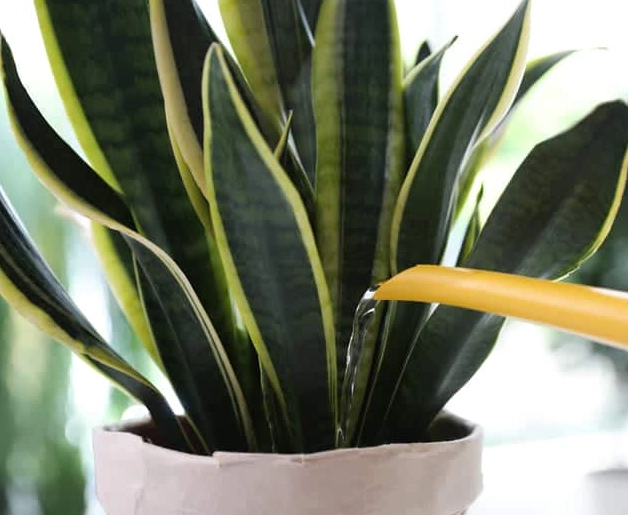
4. Soil Mix
Standard potting soil often retains too much moisture. A well-draining mix, like a cactus/succulent blend or a homemade mix with plenty of perlite or pumice, is critical. It creates air pockets and lets excess water drain immediately, preventing the roots from sitting in wetness.
| Your Plant's Situation | Estimated Drying Time | Typical Watering Frequency |
|---|---|---|
| Bright, direct light (South window), small terracotta pot | 7-10 days | Every 1.5 weeks |
| Medium, indirect light (East/West window), standard plastic pot | 14-21 days | Every 2-3 weeks |
| Low light (North window/room interior), large ceramic pot | 30-50 days | Every 4-7 weeks |
| Winter conditions (low light + cool temps), any pot | 40-60+ days | Every 6-10 weeks |
Use this table as a starting reference, but always verify with the finger test.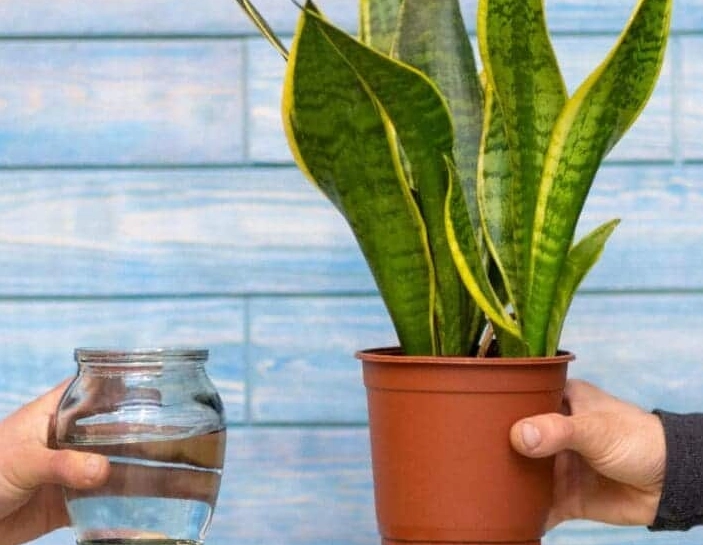
How to Water Properly: The Soak-and-Drain Method
Frequency is only half the battle. How you water is just as important. The goal is to mimic a rare, heavy desert rain, followed by a complete drought.
- Use a pot with a drainage hole. This is non-negotiable for beginners. No holes equals a death sentence for the roots.
- Take the plant to a sink, bathtub, or outside.
- Water slowly and evenly over the entire soil surface until water flows freely out of the bottom drainage hole. Don't stop when you see a trickle; keep going until it's a steady stream for a few seconds. This ensures the entire root ball is saturated.
- Let the plant drain completely. Leave it in the sink for 30-60 minutes until no more water drips out.
- Return it to its decorative cover pot or saucer. Never let the inner pot sit in a saucer of standing water. Empty the saucer if water collects.
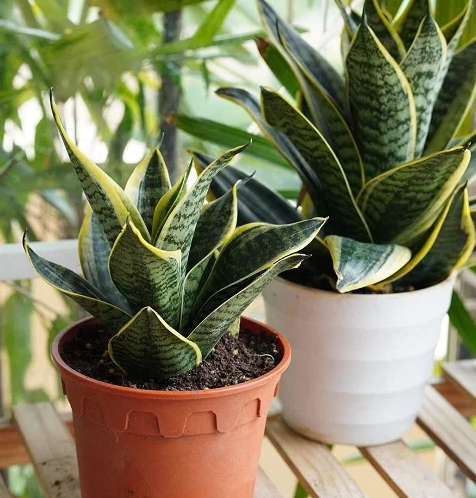
The #1 Subtle Mistake I See: People give their snake plant "a little drink" every week—just a splash on the surface. This only wets the top inch of soil, encouraging roots to grow shallowly and leaving the deeper roots bone dry. This stresses the plant. When you water, water thoroughly. Then, don't water again for a long, long time.
Is Your Plant Thirsty or Drowning? Clear Signs
Your plant will tell you if you're messing up. You just have to know the language.
Signs of Overwatering (Much More Common):
- Yellowing, mushy leaves: Starts at the base, leaves feel soft and may collapse.
- Brown, soft spots on leaves: Like water-soaked bruises.
- Foul smell from the soil: Indicates root rot.
- The entire plant feels unstable or wobbly in the pot.
Signs of Underwatering (Rare, but possible):
- Dry, crispy brown tips or edges: Usually just on the very ends.
- Severely wrinkled, shriveled leaves: The leaves look deflated and thin.
- Soil is hard, compacted, and pulling away from the pot edges.
Here's the kicker: symptoms of overwatering and underwatering can look similar (brown leaves). The key differentiator is texture. Overwatered = soft and mushy. Underwatered = dry and crispy.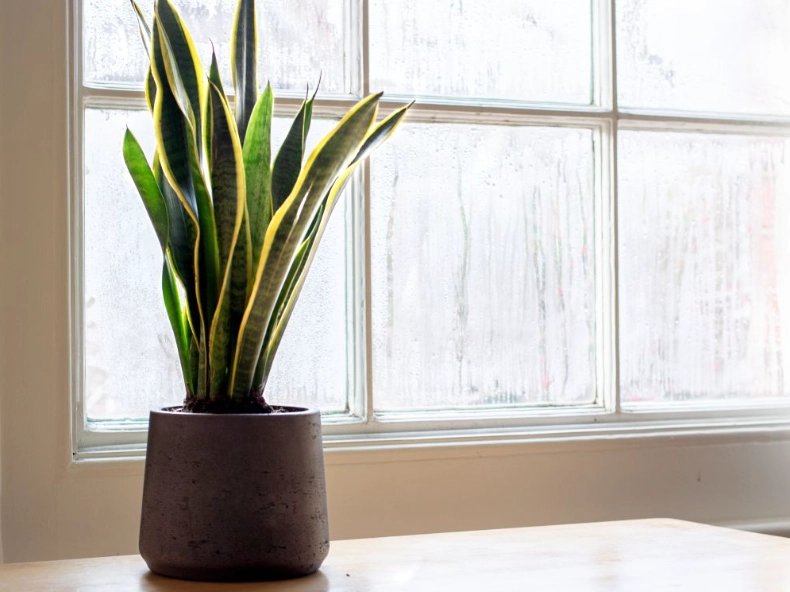
Seasonal Adjustments: Summer vs. Winter Care
This is where you transition from a plant owner to a plant steward. You adjust your care to the plant's natural rhythm.
Spring & Summer (Active Growth Season)
Your plant is awake and may even put out new shoots (called pups). The soil will dry faster. Stick to the finger test, but expect to water more often. This is also the only time you might consider a diluted, balanced fertilizer—once at the start of spring and maybe once mid-summer. Half strength is plenty.
Fall & Winter (Dormant Season)
Growth slows or stops. Light levels drop, and indoor heating can create dry air but cooler root zones. This is the danger zone for overwatering. Your watering intervals should stretch out significantly. The finger test might reveal moist soil for weeks on end. That's fine. Wait. In winter, it's better to err on the side of underwatering. I often go 2+ months between waterings for my low-light snake plants in winter.
Pro Tips From a Decade of (My) Mistakes
These aren't from a textbook. They're from keeping dozens of snake plants alive in all sorts of conditions.
- Ignore the "Ice Cube" Trend: Some suggest placing ice cubes on the soil. Don't. The cold shock can damage tropical roots, and it rarely provides enough water to soak the root ball properly.
- Bottom Watering Can Work, But... Setting the pot in a tray of water and letting it soak upwards is great for ensuring even saturation. But you must remove it once the topsoil feels moist and let it drain just as thoroughly. It's not a set-and-forget method.
- The Pot Weight Trick: Lift your pot right after a good watering. Feel how heavy it is. Lift it again when you think it's dry. It will be surprisingly light. This is a fantastic secondary check, especially for large floor plants where the finger test is hard.
- When in Doubt, Wait it Out. If you're unsure if the soil is dry, give it three more days. A snake plant can easily survive drought. It cannot survive constantly wet roots.
Your Burning Questions, Answered
Can I use a self-watering pot or a watering globe for my snake plant?
I strongly advise against it, especially if you're new to snake plants. These devices provide a constant, low level of moisture to the soil, which is the exact opposite of what a snake plant needs—a cycle of thorough soaking followed by complete dryness. They virtually guarantee root rot over time. The only possible exception would be for an expert using a very fast-draining soil mix in a specific climate, but even then, it's risky.
My snake plant is in a pot with no drainage hole. How do I water it without killing it?
You're playing on hard mode. The only safe way is to be extremely precise with water volume. You must calculate roughly how much water the dry soil can absorb before the excess pools at the bottom. A rule of thumb is to add no more than 1/4 to 1/3 of the pot's volume in water. Pour slowly and stop immediately if you see any water not being absorbed. Alternatively, and this is my strong recommendation, repot it into a container with a drainage hole. Keep the decorative pot as an outer cover. Your plant's long-term survival depends on it.
The leaves of my snake plant are drooping or folding inwards. Does it need water?
Not necessarily. Snake plant leaves are rigid and upright. If they're drooping or folding, it's often a sign of a more severe problem, usually advanced overwatering and root rot that has compromised the leaf's structural integrity. Check the soil and the base of the leaves immediately. If the soil is wet and the base is soft, you likely have rot. If the soil is dust-dry and the leaves are thin and wrinkled, then it's severe underwatering. The drooping from overwatering is a limp, collapsing droop. From underwatering, it's a shriveled, inward-curling droop.
Should I mist my snake plant's leaves for humidity?
No. Snake plants are not tropical humidity lovers like ferns. They thrive in average household humidity. Misting does little to raise humidity and, more importantly, can lead to water sitting in the crown of the plant (where leaves meet), which can cause fungal issues or rot. Wipe the leaves with a damp cloth occasionally to remove dust, which helps it photosynthesize, but skip the misting bottle.
I haven't watered my snake plant in over two months and the soil is still damp. What's wrong?
This points to one or more of these issues: far too little light, a pot that's much too large for the root system, a non-porous pot (plastic/glazed ceramic), or a soil mix that retains water like a sponge. The plant is essentially sitting in a cold, wet environment. This is a high-risk situation. Consider moving it to a brighter spot (gradually) and, when you can, repotting it into a smaller pot with a gritty, fast-draining cactus mix.
So, how often do you water a snake plant? You don't water on a schedule. You water based on the dryness of the soil, which is influenced by light, pot, season, and temperature. Make the finger test your ritual. Embrace the soak-and-drain method. And when that little voice says "maybe it's thirsty," tell it to wait a week. Your snake plant will thank you with years of resilient, architectural beauty, proving that sometimes, the best care is careful neglect.
Comments