Quick Guide
Let's be honest. Gardening is a practice in patience. You plant a tiny seed, water it, watch it, wait... and wait some more. For weeks, sometimes months, you're staring at dirt, hoping for a sign of life. It's enough to make anyone a little, well, impatient.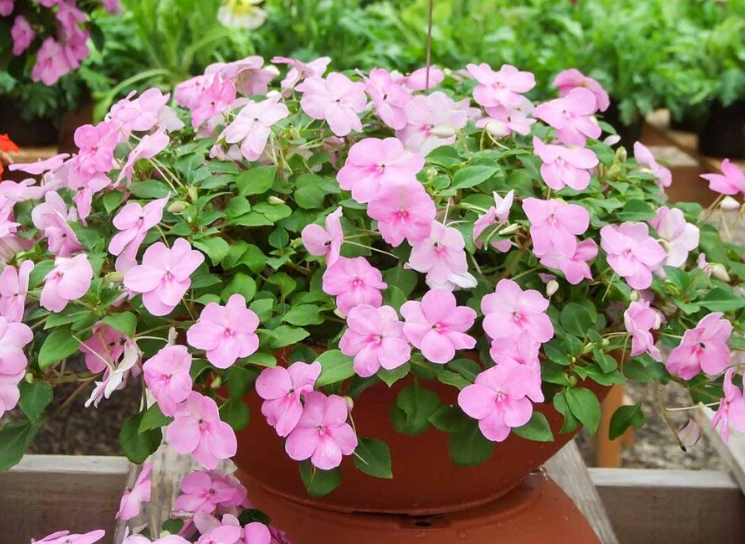
I've been there. I remember planting some classic perennials one spring, following all the instructions, dreaming of a cottage-core explosion of color. By mid-summer, my garden looked more like a well-tended plot of soil with a few hopeful green stems. My neighbor, on the other hand, had a riot of color that seemed to appear overnight. When I asked her secret, she just smiled and said, "Oh, I'm an impatient gardener. I only plant impatient flowers."
That's what we're diving into today. The world of impatient flowers isn't about fussy, difficult plants. Quite the opposite. It's about smart choices—selecting varieties genetically predisposed to sprint, not stroll, from seed or seedling to glorious bloom. These are the plants for the beginner who needs a confidence boost, the busy person who can't baby-sit seedlings for months, or anyone who simply wants to see results before they lose interest.
Think about it. Why do we garden? For the process, sure. But also for the payoff—the beauty, the fragrance, the life. Impatient flowering plants compress that timeline, delivering satisfaction in a matter of weeks. They're the quick win that keeps you motivated to tackle the slower, long-term projects in your green space.
Top Contenders: The Speed Demons of the Flower World
If you're looking for fast results, you need to know your players. Not all quick bloomers are created equal. Some are tougher, some are showier, and some will surprise you with how little they ask for in return.
I've grown most of these myself, some with great success and others... well, let's just say I learned a few lessons the hard way. Here’s a breakdown of the most reliable impatient flowers you can count on.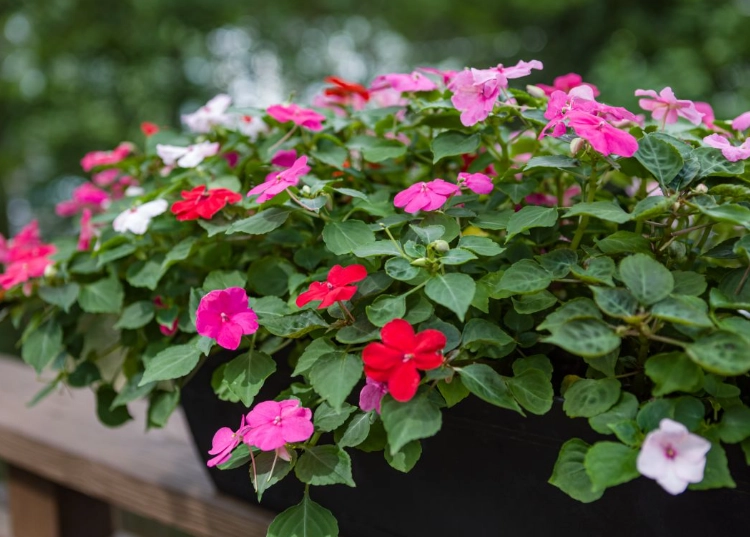
| Flower Name | Typical Seed to Bloom Time | Key Characteristics & Why It's Impatient | Best For |
|---|---|---|---|
| Sweet Alyssum | 6-8 weeks | Tiny seeds germinate in under 10 days. Forms a low, fragrant carpet of white, pink, or purple blooms that just doesn't quit. It's almost aggressively eager to flower. | Edging, containers, filling gaps. Incredibly forgiving. |
| Calendula (Pot Marigold) | 6-8 weeks | Large, easy-to-handle seeds. The seedlings are robust and seem to push out cheerful orange or yellow daisy-like flowers non-stop. A true workhorse. | Cottage gardens, edible flowers (petals), cutting. Self-sows readily for next year. |
| Nasturtium | 4-6 weeks | These might be the most impatient of all. Big seeds you can literally poke into the soil. They hate rich soil and fuss—neglect them a bit and they flower more. Peppy blooms in red, orange, yellow. | Poor soil, trailing over walls, edible leaves and flowers. Beginner's best friend. |
| Sunflower (Dwarf Varieties) | 8-10 weeks | While giant sunflowers take all summer, dwarf types like 'Sunspot' or 'Teddy Bear' are in a hurry. You get the iconic sunny look in a fraction of the time and space. | Quick height, kid-friendly gardening, guaranteed smiles. |
| Bachelor's Button (Cornflower) | 10-12 weeks | Old-fashioned charm with modern speed. Germinates in cool soil, so you can sow it early. Produces prolific true-blue flowers on wiry stems. It just has a speedy, no-nonsense growth habit. | Cutting gardens, wildflower looks, attracting pollinators. |
That table gives you the headline acts. But there are plenty of supporting players. Let's not forget impatient flowers like Johnny Jump-ups (violas), which seem to flower perpetually, or Borage, which shoots up like a beanstalk and drops its beautiful blue star-shaped flowers almost as an afterthought. Then there's the humble Marigold (Tagetes). Some gardeners find them too common, but you can't argue with their speed and pest-deterring reliability. I used to snub them, but after a brutal slug year where they were the only thing left standing, I gained new respect.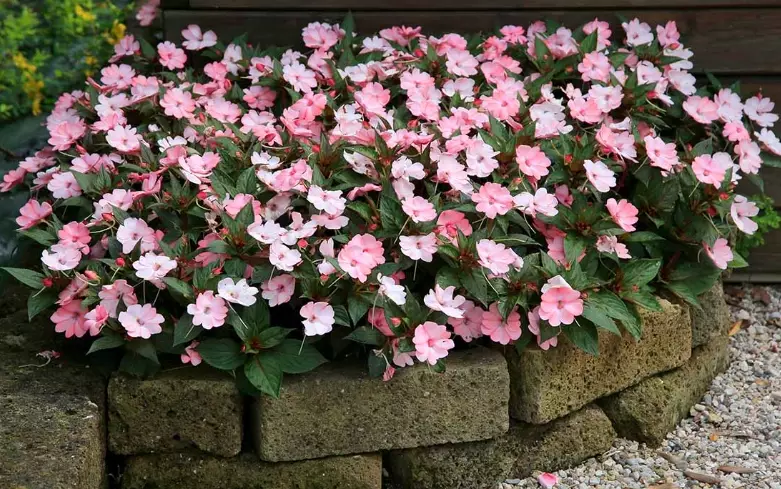
How to Really Make Your Impatient Flowers Thrive (It's Not Just Planting)
Choosing the right speedy bloomer is half the battle. The other half is giving it the launchpad it needs. These plants are fast, but they're not magic. They can't overcome fundamental problems. Here’s how to set the stage for a sprint, not a stumble.
Soil: Don't Overthink It, But Get This Right
Many impatient blooming plants are actually adapted to less-than-perfect conditions. Nasturtiums, as mentioned, bloom better in average, even slightly poor soil. Rich soil gives you all leaves and no flowers. It's a common mistake.
The universal need, however, is drainage. Soggy soil is a death sentence for speed. Roots rot, growth stalls. Your fast track becomes a mud pit. If you have heavy clay, amend it with some compost or coarse sand. For containers, use a quality potting mix, never garden soil.
Sunlight: The Non-Negotiable Fuel
This is where I see most failures. People plant sun-loving impatient flowers in partial shade and wonder why they're leggy and flowerless. Most of these speed demons need a minimum of 6 hours of direct sun. More is better. Sunlight is the energy source for their rapid growth and bloom production. No fuel, no fireworks.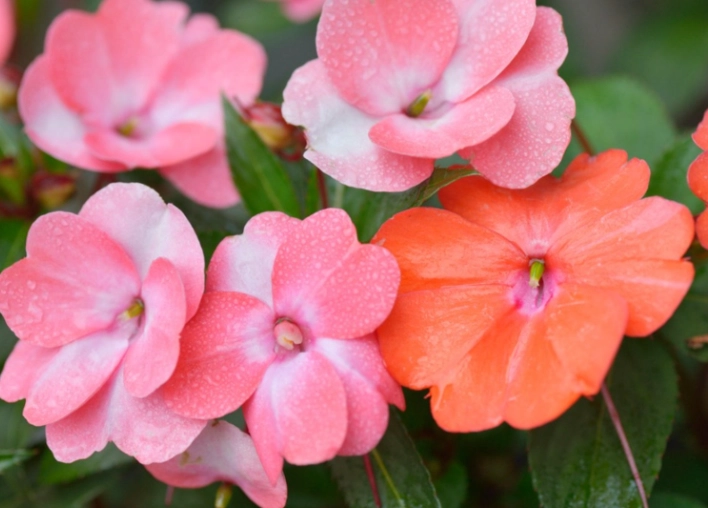
Read the seed packet. If it says "full sun," believe it. There are a few exceptions for shadier spots—look at impatiens (the ironically named, shade-loving bedding plant) or certain forget-me-nots. But the classic, ultra-fast annuals crave those rays.
Watering: Consistent, Not Constant
Fast growth requires water. But there's a rhythm. Keep the soil consistently moist for seeds and seedlings. Letting them dry out at this stage is a disaster—they're too tender to recover.
Once established, many of these plants are surprisingly drought-tolerant. The key is deep, infrequent watering rather than daily sprinkles. This encourages roots to go down deep, making the plant more resilient. I killed my first patch of sweet alyssum with kindness—daily light watering led to shallow roots and then a scorching weekend did them in. Lesson learned.
The Secret Sauce: Succession Planting
Here's the master strategy that truly leverages the power of impatient flowers. Don't plant everything at once. Sow a new batch every 2-3 weeks. Why? Because many of these quick bloomers have a concentrated, glorious burst of flowers and then start to look tired. Just as one batch is peaking, the next is coming up behind it.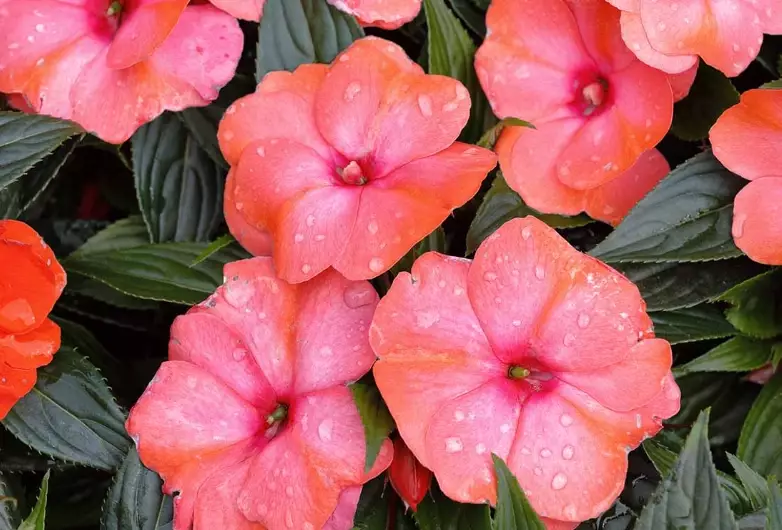
This is how you get continuous, season-long color from plants that individually might only look great for a month. It's the ultimate hack for the impatient gardener.
Beyond the Basics: Questions You're Probably Asking
Okay, you get the idea. Fast flowers exist, and you know how to plant them. But real-life gardening is messier. Here are some specific questions and situations that aren't always covered in the basic guides.
Absolutely. In fact, containers are perfect for them. You have complete control over the soil and can move them to catch the sun. Dwarf sunflowers, nasturtiums (especially trailing varieties), sweet alyssum, and compact calendula are fantastic in pots. The key is a big enough container—don't cram them in. Roots need room to run fast too.
Indoors is trickier. They need strong, direct light from a south-facing window or, more reliably, a grow light. Without intense light, they get leggy and weak. I've tried it on a sunny windowsill with only moderate success. It's doable, but outdoor container gardening is a much easier path to success with these plants.
Most true impatient flowers are annuals. They live their whole life cycle in one season, which is part of why they're in such a rush to reproduce (flower and set seed).
But there are a few perennials that act impatiently. Daylilies (Hemerocallis), for instance, establish and bloom relatively quickly for a perennial. Coreopsis and Rudbeckia (Black-eyed Susan) are often sold in larger pots and will often flower the first year you plant them, even if they take longer to reach full size. For a deeper dive into plant lifecycles and selection, resources like the Missouri Botanical Garden's Plant Finder are invaluable for checking specific habits.
Sometimes. Aphids seem to love the tender, quick growth of nasturtiums and sunflowers. I use nasturtiums as a "trap crop"—I let the aphids congregate there and then blast them off with water or leave them for ladybugs, protecting my more prized veggies nearby. It's a strategy, not a flaw.
Slugs and snails love seedlings of almost everything. Be vigilant at dawn and dusk. Beer traps, copper tape, or just hand-picking can make a huge difference in those critical first weeks.
Let's troubleshoot. The usual suspects are:
- Too much nitrogen: You used a lawn fertilizer or super-rich compost. This pushes lush green leaves at the expense of flowers.
- Not enough sun: The number one cause. They need direct light to trigger flowering.
- Old seeds: Seed viability drops over time. Fresh seeds germinate faster and more vigorously.
- Weather: A cold snap after planting can put everything on hold. Some impatient flowering plants just won't move until they're warm enough.
The Bigger Picture: Why This Approach to Gardening Matters
Focusing on impatient flowers isn't about promoting a disposable, instant-gratification mindset in gardening. It's about accessibility and sustainability of interest.
For new gardeners, quick success is the hook that pulls them deeper into the hobby. Nothing is more discouraging than failure after months of waiting. A basket of blooming nasturtiums in six weeks builds confidence to try a tomato plant or a rose bush next.
For ecosystems, many of these fast bloomers, like calendula, borage, and bachelor's buttons, are phenomenal for pollinators. They provide early and consistent nectar sources. You're not just getting quick color; you're running a fast-food joint for bees and butterflies, which is crucial for the health of your whole garden.
It also changes how you see your space. Gaps in perennial borders? Pop in some impatient annuals. Bare spot after harvesting garlic? Sow some quick-blooming cosmos. This approach makes your garden dynamic, responsive, and constantly engaging.
Look, I still love my slow-growing peonies and the anticipation of spring bulbs. But interplanting them with the speedy characters—the impatient flowers—means there's always something happening. There's always a reward for the time you put in. It keeps the garden feeling alive and responsive, rather than a long-term investment you only see returns on once a year.
So, if you've ever felt discouraged by the slow pace of the garden, or if you're just starting out and want to ensure your first foray is a success, start with the impatient ones. Let their speedy, cheerful blooms build your confidence and fill your space with life, fast. You might find that this approach doesn't just fill your garden with flowers; it reignites your joy in gardening itself.
Comments