Quick Guide Navigation
- What Even Is a Moth Orchid? (Beyond the Grocery Store)
- How to Pick a Winner (Not a Dud) at the Store
- The Real Care Guide: Forget the Ice Cube Myth
- Popular Types of Moth Orchids: A Quick Comparison
- Getting That Glorious Rebloom (The "What Now?" Phase)
- Problems, Pests, and Panic Moments (And How to Fix Them)
- Final Thoughts: It's a Relationship, Not a Chore
Let's be honest. Your first moth orchid probably died. Mine did. I got it as a gift, it bloomed beautifully for months, then... nothing. Just a pot of sad, green leaves that eventually turned to mush. I thought I had a black thumb. Turns out, I was just following bad advice.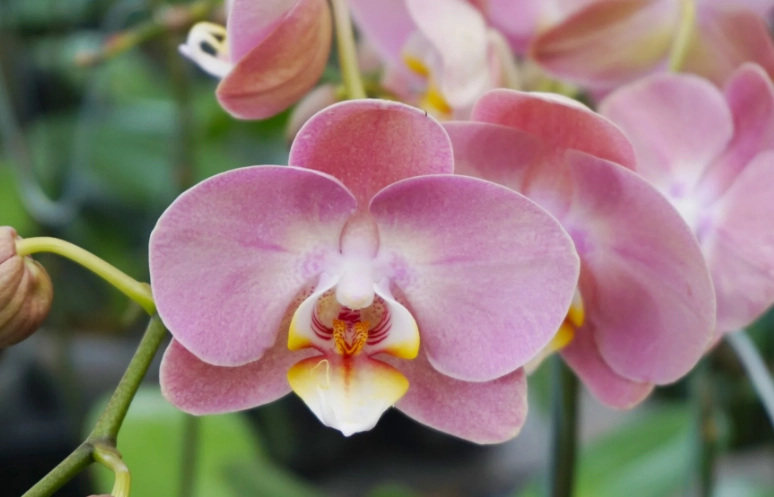
The Phalaenopsis, or moth orchid, has this unfair reputation for being difficult. It's not. It's just different. It doesn't grow like a geranium or a spider plant. Once you understand what it actually wants—which is surprisingly little—keeping a moth orchid alive and getting it to rebloom becomes almost effortless. This isn't about complicated schedules or fancy fertilizers. It's about unlearning what you know about houseplants and seeing the world from the perspective of an epiphyte that lives on tree branches in the rainforest.
What Even Is a Moth Orchid? (Beyond the Grocery Store)
You see them everywhere—supermarkets, home stores, even gas stations. But the common Phalaenopsis you find is just the tip of the iceberg. The name "moth orchid" comes from the Greek words 'phalaina' (moth) and 'opsis' (resemblance), because the flowers look like a flock of moths in flight. They're native to parts of Asia and Australia, growing attached to trees (not in soil) in warm, humid, and shaded forests.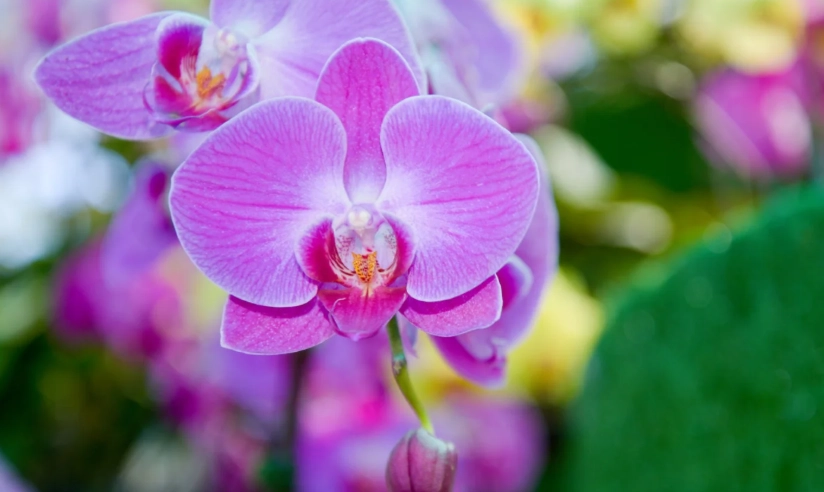
This origin story is the key to everything. No soil means their roots are adapted to grab onto bark, soak up rain quickly, and then dry out fast in the breezy canopy. They get dappled light, never direct sun. The temperature is consistently warm with a slight, natural drop at night. This isn't just trivia; it's the care manual.
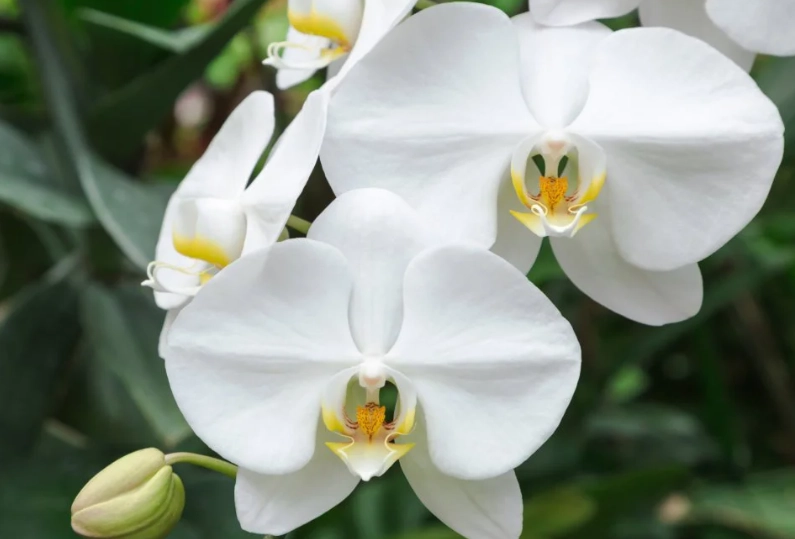
There's a whole world beyond the classic white or purple hybrid. Breeders have created miniature moth orchids, ones with striped or spotted patterns (they call them harlequins), and even varieties with fragrant flowers. The American Orchid Society maintains a fantastic, searchable database of recognized orchid hybrids if you want to dive down that rabbit hole and see the incredible diversity. It's a great resource to understand the parentage of what you might be buying.
How to Pick a Winner (Not a Dud) at the Store
This step is more important than any watering technique. Bringing home a healthy plant sets you up for success. Bringing home a stressed one is an uphill battle.
Lift the pot and look at the roots through the clear plastic liner. This is the number one check. Healthy moth orchid roots are thick, silvery-green when dry, and turn a vibrant green when wet. They should look plump and firm. Walk away if you see mostly brown, mushy, or papery-thin roots. A few aerial roots (the ones sticking out of the pot) are perfectly normal and healthy—that's just how they grow in the wild.
Check the leaves. They should be firm, slightly leathery, and a uniform medium to dark green. Yellowing lower leaves can be a natural shed, but multiple yellow leaves or leaves with black, mushy spots are a red flag. Avoid plants with leaves that look wrinkled or pleated—this is a sign of severe dehydration or root loss.
Finally, look at the flowers and buds. It's tempting to pick the plant in full, glorious bloom, but I often go for one with more unopened buds. That way, I get to enjoy the show for longer in my own home. Make sure the flower spike is staked nicely and isn't broken.
The Real Care Guide: Forget the Ice Cube Myth
Let's dismantle the biggest piece of orchid misinformation on the internet: watering with ice cubes. The idea is that three ice cubes a week provide the perfect amount of water. It's marketed as "idiot-proof." I think it's plant-proof. Moth orchids are tropical plants. Their roots are sensitive to extreme cold. Dumping ice on them can shock the roots, damage the tissues, and over time, kill the plant. Just use room temperature water. Please.
Light: The Sweet Spot
Moth orchids need bright, indirect light. Direct hot sun, especially through a south or west window in summer, will scorch their leaves, leaving ugly white or brown sunburn patches. Too little light, and they'll grow dark green, floppy leaves and refuse to bloom.
The perfect spot? An east-facing window is ideal. A north window can work if it's very bright. A south or west window is fine if you diffuse the light with a sheer curtain. Here's a simple test: place your hand about 12 inches above the leaves around noon. You should see a soft, fuzzy shadow. A sharp, dark shadow means the light is too direct.
Watering: The Soak and Dry Method
This is the game-changer. Don't dribble a little water on top. When the potting mix is dry and the roots look silvery (not green), take the inner plastic pot to the sink. Run lukewarm water through the pot for a good 30 seconds, making sure the chunky bark mix is thoroughly soaked. Let all the excess water drain completely out the bottom. I mean it—let it sit in the sink for 5 minutes. Then put it back in its decorative pot. Never let the orchid sit in a saucer of water. Root rot from soggy conditions is the #1 killer of moth orchids.
How often? There is no weekly schedule. It could be every 5 days in a hot, dry room, or every 12 days in a cool, humid one. The pot will feel light when it's dry. Your eyes and the color of the roots are better guides than the calendar.
Temperature & Humidity
They like the same temperatures you do: 65-80°F (18-27°C) during the day. The magic trick for triggering flower spikes is a consistent nighttime drop of about 10-15 degrees for a few weeks in the fall. This mimics their natural environment. Just moving it to a slightly cooler room at night can do the trick.
Humidity is where modern homes fall short. They prefer 50-70% humidity. If your air is dry (especially in winter), you can set the pot on a humidity tray—a shallow tray filled with pebbles and a bit of water (keep the pot above the water line). Grouping plants together also creates a microclimate.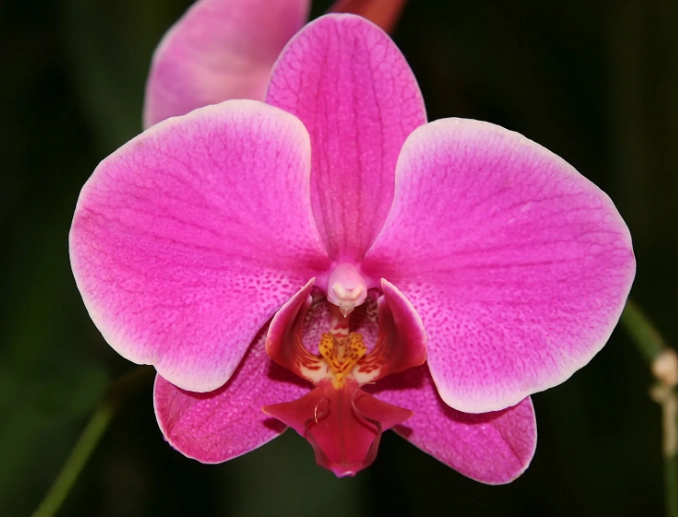
Feeding and Potting Mix
You don't need to fertilize often. A balanced, water-soluble orchid fertilizer (look for one with equal NPK numbers like 20-20-20) used at half-strength every other watering during the growing season (spring and summer) is plenty. In fall and winter, fertilize once a month or not at all.
The potting mix is critical. It must be chunky and airy. A typical mix contains large chunks of fir or pine bark, perlite, and maybe some charcoal. You can buy pre-mixed orchid bark from any garden center. Repot your moth orchid every 2-3 years, or when the bark breaks down into compost (it loses its chunky texture). Spring, after flowering, is the best time.
Popular Types of Moth Orchids: A Quick Comparison
Not all Phalaenopsis are created equal. Some are more forgiving than others. Here's a look at a few common types you might encounter.
| Type | Key Characteristics | Best For | My Notes |
|---|---|---|---|
| Standard Hybrid | Large, round flowers in white, pink, purple, or yellow. The classic grocery store type. | Beginners. Widely available, very adaptable, and bred for resilience. | These are the workhorses. They can tolerate a wider range of mistakes and still rebloom reliably. |
| Miniature Phalaenopsis | Smaller plant and flowers, often with multiple spikes. Comes in many colors. | Small spaces, windowsills, or creating collections. Often more prolific bloomers. | I love these. They seem to have more personality. Care is identical, just on a smaller scale. |
| Harlequin/Spotted | Flowers with dramatic spots, stripes, or blotches in contrasting colors. | Those wanting unique, eye-catching blooms. The patterns can be stunning. | Some of these patterns are caused by viral infections (which are harmless to the plant but transmissible to others). Buy from reputable sources. |
| Species Phalaenopsis | The wild, original forms (e.g., Phalaenopsis amabilis, P. schilleriana). Smaller, often fragrant flowers. | Collectors and experienced growers. They offer unique shapes and scents. | These can be more particular about humidity and care. Not the best choice for a first moth orchid, but a wonderful goal. |
Getting That Glorious Rebloom (The "What Now?" Phase)
So the last flower has fallen. Now what? Most people toss the plant, thinking it's done. This is the biggest waste!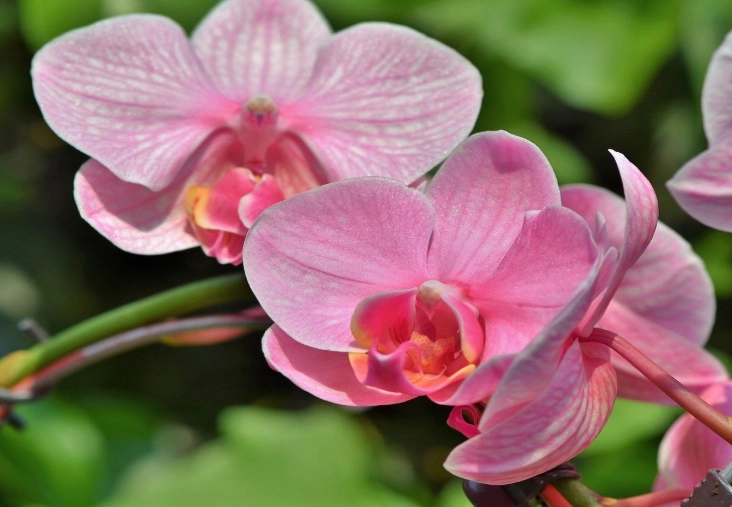
First, decide what to do with the flower spike. Look at it closely. If it's still green, you have options:
- Option A (The Easy Way): Cut the spike off about an inch above the bottom node (those little triangular bumps on the stem). This encourages the plant to put energy into leaves and roots, building strength for a bigger bloom next year.
- Option B (The "Let's See" Way): If the spike is healthy, you can cut it just above the second or third node from the bottom. Sometimes, the plant will produce a secondary spike or "keiki" (a baby plant) from one of these nodes. It's not guaranteed, but it's fun to try.
If the spike has turned brown and crispy, just cut it off at the base.
Now, continue with normal care—light, water, fertilizer. Be patient. The plant needs time to recharge. The key to triggering a new flower spike is that temperature drop I mentioned earlier. In the fall, try to give it cooler nights (around 55-60°F) for 3-4 weeks. A new spike usually emerges from the base between two leaves and looks like a little mitten. Once you see it, you can resume normal temperatures.
Problems, Pests, and Panic Moments (And How to Fix Them)
When to Repot (And a Step-by-Step)
Repot when:
- The potting mix has broken down and looks like soil (usually every 2-3 years).
- The roots are so overcrowded they're pushing the plant up and out of the pot.
- You suspect root rot (mushy, brown roots).
How to repot:
- Gently remove the plant from its old pot. You may need to cut the plastic pot away.
- Soak the root ball in water to make the old bark easier to remove. Carefully pick away all the old mix.
- With sterile scissors, cut away any dead or mushy roots. Healthy roots are firm. Don't worry if you cut a lot—the plant can recover.
- Pick a new pot that's only 1-2 inches larger in diameter. Orchids like to be snug. Make sure it has excellent drainage.
- Place the plant in the pot and gently fill in around the roots with fresh, pre-moistened orchid bark mix. Tap the pot to settle the mix. Don't bury the base of the leaves (the "crown").
- Wait about a week before watering again to let any root injuries callus over.
Final Thoughts: It's a Relationship, Not a Chore
Keeping moth orchids isn't about following a rigid to-do list. It's about observation. Once a week, really look at your plant. Feel the weight of the pot. Look at the color of the roots. Check the leaves. This simple act of paying attention will tell you more than any schedule ever could.
They are remarkably resilient plants. I've seen moth orchids come back from near-total root loss. They want to live. They want to bloom. We just have to stop working against their nature and start working with it. Give them bright, indirect light, water them thoroughly but infrequently, keep them warm with a cool night break, and pot them in something chunky. That's really it.
Forget the myth of the difficult orchid. With a little understanding, these elegant, long-blooming plants can be the easiest and most rewarding ones on your windowsill.


Comments