That plump aloe vera plant on your shelf isn't just a survivor; it's a living first-aid kit, a skincare cabinet, and a garden helper all in one. Most people know you can use the gel for sunburn, but they stop there. After years of growing and experimenting with dozens of these succulents, I've found most guides miss the nuance. They don't tell you that the yellow sap can irritate your skin, or that the thickest leaves aren't always the best for gel. Let's fix that. This guide will walk you through exactly how to use the aloe vera plant, from the right way to harvest a leaf to specific applications you might not have considered.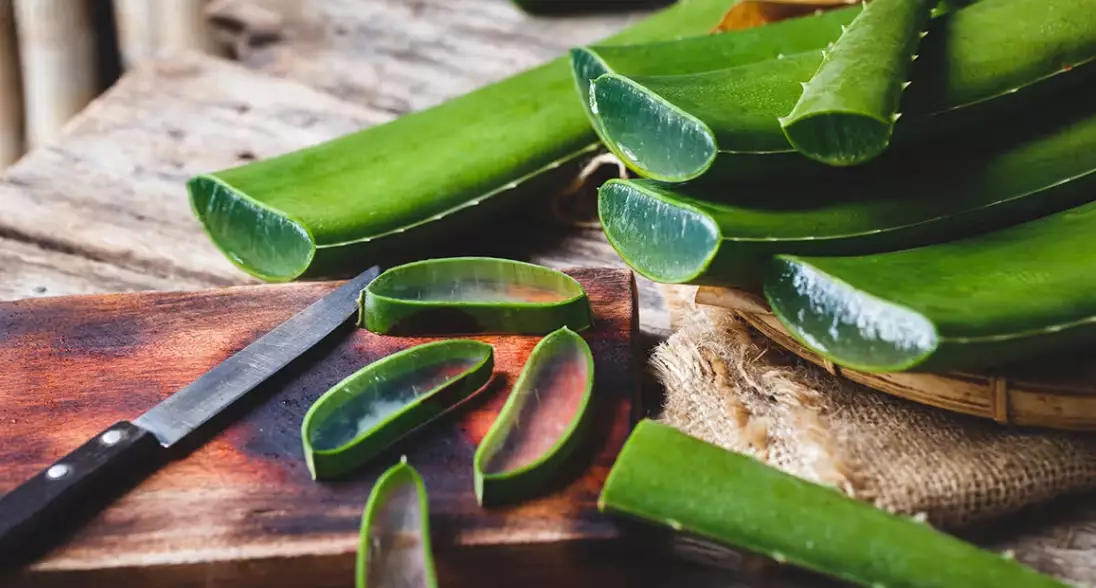
What You'll Find in This Guide
Harvesting and Prepping Your Aloe Leaf: Don't Just Rip It Off
This is where most beginners mess up. A bad harvest can damage your plant or give you inferior gel. You want a mature, outer leaf. Look for one that's thick, fleshy, and pointing mostly outward, not straight up from the center. The plant should be at least a year old.
The Right Way to Harvest
Grab a sharp, clean knife. Don't use scissors—they crush the leaf. Cut the leaf as close to the main stem as possible, using a smooth, downward slicing motion. Expect a clear, yellow-orange sap (called aloin or latex) to ooze from the cut. This stuff is a potent laxative and a skin irritant for many. You want to drain it away from your precious gel.
Place the leaf upright in a glass or bowl for 10-15 minutes. Let the yellow sap drain out. Rinse the leaf. Now, lay it flat on a cutting board. Slice off the serrated edges and the pointed tip. Then, slice the leaf in half lengthwise. You'll see the clear, slippery gel clinging to the inner green skin. Use a spoon to scoop it all out into a clean bowl. If you're using it immediately, that's it. For storage, I find blending the gel for a few seconds creates a smoother consistency that lasts longer in the fridge (about a week in an airtight container).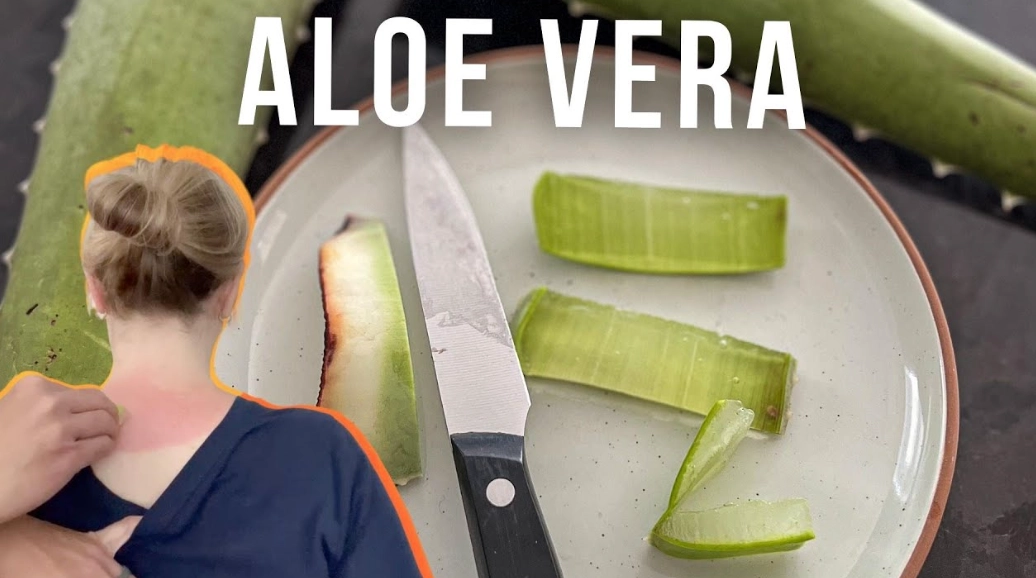
A quick note on safety: Always do a patch test before slathering fresh aloe on a large area of skin. Some people are allergic. If you have severe burns, deep cuts, or a medical condition, consult a doctor before using aloe therapeutically.
How to Use Aloe Vera for Skin and Hair Care
This is the most popular reason people ask how to use the aloe vera plant. The gel is about 99% water, but that remaining 1% is packed with vitamins, minerals, amino acids, and compounds like glucomannan that are fantastic for hydration and repair.
As a Face Moisturizer (Especially for Oily Skin)
Most store-bought moisturizers for oily skin just strip oil away. Aloe hydrates without adding grease. After cleansing, take a pea-sized amount of fresh gel and massage it onto your damp face. It absorbs quickly. I prefer this over the bottled aloe gels, which often have thickening agents and preservatives that can clog pores. For dry skin, mix a drop of your favorite facial oil with the aloe gel.
To Soothe Sunburn and Minor Burns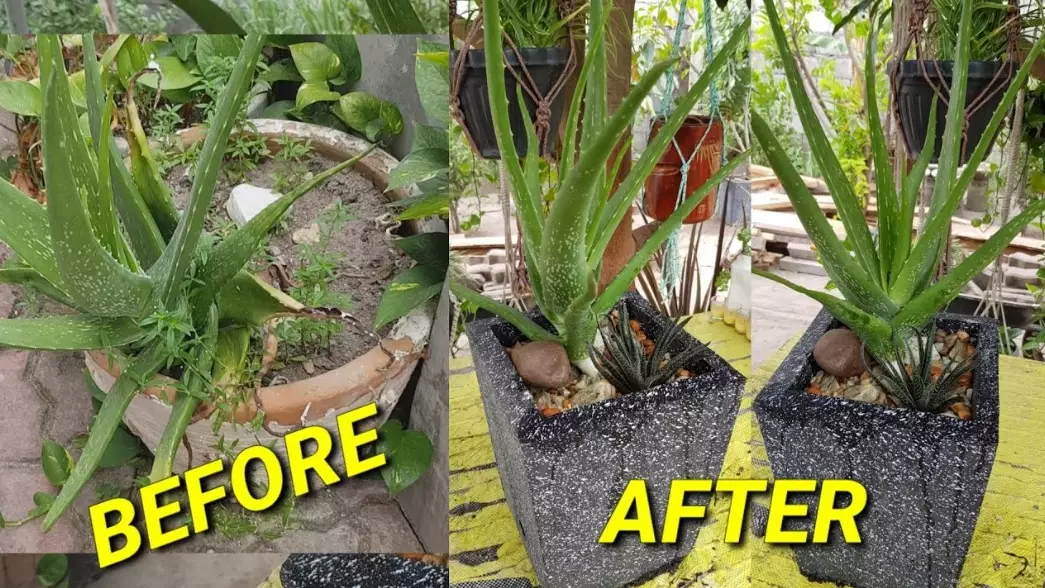
This is classic, but there's a trick. Don't apply it immediately. For a fresh sunburn, cool the skin with a damp cloth or a lukewarm shower first. Pat dry gently. Then apply a thick layer of chilled aloe vera gel. The cooling effect is immediate, and studies, like those referenced by the National Institutes of Health, suggest compounds in aloe can help reduce inflammation and promote healing. Reapply every few hours. It's not a miracle cure for a severe burn, but it makes the recovery process much more comfortable.
As a Hair Mask for Frizz and Scalp Health
Dry, frizzy hair loves aloe. Mix 2 tablespoons of fresh aloe gel with 1 tablespoon of coconut oil or olive oil. Apply it from your mid-lengths to ends, avoiding the roots if your hair is fine. Leave it on for 30 minutes under a shower cap, then shampoo out. For a dry, itchy scalp, massage a small amount of pure, thin aloe gel directly onto your scalp before washing. It has mild antifungal properties and can calm irritation.
Health and Household Uses for Aloe Vera
Your plant's talents extend far beyond the bathroom.
For Digestive Upset (Using the Juice)
This is about the juice, not the gel, and you must be careful. The inner leaf gel, once the yellow latex is completely removed, can be consumed in small amounts. It's often blended into water or smoothies. Some people find it soothing for occasional heartburn or IBS symptoms. However, the evidence is mixed, and consuming too much or using leaves with latex can cause cramping. I only use a tablespoon of thoroughly processed gel in a large smoothie, and I don't do it daily. When in doubt, buy a reputable, purified aloe vera juice drink from a health food store—they've removed the problematic compounds.
As a Natural Hand Sanitizer or Surface Cleaner
Aloe vera gel has some antimicrobial properties. In a pinch, you can mix fresh gel with a few drops of tea tree oil or rubbing alcohol to make a hand cleaner. For surfaces, a paste of aloe gel and baking soda can scrub and deodorize. It's not a substitute for disinfectants against viruses, but it's a great natural cleaner for everyday messes.
To Help Root Plant Cuttings
Gardeners, this one's for you. Dip the cut end of a plant cutting (like a pothos or philodendron) in fresh aloe vera gel before placing it in water or soil. The hormones and antiseptic properties in the gel can stimulate root growth and protect against rot. It's a neat trick that connects one plant's healing power to another's growth.
How to Keep Your Aloe Plant Thriving for Endless Harvests
If you want a reliable source of gel, you need a healthy plant. Aloe vera is easy to kill with kindness, usually from overwatering.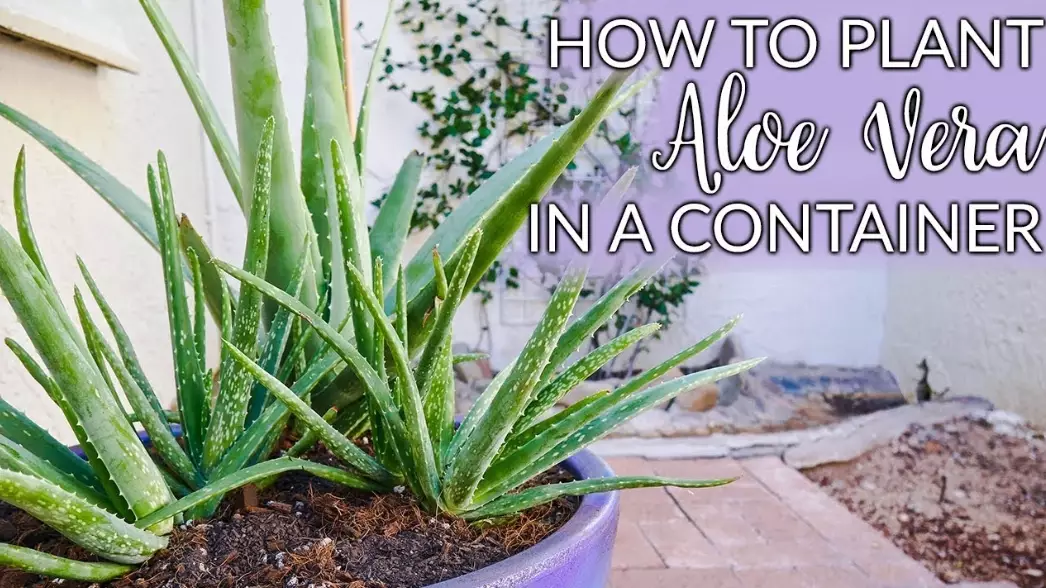
The Non-Negotiables:
- Light: Bright, indirect light is best. A south or west-facing window is perfect. Too little light makes them leggy and weak.
- Water: This is the big one. Soak the soil thoroughly, then let it dry out completely before watering again. In winter, this might mean watering only once a month. I stick my finger deep into the pot—if it's dry, I water. If it's damp, I wait.
- Soil and Pot: Use a cactus/succulent mix. The pot must have a drainage hole. Terra cotta pots are ideal because they wick away moisture.
- Feeding: A half-strength balanced fertilizer once in spring and once in summer is plenty. More is not better.
When you harvest, never take more than 2-3 leaves from a medium-sized plant at once. Always take from the bottom outer ring. This allows the plant to recover and keeps it looking good.
Your Aloe Vera Questions Answered
Can I use aloe vera directly from the plant on my face every day?
Many people can, especially those with oily or acne-prone skin. Its lightweight, non-comedogenic nature makes it a good daily moisturizer. However, start by using it every other day to see how your skin reacts. For some with very sensitive or dry skin, using pure gel daily might be slightly drying over time. In that case, mix it with a drop of oil or use it as a mask a few times a week instead.
Why did my fresh aloe vera gel turn pink or brown in the fridge?
That's oxidation, like an apple turning brown. It means the gel is degrading. While it might still be safe for topical use for a day or two more, its potency is dropping. To slow this down, add a tiny drop of vitamin E oil or a squeeze of lemon juice to the gel before blending and storing. Even with that, fresh gel is best used within 5-7 days. The color change is a sign it's time to toss it.
 Is it safe to eat aloe vera from my houseplant?
This requires extreme caution. The clear inner gel, after the yellow latex is completely removed, is considered edible in small amounts. However, it's very difficult to remove all the latex at home. The latex (aloin) is a strong laxative and can cause severe stomach cramps, diarrhea, and even kidney issues with regular consumption. My advice for beginners: don't eat your houseplant aloe. If you're interested in internal benefits, purchase food-grade aloe vera juice from a trusted brand that has processed and purified it to remove aloin.
My aloe plant leaves are thin and curling inwards. What am I doing wrong?
Thin, curling leaves are the plant's classic cry for water. You're likely underwatering. Remember, "soak and dry" means you need to drench the soil until water runs out the bottom when you do water. Just a splash on the surface won't reach the deep roots. Give it a thorough soak and it should plump up within a week or two. If the leaves are also brown and mushy, that's overwatering—a different and often fatal problem.
 Can I use aloe vera on my dog or cat's skin?
Topically, for small hot spots or minor irritations, pure aloe gel is generally considered safe for pets once the latex is removed. However, pets will lick it off. Ingested aloe can cause vomiting and diarrhea in cats and dogs. It's much safer to use a pet-specific product. For any significant issue, always consult your veterinarian before applying any home remedy.

Comments