Quick Navigation
- Picking Your Perfect Indoor Lavender Partner
- The Non-Negotiables: Light, Soil, and Pot
- The Art of Watering (Or, How Not to Love It to Death)
- Feeding, Pruning, and That All-Important Winter Rest
- Troubleshooting: Solving the Common Problems
- Your Indoor Lavender Questions, Answered
- The Journey from Store to Thriving Plant: A Step-by-Step Walkthrough
Let's be honest. We've all seen those pictures. A gorgeous, sun-drenched windowsill with a pot of lavender looking like it just stepped out of a French countryside postcard. It smells amazing, it looks serene, and you think, "I want that in my living room." So you go out, buy a cute little lavender plant from the store, bring it home, and... it starts looking sad within weeks. The leaves droop, it gets leggy, and that promised burst of purple flowers never quite happens. Sound familiar? I've been there more times than I care to admit.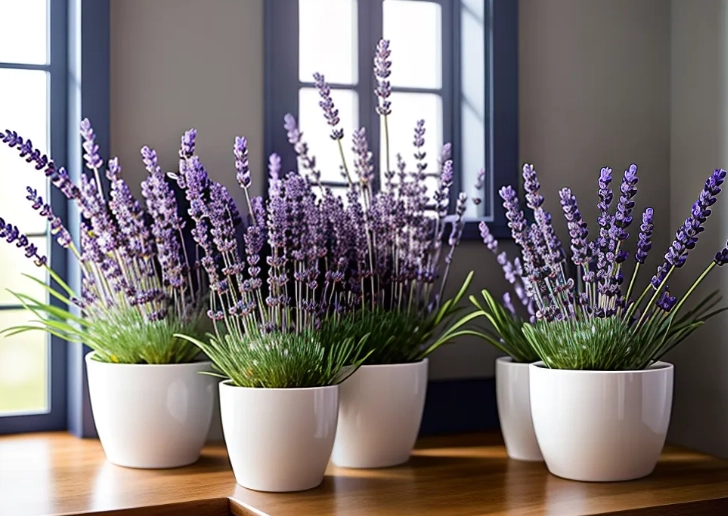
Growing an indoor lavender plant isn't impossible, but it's also not as simple as sticking it on a shelf and hoping for the best. Lavender is a Mediterranean herb at heart – it craves sun, hates wet feet, and needs good airflow. Replicating those conditions inside is the real challenge. But when you get it right? Oh boy. The satisfaction of those fragrant spikes and the ability to run your fingers through the foliage for an instant calm is worth every bit of effort. This guide is everything I wish I'd known when I started, packed with the nitty-gritty details that actually matter.
Key Takeaway First: Think of your indoor lavender not as a typical leafy houseplant, but as a sun-loving, drought-tolerant herb that you're temporarily hosting indoors. Your care routine needs to reflect that.
Picking Your Perfect Indoor Lavender Partner
Not all lavenders are created equal, especially for indoor life. Some are divas, some are surprisingly tough. Choosing the right variety is half the battle won. You want something compact, tolerant of slightly less-than-perfect conditions, and willing to put on a show for you.
Here's the lowdown on the best contenders for your indoor garden:
| Variety | Why It's Good Indoors | The Potential Downside | My Personal Experience |
|---|---|---|---|
| English Lavender (Lavandula angustifolia) | The classic. Best fragrance, often hardier than others. Cultivars like 'Munstead' and 'Hidcote' stay compact. | It absolutely needs a cool winter rest period to thrive long-term. Can get leggy without intense light. | 'Munstead' was my first. It survived but never truly thrived on my east-facing sill. It wanted more sun. |
| French Lavender (Lavandula dentata) | More tolerant of humidity and warmer indoor temps. Softer, tooth-edged leaves. Flowers almost continuously. | The scent is more camphorous, less sweet than English lavender. Can get quite large. | A great "beginner" indoor lavender. Less fussy about perfect conditions. I've had one bloom on and off for months. |
| Spanish Lavender (Lavandula stoechas) | Stunning, rabbit-ear flowers. Very drought tolerant once established. Handles heat well. | Not as cold-tolerant (not an issue indoors). The unique flower shape isn't for everyone. | I find this one the most dramatic looking. It seems to forgive the occasional overwatering better than others. |
| Phenomenal Lavender (A hybrid) | Bred for toughness. Tolerates humidity, heat, and cold better than most. Very vigorous grower. | Can outgrow its space quickly indoors if not pruned. Might be harder to find in small pots. | If you've failed with others, try this one. It's a tank. The name isn't marketing hype in my book. |
My recommendation for your first indoor lavender plant? Start with a compact English variety like 'Munstead' if you have a very sunny south window. If your light is just okay, go for French or Spanish. And if you're a serial plant over-waterer, maybe give Spanish lavender a shot first.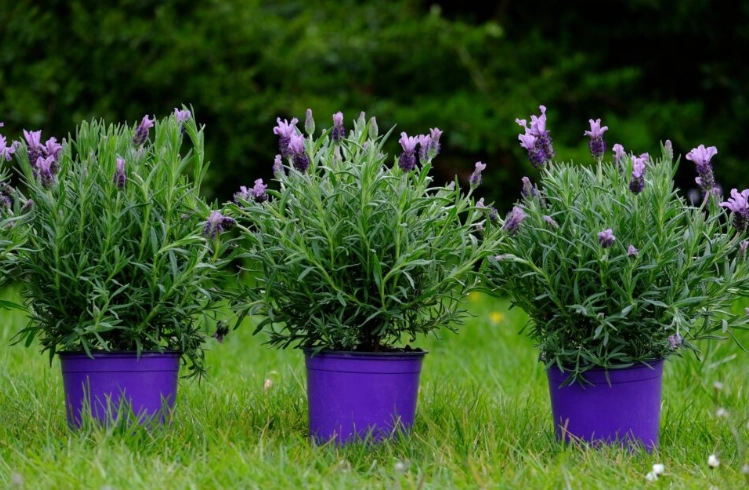
The Non-Negotiables: Light, Soil, and Pot
This is where most people, including past-me, drop the ball. We treat the pot and soil as an afterthought. For lavender, they're the foundation.
Sunlight: The Biggest Make-or-Break Factor
Lavender needs a minimum of 6 hours of direct, bright sunlight daily. 8+ is ideal. A south-facing window is your best friend. East or west can work, but you'll see less vigorous growth and fewer flowers. A north window? Forget it. The plant will become etiolated – that's a fancy word for stretched out, weak, and sad-looking.
What if you don't have a sunny window? You have two options:
- Supplemental Grow Lights: This isn't optional in low-light homes. A simple, full-spectrum LED grow light placed 6-12 inches above the plant for 12-14 hours a day can work miracles. I use a clip-on one for my lavender in the darker winter months, and it keeps it from giving up on life.
- Accept a Different Plant: Harsh, but true. Sometimes the kindest thing is to admire lavender in outdoor gardens and choose a pothos or snake plant for your dim corner.
The Perfect Potting Mix and Home
This is critical: Lavender hates "wet feet." Root rot is the #1 killer of indoor lavender plants. You need soil that drains faster than a sink with no stopper.
DIY Soil Mix Recipe: I mix 2 parts regular potting soil with 1 part coarse perlite and 1 part coarse sand or small gravel. The goal is chunkiness and air pockets. You can also use a pre-mixed "cactus & succulent" soil and add extra perlite to it. The key is excellent drainage.
Now, the pot. Terracotta is king. Why? It's porous. It allows the soil to dry out from the sides as well as the top, which is exactly what lavender's roots want. A plastic or glazed ceramic pot holds moisture much longer, increasing the risk of rot. Always, always choose a pot with a drainage hole. No debates. If you find a decorative pot without a hole, use it as a cache pot – place your terracotta pot inside it.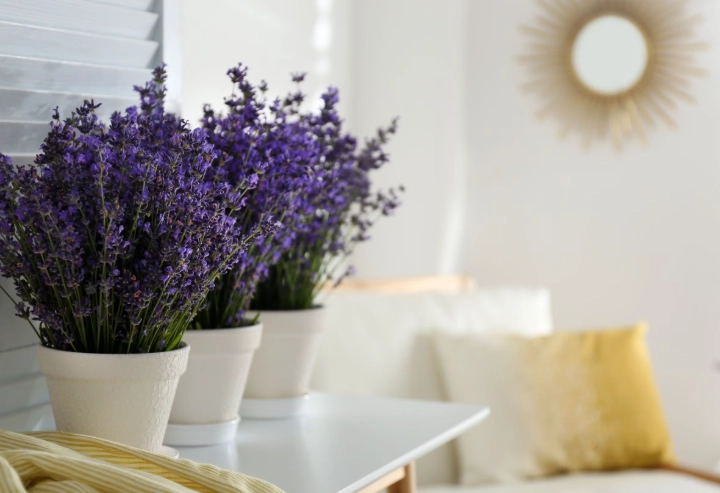
The Art of Watering (Or, How Not to Love It to Death)
Overwatering is the silent killer. Underwatering is a fixable problem. When in doubt, wait another day.
Here's my method, which has saved more lavender plants than I can count:
- Check the soil: Don't just poke the surface. Stick your finger at least an inch down into the soil, near the edge of the pot. Is it completely dry? Not just slightly dry, but bone dry?
- The Weight Test: Lift the pot. A dry pot is surprisingly light. A wet pot is heavy. Get a feel for the difference.
- Water thoroughly: When it's time, take the pot to the sink and water slowly until water runs freely out of the drainage hole. This ensures the entire root ball gets moisture.
- Let it drain completely: Leave it in the sink or on a rack for 10-15 minutes to let all excess water drain out. Never let it sit in a saucer of water.
- Wait for dryness again: The cycle repeats. In a hot, sunny spot in summer, this might be every 5-7 days. In a cooler, low-light winter spot, it could be every 2-3 weeks. Let the plant, not the calendar, tell you.
Signs of overwatering: Leaves turn yellow, starting from the bottom. The plant looks wilted even though the soil is wet. A foul smell from the soil. Signs of underwatering: Leaves turn dry, crispy, and grayish. The plant wilts and the soil is a dust bowl.
Feeding, Pruning, and That All-Important Winter Rest
Lavender isn't a heavy feeder. In fact, too much fertilizer gives you lots of soft, weak growth and few flowers – and that growth is more susceptible to disease. I feed my indoor lavender plant a half-strength dose of a balanced, all-purpose liquid fertilizer (like a 10-10-10) only once in early spring as new growth starts, and maybe once more in early summer. That's it. Less is more.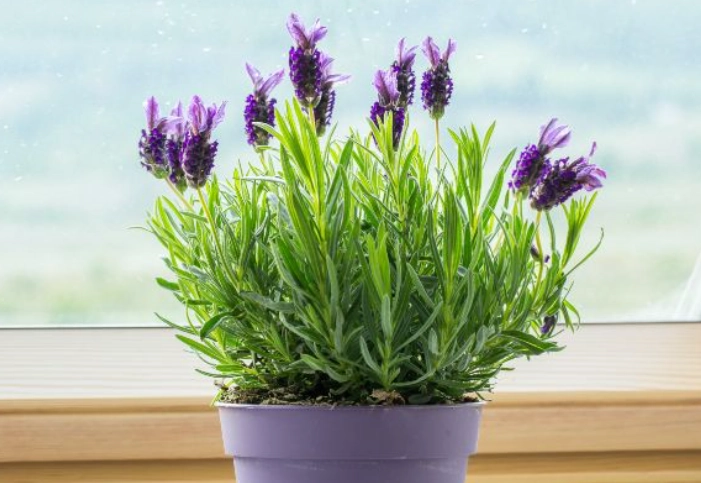
Pruning, on the other hand, is essential. It keeps the plant compact, encourages bushier growth, and prevents it from becoming a woody, leggy mess. The golden rule: Never cut back into old, bare wood. Lavender often won't regrow from leafless stems.
- After flowering: Give it a light trim, shaping the plant and removing the spent flower stalks.
- In early spring: This is the main pruning. Cut back about one-third of the current year's green growth, aiming to maintain a rounded shape. You can find excellent visual guides for this on the Royal Horticultural Society (RHS) website, which is a treasure trove of reliable gardening advice.
The Winter Chill Factor
This is a secret many indoor guides miss. English lavenders, in particular, need a period of cooler temperatures in winter to reset their cycle and promote good flowering next year. If kept in a constantly warm (70°F/21°C+) house, they can become exhausted and die after a few years.
What to do? If possible, give your plant a winter vacation in a cool room, sunporch, or even a garage window where temperatures stay between 40-50°F (5-10°C). Water very sparingly during this dormancy. If you can't provide this, don't panic – your plant may still survive, but it might not be as long-lived or floriferous.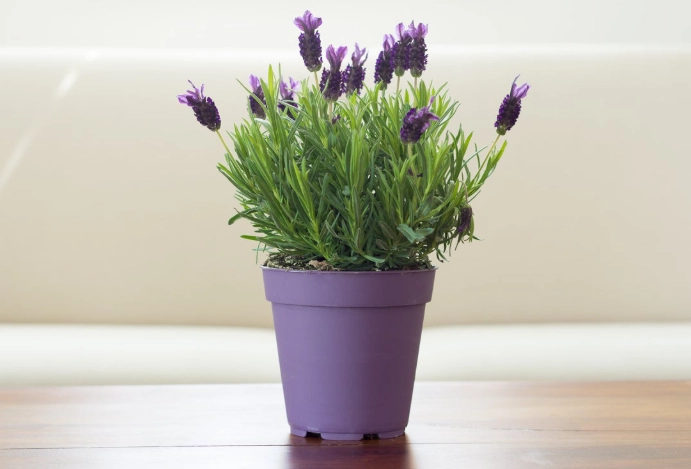
Troubleshooting: Solving the Common Problems
Let's play plant doctor. Here are the issues you're most likely to face.
Leggy Growth, Few Flowers: Almost certainly not enough light. Move it to a sunnier spot or add a grow light. Prune it back in spring to encourage bushiness.
Yellowing Leaves: The classic overwatering sign. Check your soil mix and pot. Let the plant dry out completely. If the stems are mushy, it might be too late – but you can try taking healthy-looking cuttings to propagate a new plant.
Pests: Indoors, you might see whiteflies, spider mites, or aphids. They love stressed plants. A strong blast of water in the sink can dislodge many. For persistent issues, insecticidal soap or neem oil (used carefully, following label instructions) are good options. Good airflow helps prevent infestations.
Powdery Mildew: A white, powdery fungus on leaves. Caused by poor air circulation, high humidity, and crowded growth. Improve airflow (a small fan nearby helps), avoid wetting the foliage when watering, and prune to open up the plant's center. The University of Minnesota Extension site has great, science-backed resources on managing plant diseases like this organically.
Your Indoor Lavender Questions, Answered
The Journey from Store to Thriving Plant: A Step-by-Step Walkthrough
Let's tie it all together with what you should do when you first bring that hopeful little plant home.
- Quarantine & Observe: Keep it away from your other plants for a week or two. Check thoroughly for pests. Let it adjust to your home's light and humidity.
- Find Its Forever Spot: Identify the sunniest window you have (south-facing is the dream). This is its permanent home. Lavender doesn't like to be moved around a lot.
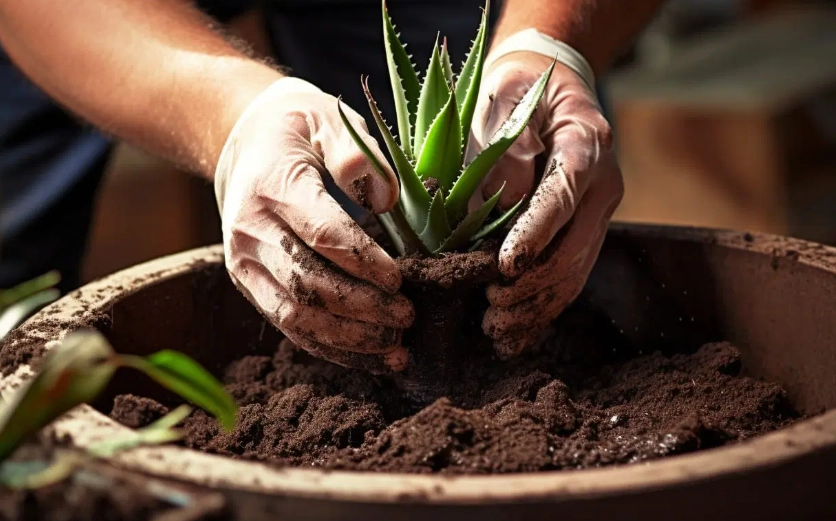
- Repot (Probably): Most store-bought plants are in poor, moisture-retentive soil. After the adjustment period, gently repot it into a terracotta pot with your fast-draining soil mix. This is the single best thing you can do for its long-term health.
- Establish the Watering Rhythm: Water it well after repotting, then begin the "wait until bone dry" routine. Resist the urge to water on a schedule.
- Be Patient: It might look a little shocked after repotting. Give it time. With good light and correct watering, it will settle in and start putting out new growth.
- Plan for Seasons: In spring/summer, enjoy its growth and flowers. In fall, reduce watering. In winter, try to find it a cooler spot if possible, and water very little.
Growing an indoor lavender plant is a practice in restraint and observation. You're not constantly tending to it; you're providing the right conditions and then mostly leaving it alone. It teaches you to read a plant's signals – the weight of the pot, the color of the leaves, the firmness of the stems.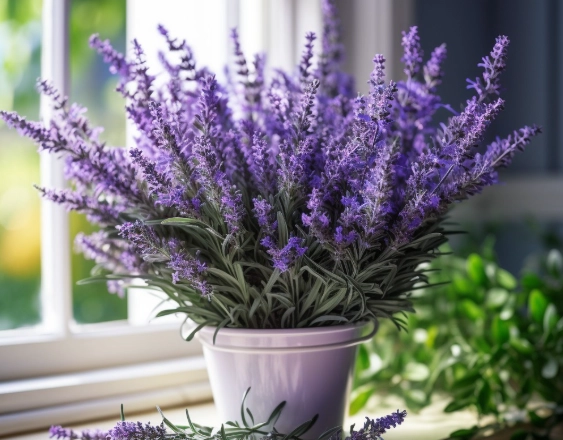
Will it be the easiest plant on your shelf? No. But the rewards – that iconic scent, the delicate flowers, and the sheer pride of keeping a sun-loving herb happy inside your home – are uniquely satisfying. Start with the right variety, nail the light and soil, master the watering can, and you might just end up with your own little slice of Provence, right there on your windowsill.
Good luck, and don't get discouraged if your first attempt isn't perfect. Every wilted leaf is a lesson learned. Now go find that sunny spot.

Comments