Quick Navigation
- First Things First: How to Harvest Your Aloe Gel Safely
- The Top Tier: Skin & First Aid Uses for Aloe Vera Plant
- From the Bathroom to the Kitchen: Household and Wellness Uses
- The Green Thumb Section: Aloe in Your Garden and Home
- Answering Your Aloe Vera Questions
- Wrapping It Up: Your Aloe Action Plan
So you’ve got an aloe vera plant sitting on your windowsill. Maybe you bought it on a whim at the grocery store, or someone gave it to you because “it’s good for burns.” It’s a tough little thing, surviving even when you forget to water it for weeks. But here’s the thing—most of us are barely scratching the surface of what this spiky green friend can do.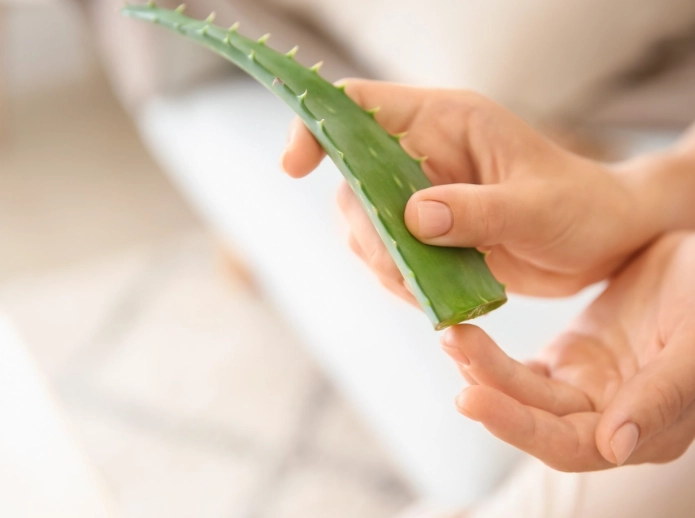
I used to be the same. My aloe plant was purely decorative, a bit of green in the corner. Then one summer, after a particularly bad day at the beach, I desperately snapped off a leaf. The relief was instant and real. That got me thinking: what else is this plant hiding?
Turns out, the uses for aloe vera plant go far beyond a simple sunburn soother. We’re talking about a natural first-aid kit, a beauty product, a household cleaner, and even a garden helper, all rolled into one low-maintenance succulent. It’s one of the most practical plants you can own, yet most guides only list the same five basic uses. Let’s change that.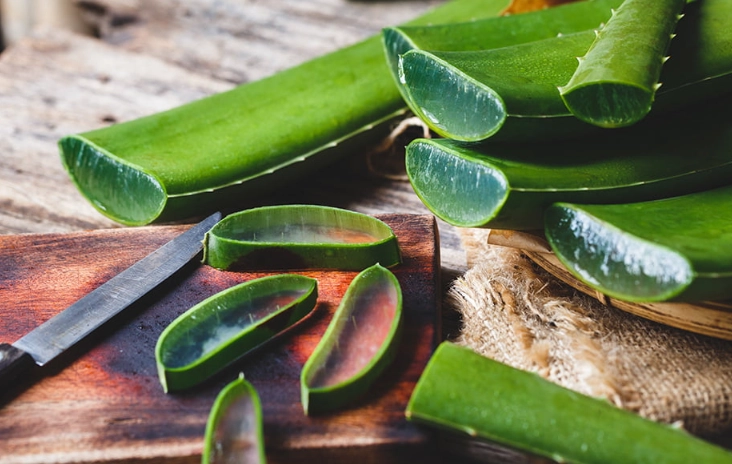
First Things First: How to Harvest Your Aloe Gel Safely
Before we dive into all the cool stuff, you need to know how to get the good stuff out without hurting your plant or yourself. This isn’t complicated, but doing it right makes a difference.
Always choose a mature, outer leaf. These are the thickest and have the most gel. Using a clean, sharp knife, cut the leaf as close to the base as you can. You’ll see a yellowish liquid ooze out—that’s aloe latex. It contains aloin, which is a potent laxative and can cause stomach cramps for some people. Let the leaf stand upright in a glass or bowl for 10-15 minutes to let this latex drain away. Rinse the leaf under cool water.
Now, lay it flat on a cutting board and slice off the serrated edges. Then, carefully fillet the leaf by slicing off the top green rind. What you’re left with is a translucent, slippery block of pure aloe vera gel. Scoop it out with a spoon. It’s that simple.
Okay, with the basics out of the way, let’s get to the good part—what you can actually do with this miraculous gel.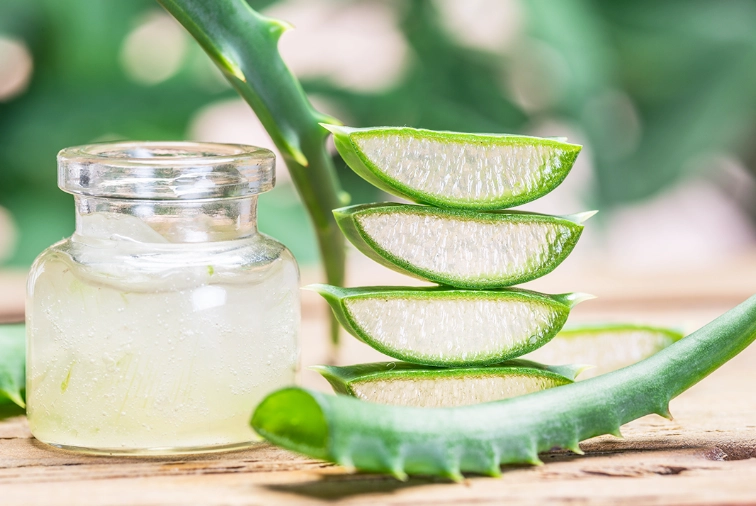
The Top Tier: Skin & First Aid Uses for Aloe Vera Plant
This is where aloe vera truly shines. Its composition is a skincare dream—about 99% water, with the remaining 1% packed with vitamins (A, C, E, B12), minerals, enzymes, amino acids, and sugars. It’s this cocktail that gives it its healing superpowers.
Sunburn and Minor Burn Savior
This is the classic, and for good reason. Aloe vera is a natural anti-inflammatory. It cools the skin on contact, provides a protective barrier, and its polysaccharides help stimulate skin repair and retain moisture. For a sunburn, apply the fresh gel directly and let it absorb. Reapply every few hours. It’s not a miracle cure for a severe burn, but for that painful pink stage, it’s a lifesaver. I keep a sealed container of freshly harvested gel in the fridge during summer—the cold adds an extra layer of bliss.
A Daily Moisturizer (Yes, Even for Oily Skin)
Here’s a surprise: aloe vera gel is non-comedogenic, meaning it won’t clog your pores. Its light, water-based texture absorbs quickly without leaving a greasy film. After cleansing, I often just smooth a thin layer of fresh gel on my face and neck. It hydrates without feeling heavy. If you have dry skin, you can mix it with a few drops of a heavier oil like jojoba or rosehip seed oil.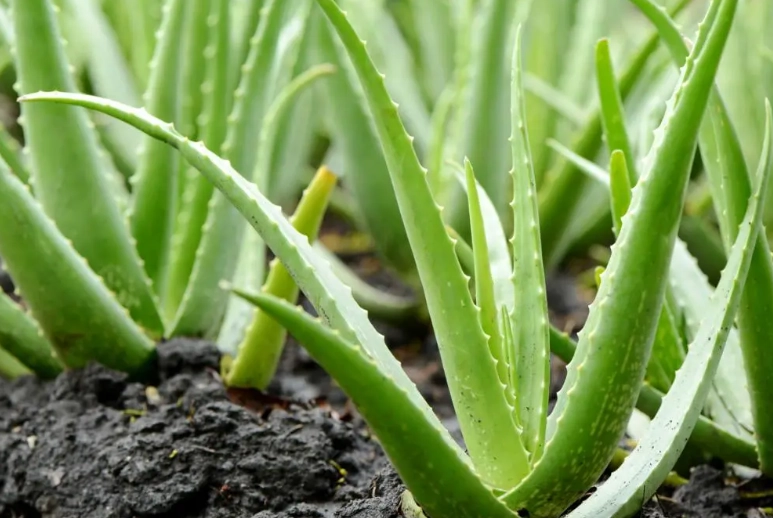
Taming Skin Irritations and Conditions
The anti-inflammatory properties make it useful for calming various skin woes. Many people find it soothing for mild eczema or psoriasis flare-ups, though results vary. It can take the itch out of bug bites and poison ivy. Some even use it to reduce the appearance of acne redness and to help heal blemishes, thanks to its antimicrobial compounds. Is it a guaranteed cure? No. But it’s a gentle, natural first line of defense that’s worth trying.
Let’s compare some of the top skin uses in one place:
| Use Case | How to Apply | Why It Works | Personal Note |
|---|---|---|---|
| Sunburn Relief | Apply liberally directly from leaf or chilled gel. Reapply often. | Cools, reduces inflammation, forms protective barrier, promotes healing. | The single best use. Makes a miserable day at the beach bearable. |
| Daily Facial Moisturizer | Smooth a pea-sized amount onto clean, damp skin. | Lightweight, non-greasy hydration; rich in antioxidants. | My go-to in humid summer months. Saves a fortune on fancy creams. |
| Minor Cut & Scrape Aid | Clean wound, apply thin layer of gel, cover with bandage. | Antimicrobial properties may prevent infection; keeps area moist for healing. | Works well on paper cuts and kitchen nicks. Heals faster with less scarring for me. |
| Razor Burn & Bump Treatment | Apply as an aftershave balm on shaved areas. | Soothes irritation, reduces redness, moisturizes. | Far more effective and natural than most drugstore aftershaves I've tried. |
From the Bathroom to the Kitchen: Household and Wellness Uses
This is where we move beyond the skin. The uses for aloe vera plant extend into almost every room of your house. It’s this versatility that makes it such a valuable plant to have around.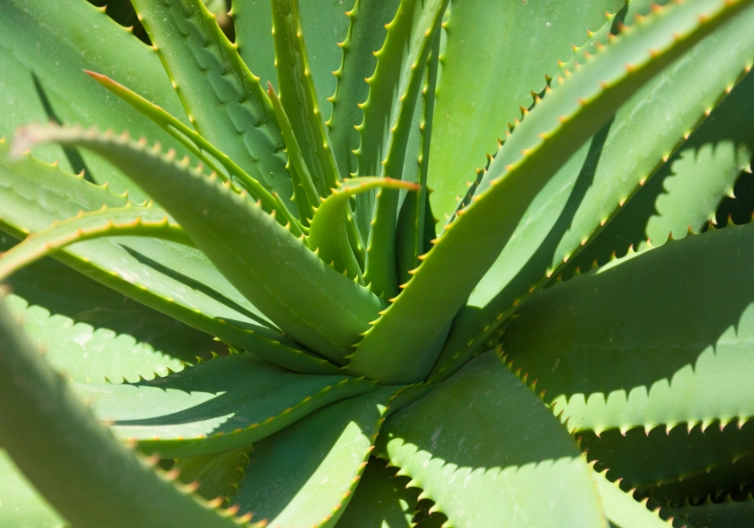
Hair and Scalp Health
Frizzy, dry hair? Try an aloe vera hair mask. The proteolytic enzymes can help repair dead skin cells on the scalp, and its moisturizing properties can add shine and manageability to hair strands. Mix a few tablespoons of fresh gel with a tablespoon of coconut oil, apply from roots to ends, leave it on for 30 minutes, then shampoo out. It can also help with a dry, flaky scalp. Massage the gel directly onto your scalp before washing. Does it work like a professional keratin treatment? No. But it’s a fantastic, cheap weekly treatment.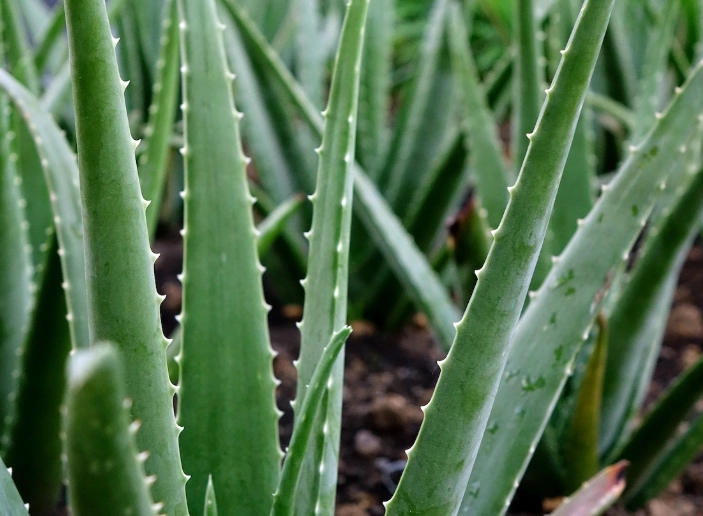
A Natural Makeup Remover
Struggling with stubborn mascara? Aloe vera gel, especially when mixed with a bit of coconut oil, can gently break down makeup without harsh rubbing. It’s soothing for the delicate eye area too. Just apply, let it sit for a moment, and wipe away with a warm, damp cloth.
Oral Health (A Controversial One)
This one requires caution and more research, but it’s interesting. Some studies, like those referenced by the National Institutes of Health (NIH), have looked into aloe vera’s potential in reducing dental plaque and gingivitis due to its antimicrobial and anti-inflammatory properties. Some natural toothpastes include it. However, I would never recommend replacing your regular toothpaste with pure aloe gel. If you’re curious, look for a reputable toothpaste that contains it as an ingredient. The internal uses for aloe vera plant are trickier and need more scientific backing.
Soothing Digestive Discomfort?
This is a major point of debate. Historically, aloe latex (the yellow juice) was used as a powerful laxative. Today, processed aloe vera juice (which has the latex removed) is marketed for digestive health. Some people swear by a small shot of aloe juice for heartburn or IBS symptoms. The U.S. Department of Agriculture (USDA) databases show its nutritional components, but medicinal claims are not evaluated by them. My take? The evidence for internal use is mixed and the risk of stomach cramps from improper preparation is real. I stick to topical uses for aloe vera plant gel and leave the internal consumption to carefully manufactured, decolorized products if I ever go that route.
The Green Thumb Section: Aloe in Your Garden and Home
Your aloe plant isn’t just for harvesting—it’s a worker in its own right.
A Natural Air Purifier
Like many houseplants, aloe vera can help improve indoor air quality. A famous NASA Clean Air Study identified it as a plant that can help remove formaldehyde and benzene from the air. So while it’s not a substitute for proper ventilation, having a few around is a good idea, especially in rooms with new furniture or carpets.
Plant Propagation and Rooting Hormone
This is a little-known garden hack. The natural hormones in aloe vera gel can encourage root growth in cuttings. Instead of buying synthetic rooting hormone, try dipping the cut end of your plant cutting (like a pothos or rosemary stem) into fresh aloe gel before planting it in soil. It doesn’t work for everything, but for many common herbs and houseplants, it can give them a helpful boost.
Fertilizer for Other Plants
Don’t throw away the aloe rind after you’ve scooped out the gel! You can chop it up, steep it in water for a day or two, strain it, and use the nutrient-rich “aloe water” to water your other plants. It’s a mild, organic fertilizer that provides a bit of nutrition. It’s not a complete plant food, but it’s a great way to use every part of the leaf.
See what I mean? The potential uses for aloe vera plant span from your medicine cabinet to your garden shed.
Answering Your Aloe Vera Questions
Over the years, I’ve gotten a ton of questions from friends after they see me using my plant for everything. Here are the most common ones.
Absolutely, most people can. Its gentle, hydrating nature makes it suitable for daily use as a moisturizer or serum. Start with once a day to see how your skin reacts. Remember, patch test first!
Not as long as you’d hope. Fresh, pure gel in a sealed container in the refrigerator will last about a week. You’ll know it’s gone bad when it changes color (becomes brownish or pinkish), loses its clear texture, or smells off. To extend its life, you can mix it with a few drops of vitamin E oil or a natural preservative, or freeze it in ice cube trays for future use.
Not usually. Store-bought aloe gels are often mostly water with a small percentage of aloe vera, plus thickeners, preservatives, colorings, and sometimes fragrances. They can still be effective, but pure, fresh gel is more potent and free of additives. Always check the label if you’re buying it—aim for products where “Aloe Barbadensis Leaf Juice” is the first ingredient.
This usually comes down to care. Aloe needs bright, indirect light. A south or west-facing window is perfect. It also needs a well-draining cactus/succulent potting mix. The number one killer is overwatering. Let the soil dry out completely between waterings. In winter, you might only water it once a month. More light, less water, and a tight pot (they like being slightly root-bound) will usually lead to plump, happy leaves full of that valuable gel.
Some claims are definitely overblown. While it’s a fantastic moisturizer and soother, it’s not a proven cure for serious conditions like cancer or diabetes. Be wary of any source making miraculous, sweeping health claims. Its power is in gentle, topical relief and minor first aid, not in replacing modern medicine.
Wrapping It Up: Your Aloe Action Plan
Look, you don’t need to try all 20+ uses for aloe vera plant at once. Start small. Next time you have a minor kitchen burn, skip the chemical spray and reach for a leaf. Make a simple face mask. Try watering a plant with your leftover aloe water.
The beauty of this plant is its simplicity. In a world of complex, expensive solutions, it offers something straightforward and natural. It connects you to a tradition of plant-based care that’s thousands of years old.
My aloe plant is no longer just decoration. It’s a trusted member of my household toolkit. It’s saved me from sunburn misery, soothed my skin on dry winter days, and even helped propagate new plants for friends. Its value far exceeds the few dollars I paid for it.
Give your spiky friend a second look.
You might be surprised by how many problems it can help solve, right from your own windowsill. The real magic isn’t in any single miracle cure, but in the sheer breadth of practical, everyday uses for aloe vera plant that make life just a little bit easier, and more natural.

Comments