In This Guide
- Why Bother Planting Aloe Anyway?
- Your Pre-Planting Shopping List (The Right Stuff)
- The Main Event: Step-by-Step Planting
- Keeping It Alive: The Simple Care Routine
- What Can Go Wrong (And How to Fix It)
- From One to Many: Propagating Your Aloe
- Your Aloe Questions, Answered
- Final Thoughts (From One Plant Parent to Another)
Let's be honest. You probably got your aloe vera plant because someone told you it's impossible to kill. "Just forget about it!" they said. Then you brought it home, and now the leaves are turning a sad shade of brown, or maybe it's just… sitting there, not dying but not really living either. Sound familiar?
I've been there. My first aloe was a gift, a tiny pup in a tiny pot. I followed the "neglect it" advice a bit too well, and let's just say it didn't end in a glorious, gel-filled bounty. The truth is, while aloe plants are famously tough, they do have a few simple, non-negotiable needs. Get those right, and you'll have a plant that not only survives but multiplies, giving you more aloes than you know what to do with (free gifts for friends, anyone?).
So, if you're staring at your new aloe pup or a sad-looking store-bought plant and wondering how to plant an aloe plant the right way, you're in the right place. This isn't a complex botanical dissertation. It's the straightforward, tried-and-tested guide I wish I'd had.
Why Bother Planting Aloe Anyway?
Before we get our hands dirty, let's talk about why aloe is worth the small effort. Sure, it looks cool with its spiky, architectural leaves. But it's a functional houseguest.
The clear gel inside the leaves is a legendary soother for minor burns, sunburns, and skin irritations. Having a fresh source is different from the bottled stuff—it's pure and immediate. Beyond that, it's a champion air purifier (NASA said so, and you can read about their Clean Air Study here) and just brings a nice, calm, green vibe to a room. It's a plant that gives back.
Your Pre-Planting Shopping List (The Right Stuff)
You can't build a sturdy house on a shaky foundation. The same goes for your aloe. Getting these three things wrong is the top reason new aloes fail.
The Pot: It's All About the Drainage
This is the most critical piece. Aloe vera roots hate soggy feet. They need to dry out between waterings. A pot without a drainage hole is a death sentence—it's a bathtub with no drain.
Material Choice: Terra cotta (clay) pots are the gold standard for beginners. They're porous, which means they wick excess moisture away from the soil, helping it dry faster. Plastic or ceramic pots are fine, but you must be more careful with watering since they retain moisture.
Size Matters: Don't give a small plant a mansion. Choose a pot that's only about 1-2 inches wider in diameter than the root ball of your aloe. Too big, and the excess soil stays wet too long, leading to root rot. A snugger fit is safer.
I made the mansion mistake once. The plant looked so small and lonely in the big pot, I thought I was doing it a favor. I wasn't.
The Soil: Not Just Dirt
Regular potting soil from your garden center holds too much water. Aloe is a succulent, native to arid regions. It needs a fast-draining mix.
The Plant: Pups vs. Store-Bought
You have two main options for starting your aloe plant care journey.
Option A: The "Pup" (My Favorite Way) This is a baby aloe that grows from the base of a mature mother plant. It's free if you have a friend with an aloe, and it's incredibly satisfying. A healthy pup will have a few small leaves of its own and may already have tiny roots starting.
Option B: Nursery Plant This is the quick start. Choose a plant that looks firm and plump, not limp or wrinkled. Check the color—a healthy grey-green is perfect. Avoid plants with lots of brown spots or leaves that are mostly brown at the base.
The Main Event: Step-by-Step Planting
Okay, you've got your pot, your soil, and your plant. Let's put it all together. This process is the same whether you're planting a pup or repotting a store-bought aloe.
Step 1: Prep the Pot. Place a small piece of broken pottery, a pebble, or a coffee filter over the drainage hole. This stops soil from washing out while still allowing water to flow freely. Don't clog it up!
Step 2: Add a Soil Base. Fill the bottom third of your pot with your cactus mix. Don't pack it down hard; just give it a gentle tap to settle.
Step 3: Position the Plant. This is the key moment. Take your aloe and gently loosen any coiled roots if it's root-bound. Place it in the center of the pot. The goal is to have the base of the plant (where the leaves meet) sit about half an inch to an inch below the rim of the pot. This is crucial.
Why? Because when you water, you need a little well to hold the water before it soaks in. If the plant is sitting too high, water will just run off the sides. If it's buried too deep, the stem can rot.
Step 4: Fill and Firm. Holding the plant steady with one hand, use your other hand to scoop soil around the roots. Fill in all the gaps. When the roots are covered, gently firm the soil around the base of the plant for support. Don't compact it into concrete.
Step 5: The No-Water Wait. Here's the trick most people miss. Do NOT water your newly planted aloe vera. I know it feels wrong. You just planted something!
Place it in a spot with bright, indirect light (not direct sun yet) and just ignore it. After a week, you can give it its first thorough watering.
And that's it. You've just learned the core of how to plant an aloe plant successfully.
Keeping It Alive: The Simple Care Routine
Planting is the launch. Now, here's the flight plan for keeping your aloe thriving for years.
Light: The Sun Worshipper
Aloe loves bright light. A south or west-facing window is ideal. If the leaves start stretching out long and thin, reaching for the light (this is called "etiolation"), it needs more sun. If the leaves turn a reddish or brownish color, it might be getting too much direct, scorching sun—a little filter (like a sheer curtain) can help.
Mine sits about two feet back from a huge south-facing window. It gets hours of bright, indirect light with maybe an hour of direct sun. It's happy there.
Watering: The Art of Neglect
This is where most aloes meet their end. Overwatering. Aloe is a desert plant. It stores water in its leaves.
The Foolproof Method: Stick your finger into the soil, down to about the second knuckle. Is it completely dry? Not just on the surface, but deep down? If yes, it's time to water. If there's any moisture at all, wait.
When you do water, do it thoroughly. Take the pot to the sink and run water through the soil until it flows freely out of the drainage hole. Let it drain completely before putting it back in its saucer. Never let it sit in a saucer of water.
In winter, when growth slows, you might only need to water once a month or even less. Your plant will tell you—if the leaves start to look slightly wrinkled or thinner, it's thirsty.
Food and Temperature
Fertilizer: Aloes aren't greedy. Feeding them once a year in the spring is plenty. Use a balanced, water-soluble fertilizer (like a 10-10-10) diluted to half the recommended strength. More is not better here; it can harm the roots.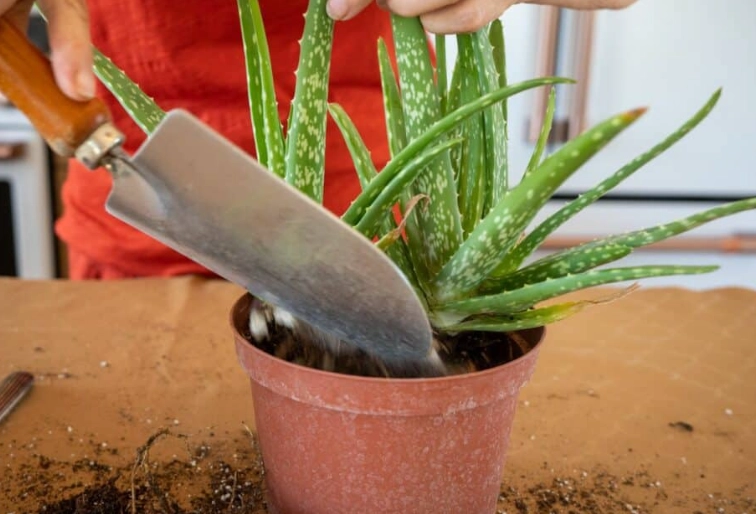
Temperature: They like room temperature, just like you. Anything between 55°F and 80°F (13°C - 27°C) is fine. Keep them away from cold drafts in winter and away from hot air vents.
What Can Go Wrong (And How to Fix It)
Even with the best care, sometimes things happen. Here’s a quick diagnostic table.
| Symptom | Likely Cause | The Fix |
|---|---|---|
| Soft, mushy, brown leaves (starting at the base) | Root rot from overwatering. | Stop watering immediately. Unpot, remove all black/mushy roots and leaves. Let plant dry out for a few days, then repot in fresh, dry cactus mix. Don't water for a week. |
| Thin, wrinkled, curling leaves | Underwatering. | Give it a good, thorough soak. The leaves should plump up in a day or two. |
| Brown, dry, crispy leaf tips | Low humidity or chemical burn (from tap water). | Trim the brown tips with clean scissors. Try using filtered or rainwater if your tap water is very hard. |
| Plant is leggy, leaves are stretched | Not enough light. | Gradually move it to a brighter spot. You can't fix the stretched leaves, but new growth will be compact. |
| Red or brown leaves | Sunburn (too much direct sun). | Move to a spot with bright but indirect light. The color may or may not fade. |
From One to Many: Propagating Your Aloe
The true sign of success? Your aloe starts having babies. These little offshoots are called "pups." Once a pup is about one-fifth the size of the mother plant (or has a few sets of leaves), you can separate it and plant an aloe pup to create a whole new plant. It's the circle of life, on your windowsill.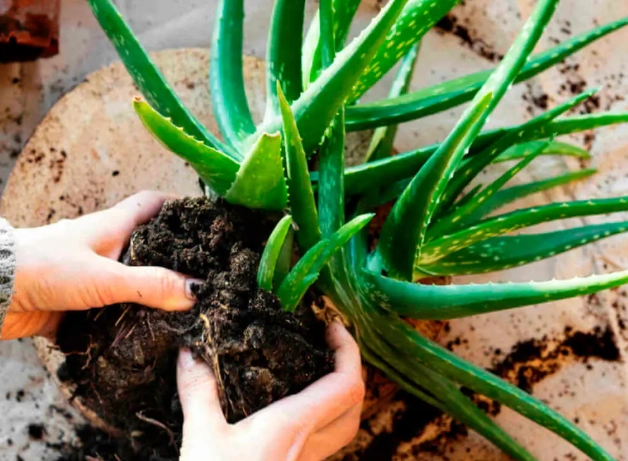
How to do it: Gently remove the entire plant from its pot. You'll see the pup attached to the mother by a stem or root. Using a clean, sharp knife, cut the pup away, trying to keep some roots attached to it if possible. If there are no roots, don't panic. Let the pup sit out in the air for 2-3 days to let the cut end callous over. Then, plant it in a small pot with dry cactus mix and follow the same "no water for a week" rule. It will grow roots.
It's honestly the most rewarding part of the whole process.
Your Aloe Questions, Answered
Final Thoughts (From One Plant Parent to Another)
Learning how to plant an aloe plant isn't about memorizing a rigid set of rules. It's about understanding what it is: a hardy, water-storing succulent that needs a dry, cozy home (the right pot and soil) and then mostly wants to be left in a sunny spot to do its thing.
Resist the urge to fuss over it. Love it a little less with your watering can. Get the foundation right from the start, and you'll have a resilient, beautiful plant that might just outlive your interest in it. And when it starts producing pups, you'll feel like a gardening genius.
It really is that simple. Now go get your hands dirty.


Comments