Quick Guide
- Getting to Know Your String of Pearls
- The Non-Negotiable Basics: Light, Water, Soil
- Common Problems and How to Fix Them (Fast)
- Propagation: Making More Pearl Necklaces
- Repotting and Fertilizing
- Beyond the Basics: Varieties and Companions
- Frequently Asked Questions (The Real Ones)
- Wrapping It Up: The Mindset for Success
Let's be real for a second. You've probably seen those stunning photos on Instagram or Pinterest—a lush, overflowing cascade of perfect green pearls tumbling from a hanging basket. The String of Pearls plant, or Senecio rowleyanus if you want to get scientific, has this magical ability to stop you mid-scroll. It looks otherworldly, almost like a beaded curtain dreamed up by nature. And then you get one home.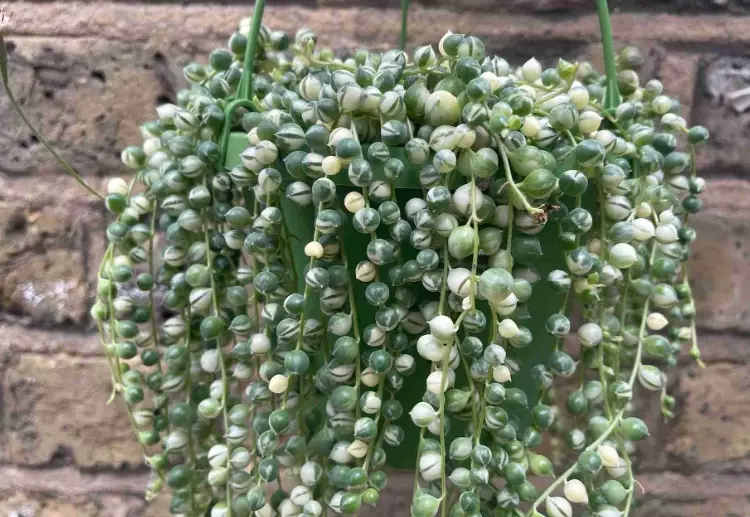
That's when the anxiety sets in. Why is it turning mushy? Why are the pearls shriveling up like raisins? Is it getting too much sun or not enough? I've been there. I killed my first one with what I thought was kindness (read: overwatering). It's a plant with a reputation for being finicky, but honestly, I think that reputation is a bit unfair. Once you crack its code, it's not that hard. It just asks for a specific kind of neglect.
This guide is everything I wish I'd known when I started. We're going to ditch the vague advice and get into the nitty-gritty of what makes this quirky succulent tick. From the perfect soil mix to decoding its watering signals, we'll cover it all. Whether you're a first-time buyer or trying to rescue a struggling plant, you'll find what you need here.
Getting to Know Your String of Pearls
It helps to understand where this plant comes from. The String of Pearls succulent is native to the drier parts of southwest Africa. Think rocky, well-draining ground where water doesn't hang around. Those spherical leaves aren't just for looks—they're water storage tanks. The shape minimizes surface area, reducing water loss. The little translucent strip on each pearl is called an epidermal window, and it lets light penetrate deeper into the leaf for more efficient photosynthesis. Cool, right?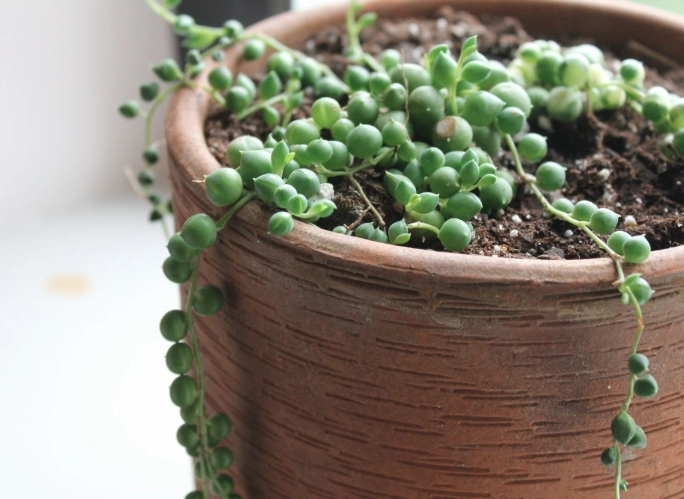
It's a trailing plant, not a climbing one. In the wild, it spreads across the ground, forming a mat. In your home, it wants to cascade. This growth habit is what makes it perfect for hanging baskets or high shelves. Watching those tendrils grow longer week by week is seriously rewarding.
The Non-Negotiable Basics: Light, Water, Soil
This is the core of String of Pearls care. Get these three things right, and you're 90% of the way to success.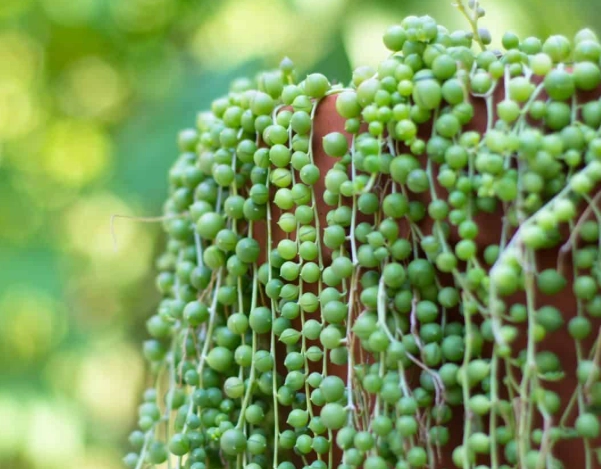
Light: Bright But Not Brutal
This is the most common point of confusion. People hear "bright indirect light" and think a north-facing window is fine. For most string of pearls plants, it's not. They crave bright, indirect light. A spot near an east or west-facing window is ideal—it gets several hours of gentle morning or afternoon sun. A south-facing window can work, but you might need to pull it back a foot or two or use a sheer curtain to filter the intense midday rays, especially in summer.
What happens if the light is wrong? Too little light and the plant gets leggy. The spaces between the pearls (internodes) stretch out, looking sparse and weak. The plant also loses its vibrant green color. Too much direct, harsh sun, and the pearls can get sunburned—they'll show bleached, scorched patches.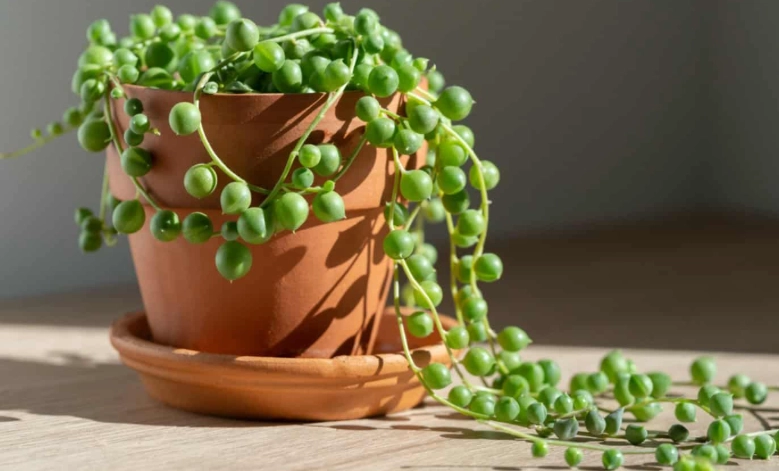
Here’s a quick reference table for light conditions:
| Light Condition | Effect on String of Pearls | What to Do |
|---|---|---|
| Bright, Indirect Light (East/West window) | Ideal. Promotes compact, dense growth and vibrant color. | Perfect spot. Leave it there. |
| Medium Indirect Light (North window, room interior) | Growth slows, stems may stretch (etiolate). | Move closer to a light source or supplement with a grow light. |
| Direct, Harsh Sun (Unfiltered South window in summer) | Risk of sunburn (bleached, crispy pearls). | Filter light with a curtain or move plant back from the window. |
| Low Light (Far from any window) | Poor growth, eventual decline, high risk of overwatering issues. | Not suitable. Relocate the plant. |
Watering: The Art of the Soak and Dry
Overwatering is the #1 killer. There's no polite way to say it. These plants are drought-adapted. Their worst enemy is soggy soil.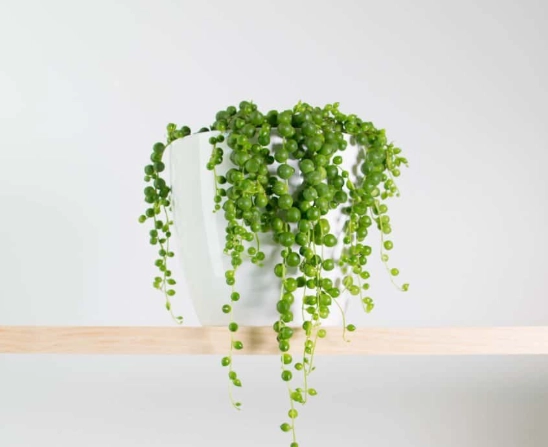
The golden rule: Soak it thoroughly, then let it dry out completely. I mean completely. Don't water on a schedule. Water when the soil is dry and the pearls show the slightest sign of thirst.
How do you know it's thirsty? The pearls will start to look a little less plump. They might develop a slight "give" when gently squeezed (don't overdo this!). The little epidermal window may look slightly pinched. The pot will feel very light. I usually wait until I see a few pearls near the top of the soil looking just a touch deflated. That's my cue.
When you water, do it properly. Take it to the sink and water slowly until water runs freely out of the drainage holes. Let it drain completely before putting it back in its decorative pot or saucer. Never let it sit in standing water. Ever.
Bottom watering can also be effective for a string of pearls succulent plant. Place the pot in a tray of water for 15-20 minutes, letting the soil wick moisture up from the bottom. Then, remove and drain.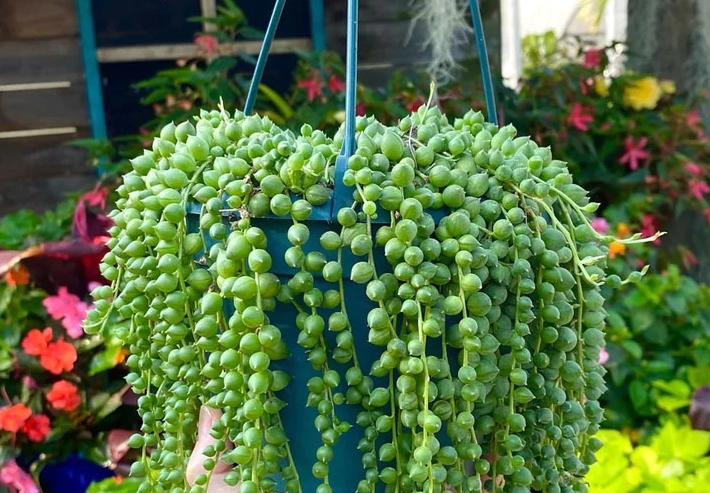
Soil and Pot: The Foundation for Health
This is critical. Regular potting soil holds too much moisture and will suffocate the roots. You need a fast-draining, gritty mix specifically for succulents and cacti.
You can buy a good quality cactus/succulent mix, but I prefer to make my own for extra drainage. A simple recipe: 2 parts cactus potting mix, 1 part perlite, and 1 part coarse sand or pumice. This creates an airy, loose medium where water flows through quickly.
The pot matters just as much. Always use a pot with drainage holes. Terracotta pots are excellent for String of Pearls plants because they're porous and help wick away excess moisture from the soil. The pot shouldn't be too large—only go up 1-2 inches in diameter when repotting. A too-big pot holds more wet soil, increasing rot risk.
Common Problems and How to Fix Them (Fast)
Let's diagnose the issues you're most likely to face. This is where most blogs get vague. We won't.
Shriveling, Deflated Pearls
Cause A (Most Likely): Underwatering. The plant has used up its stored water. The pearls look wrinkled and dry. Fix: Give it a thorough soak. The pearls should plump back up within a day or two. If the soil has become hydrophobic (water runs right through), soak the pot in water for 30 minutes. Cause B (Less Common but Serious): Root Rot. If the roots are dead from overwatering, they can't take up water, causing the plant to shrivel from the bottom up, even in wet soil. Stems may be mushy at the base. Fix: This is an emergency. Unpot the plant. Cut away all black, mushy roots and stems. Let the healthy cuttings callous over for a day, then reroot them in fresh, dry soil. Don't water for a week.
Yellow, Mushy, or Translucent Pearls
Cause: Classic Overwatering. The cells in the pearls have burst from too much water. Fix: Stop watering immediately. Remove any severely affected pearls and stems. Check the roots for rot. If the soil is soaking wet, you may need to unpot it and replace the wet soil with dry mix. Move it to a brighter spot to help dry it out faster.
Leggy Growth (Long Stems with Few Pearls)
Cause: Insufficient Light. The plant is stretching to find a light source. Fix: Gradually move it to a brighter location. Don't shock it with sudden direct sun. You can prune the leggy stems to encourage bushier growth from the base.
Pests: Mealybugs and Fungus Gnats
Mealybugs look like tiny bits of white fluff in the leaf joints. Fungus gnats are small black flies that indicate overly moist soil. Fix for Mealybugs: Isolate the plant. Dab insects with a cotton swab dipped in rubbing alcohol. Repeat weekly. Fix for Fungus Gnats: Let the soil dry out completely between waterings. Use yellow sticky traps. For severe cases, a soil drench with Bacillus thuringiensis israelensis (Bti) is effective. You can find reliable information on integrated pest management for houseplants from resources like the University of Minnesota Extension.
Propagation: Making More Pearl Necklaces
This is the fun part! Propagating a string of pearls succulent is surprisingly easy and a great way to save a plant or share with friends.
The Two Best Methods
- Stem Cuttings in Soil: This is my go-to, highest-success-rate method. Take a healthy cutting a few inches long. Coil it on top of fresh, moist succulent soil, gently pressing the nodes (where pearls meet the stem) into contact with the soil. You can use a bent paperclip to hold it down. Keep the soil lightly moist (not wet) and in bright, indirect light. Roots will form from the nodes. Mist the soil surface occasionally.
- Water Propagation: Place the end of a stem cutting in a small bottle of water, ensuring no leaves are submerged. Roots will appear in a few weeks. Once they're an inch or two long, transfer to soil. Some people swear by this, but I find the transition from water to soil roots can be tricky for succulents.
Propagation works best in the warmer, growing seasons (spring/summer). Be patient—it can take a few weeks to see solid growth.
Repotting and Fertilizing
You don't need to repot often. Every 2-3 years is plenty, or when you see roots growing out of the drainage holes. Spring is the best time. Handle the delicate trails gently.
Fertilizer is not a major need. A little goes a long way. Use a balanced, water-soluble fertilizer diluted to half-strength once a month during the spring and summer. Do not fertilize in fall and winter. I've found that over-fertilizing leads to weak, soft growth that's more prone to pests.
Beyond the Basics: Varieties and Companions
Did you know there are a few cool variants? String of Bananas (Senecio radicans) has curved, banana-shaped leaves. String of Tears (or Raindrops) has teardrop-shaped leaves. The care is nearly identical.
For a stunning display, try planting your String of Pearls plant with other trailing succulents that have similar needs in a wide, shallow "dish garden" or a long window box. Good companions include String of Bananas, Sedum morganianum (Burro's Tail), and some smaller, trailing Sedums.
Frequently Asked Questions (The Real Ones)
Let's tackle the questions that pop up in plant forums all the time.
Wrapping It Up: The Mindset for Success
Keeping a String of Pearls succulent plant thriving isn't about having a green thumb. It's about adopting a different mindset. It's about being observant, not overbearing. It thrives on benign neglect. Forget the watering schedule. Learn to read the plant—the weight of the pot, the feel of the pearls. Give it that bright spot it craves and plant it in gritty, free-draining soil.
It might test you at first. But when you see it put out a new, perfect strand of pearls, or when it flowers (yes, it produces small, cinnamon-scented white flowers!), the satisfaction is immense. It becomes a living sculpture in your home.
Start with a healthy plant from a reputable nursery. Give it the right foundation from day one. And don't get discouraged by a few lost pearls—it happens to everyone. Just take a cutting and try again. That's the beauty of this plant; it always gives you another chance.

Comments