Propagating snake plants is easier than you think, and I've been doing it for over ten years. Whether you're a beginner or a seasoned plant parent, this guide will walk you through the best methods—division, leaf cuttings, and water propagation—with practical steps and insider tips. Let's get straight to it: snake plants are tough, but a few subtle mistakes can ruin your efforts. I'll show you how to avoid them.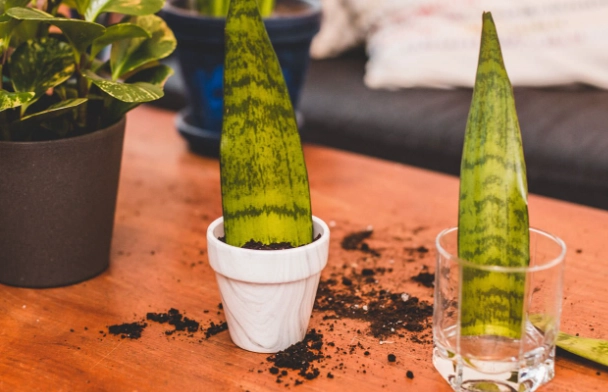
What You'll Learn
Why Propagate Snake Plant?
You might want more plants for free, to share with friends, or to revive an overgrown one. Snake plants, or Sansevieria, are perfect for propagation because they're resilient. The Royal Horticultural Society notes their adaptability to indoor conditions. But here's something most guides miss: propagating isn't just about making clones; it's a way to understand your plant's health. If your snake plant is struggling, propagation can be a rescue mission.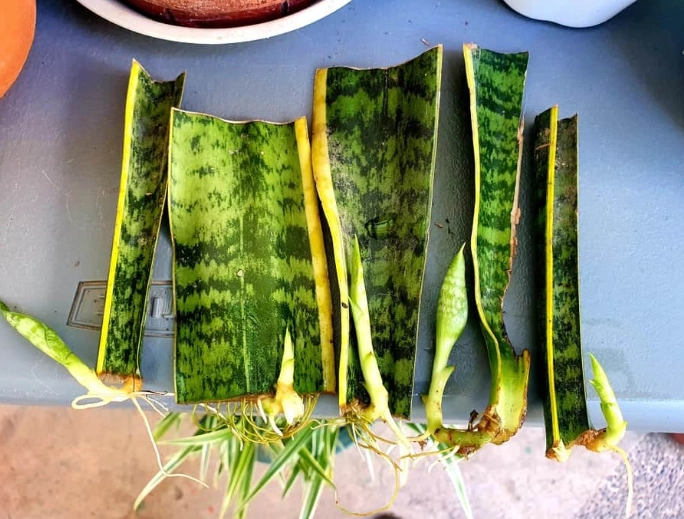
I once had a snake plant that looked fine but stopped growing. Propagating it through division revealed root rot I hadn't spotted. That saved the mother plant and gave me three new ones.
Methods to Propagate Snake Plant
There are three main ways: division, leaf cuttings in soil, and water propagation. Each has pros and cons. Division is fastest and most reliable, leaf cuttings are good for beginners on a budget, and water propagation lets you watch roots grow. Choose based on your patience and tools.
| Method | Best For | Time to Root | Success Rate |
|---|---|---|---|
| Division | Quick results, healthy plants | 2-4 weeks | High (90%) |
| Leaf Cuttings in Soil | Cost-effective, multiple plants | 4-8 weeks | Medium (70%) |
| Water Propagation | Visual learners, fun projects | 3-6 weeks | Medium (65%) |
Division is my go-to because it preserves the variegation in patterned varieties. Leaf cuttings often revert to plain green, which many people don't expect.
Tools You'll Need
Gather these before starting: a sharp, clean knife or scissors, well-draining soil (I mix cactus soil with perlite), small pots, water container for water propagation, and gloves if you're sensitive. Don't skip cleaning your tools—dirty blades introduce bacteria that cause rot.
Step-by-Step Division Guide
Division is splitting the plant at the roots. It's ideal for mature snake plants with multiple shoots. Here's how I do it, step by step.
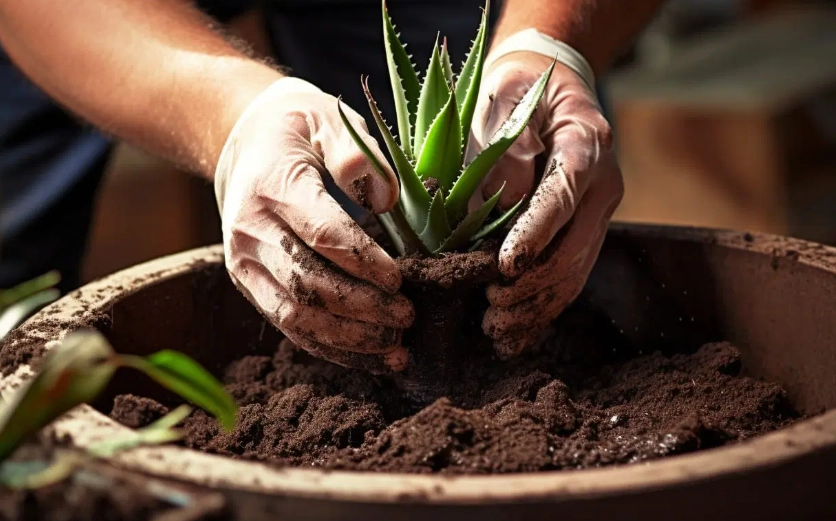
First, water the plant a day before to reduce stress. Gently remove it from the pot. Shake off excess soil to see the root system. Look for natural divisions—clumps of leaves with attached roots. Use your hands or a knife to separate them, ensuring each section has roots and at least two leaves. If roots are tangled, cut carefully to minimize damage.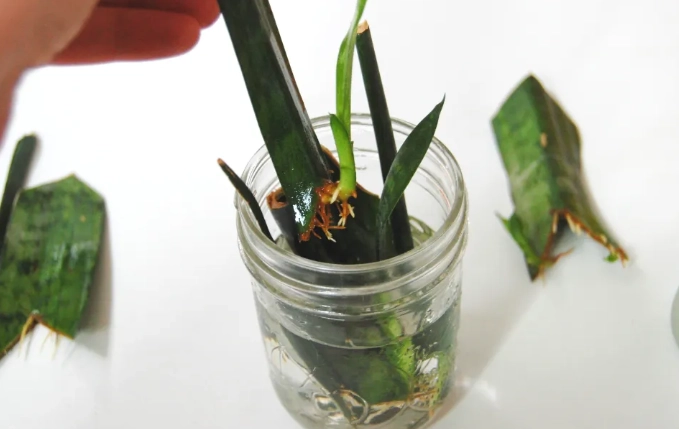
Plant each division in its own pot with fresh soil. Water lightly and place in indirect light. Wait a week before watering again to let roots settle.
Pro tip: Many beginners overpot divisions, using containers too large. This leads to waterlogging. Choose a pot just 1-2 inches wider than the root ball. I learned this the hard way when a division rotted in a huge pot.
Propagating from Leaf Cuttings
Leaf cuttings involve cutting a leaf into sections and planting them. It's slower but works if you don't have a mature plant. Select a healthy, firm leaf from the outer part of the plant. Cut it into 3-4 inch sections, marking the top end (the end that was closest to the plant tip) to avoid planting upside down. Let the cuttings dry for 24 hours to form a callus—this prevents rot.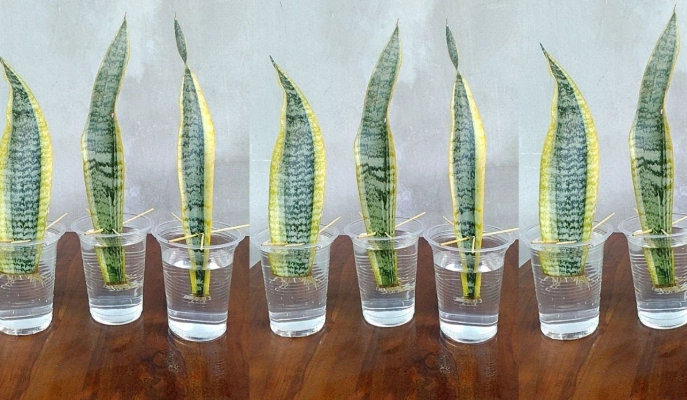
Plant the cuttings about an inch deep in soil, with the top end up. Water sparingly, just enough to moisten the soil. Place in bright, indirect light. Roots should appear in a month or two. New shoots might take longer.
Here's a nuance: leaf cuttings from variegated snake plants often lose their stripes, producing all-green offspring. If you want to preserve patterns, division is better. I've seen people disappointed by this, so it's worth mentioning.
Water Propagation for Visual Learners
Water propagation is placing leaf cuttings in water until roots grow. It's satisfying to watch, but not without pitfalls. Take a leaf cutting as described above, let it callus, then place it in a jar with water, submerging only the bottom inch. Change the water every week to prevent algae and bacteria.
Roots should sprout in a few weeks. Once they're about an inch long, transfer to soil. Don't leave them in water too long—I've had plants become weak and prone to collapse after months in water.
The University of Florida IFAS Extension highlights that snake plants can adapt to water propagation, but soil transition is crucial for long-term health.
Common Mistakes to Avoid
Based on my experience, here are errors that ruin propagation:
- Overwatering: Snake plants hate wet feet. Water only when soil is dry to the touch. During propagation, less is more.
- Insufficient light: While they tolerate low light, cuttings need bright, indirect light to root. Direct sun burns them.
- Using dull tools: Clean, sharp cuts heal faster. Ragged edges invite disease.
- Skipping callusing: For leaf cuttings, drying is non-negotiable. I once rushed this and lost half my cuttings to rot.
- Neglecting temperature: Keep plants in a warm spot (65-75°F). Cold drafts stunt growth.
Another overlooked point: snake plants are slow growers. Impatience leads to over-fertilizing or repotting too soon. Wait at least two months before expecting significant growth.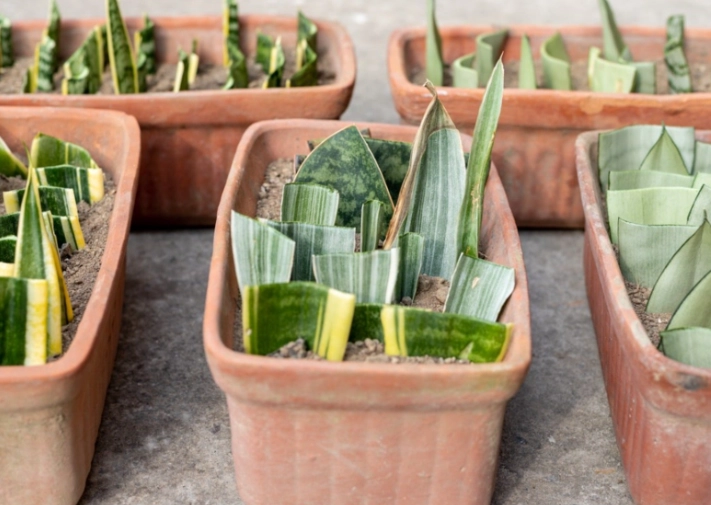
Frequently Asked Questions
Propagating snake plants is a rewarding hobby. Start with division if you're new, and don't be afraid to experiment. Remember, these plants are survivors—they'll forgive small errors. If you hit a snag, revisit the basics: less water, more light, and patience. Happy propagating!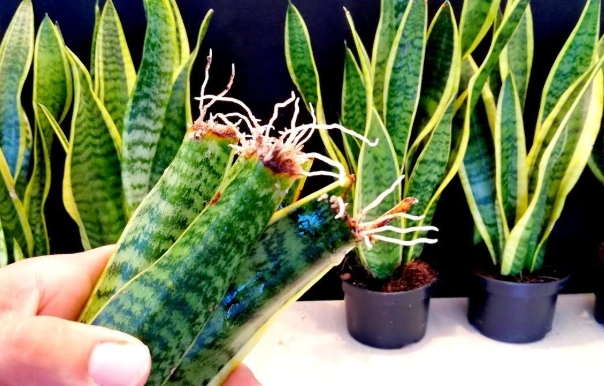

Comments