Let's get straight to it: Peperomia is one of the most forgiving, stylish, and downright easy houseplants you can own. If you've killed a fiddle leaf fig or watched a fern turn to dust, this plant is your redemption. Often called the radiator plant (a quirky old name), peperomias come in hundreds of varieties, from the watermelon-striped Peperomia argyreia to the trailing jade-like Peperomia prostrata. But here's the secret most generic care guides miss: treating all peperomias the same is your first mistake. A succulent-like Peperomia ferreyrae (Happy Bean) wants different things than a velvety Peperomia caperata (Emerald Ripple).
I've collected them for over a decade, and my biggest early blunder was assuming "easy care" meant "no care." It doesn't. It means they communicate clearly. A drooping leaf, a soft stem—they tell you exactly what's wrong. This guide will teach you their language.
What's Inside This Guide
What Exactly is a Peperomia?
Peperomia is a massive genus in the Piperaceae family—the pepper family. They're mostly compact, perennial plants native to tropical and subtropical regions, primarily Central and South America. They're epiphytes in the wild, meaning they often grow on other plants (like tree branches) rather than in the ground. This is the single most important fact for understanding their care: they hate wet feet. Their roots are adapted to grab onto bark and absorb moisture from the humid air, not sit in soggy soil.
Their appeal is in the foliage. Flowers are insignificant spikes (called "rat's tails"). You're here for the leaves: thick, textured, striped, heart-shaped, or trailing. They're the ultimate textural plant for a shelf or desk.
Pro Tip: That epiphytic habit? It's why the standard bagged potting soil from the garden center is a death sentence. It holds too much water for too long. We'll fix that.
The Non-Negotiables: Light, Water, and Soil
Get these three things right, and you're 95% of the way to success.
Light: Bright But Not Direct
Think "dappled sunlight." An east-facing window is perfect. A few feet back from a south or west window works too. North light can be enough for the greener, less variegated types. The rule of thumb: if you can comfortably read a book in that spot without turning on a light during the day, it's probably sufficient. Too little light and growth gets leggy, leaves lose their vibrant markings. Too much direct sun, especially afternoon sun, and leaves scorch—you'll see bleached, crispy patches.
I have a Peperomia obtusifolia (Baby Rubber Plant) about five feet from a south-west window. It's thriving. My Peperomia albovittata (Piccolo Banda) gets morning sun from an east window. It's spectacular. Experiment, but start with indirect light.
Watering: The #1 Killer
Overwatering. It's always overwatering. These plants store water in their fleshy leaves and stems. They'd rather be dry than damp.
Forget the calendar. Don't water every Saturday. Here's the only method you need:
- Stick your finger in the soil. Go down about an inch or two.
- Is it dry? Completely dry? Good. Now wait another 3-4 days.
- Then water thoroughly until it runs out the drainage hole.
- Empty the saucer underneath. Never let it sit in water.
In winter, this might mean watering once a month. In a hot, dry summer, maybe every 10 days. The plant will tell you. Slightly puckered or softer leaves mean it's thirsty. A heavy pot means it's still wet.
Soil and Potting: Drainage is Everything
This is where most people go wrong. You need a mix that drains incredibly fast. Here's my go-to recipe:
| Ingredient | Part | Why It Works |
|---|---|---|
| All-Purpose Potting Mix | 2 | Provides structure and some nutrients. |
| Perlite or Pumice | 1 | Creates air pockets, prevents compaction, improves drainage. |
| Orchid Bark (small chunks) | 1 | Mimics their natural epiphytic environment, adds chunkiness. |
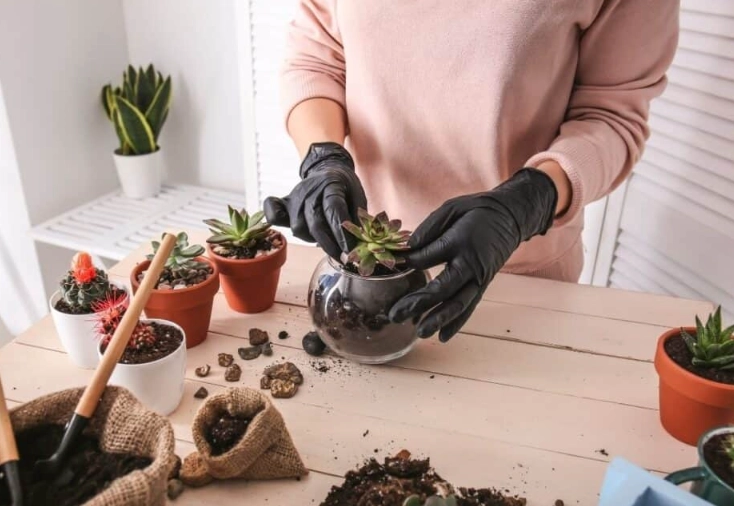
Pot choice matters too. Terracotta pots are excellent because they're porous and help wick away moisture. Always, always use a pot with a drainage hole. If you love a cache pot (a decorative outer pot), put the plastic nursery pot inside it and take it out to water.
Decoding Common Peperomia Problems
See a symptom? Here's the likely cause and fix.
Leaves dropping suddenly: Usually overwatering or a cold draft. Check the soil. Is it soggy? Stop watering. Let it dry out completely. Move it away from drafty windows or AC vents.
Leaves curling inward: Thirst. The plant is using up its internal water reserves. Give it a good soak.
Brown, crispy leaf tips or edges: Low humidity or salt/mineral buildup from tap water. These plants enjoy moderate humidity (40-50%). Group plants together, use a pebble tray, or run a humidifier nearby. Try watering with filtered or distilled water every few waterings.
Leggy, stretched-out growth with small leaves: Not enough light. Move it closer to a bright window.
Soft, mushy stems or black spots on leaves: Advanced root rot from overwatering. This is serious. You need to unpot the plant, cut away all black, mushy roots with sterile scissors, and repot in fresh, dry mix. Water very sparingly after.
How Do I Propagate My Peperomia?
It's incredibly easy and satisfying. The best method is stem or leaf cuttings in water or soil.
Take a healthy stem cutting with a few leaves. Let the cut end callous over for a few hours. Then, you have two choices:
- Water: Place the stem in a small glass of water, ensuring no leaves are submerged. Change the water weekly. Roots appear in 2-6 weeks. Pot up when roots are an inch or two long.
- Soil: Dip the cut end in rooting hormone (optional but helpful) and plant it in a small pot with your well-draining mix. Keep the soil slightly moist (not wet) and cover the pot with a plastic bag to create humidity. Roots form in a few weeks.
For varieties like Peperomia obtusifolia, you can even propagate from a single leaf with a bit of petiole (stem) attached.
A Quick Look at Popular Peperomia Types
Not all peperomias are created equal. Here's a quick cheat sheet.
| Type (Common Name) | Key Feature | Care Note |
|---|---|---|
| Peperomia obtusifolia (Baby Rubber Plant) | Thick, glossy, spoon-shaped leaves. | Very tolerant of lower light. Let soil dry almost completely. |
| Peperomia argyreia (Watermelon Peperomia) | Silver-striped leaves resembling watermelon rind. | Prefers higher humidity. More sensitive to overwatering. |
| Peperomia caperata (Emerald Ripple) | Deeply corrugated, heart-shaped leaves. | Loves consistent moisture (not wetness) and humidity. |
| Peperomia prostrata (String of Turtles) | Trailing stems with tiny, patterned leaves. | Treat more like a succulent. Bright light, infrequent water. |
| Peperomia ferreyrae (Happy Bean/Pincushion) | Tall, slender, bean-shaped succulent leaves. | Needs the brightest light and least water of the bunch. |
Your Peperomia Questions Answered
Why are the leaves on my peperomia falling off?
Sudden leaf drop is almost always a sign of overwatering or a cold draft. Check the soil. If it's soggy, stop watering immediately and let it dry out completely. Move the plant away from drafty windows or air conditioning vents.
My peperomia leaves are curling inward. What's wrong?
Curling leaves usually mean the plant is thirsty. Peperomias store water in their leaves, and when reserves are low, they curl to reduce surface area. Give it a thorough soak until water runs from the drainage holes, then resume your normal, infrequent watering schedule.
Can I grow peperomia in a bathroom without a window?
It's a major challenge. While some peperomias tolerate low light, no plant thrives in zero natural light. A bathroom's humidity is a plus, but the lack of light will cause leggy growth, loss of leaf variegation, and eventual decline. Consider a quality grow light if there's truly no window.
Is it better to propagate peperomia in water or soil?
Both work, but they have different risks. Water propagation lets you see the roots grow, which is gratifying, but the transition from water roots to soil roots can sometimes shock the plant. Soil propagation skips that shock but requires more faith as you can't see progress. For beginners, I recommend water for the visual feedback. For a higher success rate with more delicate varieties, go straight to a well-draining soil mix under a humidity dome (a plastic bag).
Peperomias are the quiet, resilient heroes of the houseplant world. They don't demand constant attention, they adapt, and they reward even the most hesitant plant parent with unique beauty. Start with one. Master its rhythm of dry spells and deep drinks. You might just find yourself, like I did, making room on your shelves for a few more of these wonderful, textured gems.

Comments