Let’s cut to the chase: growing lavender indoors isn’t like caring for a pothos. It demands specific conditions, and most beginners get it wrong. I’ve lost plants to overwatering, poor light, and bad soil—but after a decade of trial and error, I’ve nailed down what actually works. This guide skips the fluff and gives you the hard truths for keeping lavender alive and fragrant inside your home.
What’s Inside This Guide
Why Bother with Indoor Lavender?
Sure, lavender smells amazing and looks pretty, but indoors? It’s a challenge. The payoff is huge though. A healthy plant purifies air, reduces stress (studies like those cited by the National Institutes of Health note lavender’s calming effects), and adds a touch of Provence to your space. I keep mine in the kitchen—the scent masks cooking odors better than any spray.
But here’s the kicker: most people fail because they treat lavender like any other houseplant. It’s not. It’s a Mediterranean native that craves sun and hates wet roots. If you’re up for a bit of work, the rewards are worth it.
Picking Your Lavender: Not All Varieties Are Equal
You can’t just grab any lavender from the nursery. Some varieties adapt better to indoor life. English lavender (Lavandula angustifolia) is the top pick—it’s compact, fragrant, and tolerates indoor conditions better. French lavender (Lavandula dentata) is showier but fussier about humidity.
I made the mistake of buying Spanish lavender once; it wilted within days because my apartment was too dry. Stick with dwarf varieties like ‘Munstead’ or ‘Hidcote’ for containers.
Pro tip: Look for plants labeled as “potted” or “container-friendly” at garden centers. Avoid those in bloom if you’re a beginner—they’re stressed and harder to establish.
| Variety | Best For Indoors? | Key Traits | My Experience |
|---|---|---|---|
| English Lavender (Lavandula angustifolia) | Yes | Compact, cold-tolerant, less fussy | Thrived for 3 years on a sunny sill |
| French Lavender (Lavandula dentata) | Maybe | Showy flowers, needs more humidity | Died in dry winter air |
| Spanish Lavender (Lavandula stoechas) | No | Heat-loving, poor indoor adaptation | Failed miserably |
The Non-Negotiables: Light, Water, and Soil
Get these three wrong, and your lavender is toast. I learned this the hard way.
Getting the Light Right
Lavender needs bright light—at least 6 hours daily. But here’s a nuance: direct afternoon sun through a window can scorch leaves. East-facing windows are gold. South-facing works if you diffuse light with a sheer curtain. I use a light meter app to check intensity; aim for 10,000 to 20,000 lux.
If natural light is weak, grow lights are non-negotiable. LED full-spectrum lights placed 6 inches above the plant for 12-14 hours a day saved my lavender during cloudy Seattle winters.
Watering Without Drowning
This is where everyone messes up. Lavender hates wet soil. Water deeply only when the top inch of soil is bone-dry. In practice, that might be every 10-14 days in summer, every 3-4 weeks in winter. Use a moisture meter if you’re unsure—I rely on one because finger-testing can be deceptive.
Water until it drains out the bottom, then empty the saucer. Root rot is silent and deadly; I lost a plant to it because I left water sitting.
Soil Mix Secrets
Regular potting soil is a death sentence. Lavender needs fast-draining, alkaline soil. My mix: 2 parts cactus soil, 1 part perlite, and a handful of horticultural lime. The Royal Horticultural Society recommends similar well-draining mixes for Mediterranean herbs.
Pot choice matters too. Terracotta pots are best—they breathe and wick moisture. Plastic pots retain water and increase rot risk.
Common Pitfalls and How to Avoid Them
Beyond basics, here are subtle mistakes I’ve seen (and made).
Over-fertilizing: Lavender is a light feeder. Too much nitrogen causes leafy growth but no flowers. I fertilize once in spring with a diluted, balanced fertilizer, and that’s it.
Ignoring humidity: Indoor air can be too dry or too humid. Lavender prefers 40-50% humidity. In dry climates, group plants together or use a pebble tray. In humid areas, ensure airflow with a fan to prevent mold.
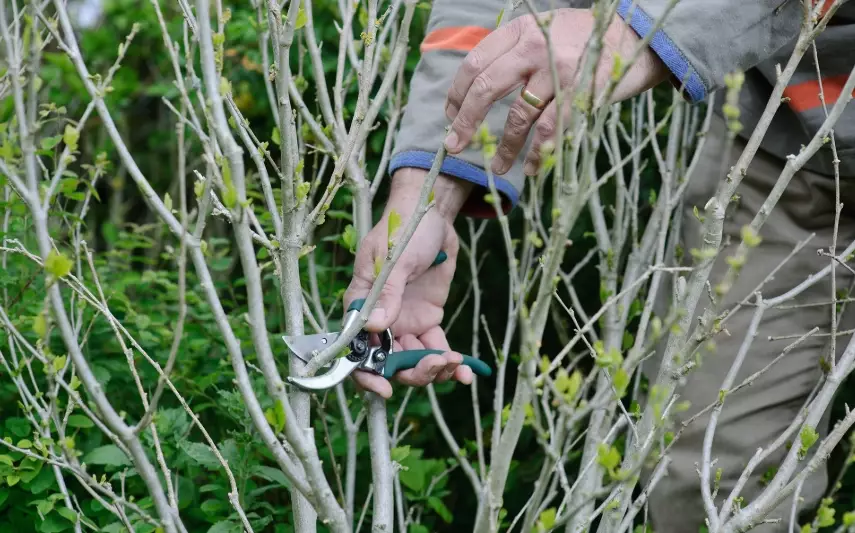
Not pruning: Leggy growth is common indoors. Prune lightly after flowering to maintain shape. I prune mine back by one-third in early spring to encourage bushiness.
A personal story: I once placed lavender near a heat vent. The dry air sucked moisture from the leaves, turning them crispy. Moving it away saved the plant.
FAQ: Your Burning Questions Answered
Growing lavender indoors isn’t for the faint-hearted, but with these tips, you can avoid the common traps. Start with a healthy plant, nail the light and water, and don’t be afraid to experiment. My lavender now blooms yearly, filling the room with that iconic scent—proof that even finicky plants can thrive inside.


Comments