I killed my first Calandiva. It was a gift, a burst of cheerful pink blooms that sat on my kitchen table. I treated it like any other houseplant, watering it when the soil looked dry. Within two months, it was a mushy, sad stem in a pot of soggy soil. That failure taught me more than any generic care sheet ever could. Calandiva kalanchoe care isn't hard, but it's specific. Get it right, and you're rewarded with clusters of rose-like flowers that can last for months. Get it wrong, and well, you know.
Your Calandiva Care Roadmap
So, let's get your Calandiva thriving, not just surviving. This guide ditches the fluff and focuses on what actually works, drawn from years of keeping these succulents happy in less-than-perfect indoor conditions.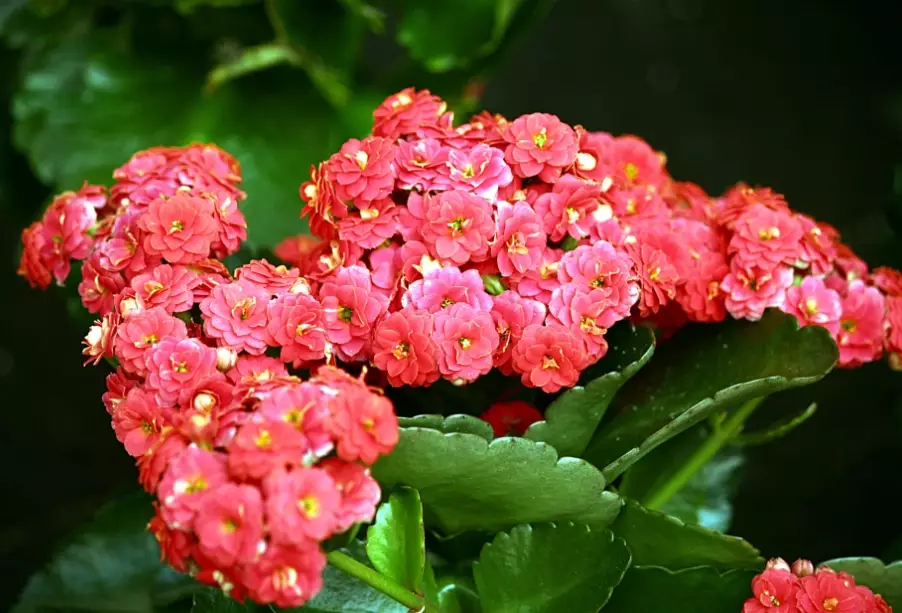
Finding the Perfect Light Spot
Light is the most critical factor for Calandiva care, especially if you want it to rebloom. Think of its native Madagascar habitat: bright, sunny, but often with some dappled shade.
Best Case Scenario: An east-facing window. It gets several hours of gentle morning sun without the intense, leaf-scorching heat of a south or west window in the afternoon. A south or west window is fine, but you might need to pull the plant back a foot or two from the glass or use a sheer curtain as a filter during peak summer months.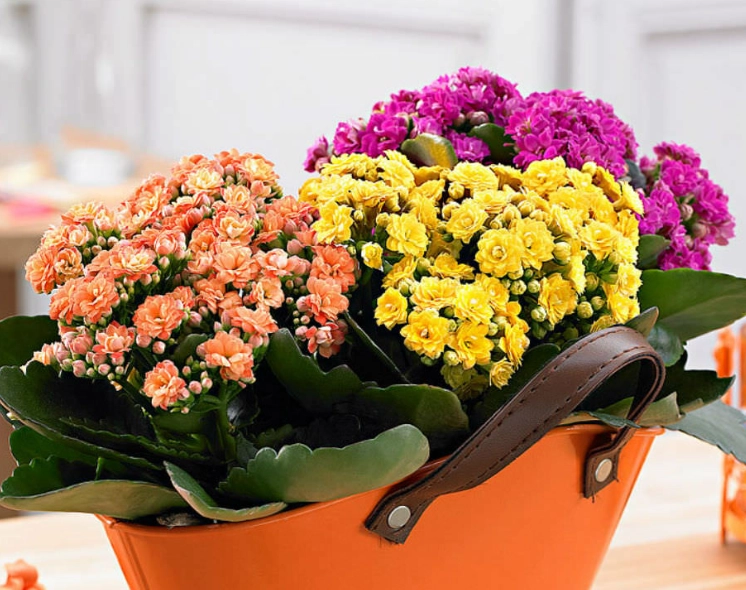
Here's a quick light guide:
| Location | Result | What to Look For |
|---|---|---|
| Bright, Indirect Light (East window) | Ideal. Promotes compact growth and abundant flowering. | Leaves are deep green, plant is bushy. |
| Direct Morning Sun | Excellent. Great for flower production. | No brown, crispy spots on leaves. |
| Low Light (Far from window, North window) | Poor. Plant becomes leggy, blooms rarely or never. | Stems stretch out, leaves are spaced far apart, color may fade. |
| Hot Afternoon Sun (Unfiltered South/West) | Risky. Can scorch leaves, stress the plant. | Brown or bleached patches on leaves. |
If your only option is a north-facing room, consider supplementing with a grow light. A simple LED bulb placed a foot above the plant for 8-10 hours a day can make all the difference.
The Watering Sweet Spot: Not Too Much, Not Too Little
This is where most people, including past me, fail. Calandiva is a succulent. Its thick, waxy leaves store water. Overwatering is a death sentence, leading to root rot. Underwatering is less fatal but causes stress and dropped leaves.
Forget the calendar. Don't water every Tuesday. Your plant's thirst depends on light, temperature, pot size, and humidity.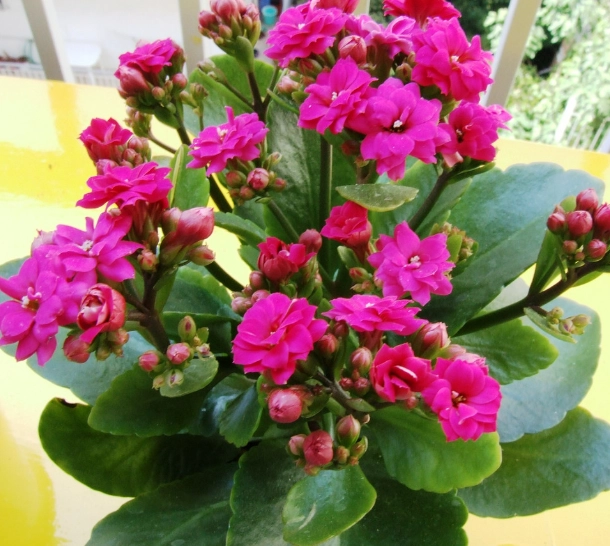
The Finger Test Method: Stick your finger into the soil, up to the first knuckle (about an inch deep). If the soil feels completely dry at that depth, it's time to water. If it feels even slightly damp or cool, wait. In winter, when growth slows, you might only need to water every 3-4 weeks.
How to Water Properly: Take the plant to the sink. Water thoroughly until you see a steady stream of water run out of the drainage holes. This ensures the entire root ball gets moisture. Let it drain completely before putting it back in its decorative pot or saucer. Never let it sit in a saucer of water.
A subtle point most guides miss: Calandiva roots are finer and more prone to rot than, say, a Jade plant. They really can't tolerate "wet feet." Using a terracotta pot can help, as it wicks away excess moisture from the soil.
Soil and Potting: The Foundation of Health
The right soil is your insurance policy against overwatering. A standard potting mix holds too much moisture.
The Goal: Fast-draining, gritty, and airy.
Simple DIY Mix: Combine 2 parts regular potting soil with 1 part perlite and 1 part coarse sand or horticultural grit. This creates the perfect balance of moisture retention and drainage.
You can also use a pre-mixed cactus and succulent potting soil, but I often find even those benefit from an extra handful of perlite mixed in.
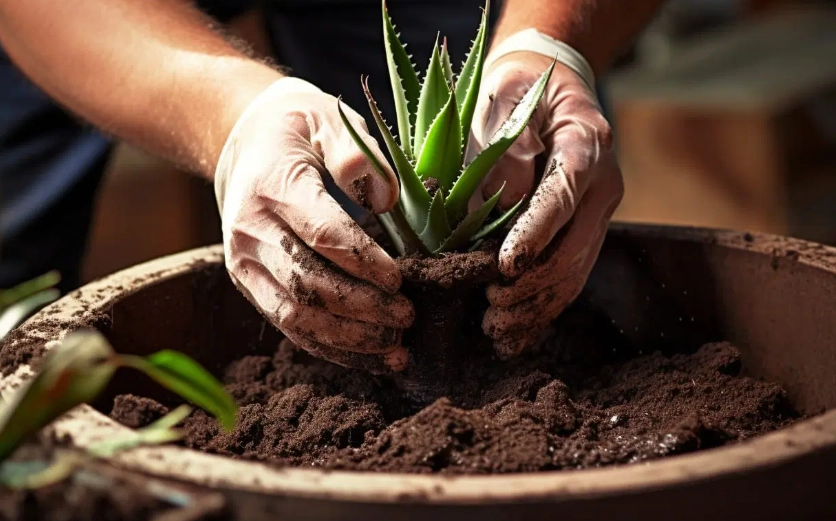
Pot Choice: Always, always use a pot with drainage holes. Size matters too. Calandiva likes to be slightly root-bound, which encourages blooming. Only repot when the roots are visibly circling the bottom of the pot, and then only go up one pot size (e.g., from a 4-inch to a 5-inch pot). Repotting is best done in spring or early summer, after flowering.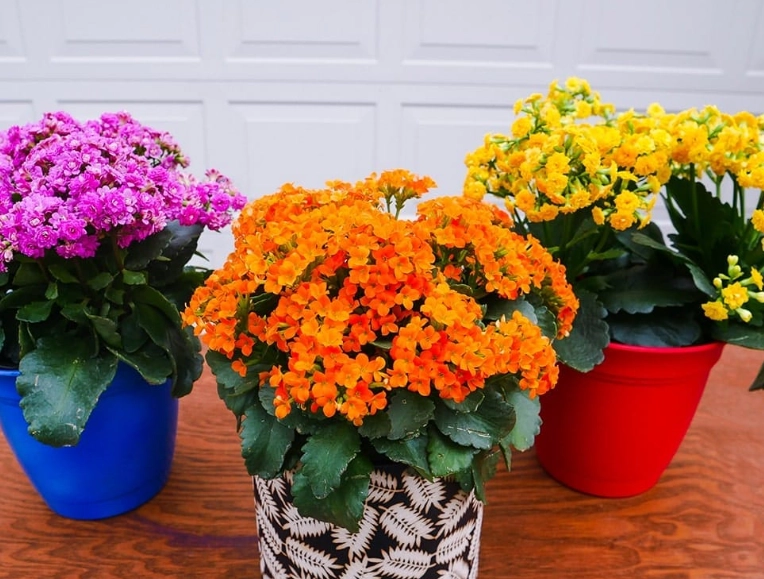
Keeping It Comfy: Temperature and Humidity
Calandiva is perfectly happy with typical indoor temperatures. Aim for between 60°F and 75°F (15°C - 24°C).
What it doesn't like are drafts and sudden temperature changes. Keep it away from heating vents, air conditioning blasts, and leaky windows in winter. A cold draft can cause leaf drop.
Humidity is rarely an issue. Average home humidity (around 40-50%) is fine. You don't need to mist it; in fact, misting can promote fungal diseases on the dense flower clusters. If your air is extremely dry, a pebble tray with water underneath the pot is a better solution than spraying.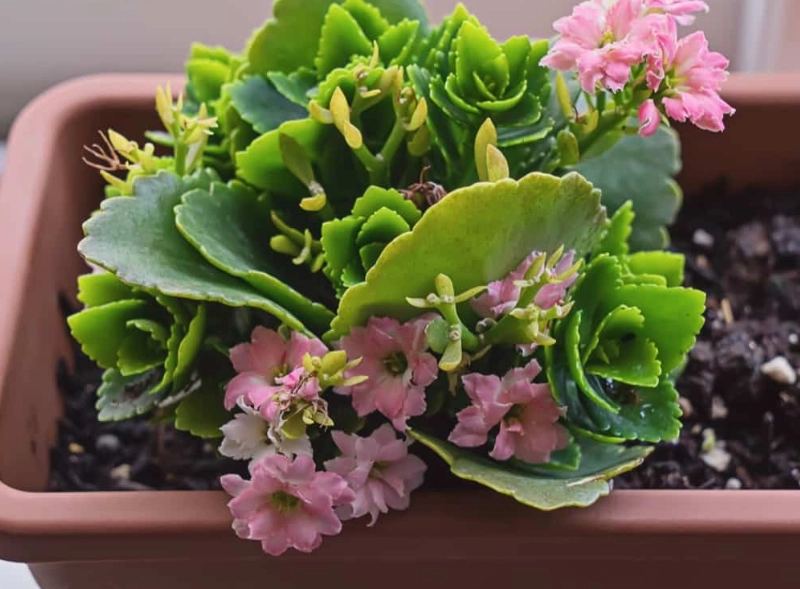
The Secret to More Blooms: Pruning and Dormancy
Calandiva is often sold as a seasonal disposable plant, but it's a perennial. Getting it to rebloom requires understanding its cycle.
Deadheading and Pruning: Once a flower cluster fades, snip it off at the base of its stem. This encourages the plant to put energy into new growth, not seed production. After the main flowering period, you can give the plant a more general trim to shape it and encourage bushiness. Use clean, sharp scissors.
How to Trigger Reblooming (The Short-Day Trick)
Calandiva is a "short-day plant." It sets flower buds when it experiences longer nights (at least 14 hours of darkness). This naturally happens in fall/winter.
To force it to bloom at other times:
- For 6-8 weeks, give the plant 14-16 hours of complete, uninterrupted darkness each night. A closet or a box placed over it works.
- During the day, give it 8-10 hours of bright light.
- Keep watering lightly (let it dry out more than usual) and hold off on fertilizer.
- Once you see tiny flower buds forming, you can return it to its normal light schedule.
It's a bit of work, but seeing those buds form is incredibly satisfying.
Troubleshooting: Reading Your Plant's Signals
Your Calandiva will tell you what's wrong. You just have to listen.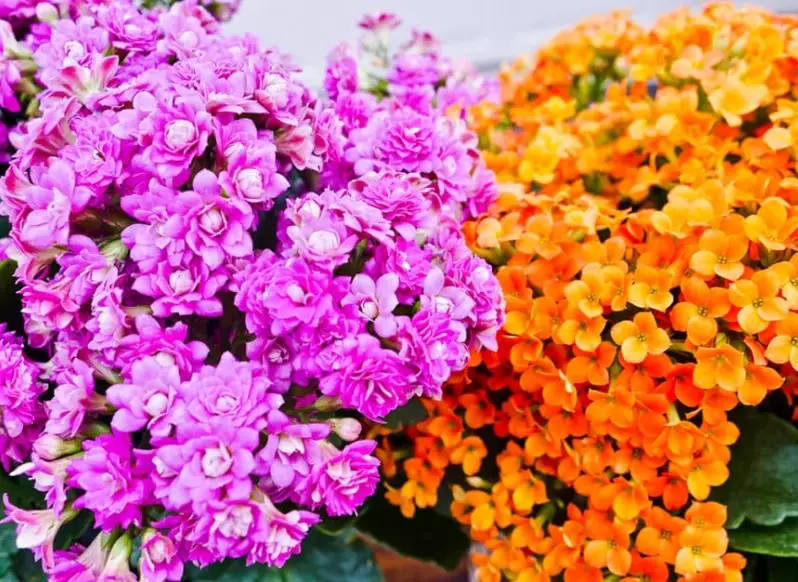
Yellowing, Mushy Lower Leaves: Classic overwatering. Stop watering immediately. Check the roots. If they're brown and soft, it's root rot. You may need to cut away the rot, let the healthy stem callous, and re-root it in fresh, dry succulent mix.
Wrinkled, Limp Leaves: Underwatering. Give it a good soak. It should plump up within a day.
Leggy, Stretched Growth: Not enough light. Move it to a brighter spot.
Brown, Crispy Leaf Edges: Could be sunburn from too much direct hot sun, or a build-up of salts/minerals from tap water. Try using filtered or distilled water, or move the plant to a spot with gentler light.
No Flowers: Insufficient light or lack of a dormancy/short-day period. Ensure it gets enough bright light and consider the darkness treatment described above.
Pests like mealybugs or aphids can sometimes appear, especially on stressed plants. A cotton swab dipped in rubbing alcohol can spot-treat mealybugs. A strong spray of water or insecticidal soap handles aphids. Good air circulation helps prevent issues.
Your Calandiva Questions, Answered
This is almost always environmental shock. The plant moved from a perfect greenhouse to your home, with different light, humidity, and temperature. It's a stress response. Don't panic and overwater it. Place it in a stable spot with good indirect light, water only when dry, and give it a few weeks to adjust. The leaf drop should slow, and new growth will appear.
You can, but stem cuttings are far more reliable and faster. Leaf propagation for Calandiva is notoriously slow and has a low success rate compared to other kalanchoes. Take a 3-4 inch stem cutting, let the end dry and callous over for a day or two, then stick it in moist succulent mix. It will root in a few weeks.
Yes. According to the ASPCA, Kalanchoe species contain compounds that can cause vomiting, diarrhea, and, in rare cases, heart arrhythmias in cats and dogs if ingested. It's best to keep it out of reach of curious pets.
Yes, but sparingly. During its active growing season (spring and summer), feed it once a month with a balanced, water-soluble fertilizer diluted to half the recommended strength. Do not fertilize in fall and winter when growth is slow, and never fertilize a stressed or dry plant. Over-fertilizing leads to weak, leggy growth and can burn the roots.
Absolutely. The showy blooms you bought it for are not permanent. A flower head can last several weeks, but eventually, it will fade. This is part of the natural cycle. Snip off the spent flower stem at its base to keep the plant looking tidy and to encourage potential side shoots. Focus on the leaf health—that's the indicator of your long-term care success.
Comments