You typed that exact question into Google, didn't you? I did too, about a decade ago, right after I drowned my first peace lily in a wave of over-enthusiastic care. The truth is, the most common answer you'll find—"once a week"—is a recipe for disaster. It's the plant care equivalent of saying everyone should wear a size medium. Your snake plant in a dark corner doesn't drink like your thirsty fern in a sunny window. So, let's kill the calendar-based myth right now. How often you should water is not a schedule; it's a diagnosis based on a handful of specific, observable factors.
What's Inside This Guide?
- Why the Finger Test Isn't Enough
- The 5 Real Factors That Dictate Watering Frequency
- A Quick-Reference Guide by Plant Type
- How to Water Correctly (It's Not Just Pouring)
- Adjusting for Seasons: Your Summer vs. Winter Game Plan
- Troubleshooting: Reading Your Plant's SOS Signals
- Your Watering Questions, Answered
Why the "Finger Test" Alone Will Let You Down
Sticking your finger an inch into the soil is Plant Care 101. It's a start, but it's a surface-level check. The real moisture story happens deeper, where the roots live. A pot can feel dry on top but be sopping wet at the bottom, especially if it has poor drainage or a dense soil mix. I learned this the hard way with a fiddle leaf fig. Top inch dry? Check. Watered it. A week later, it dropped half its leaves from root rot.
The 5 Real Factors That Dictate Watering Frequency
Forget "days between waterings." Your watering frequency is a result of this equation:
1. Light Exposure (The Biggest Driver)
A plant in bright, direct light is like an athlete in training—it metabolizes water fast to fuel growth. The same plant in low light is hibernating; its water needs plummet. A south-facing window in summer might mean watering a pothos every 5 days. That same pothos in a north-facing room in winter might go 3 weeks. Light intensity directly controls how much water a plant "drinks" through transpiration.
2. Pot Size and Material
Small pots dry out incredibly fast. A 4-inch terracotta pot in a sunny spot might need water every other day. A large glazed ceramic pot holds moisture for much longer. Terracotta is porous, allowing water to evaporate through the walls, which is great for plants prone to overwatering (like succulents) but risky for moisture-lovers. Plastic and glazed ceramic retain moisture.
3. Soil Mix Composition
This is the silent variable most beginners ignore. Bagged, generic potting soil is often too dense and peat-heavy, staying wet for ages. I repot almost every new plant into a well-draining mix. A simple recipe: two parts standard potting soil, one part perlite, one part orchid bark. This creates air pockets, prevents compaction, and lets water flow through while retaining enough moisture. A plant in dense soil needs far less frequent watering than one in this chunky mix, even if they're side-by-side.
4. Plant Type and Root Structure
A succulent stores water in its leaves. A fern has delicate, fine roots that crave consistent moisture. A monstera has thick, tuberous roots that like to dry out a bit. You have to know what you're growing. Grouping plants with similar needs (like all your succulents and cacti together) makes your life infinitely easier.
5. Your Home's Environment (Humidity & Temperature)
Dry, heated air in winter sucks moisture from soil and leaves. A humidifier or a pebble tray can slow down your watering frequency. A hot, dry summer breeze from an AC vent has the same effect. Conversely, a humid bathroom can extend the time between waterings for a tropical plant.
A Quick-Reference Guide by Plant Type
Here’s a concrete starting point. Remember, this assumes "bright, indirect light" and a room-temperature environment. You must adjust based on the five factors above.
| Plant Type | General Watering Cue | What It Really Means & Example Plants |
|---|---|---|
| Drought-Tolerant / Succulents | Water only when soil is completely dry throughout. | Wait until the pot feels light. Could be 2-4 weeks. Snake Plant, ZZ Plant, Jade Plant, Cacti. |
| Moderate / Let Dry | Water when the top 50-75% of soil is dry. | Chopstick comes out mostly clean. This is the largest category. Pothos, Philodendron, Monstera, Spider Plant. |
| Consistent Moisture | Water when the top inch of soil feels dry. | Don't let them sit in water, but don't let them dry out completely. Peace Lily, Ferns, Calathea, Fittonia. |
| Moisture-Loving | Keep soil evenly moist, never soggy. | These often thrive in self-watering pots or with a consistent wicking system. Some Carnivorous plants, Papyrus, Baby's Tears. |
How to Water Correctly (It's Not Just Pouring)
Frequency is half the battle. Technique is the other. The goal is to thoroughly wet the entire root ball, not just dampen the surface.
Bottom Watering: This is my preferred method for most plants. Place the pot in a sink or bowl with 2-3 inches of water. Let it sit for 20-45 minutes, until the topsoil feels moist. This encourages roots to grow downward and ensures even saturation. Then, lift it out and let it drain completely. No guesswork about whether you've watered enough.
Top Watering Thoroughly: If you water from the top, do it slowly at the soil level, not over the leaves. Keep pouring until water runs freely out of the drainage holes. This flushes out salts and minerals. This is critical: Empty the saucer or cache pot after 15 minutes. Letting a plant sit in water is the fastest way to root rot.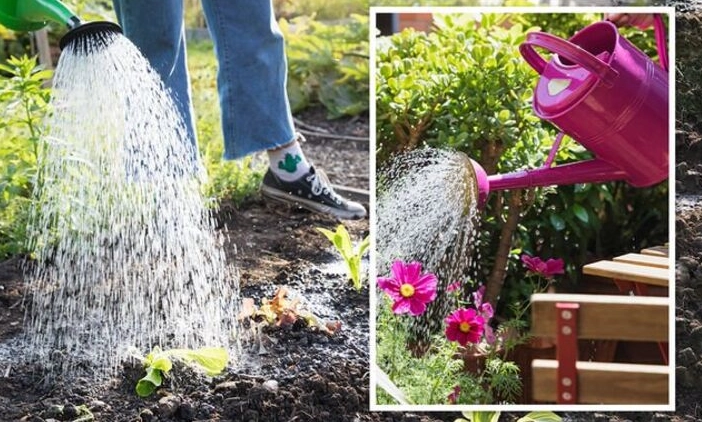
Adjusting for Seasons: Your Summer vs. Winter Game Plan
Plants have seasons, even indoors. Most houseplants grow actively in spring and summer (longer, brighter days) and go dormant or slow down in fall and winter.
Spring/Summer (Growth Season): This is when they're thirsty. You might be watering your monstera every 7-10 days. Monitor closely as light increases.
Fall/Winter (Dormant Season): Pull back significantly. That monstera might now need water every 3-4 weeks. The combination of lower light, shorter days, and indoor heating creates a perfect storm for overwatering. I sometimes go the entire winter only watering my succulents once or twice. Always check the soil, don't assume.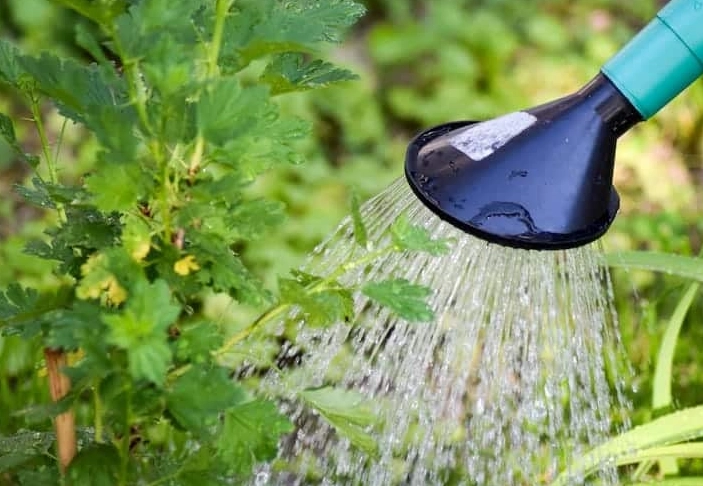
Troubleshooting: Reading Your Plant's SOS Signals
Your plant talks. You just need to learn its language. The symptoms for overwatering and underwatering can look strangely similar because both damage the roots' ability to function.
Signs of Overwatering (The More Common Killer):
- Yellowing leaves, often starting with the lower, older ones.
- Leaves that feel soft, mushy, or translucent.
- New and old leaves falling off simultaneously.
- A consistently wet, heavy pot and a foul, musty smell from the soil (that's root rot).
Signs of Underwatering:
- Crispy, brown leaf edges or tips.
- Leaves that are dry, papery, and curled (especially in ferns).
- Drooping or wilting that doesn't improve shortly after watering.
- Soil pulling away from the edges of the pot.
When in doubt, check the soil. Is it sopping wet? Hold off. Is it dust-dry and the pot is light? Give it a good soak.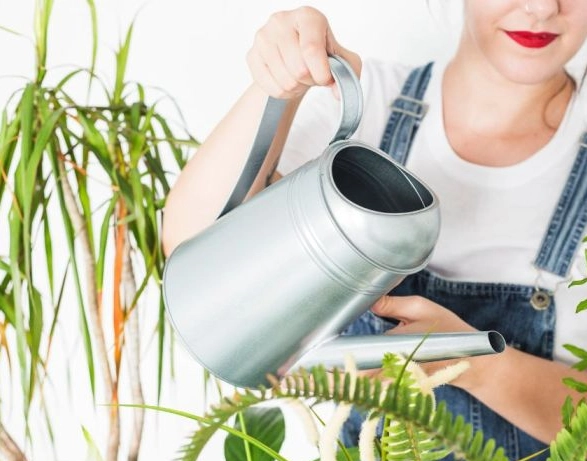
Your Watering Questions, Answered
The bottom line is this: watering is a relationship, not a chore. You're observing, learning, and responding. Throw out the rigid schedule. Pick up the chopstick. Feel the weight of the pot. Look at the light. Your plants will tell you what they need, and once you learn to listen, you'll stop asking Google "how often" and start knowing.

Comments