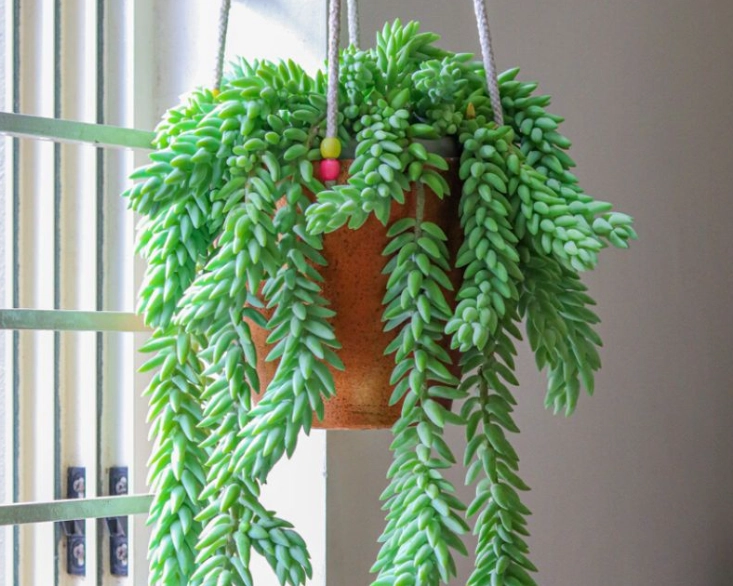
You've seen those stunning photos. Cascading tendrils of plump, blue-green leaves, spilling over the edge of a hanging pot like a living waterfall. That's Sedum morganianum, the donkey's tail plant. It's the succulent that makes every plant lover's heart skip a beat, followed immediately by a pang of anxiety. Because let's be honest, its reputation precedes it. People call it fragile, fussy, a leaf-dropping machine. I killed my first one too. Overwatered it with love. But after a decade of growing these (and learning from the corpses of a few), I can tell you the secret isn't in treating it with kid gloves—it's in understanding its simple, non-negotiable needs. This isn't just another care sheet. This is the guide I wish I had when I started, full of the gritty details most articles gloss over.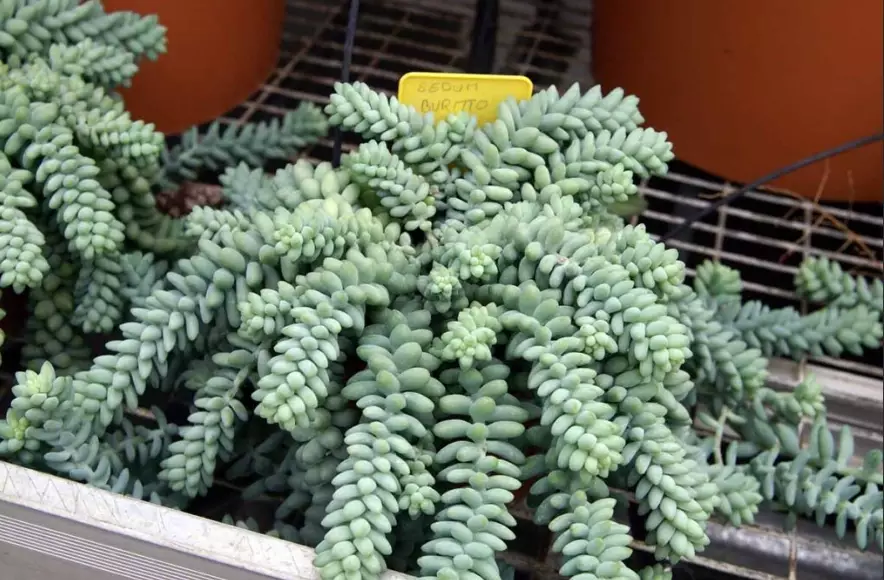
What's Inside This Guide?
What is a Donkey's Tail Plant?
Donkey's tail (Sedum morganianum) is a perennial succulent native to southern Mexico and Honduras. It's a trailing plant, meaning it doesn't grow upright but sends out long, rope-like stems that can eventually reach over 2 feet in length. Those iconic "leaves" are actually modified, water-storing structures called farinose leaves. That dusty, pale blue coating? It's epicuticular wax, a natural sunscreen and moisture barrier. Touch it, and it smudges. Never wipe it off.
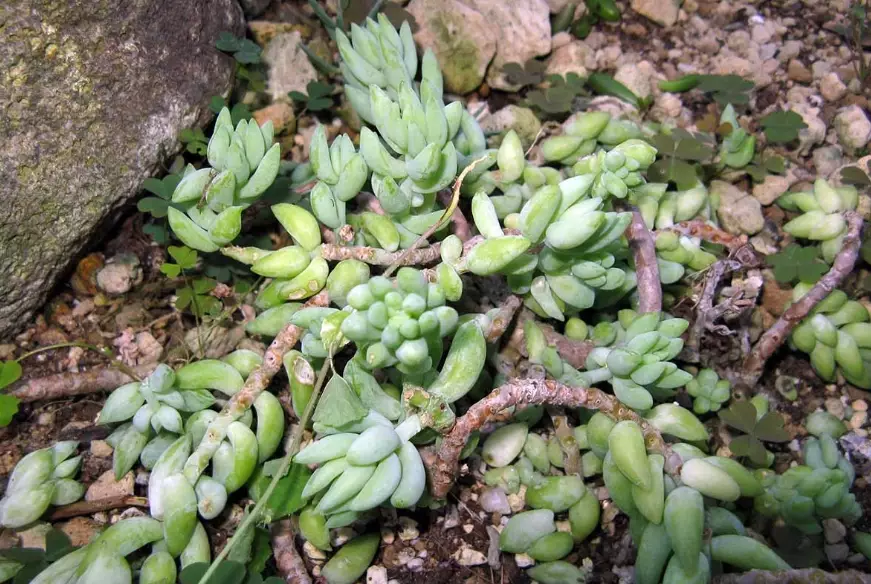
Here’s a quick fact table to separate it from look-alikes:
| Feature | Donkey's Tail (Sedum morganianum) | Burro's Tail (Sedum burrito) |
|---|---|---|
| Leaf Shape | Pointed, elongated, spear-like | Rounded, chubby, bean-like |
| Growth Habit | More open, stems can appear leggier | Tighter, more compact trails |
| Common Name | Often used interchangeably, but this is the classic | Often sold as "Baby Donkey's Tail" |
Most plants you buy are S. morganianum. The care is identical, but burrito is often slightly more forgiving with leaf loss.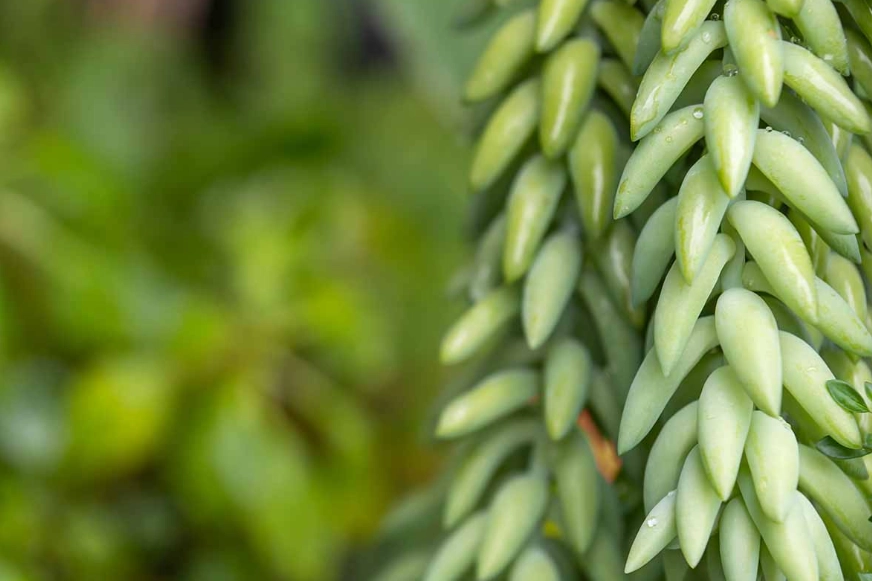
How to Care for Your Donkey's Tail: A Step-by-Step Guide
Forget the complex routines. This plant thrives on benign neglect, but specific neglect. Get these four pillars right, and you're 90% of the way there.
How to Water a Donkey's Tail Without Killing It
This is the number one killer. The biggest mistake isn't underwatering—it's the frequency of watering. The leaves are full of water. They can go weeks.
My method: I use the "pot lift" test. When the pot feels suspiciously light, I then check the soil. I stick a wooden chopstick or my finger deep into the soil near the edge of the pot (avoiding the stems). If it comes out completely dry and clean, I water. If there's any moisture or dirt clinging, I wait.
In summer, this might be every 2-3 weeks. In winter, it could stretch to 5-6 weeks or more. Your environment dictates the schedule, not the calendar.
Light: The Sunburn Balance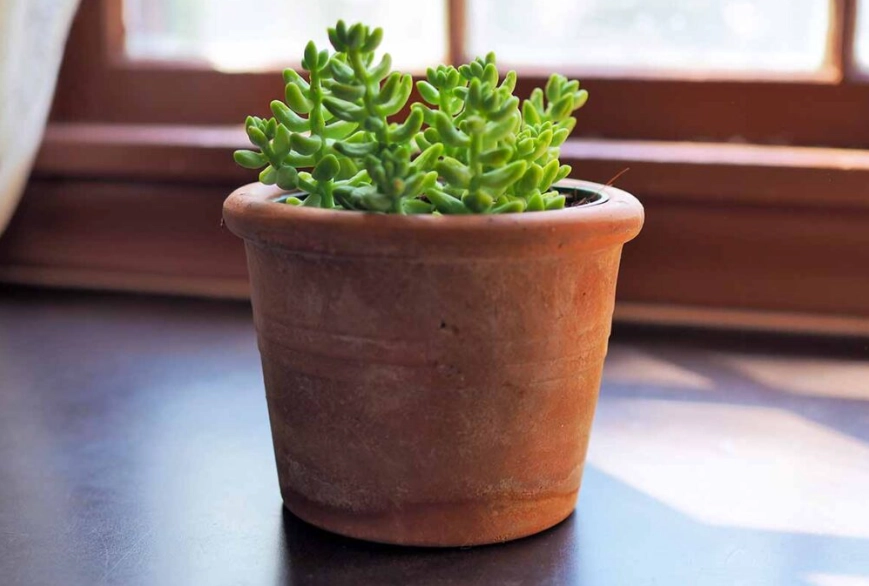
It loves bright light. But "bright" doesn't mean scorching afternoon sun behind a hot window. That bleaches the color and can scar the leaves.
The sweet spot is bright, indirect light for most of the day. An east-facing window is perfect. A south or west window is fine if it's filtered by a sheer curtain or you pull it back a few feet. Insufficient light leads to etiolation: pale, stretched-out gaps between leaves. It looks sad and weak.
Soil and Pot: The Foundation of Health
Regular potting soil is a death sentence. It holds too much moisture. You need a gritty, fast-draining mix.
My homemade mix: 50% succulent & cactus potting mix (like from Miracle-Gro or Espoma), 30% perlite, 20% coarse sand or poultry grit. The perlite is crucial for aeration.
The pot must have a drainage hole. Terracotta is ideal—it's porous and helps wick away moisture. Size matters. Only repot when rootbound, and go up just 1-2 inches in diameter. Too much soil around a small rootball stays wet for too long.
Temperature and Humidity
It likes room temperature, between 65-75°F (18-24°C). It can handle down to 50°F (10°C) in winter if kept dry. Average household humidity is fine. High humidity combined with cool soil is a rot risk.
How to Propagate Donkey's Tail Successfully
So leaves fell off. Don't panic. This is your chance to make more plants. The common advice is to "just lay leaves on soil." That works, but slowly. Here's a faster, more reliable method I've honed.
- Select the Leaf: Gently twist a healthy, plump leaf from the stem. Get the whole base. A torn leaf won't propagate.
- The Callus is Key: This is the most skipped step. Place the leaf on a paper towel out of direct sun. Leave it alone for 2-4 days until the broken end forms a dry, white callus. No callus = rot when it touches soil.
- Planting (or not): You can lay the callused leaves on top of dry succulent mix. Do not bury them. Alternatively, I sometimes just leave them in a dry, bright saucer. Roots will search for soil.
- The Waiting Game: Mist the soil very lightly around the leaves every few days only when it's bone dry. In a few weeks, you'll see pink roots and a tiny rosette. Once the mother leaf shrivels, you can pot the baby.
For stem cuttings, the process is similar. Take a 3-4 inch cutting, let it callus for a week (!), then plant the callused end in dry soil. Wait another week before even thinking about watering.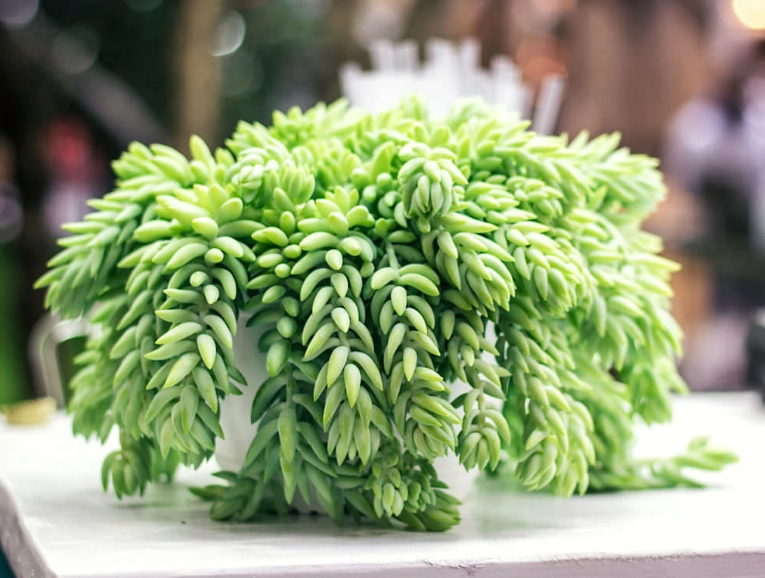
Troubleshooting: Why Is My Plant Dying?
Let's diagnose the visual cues.
| Symptom | Likely Cause | Immediate Action |
|---|---|---|
| Leaves shriveling, wrinkling | Underwatering or extreme heat. | Give a thorough soak. If the leaves plump up in 1-2 days, it was thirsty. |
| Leaves turning yellow, translucent, mushy | Overwatering / Root Rot. | STOP WATERING. Remove plant, check roots. Cut away black/mushy roots. Repot in dry, fresh mix. May need to take stem cuttings to save it. |
| Brown, crispy patches on leaves | Sunburn. | Move to a location with less intense, direct sun. The scars are permanent, but new growth will be fine. |
| Gaps between leaves, pale growth | Insufficient light (Etiolation). | Gradually move to a brighter spot. You can't fix the stretched part, but new growth will be compact. |
| Leaf drop at the slightest touch | Often a sign of overwatering stress, or simply its nature. Can also be from physical jostling. | Check watering habits first. Then, find it a permanent home where it won't be brushed against. |
Your Donkey's Tail Questions, Answered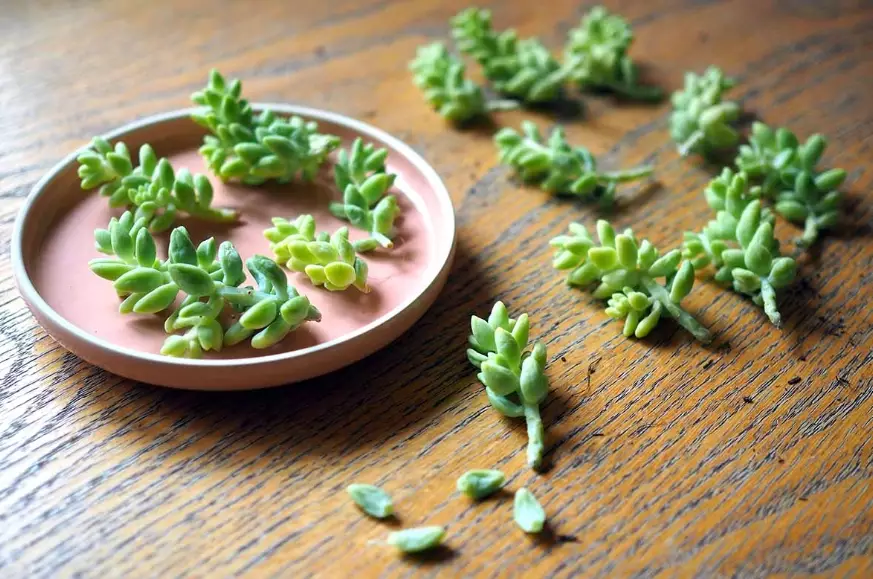
 How do I repot this fragile plant without destroying it?
 The donkey's tail plant asks for very little: a gritty home, a deep drink only when parched, and a bright, peaceful spot to cascade. Respect its simple needs, and it will reward you with years of serene, sculptural beauty. Stop fighting its nature, and start working with it. Now go check if that soil is dry yet.

Comments