That empty corner in your living room. The blank wall behind your sofa. The vast, impersonal feel of a high-ceilinged entryway. We've all stared at these spaces, knowing they need something, but struggling to find the right piece of furniture. Here's a thought: skip the furniture. Think bigger, leafier. Think about a living, breathing piece of decor—a tall indoor plant.
I've filled homes and offices with these green giants for over a decade. I've killed a few, saved many, and learned that the right large floor plant doesn't just fill space; it transforms the energy of a room. It adds humidity, filters air (a benefit supported by NASA's Clean Air Study, though the scale required for significant impact is often debated), and provides a daily connection to nature. This guide cuts through the Pinterest-perfect fantasy and gives you the real, actionable knowledge to choose and care for a tall plant that won't just survive, but thrive.
What's Inside?
The Instant Impact of a Tall Plant
Let's be practical. A six-foot fiddle leaf fig does what a gallery wall and two floor lamps combined cannot. It adds vertical interest, softens hard architectural lines, and creates a focal point that's dynamic—it changes with the light, grows new leaves, and has a presence. It's the cornerstone of biophilic design, the principle of connecting indoor spaces with nature to improve well-being. You're not just buying a plant; you're investing in the atmosphere of your home.
The psychological effect is real. A mature, healthy plant signals care and stability. It makes a room feel established, lived-in, and intentional.
How to Choose the Right Tall Plant for Your Space
This is where most guides stop at a generic list. Let's go deeper. Choosing isn't just about looks; it's a compatibility test between the plant's needs and your environment's reality. Ask these questions first:
- Light: Which direction does your window face? Use a light meter app on your phone for a rough idea. A north-facing window gets low light; south-facing gets intense, direct sun (in the Northern Hemisphere).
- Your Commitment Level: Be honest. Are you a helicopter plant parent or a forgetful waterer?
- Space: Measure the height and width of the space, including ceiling height. A plant that hits the ceiling looks awkward.
- Pets/Kids: This is non-negotiable. Check toxicity on the ASPCA website.
Now, let's match you with a plant. This table is your starting point.
| Plant Name | Light Needs | Water & Care | Growth Rate & Max Height | Why I Recommend It |
|---|---|---|---|---|
| Fiddle Leaf Fig (Ficus lyrata) | Bright, indirect light. No direct hot sun. | Let top 2" dry out. Hates drafts and being moved. | Moderate. Up to 10 ft indoors. | The iconic statement maker. Demanding but rewarding. Not for beginners who like to fuss. |
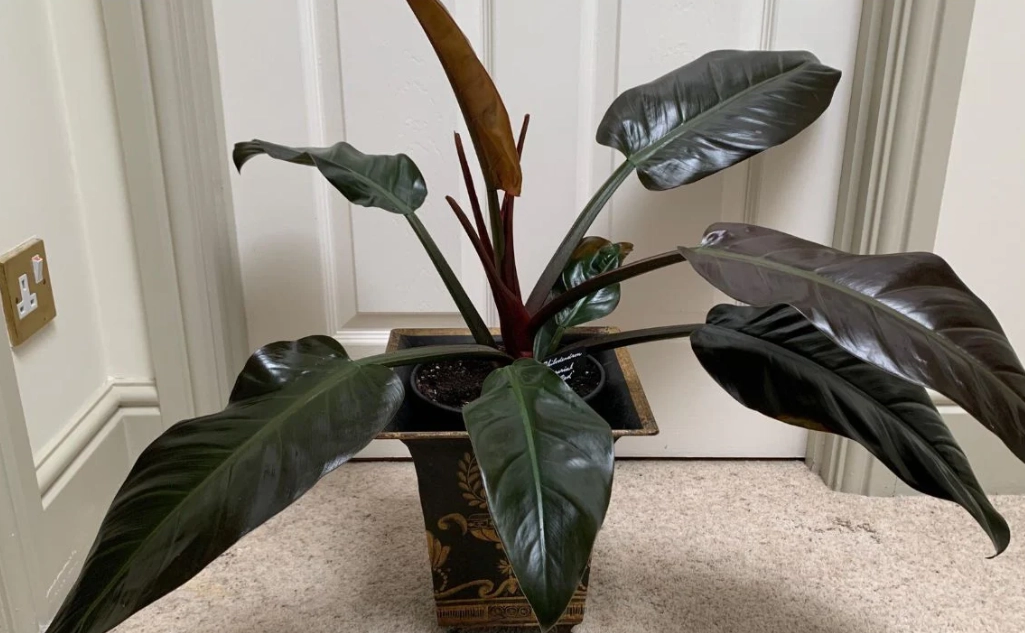
| Rubber Plant (Ficus elastica) | Bright, indirect to medium light. | Let soil dry halfway down. More forgiving than its cousin. | Fast. Up to 8 ft. | My top recommendation for reliability. Glossy leaves, fewer pests, tolerates some neglect. The 'Burgundy' variety is stunning. |
| Monstera Deliciosa | Bright, indirect light. Can handle medium light. | Water when top 1-2" are dry. Loves humidity. | Fast, especially on a moss pole. Sprawling. | The tropical, split-leaf vibe. Give it a stake to climb vertically, or let it bush out. A crowd-pleaser. |
| Dracaena Marginata (Dragon Tree) | Low to bright, indirect light. Very adaptable. | Let soil dry out completely. Overwatering is the killer. | Slow to moderate. Very tall, slender form. | Architectural and drought-tolerant. Perfect for narrow spaces. Toxic to pets. |
| Bird of Paradise (Strelitzia nicolai) | Full, direct sun to very bright indirect. | Keep soil consistently moist in summer, drier in winter. | Slow, then fast with enough light. Can hit ceiling. | For the bright, sunny spot. Gives a true "jungle" or "resort" feel with massive, banana-like leaves. |
| ZZ Plant (Zamioculcas zamiifolia) | Low to bright indirect light. Thrives on neglect. | Water only when bone dry, every 3-4 weeks. | Slow and steady. Up to 4-5 ft. | The ultimate low-light, low-water champion. Modern look. Virtually indestructible. |
See a plant you like? Pause. Here's the expert nuance most miss: Light trumps everything. You can adjust watering, but you can't make a Bird of Paradise happy in a dark hallway. Buy for the light you have, not the light you wish you had.
Placement & Styling: Beyond the Corner
Plonking a plant in a corner is fine, but let's get creative.
Frame a View or Anchor a Seating Area
Place a pair of tall, matching plants (like Dragon Trees) on either side of a large window or a sofa. It creates symmetry and structure, framing the space like living columns.
Create a "Green Divider"
In an open-plan space, use a line of large plants in complementary pots to softly define a dining area from a living area. A large Monstera or Fiddle Leaf Fig can act as a visual barrier without closing off the space.
The Bedroom Statement
A tall, gentle plant like a Parlor Palm or a large Snake Plant in the bedroom adds serenity. Avoid overly fragrant flowering plants. Place it where you see it first thing in the morning.
The Pot Matters
For tall plants, weight and stability are key. Choose a pot that's at least 2-3 inches wider than the nursery pot and has good weight to it. A heavy ceramic or concrete planter prevents top-heaviness. Ensure it has a drainage hole. Always use a saucer.
Styling Tip: Elevate smaller tall plants on a sturdy stool or plant stand. It gives them more presence, improves light exposure, and adds another layer of visual interest. A 24" plant on a 12" stand suddenly commands attention like a 36" plant.
The Advanced Care Guide (Beyond "Water Weekly")
Forget schedules. Your plant doesn't know it's Tuesday.
The Finger Test 2.0
Stick your finger 2-3 inches into the soil. For most tropicals, water when the top two inches are dry. For succulents like Snake Plants, wait until it's completely dry. Better yet, lift the pot. A dry pot is surprisingly light—you'll learn the feel.
The Secret to Humidity (Without a Humidifier)
Group plants together. They create a microclimate of shared transpiration. Pebble trays (a tray with water and pebbles under the pot) help a little, but grouping is more effective. Misting is largely theatrical; it raises humidity for about 10 minutes.
Feeding: Less is More
Use a balanced, water-soluble fertilizer (like a 10-10-10) diluted to half strength. Feed only during the active growing season (spring and summer). In fall and winter, stop. Over-fertilizing burns roots and causes more problems than under-fertilizing.
Dusting is Non-Negotiable
Dust on leaves blocks sunlight. Every month or two, wipe large leaves gently with a damp microfiber cloth, supporting the leaf from below. For a full clean, give your plant a lukewarm shower (if it's movable). Let it drip dry out of direct sun.
When to Repot
Not every spring. Repot when you see roots circling the bottom of the pot or growing out of the drainage holes, or when the plant dries out unusually fast. Only go up 1-2 inches in pot diameter. A pot that's too large holds wet soil for too long, leading to root rot.
From Blank to Lush: A Real Room Makeover
Let's look at my friend's apartment. A long, narrow living room with one large south-east facing window. The far corner was dead space.
The Problem: Bright light in the morning, medium light all day in the corner. The client wanted a "tropical" feel but traveled often.
The Solution: We chose a Rubber Plant (Ficus elastica 'Burgundy') for the corner. It could handle the light, its deep red leaves added color, and it was forgiving if watering was occasionally delayed. We placed it in a 14" terracotta-colored ceramic pot for stability and warmth.
To complement it and create layers, we added a medium Monstera on a side table near the window and a trailing Pothos on a high shelf. The tall Rubber Plant became the anchor. The room felt cohesive, vibrant, and designed—not just decorated with plants. Total cost for the transformation was less than a new armchair, and the impact was far greater.
Your Tall Plant Questions, Answered
The journey with a tall indoor plant is a slow, rewarding partnership. It won't change overnight, but week by week, new leaves will unfurl, and that empty space will become a living part of your home. Start with the right plant for your light, master the feel of the soil, and enjoy the process. Your green giant is waiting.
Comments