I almost killed my first Shooting Star Hoya. It came home with a tag that just said "easy care, low light." So I stuck it in a dark corner and watered it weekly, like my pothos. Big mistake. The leaves started getting soft, and it just sat there, sulking for a year. No growth, and definitely no sign of the incredible flowers that made me buy it. It turns out, Hoya multiflora (its proper botanical name) isn't your average low-light vine. It has specific, non-negotiable needs if you want to see those bizarre, star-shaped blooms that look like they're from a sci-fi movie.
After rescuing that plant and growing several more to flowering size, I've learned what this stunning but sometimes fussy plant really wants. This guide cuts through the generic advice and gives you the specifics.
In This Guide: Your Quick Navigation
- Hoya Shooting Star Light Requirements: It's Not What You Think
- How to Water Your Shooting Star Hoya Correctly
- The Best Soil and Pot for Hoya Multiflora
- Getting Your Hoya to Flower: The Blooming Triggers
- Shooting Star Hoya Propagation: Two Reliable Methods
- Troubleshooting: Yellow Leaves, No Growth, Pests
- Your Shooting Star Hoya Questions Answered
Hoya Shooting Star Light Requirements: It's Not What You Think
This is where most care sheets get it wrong. They label it a "low light" plant because it won't immediately die in shade. But to thrive and bloom? That's a different story.
Think of its light needs on a spectrum:
- Survival Mode (Low Light): A north-facing window or several feet back from an east/west window. It will live, growth will be glacial, and flowering is off the table. The stems might also get leggy as it stretches for light.
- Thriving & Blooming Mode (Bright, Indirect Light): This is the sweet spot. An east or west-facing window where it gets 4+ hours of gentle sun is perfect. A few feet from a bright south window (behind a sheer curtain) is also excellent. The leaves will be a healthy, deep green, and growth will be steady.
- Danger Zone (Direct, Harsh Sun): Hot afternoon sun from a south window will scorch the leaves, leaving permanent brown or yellow patches.
My plants that bloom reliably sit in a west-facing bathroom window. They get strong afternoon light filtered through a frosted glass film. If you only have lower light, consider a simple LED grow light. A basic bulb in a desk lamp, on for 10-12 hours a day about a foot above the plant, can make all the difference.
How to Water Your Shooting Star Hoya Correctly
Overwatering is the #1 killer. Those thick, succulent leaves are water reservoirs. The plant would rather be a bit dry than constantly wet.
Here's my foolproof method:
- Forget the Schedule. Don't water every Tuesday. Check the soil.
- The Finger Test. Stick your finger into the soil up to the second knuckle (about 2 inches). If it feels completely dry, it's time to water.
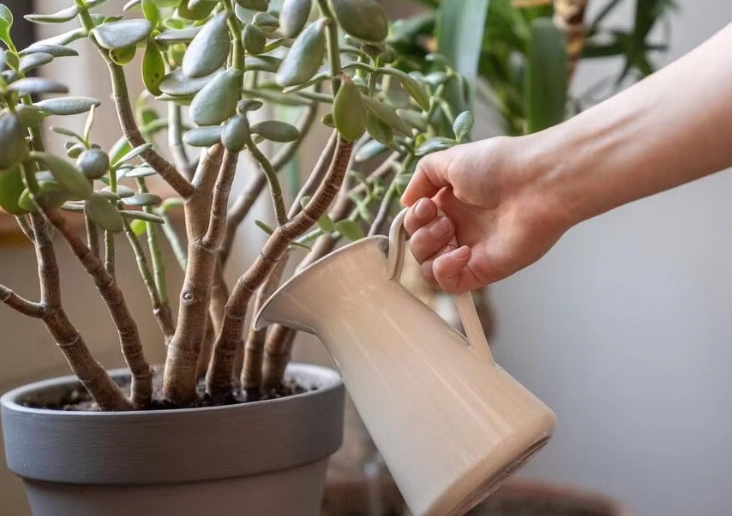
- Soak It Thoroughly. Take the plant to the sink and water slowly until it runs freely out of the drainage holes. Let it drain completely before putting it back in its decorative pot.
Frequency depends entirely on your environment. In a warm, bright room during summer, it might be every 7-10 days. In a cool, low-light spot in winter, it could be every 3-4 weeks. The plant will tell you—slightly soft, pliable leaves (not wrinkled) often mean it's ready for a drink.
A common mistake is giving it "little sips" too often. This only wets the topsoil and encourages weak roots. Deep, infrequent soakings promote a strong, healthy root system that explores the entire pot.
The Best Soil and Pot for Hoya Multiflora
This plant hates wet feet. Standard potting soil holds too much moisture and will compact over time, suffocating the roots. You need a mix that is airy and chunky.
You can buy a pre-made succulent & cactus mix, but I prefer to make my own. It's cheaper and I can control the drainage. Here's a simple, effective recipe:
- 40% Regular Potting Soil: The base.
- 30% Perlite or Pumice: For aeration and drainage.
- 30% Orchid Bark (small chunks): Creates air pockets and mimics its epiphytic tendencies.
Mix it all together in a bucket. When you water, it should drain through in seconds, not pool on the surface.
| Potting Medium | Purpose in the Mix | What to Watch For |
|---|---|---|
| Potting Soil | Provides basic structure and some nutrients. | Use a high-quality, peat-based mix. Avoid heavy, garden-variety soils. |
| Perlite | Creates air pockets, prevents compaction, improves drainage. | The white, lightweight balls. It's sterile and inert. |
| Orchid Bark | Mimics natural growing conditions on trees, excellent for airflow. | Use small to medium-sized chunks. Helps roots anchor. |
For the pot, drainage holes are non-negotiable. Terracotta pots are fantastic because they're porous and help wick away excess moisture, reducing the risk of overwatering. Plastic or ceramic pots are fine too, just be a little more careful with your watering frequency.
When and How to Repot
Shooting Star Hoyas don't mind being snug. Repot only when you see roots circling the bottom of the pot or growing out of the drainage holes. This might be every 2-3 years. A slightly root-bound plant is often a happier, more bloom-prone plant. When you do repot, only go up one pot size (1-2 inches larger in diameter). A pot that's too big holds too much wet soil for the roots to use.
Getting Your Hoya to Flower: The Blooming Triggers
The flowers are the main event. Clusters of 20-30 small, white, reflexed petals with a central, star-shaped corona that drips nectar. They have a light, sweet, almost citrusy scent.
To get blooms, you need to hit a few key conditions:
- Maturity & Light: The plant needs to be mature enough (usually a couple of years old) and receive enough bright, indirect light as described above. This is the primary trigger.
- A Slight Winter Rest: In winter, if possible, give it slightly cooler temperatures (down to 60°F/15°C is fine) and reduce watering a bit more. This seasonal change can signal the plant to set buds when growth resumes in spring.
- Don't Cut the Peduncles: This is critical! The flowers grow from a specialized structure called a peduncle. It looks like a short, knobby stem. After the flowers fade and fall off, do not cut this off. The same peduncle will produce new flower clusters year after year. Cutting it sets you back years.
- Fertilizer: During the active growing season (spring and summer), feed with a balanced, water-soluble fertilizer diluted to half strength every 4-6 weeks. A fertilizer with a slightly higher phosphorus content (the middle number, like 5-10-5) can encourage blooming, but don't overdo it.
Shooting Star Hoya Propagation: Two Reliable Methods
Want more of these plants? Propagation is straightforward. Spring and early summer are the best times.
Method 1: Stem Cuttings in Water (The Easy Way)
- Cut a healthy stem with at least 2-3 nodes (the little bumps where leaves grow).
- Remove the leaves from the bottom node or two.
- Place the cutting in a jar of water, ensuring at least one node is submerged.
- Place in bright, indirect light. Change the water weekly.
- In 2-6 weeks, you should see white roots forming. Wait until they're a couple of inches long before potting in your chunky soil mix.
Method 2: Stem Cuttings in Sphagnum Moss (The Faster Rooting Way)
- Take your cutting as above.
- Soak sphagnum moss in water, then squeeze out the excess so it's damp, not dripping.
- Wrap the moss around the bare nodes of the cutting.
- Place the whole thing in a clear plastic bag or container to create humidity.
- Keep it warm and bright (no direct sun). Roots often appear faster than in water, sometimes in just a couple of weeks.
Troubleshooting: Yellow Leaves, No Growth, Pests
Let's diagnose common problems.
Yellowing Leaves: Almost always overwatering. Check the soil. Is it soggy? Let it dry out completely. If multiple leaves are yellow and mushy, you may have root rot and need to take cuttings to save the plant.
Brown, Crispy Leaf Tips or Edges: Usually low humidity or, less commonly, fertilizer burn. It can tolerate average home humidity, but it appreciates more. A pebble tray or occasional misting can help. Flush the soil with plain water every few months to prevent salt buildup from fertilizer.
No New Growth: Likely insufficient light, or it's dormant in winter. Check your light situation first.
Pests: Keep an eye out for mealybugs (white, cottony masses) and aphids (small green/black bugs on new growth). Isolate the plant immediately. Wipe them off with a cotton swab dipped in rubbing alcohol, or spray with insecticidal soap or neem oil solution, getting under the leaves. Repeat weekly until they're gone.
Your Shooting Star Hoya Questions Answered
So, is the Shooting Star Hoya a difficult plant? Not really. It's a plant of clear preferences. Give it bright light, let it dry out, plant it in chunky soil, and leave its flower spurs alone. Do those things, and you'll be rewarded with one of the most architecturally fascinating blooms in the houseplant world. It's not the fastest or the flashiest grower, but that just makes the moment when those first waxy stars appear all the more satisfying.
For more detailed botanical information, resources like the Missouri Botanical Garden's Plant Finder are excellent for confirming identification and basic traits.
Comments