Quick Navigation
- First Things First: Open or Closed? Picking Your World
- A Treasure Chest of Terrarium Ideas (From Simple to Show-Stopping)
- Beyond Plants: Hardscape & Theming (The Secret Sauce)
- Your Step-by-Step Build Guide (No Steps Skipped)
- Troubleshooting: Solving Your Terrarium Problems
- Answers to the Questions You're Actually Asking
Let's be honest. You've probably seen those perfect, lush terrariums on Instagram or Pinterest and thought, "I could never make that." The glass looks flawless, the plants are impossibly green, and there's not a single brown leaf in sight. It feels more like a museum piece than something you could have on your desk.
I felt exactly the same way. My first attempt was a sad, soggy mess in an old pickle jar. The moss turned grey, and the little fern I was so proud of just... melted. It was discouraging.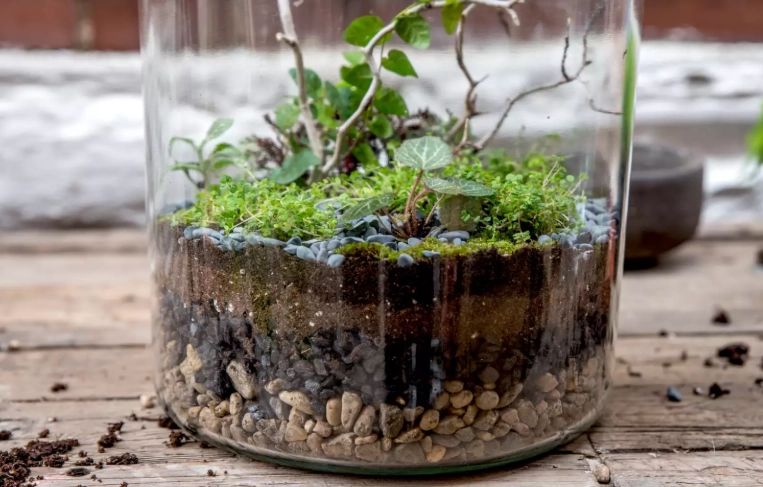
But here's the secret nobody talks about: making a great terrarium isn't about having a green thumb. It's about understanding a few simple rules and then having a bunch of fun, creative terrarium ideas to play with. It's more like building a tiny, living diorama than traditional gardening. Once you get the basics down, the possibilities are endless. Whether you're dreaming of a misty rainforest under glass or a stark, beautiful desert landscape, there's a terrarium idea waiting for you.
This guide is everything I wish I had when I started. We're going to move past the basic "jar with a succulent" and dig into the truly inspiring stuff.
First Things First: Open or Closed? Picking Your World
All the best terrarium ideas start with this one decision. Get it wrong, and your plants will struggle. Get it right, and you create a miniature ecosystem that almost takes care of itself.
Think of it as choosing the climate for your tiny world.
Why does this matter so much? A closed terrarium recycles its own water, creating a humid, tropical environment. An open terrarium lets moisture escape, mimicking a dry, airy habitat. Putting a cactus in a closed jar is a one-way ticket to rot city. Putting a humidity-loving fern in an open dish is like leaving it in a desert.
Here’s a quick breakdown to make the choice crystal clear: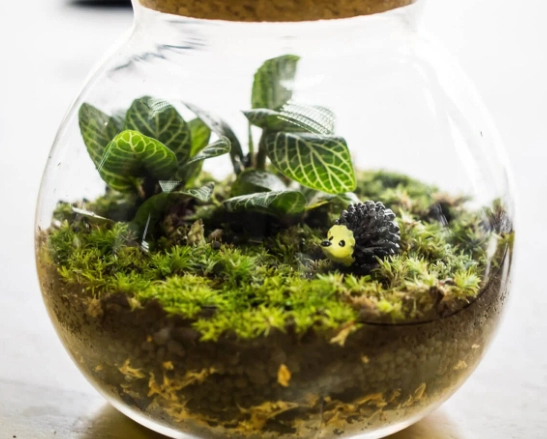
| Aspect | Closed Terrarium | Open Terrarium |
|---|---|---|
| Best For | High-humidity plants (ferns, mosses, Fittonia, Miniature Orchids). Creates a rainforest vibe. | Dry-loving plants (succulents, cacti, air plants, some herbs). Creates a desert or arid landscape. |
| Maintenance | Very low. Watering is rare (sometimes only a few times a year). Mostly involves occasional pruning and cleaning the glass. | Low to moderate. Requires more frequent watering (when soil is completely dry) and good air circulation. |
| The "Look" | Lush, green, dense, mysterious. Often has condensation on the glass. | Architectural, sparse, modern. Highlights shapes and textures. |
| Biggest Risk | Too much moisture, leading to mold or rot. Needs indirect light to avoid overheating. | Overwatering (the #1 killer). Needs bright, direct or indirect light. |
| My Personal Take | I love these for their "set it and forget it" magic, but they can be tricky to balance at first. Patience is key. | Easier for beginners to understand (water, let dry, repeat), but you have to resist the urge to over-love them with water. |
See? It's not so complicated. Now, with that foundation, let's get to the fun part—the actual terrarium ideas.
A Treasure Chest of Terrarium Ideas (From Simple to Show-Stopping)
This is where your creativity gets to run wild. Don't feel limited by this list; use it as a springboard. The best terrarium ideas often come from mixing and matching elements.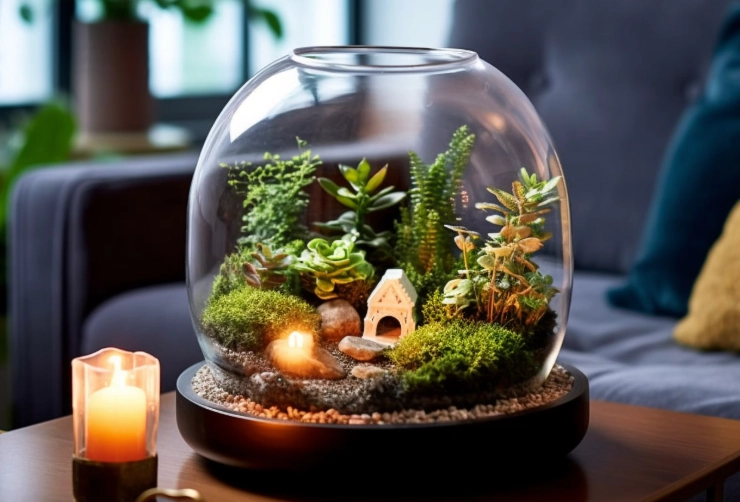
Terrarium Ideas for Closed Systems (The Humid Havens)
Creating a closed terrarium is like bottling a piece of the forest floor. The goal is layers of green, texture, and a feeling of depth.
The Classic Moss & Fern Bowl: This is where I tell most beginners to start. It's forgiving and stunningly beautiful. Find a clear, wide glass bowl (a fishbowl works perfectly). Layer your drainage rocks, charcoal, and soil. Then, the magic: use sheets of mood moss (you can often find this at nurseries or online) to create a rolling green carpet. Add two or three small ferns, like a Button Fern or a Miniature Bird's Nest Fern, towards the back for height. Tuck a small, smooth stone or a piece of driftwood in for a natural focal point. Mist it once, seal it with a lid or cling film, and place it in bright, indirect light. Watch the condensation cycle begin—it's mesmerizing.
The "Fittonia Forest Floor": Fittonia, or nerve plants, are the superstars of closed terrariums. Their vibrant pink or white veins pop against the green. The trick here is scale. Use a tall apothecary jar or a geometric terrarium. Plant a few different Fittonia varieties close together—their leaves will intertwine to create a dense, colorful carpet. Because they stay low, add a vertical element. A small piece of grapewood or manzanita branch reaching upwards gives the eye somewhere to go. You can even attach a tiny staghorn fern or some creeping fig to the wood for a true epiphyte effect.
For plant selection in closed environments, resources like the Missouri Botanical Garden's plant finder can be invaluable for checking light and humidity needs before you buy.
The Miniature Orchid Showcase: This is an advanced but incredibly rewarding idea. Certain miniature orchids, like some Masdevallia or Pleurothallis species, thrive in the constant humidity of a closed terrarium. You need a tall vessel with good air volume. Instead of planting them in soil, mount them on cork bark or tree fern slabs attached to the back wall or a central branch. Use sphagnum moss around the roots. This creates a stunning, vertical garden. Add a few specks of Selaginella (a tiny, fern-like plant) around the base to soften the look. This setup needs very specific, weak fertilizer and careful light management, but the payoff—tiny, intricate blooms—is worth it.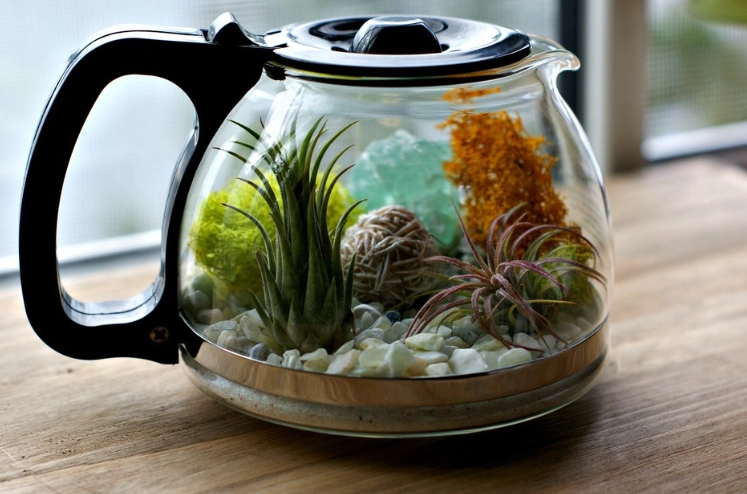
What if you're more drawn to the clean lines of the desert than the lushness of the jungle? Let's look at open terrarium ideas.
Terrarium Ideas for Open Systems (The Dry Landscapes)
Open terrariums are all about form, negative space, and sculptural beauty. Think less "green carpet," more "living sculpture."
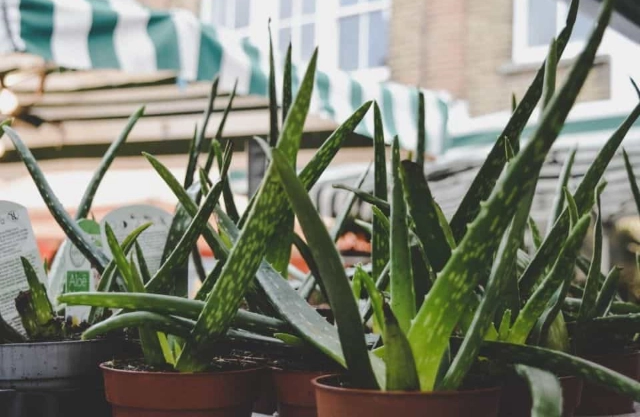
The Modern Succulent Arrangement: Go beyond the cluttered succulent bowl. Choose a low, rectangular planter or a simple geometric terrarium vessel. Use a very gritty, fast-draining cactus/succulent mix. Select plants with contrasting forms: a tall, architectural Echeveria or Aloe as your "thriller," some trailing Sedum morganianum (Burro's Tail) or String of Pearls as your "spiller," and a cluster of small, rosette-forming Sempervivum (Hens and Chicks) as your "filler." Arrange them with plenty of space between. The final, crucial touch? A top dressing of fine, white gravel or black sand. This gives a clean, finished look and helps keep the base of the plants dry.
The Cacti & Stone Desertscape: This is minimalism at its best. Use a shallow, wide dish—a bonsai pot is perfect. Create hills and valleys with your gritty soil mix. Choose 2-3 small, slow-growing cacti with different shapes (a round Barrel cactus, a columnar San Pedro, a clustering Mammillaria). Plant them sparingly. Now, add carefully selected stones and pebbles of varying sizes to mimic a natural desert. You can even use fine sand to create "dunes" around the rocks. The beauty here is in the stark composition and the textures. Water it maybe once a month, if that.
A word of caution on cacti: That cute little cactus from the big-box store might be a fast-growing species that will outgrow your terrarium in a year. Do a quick search on its full-grown size. Trust me, repotting a spiky, overgrown cactus is no fun.
The Air Plant (Tillandsia) Hanging Garden: Air plants are the ultimate low-commitment terrarium idea because they don't need soil at all. Take a hanging glass orb or an open-fronted wall terrarium. Fill the bottom with decorative elements: large chunks of rainbow quartz, sea glass, or bleached driftwood. Then, simply nestle your Tillandsias into the arrangement. Ionantha, Xerographica, and Caput-Medusae are great, hardy choices. Mist them heavily 2-3 times a week, or give them a 30-minute soak once a week. Let them dry completely upside down to prevent rot. The look is ethereal and almost otherworldly.
Okay, you've got the vessel and the core idea. But a great terrarium is more than just plants in dirt. It's the details.
Beyond Plants: Hardscape & Theming (The Secret Sauce)
This is what transforms a planted jar into a captivating scene. Hardscape refers to the non-living elements: rocks, wood, sand, figurines.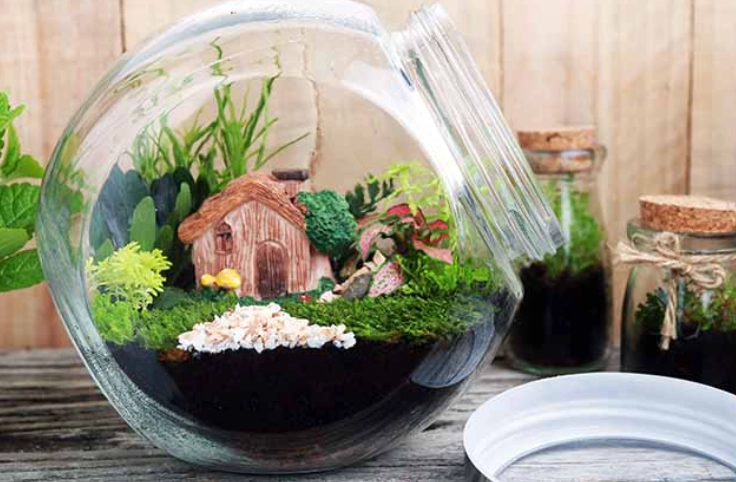
Rocks & Stones: Don't just use whatever's in your yard. Visit a landscape supply store or aquarium shop. Tufa rock is lightweight and porous, great for mounting plants. Seiryu stone has beautiful blue-grey veins and angular shapes, perfect for creating miniature mountains. Smooth river stones add a calming element.
Driftwood & Branches: A single, gnarled piece of spiderwood or manzanita can become the centerpiece of your entire terrarium. It adds instant age and structure. Boil any wood you find outside for 20 minutes to sterilize it and help it sink.
The Power of Theming: This is where your personality shines. Want a fairy garden terrarium? Add a tiny door, a pebble path, and a miniature bench. Going for a moon base? Use grey substrate, strange-shaped succulents that look alien, and a tiny astronaut figurine. A Japanese Zen garden might feature raked sand, a single, perfectly placed stone, and a small bonsai-juniper. The theme gives your project direction and makes the final result uniquely yours.
Your Step-by-Step Build Guide (No Steps Skipped)
Let's put it all together. Here’s my no-fail process for building a terrarium that lasts.
- Gather & Sterilize: Get your clean container, plants, substrate layers (rocks, horticultural charcoal, soil mix), hardscape, and tools (chopsticks, a small spoon, a spray bottle). Wash everything. I can't stress this enough—starting clean prevents algae and mold.
- Build the Foundation: Add a 1-2 inch layer of small pebbles or LECA for drainage. Sprinkle a thin layer of activated horticultural charcoal over this. This filters the water and keeps things fresh. It's not strictly necessary for open terrariums, but I always use it.
- Add the Soil: Pour in your potting mix. For closed terrariums, use a light, peat-based mix. For open/succulent terrariums, use a gritty cactus mix. Slope the soil to create hills and valleys for visual interest. Don't fill the container more than 1/3 to 1/2 with soil.
- Hardscape First: Place your major rocks and wood. Play with the arrangement on a table before putting it in the soil. Bury the bases slightly to make them look natural.
- Planting: Make small holes with your fingers or a spoon. Gently tease apart the roots of your plants. Place them in, starting with the largest/background plant first. Firm the soil around them. Use chopsticks to position tiny plants or moss.
- Finishing Touches: Add any top dressing (moss, sand, fine gravel). Use a soft brush to clean soil off plant leaves and the glass interior. For closed terrariums, give the entire thing a light mist until the soil surface is moist (not soaked). For open terrariums, wait a few days before the first light watering to let any disturbed roots heal.
- Find Its Home: Place your terrarium in the appropriate light. Never put a closed terrarium in direct sun—it will turn into a miniature oven. An open succulent terrarium needs the brightest spot you have.
And then you wait. The first few weeks are an adjustment period. Don't panic if a leaf or two dies off.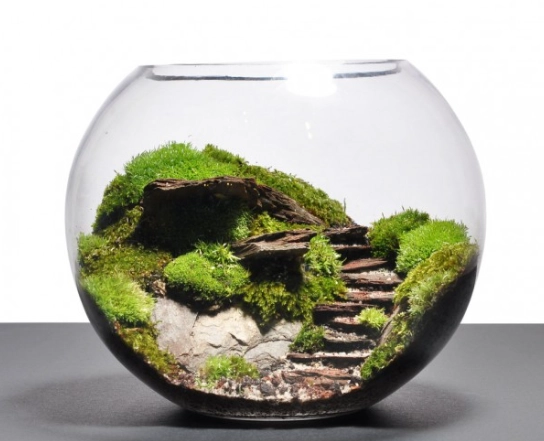
Troubleshooting: Solving Your Terrarium Problems
Things will go wrong. It's part of the hobby. Here’s how to fix the most common issues.
Condensation 24/7 in a Closed Terrarium: This means it's too wet. Wipe the glass dry and leave the lid off for a few hours each day until the constant condensation stops. You might have added too much water initially.
White Mold on Soil or Wood: Common in new closed terrariums. It's usually harmless saprophytic mold eating organic matter. Increase air circulation by opening the lid more often. You can carefully remove the visible patches with a spoon. Springtails (tiny, harmless insects) are a natural solution and can be introduced to clean up mold and decay—many terrarium enthusiasts swear by them.
Plants Turning Yellow & Mushy: The classic sign of overwatering, especially in open terrariums. Stop watering immediately. You may need to remove the affected plant, check for root rot, and repot it in dry soil. For closed terrariums, this means there's too much moisture—leave it open.
Plants Stretching & Getting Leggy: They're not getting enough light. Move the terrarium to a brighter location (still indirect for closed ones).
Algae Growth (Green film on glass): Too much light and/or nutrients. Move the terrarium to a slightly shadier spot. Avoid using strong fertilizers. Scrape the algae off the glass with a razor blade (carefully) or a magnetic algae cleaner.
Answers to the Questions You're Actually Asking
Let's tackle some specific queries that pop up when people are searching for terrarium ideas.
The journey of finding and executing your perfect terrarium ideas is a big part of the fun. It’s a creative outlet that also brings a little piece of nature indoors. It doesn't have to be perfect. My favorite terrarium has a slightly crooked piece of wood and a fern that's a bit too enthusiastic. It has character.
Start with one idea that really calls to you. Gather your materials slowly. Enjoy the process of building your own tiny, living world. Before you know it, you'll be looking at every glass container wondering, "What could live in there?"
That's the real magic of it.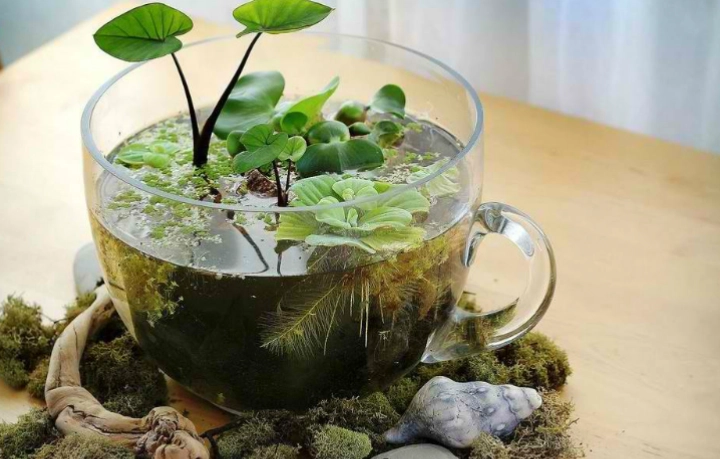

Comments