What You'll Find in This Guide
I remember buying my first String of Pearls plant a few years back. It looked gorgeous in the store, all cascading and green. Within a month, half the pearls had shriveled up. I was overwatering it, and I didn't even realize. That's the thing with trailing succulent plants—they're stunning but tricky if you treat them like your average houseplant. Over the years, I've killed a few, learned from mistakes, and now my home is filled with thriving trailing succulents. In this guide, I'll share everything I wish I knew earlier, from picking the right varieties to avoiding the subtle errors that most beginners make.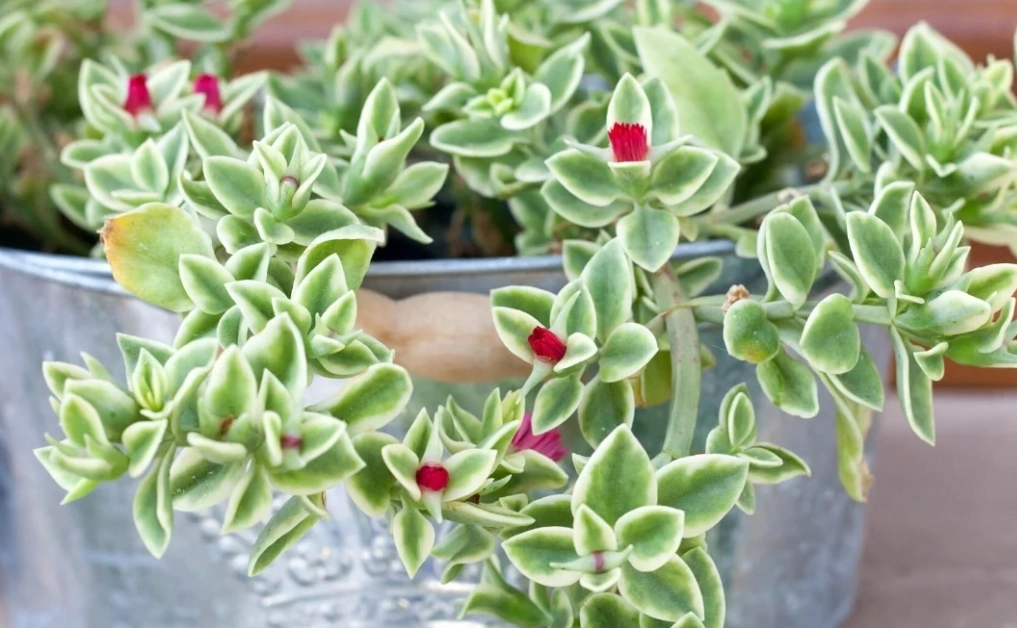
Trailing succulents, often called hanging succulents, are plants that grow long, vine-like stems. They're perfect for shelves, hanging baskets, or high pots where their tendrils can drape down. Unlike upright succulents, these guys add a dynamic, flowing element to your decor. But they have specific needs that many guides gloss over. Let's dive in.
What Are Trailing Succulent Plants?
Trailing succulents are a subset of succulent plants characterized by their growth habit—they send out long stems that hang or cascade. Think of them as the spillers in container gardening. They store water in their leaves or stems, making them drought-tolerant, but their trailing nature means they often have finer roots that are more prone to rot. Most come from arid regions like South Africa or Mexico, but they've adapted well to indoor environments.
One common misconception is that all trailing plants are succulents. Not true. Ivy or pothos aren't succulents. Trailing succulents specifically have fleshy leaves or stems. They're part of families like Crassulaceae or Asteraceae. I've seen people confuse them with other hanging plants and end up drowning them. That's why understanding their biology helps.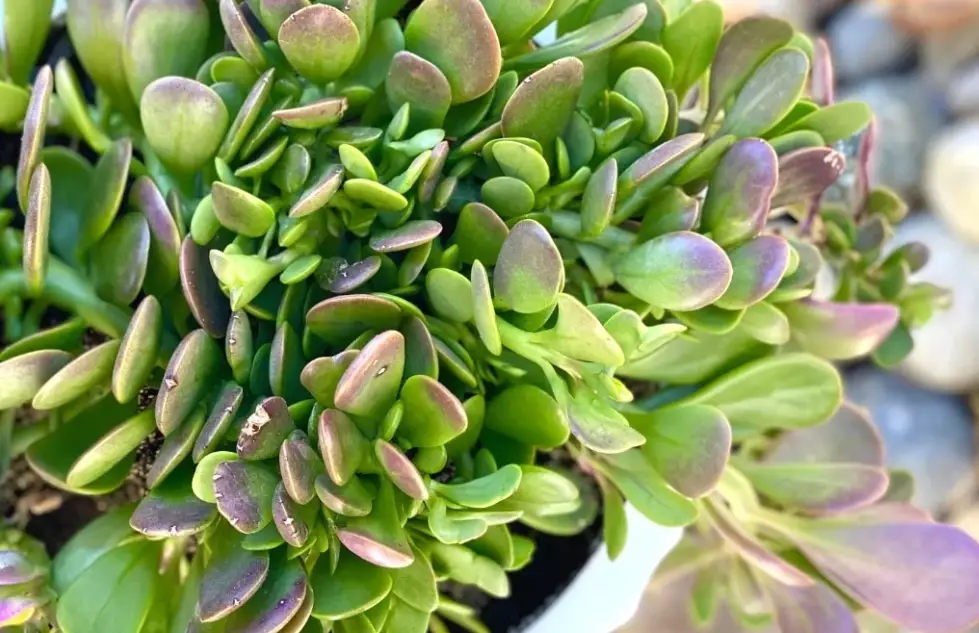
Quick Tip: Trailing succulents aren't just for aesthetics. According to the Royal Horticultural Society, they can improve indoor air quality by reducing volatile organic compounds. But don't rely on them as air purifiers—focus on getting the care right first.
Top Trailing Succulent Varieties for Your Home
Choosing the right trailing succulent matters. Some are easier than others. Here’s a breakdown of my top picks, based on years of trial and error. I've ranked them by ease of care, because let's be honest, not everyone has a green thumb.
| Variety | Common Name | Light Needs | Watering Frequency | Why I Like It |
|---|---|---|---|---|
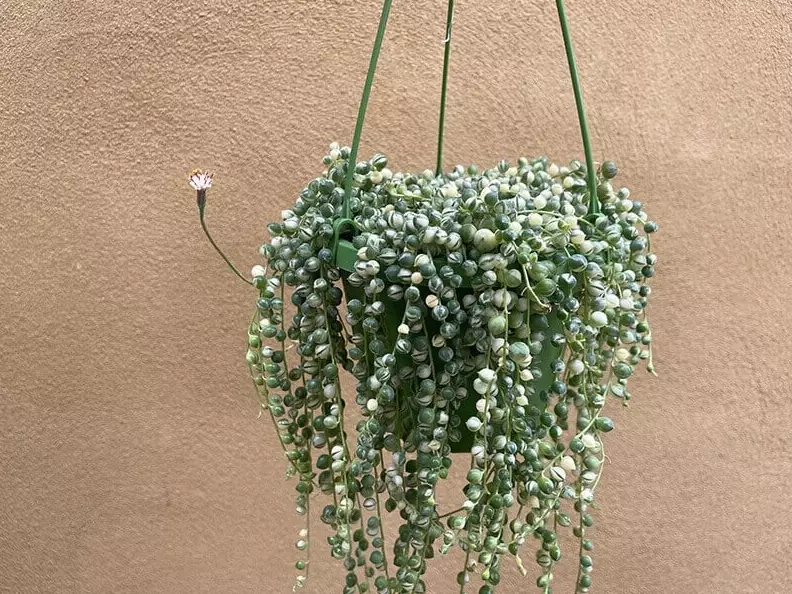
| Senecio rowleyanus | String of Pearls | Bright, indirect light | Every 2-3 weeks | Unique bead-like leaves, but finicky—overwatering kills it fast. |
| Sedum morganianum | Burro's Tail | Full sun to partial shade | Every 3-4 weeks | Hardier than it looks; stems can grow over 3 feet long. |
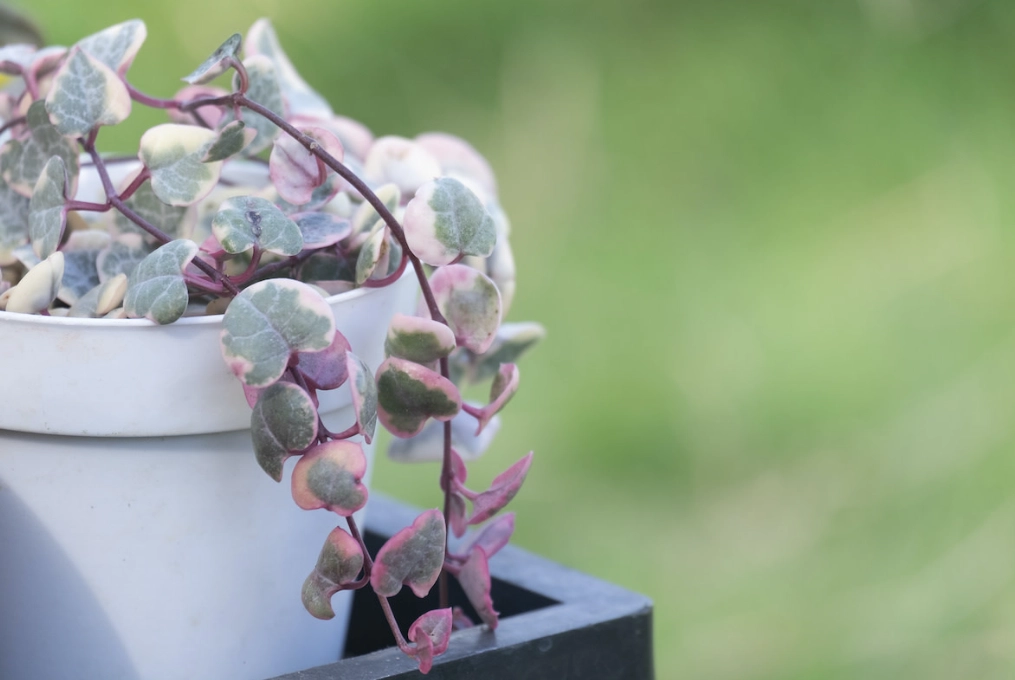
| Ceropegia woodii | String of Hearts | Bright, indirect light | Every 2 weeks | Fast grower, heart-shaped leaves, tolerates neglect better. |
| Dischidia nummularia | String of Nickels | Medium light | Every 10-14 days | Great for humid bathrooms; leaves resemble coins. |
| Crassula pellucida | Calico Kitten | Bright light | Every 2-3 weeks | Colorful variegated leaves, trails nicely but slow-growing. |
String of Pearls is the poster child, but it's also the most overrated. I've lost two to root rot because I watered on a schedule instead of checking the soil. Burro's Tail is more forgiving—its plump leaves store more water. String of Hearts is my go-to for beginners; it bounces back even if you forget it for a while.
When shopping, look for plants with firm leaves and no yellowing. Avoid those with long, leggy stems—they might be etiolated from low light. I once bought a cheap Burro's Tail online, and it arrived with broken stems. Lesson learned: inspect locally if possible.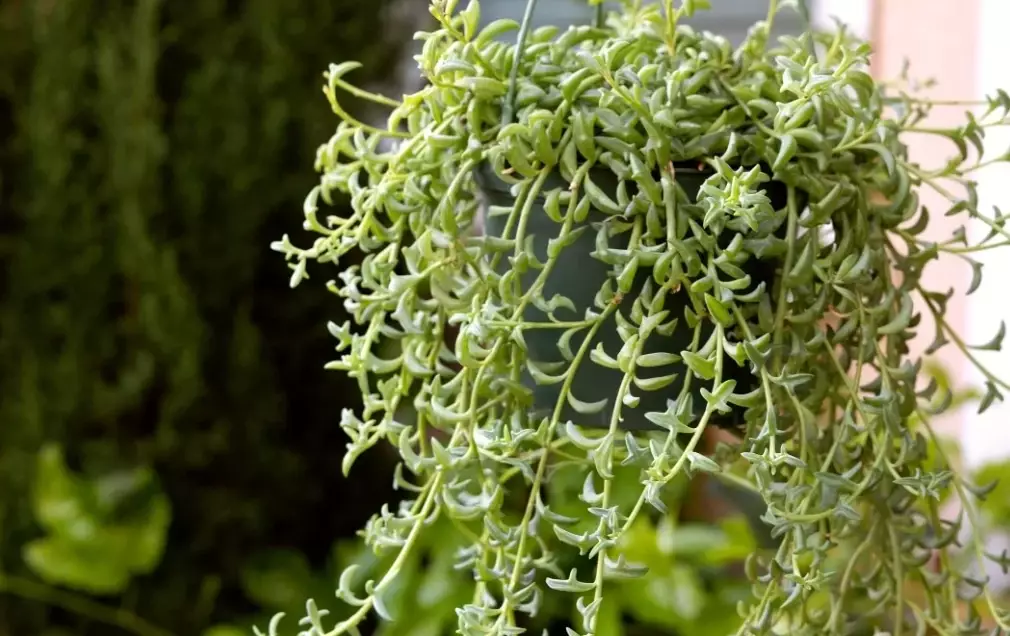
How to Care for Trailing Succulents: A Step-by-Step Guide
Trailing succulent care isn't rocket science, but it requires attention to detail. Most failures happen because people treat them like regular houseplants. Here's a breakdown based on my experience.
Light Requirements for Trailing Succulents
These plants need bright, indirect light. Direct sun can scorch their leaves, especially for varieties like String of Pearls. East or west-facing windows are ideal. South-facing windows might be too harsh unless filtered.
I made the mistake of putting a String of Hearts in a dark corner. It grew long, sparse stems with tiny leaves—a classic sign of etiolation. Moving it to a brighter spot fixed it, but it took months. If your home lacks light, consider grow lights. I use a simple LED strip for my collection during winter, and it keeps them compact and colorful.
Watering Trailing Succulents Correctly
This is where most people fail. Trailing succulents hate wet feet. Their roots are shallow and prone to rot. Water only when the soil is completely dry. Stick your finger an inch into the soil—if it's dry, water thoroughly until it drains out the bottom.
I used to water every Sunday, and that killed my first String of Pearls. Now, I check weekly but water only when needed. In winter, cut back to once a month. A pro tip: use a pot with drainage holes. I've seen gorgeous hanging planters without holes, and it's a death sentence. If you must use one, add a layer of gravel at the bottom, but even that isn't foolproof.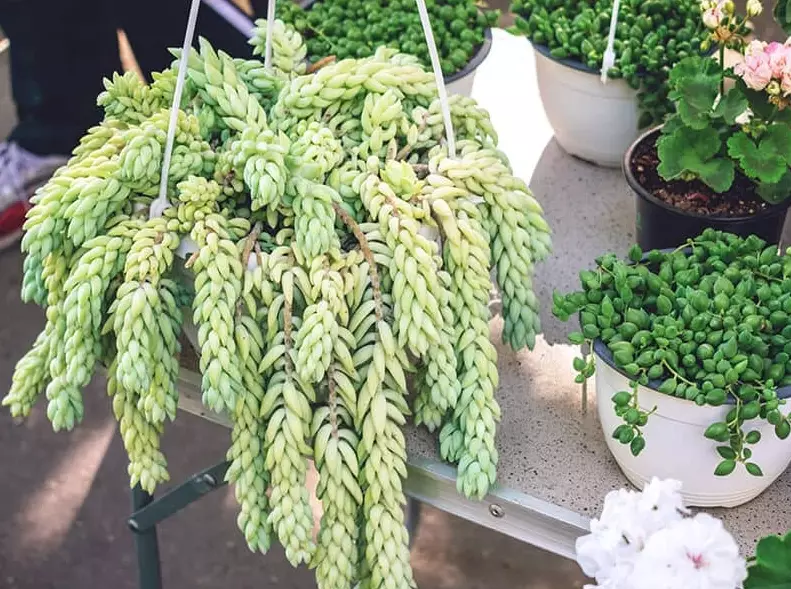
Soil and Potting for Healthy Growth
Well-draining soil is non-negotiable. Regular potting soil holds too much moisture. Mix cactus soil with perlite or pumice in a 2:1 ratio. I add a bit of coarse sand for extra drainage.
Repot every 2-3 years, or when the plant outgrows its container. Choose a pot slightly larger than the root ball. Terracotta pots are great because they wick away moisture. Plastic pots retain water, so be extra careful with watering. When repotting, handle trailing stems gently—they break easily. I lost a few pearls from my String of Pearls during repotting, but they can be propagated.
Common Problems and Solutions
Yellow leaves? Usually overwatering. Let the soil dry out and reduce frequency. Wrinkled leaves? Underwatering—soak the pot in water for 10 minutes. Pests like mealybugs can hide in the crevices. I spotted them on my Burro's Tail once. Use a cotton swab dipped in rubbing alcohol to remove them.
Leggy growth means insufficient light. Move to a brighter spot or trim the stems to encourage bushiness. Root rot is the silent killer. If the plant is mushy at the base, it might be too late. Propagate healthy stems to save it.
Styling Ideas for Trailing Succulents
Trailing succulents aren't just plants; they're decor elements. Here are some ways I've used them to spruce up my space.
Hanging Baskets: The classic choice. Use macramé hangers near windows. I have a String of Hearts in my living room—it cascades down from a shelf, adding a soft touch. Make sure the basket has a liner to catch drips.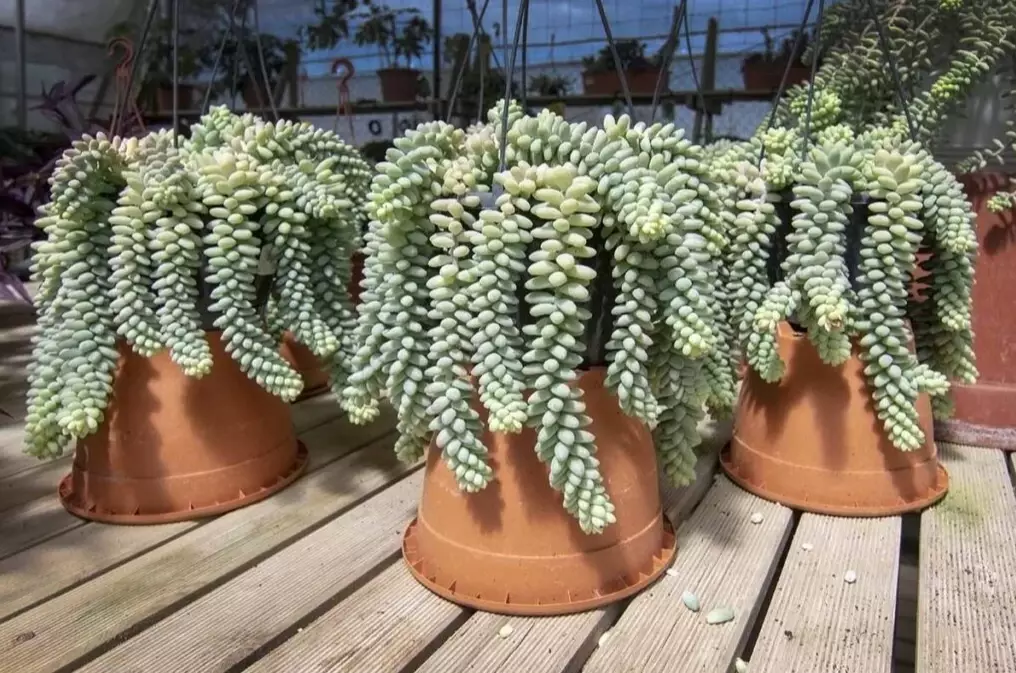
Shelves and Bookcases: Let them trail from high shelves. Pair with upright succulents for contrast. I mixed Burro's Tail with echeverias on a floating shelf, and it looks like a mini garden.
Wall Planters: Vertical gardens are trendy. Mount small pots on a wall grid. String of Nickels works well here because it stays compact. But watering can be messy—use a spray bottle for control.
Terrariums: Not ideal for most trailing succulents due to humidity, but open terrariums with good airflow can work. I tried a glass bowl with String of Pearls, and it got moldy. Stick to arid setups.
Experiment with heights. Place them on top of cabinets or in hanging pots at different levels. The key is to let the trails flow naturally without overcrowding.
FAQ: Your Trailing Succulent Questions Answered
 Can trailing succulents survive in low-light bathrooms?
 Trailing succulent plants offer a unique way to bring life into your home. They're not without challenges, but with the right care, they can thrive for years. Start with an easy variety like String of Hearts, master the watering, and soon you'll have cascading greenery that turns heads. Remember, it's okay to make mistakes—I certainly did. Each plant teaches you something new. Happy growing!

Comments