So you've got an aloe vera plant that's thriving, and now you want more of them. Maybe you want to gift some to friends, fill your home with these air-purifying succulents, or just experiment. Propagating aloe vera isn't rocket science, but there are nuances that most guides gloss over. I've been growing aloe for over a decade, and I've killed my share of pups before figuring out the tricks. Let's dive in.
What You'll Learn in This Guide
Why Propagate Aloe Vera? It's Not Just About Numbers
Most people propagate aloe to multiply their plants, but there's more to it. Over time, a mature aloe vera produces offsets, called pups, around its base. If left unattended, these pups compete for resources, stunting the parent plant's growth. Propagation keeps everyone healthy. Plus, aloe vera is a great starter plant for beginners—it's forgiving, but not immune to mistakes. I once left pups attached too long, and the whole cluster started to rot. Lesson learned.
Propagation also lets you rescue plants from poor conditions. Say your aloe is in a pot with drainage issues. By separating pups, you can give them a fresh start in better soil. It's like hitting the reset button.
Step-by-Step: Separating Aloe Vera Pups the Right Way
This is the most reliable method. Pups are baby plants that grow from the mother's base. Here's how to do it without causing damage.
When to Separate Pups
Timing is everything. Wait until pups are about one-third the size of the parent plant, typically 3-4 inches tall. They should have a few leaves of their own. If you separate them too early, they might not have enough energy to root. I made this error early on—tiny pups just withered away. Spring or early summer is best, when the plant is actively growing.
Tools You'll Need
- A clean, sharp knife or garden shears
- Small pots with drainage holes
- Fresh cactus or succulent soil mix
- Gloves (optional, but aloe sap can be messy)
Sterilize your tools with rubbing alcohol. It prevents disease transmission—a step many skip, but it's crucial.
The Separation Process
First, gently remove the entire plant from its pot. Shake off excess soil to expose the roots and pups. You'll see pups connected to the mother by a stem or root. Use your knife to cut through this connection, ensuring each pup has some roots attached. If a pup comes off rootless, don't panic. Let it dry for a day before planting; it might still root.
Here's a pro tip: if the connection is tough, wiggle the pup back and forth instead of forcing a cut. It reduces shock.
After separation, let the pups sit in a shaded, dry spot for 24-48 hours. This allows the cut ends to callus, preventing rot when planted. I've rushed this before, and lost a few to fungal infections.
The Truth About Leaf Cuttings: Why It Often Fails
Many online tutorials tout leaf cuttings as an easy method. In reality, it's hit-or-miss. Aloe vera leaves are fleshy and full of gel, making them prone to rot before they root. I've tried it multiple times—success rate? Maybe 20%.
If you want to attempt it, pick a healthy, thick leaf from the outer part of the plant. Cut it cleanly at the base. Let it dry in a cool, shaded place for at least a week until the cut end forms a hard callus. Then, plant it about an inch deep in a well-draining mix. Water sparingly—just enough to keep the soil slightly moist.
Why bother? Leaf propagation is useful if your plant has no pups, say after damage. But temper your expectations. It's a backup plan, not a primary method.
Post-Propagation Care: Watering, Light, and Soil Secrets
Newly propagated aloe plants need gentle care. Get this wrong, and they'll die quietly.
Soil Mix Formula
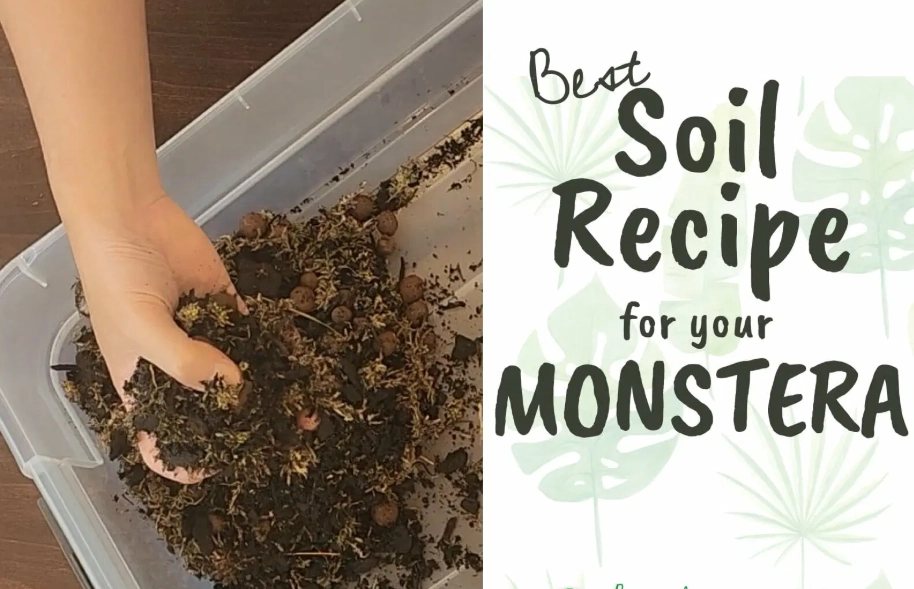
Don't use regular potting soil. It holds too much moisture. My go-to mix: 2 parts cactus soil, 1 part perlite, and 1 part coarse sand. For an extra boost, add a bit of compost—but keep it under 10% to avoid over-fertilizing. I learned this after a batch of pups developed root rot in store-bought succulent soil that was too organic.
Watering Schedule
This is where most people fail. After planting, wait a week before the first watering. Then, water lightly until the soil is barely damp. Let it dry out completely between waterings. In the first month, water every 10-14 days, depending on humidity. Stick your finger in the soil—if it's dry an inch down, it's time.
Overwatering is the killer. I once watered a new pup every few days out of anxiety. It turned mushy and died. Aloe prefers neglect over attention here.
Light Requirements
Place pups in bright, indirect light. Direct sun can scorch tender leaves. A south-facing window with a sheer curtain works well. If using grow lights, keep them on for 12-14 hours a day. After a month, you can gradually introduce more light.
I've seen pups stretch toward light if it's too dim. They get leggy and weak. Adjust early.
Common Mistakes and How to Avoid Them
Let's recap pitfalls. First, separating pups too early. Wait for size. Second, skipping the callusing period. That day or two of drying prevents rot. Third, using poor-draining soil. Invest in a good mix or make your own.
Another subtle error: potting pups too deep. Plant them so the base is just above soil level. If buried, they can rot. I learned this after losing a pup to stem rot—it looked healthy until it suddenly collapsed.
Fertilizing too soon is also common. Don't fertilize for the first 3 months. New roots are sensitive. When you do, use a diluted succulent fertilizer at half strength.

Comments