Let's cut to the chase. You bought a Birds of Paradise plant (a Strelitzia) because it looks incredible. Those architectural leaves, that potential for a crazy tropical flower – it's a statement piece. But now it's sitting in your living room, and you're worried you're going to kill it. You're searching for care tips because the generic advice feels vague. "Bright indirect light" – how bright? "Water when dry" – how dry? I've been growing these plants for over a decade, and I've seen all the common mistakes. This guide isn't about plant theory; it's about actionable steps and the subtle details most articles skip. By the end, you'll know exactly what your plant needs to not just survive, but truly thrive.
Quick Navigation: What You'll Learn
What is a Birds of Paradise Plant?
First, know your plant. Most indoor "Birds of Paradise" are one of two species, and confusing them leads to wrong expectations.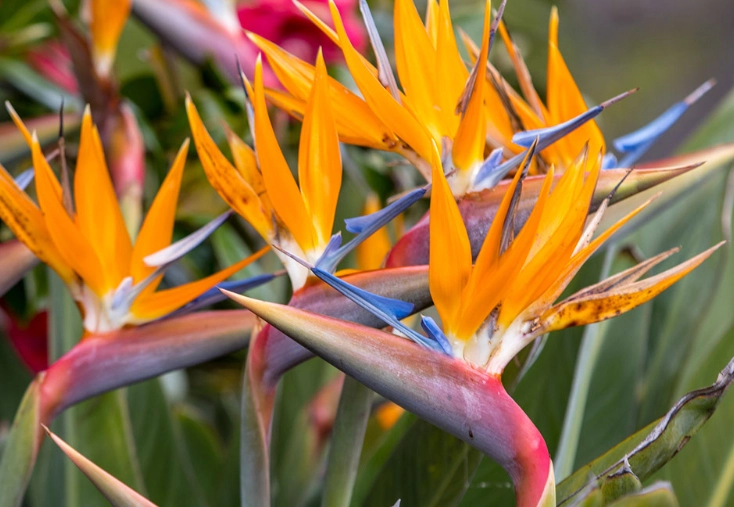
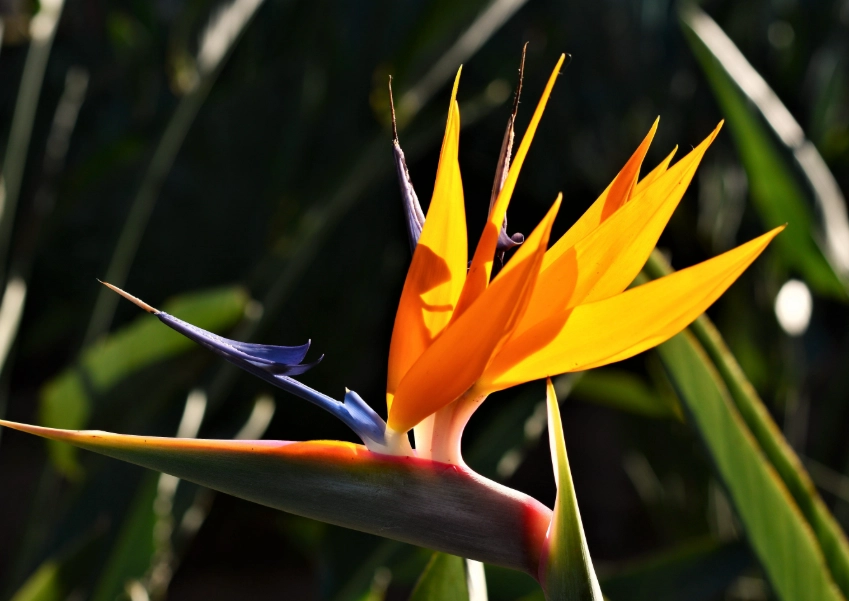
Strelitzia reginae is the classic, smaller one often associated with the iconic orange and blue bird-like flower. It has paddle-shaped leaves on long, slender stalks. It's more likely to flower indoors when mature, given enough light.
Strelitzia nicolai, the "White Bird" or "Giant Bird," is the one you usually see in interior design magazines. Its leaves are huge, banana-like, and it grows on a tall, tree-like stem. It rarely flowers indoors (the bloom is white and purple), and people buy it purely for the spectacular foliage.
The care is similar, but S. nicolai tolerates slightly lower light and grows much larger. If you're in a standard apartment with a 8-foot ceiling, a nicolai will eventually hit it. That's a 10-year problem, but it's good to know.
The Single Most Important Factor: Light
This is non-negotiable. Weak light equals a weak, struggling plant that will never look its best. "Bright indirect light" is the mantra, but what does that mean in your home?
Imagine a south or west-facing window. Now, place the plant a few feet back from that window, or use a sheer curtain to diffuse the strongest midday rays. That's the sweet spot. An east-facing window with morning sun is also excellent.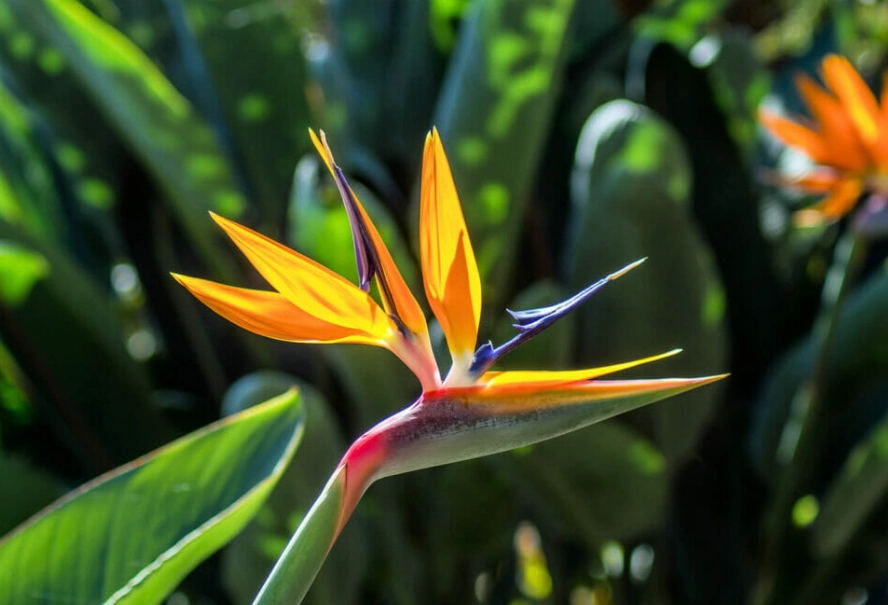
Pro Tip: A north-facing window is almost always too dark. If your only option is north, you'll need to supplement with a strong grow light. Look for full-spectrum LED panels, not the purple blurple lights. Anecdotally, my nicolai in a bright north-facing room with a supplemental light still grows slower than the one in my west-facing room.
The plant will tell you if it's happy. Good light encourages sturdy, upright growth and larger leaves. In low light, the leaves become floppy, the stems stretch and lean desperately towards the window, and new leaves are smaller and fewer. It won't die immediately, but it's in a slow decline.
How to Water a Birds of Paradise Plant Correctly
Overwatering is the fastest way to kill a Strelitzia. Root rot is a silent killer. The biggest mistake I see? Watering on a schedule ("every Tuesday") instead of checking the soil.
The Finger Test is Your Best Friend
Stick your finger about 2 inches into the soil. If it feels dry, water thoroughly. If it's still damp, wait. In summer, this might be weekly. In winter, it could be every 2-3 weeks or longer. The pot size, light, and humidity all change the drying rate.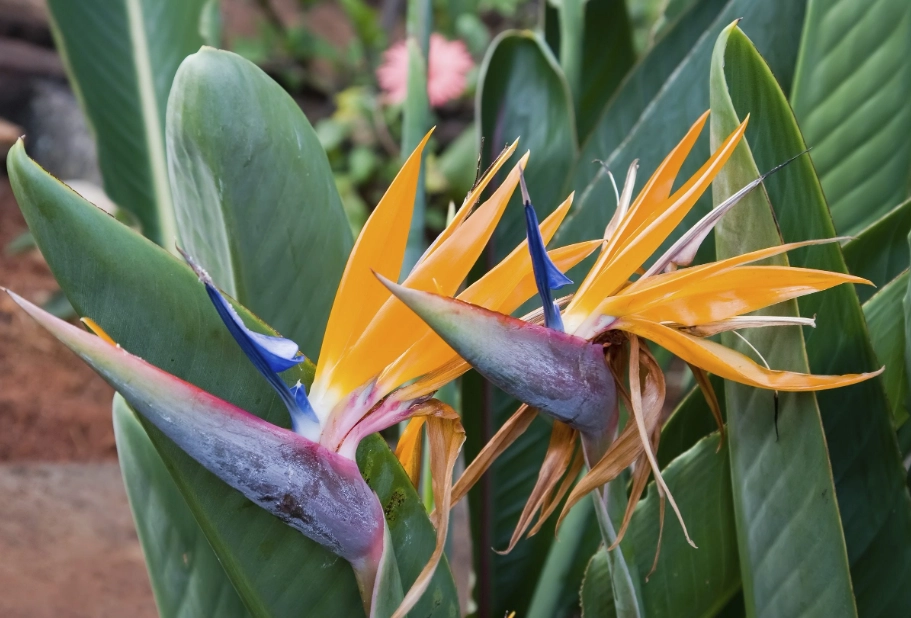
How to Water Properly
When you water, do it like you mean it. Take the plant to the sink or use a watering can without a rose. Pour water evenly over the soil until it runs freely out of the drainage holes. Let it drain completely before putting it back in its decorative pot. Never let it sit in a saucer of water. This ensures the entire root ball gets moisture and flushes out salts.
Common Pitfall: Underwatering often looks like overwatering – wilting, yellowing leaves. The key difference is in the soil and stems. Dry, crispy soil and brittle stems point to thirst. Soggy soil and soft, mushy stems at the base scream root rot.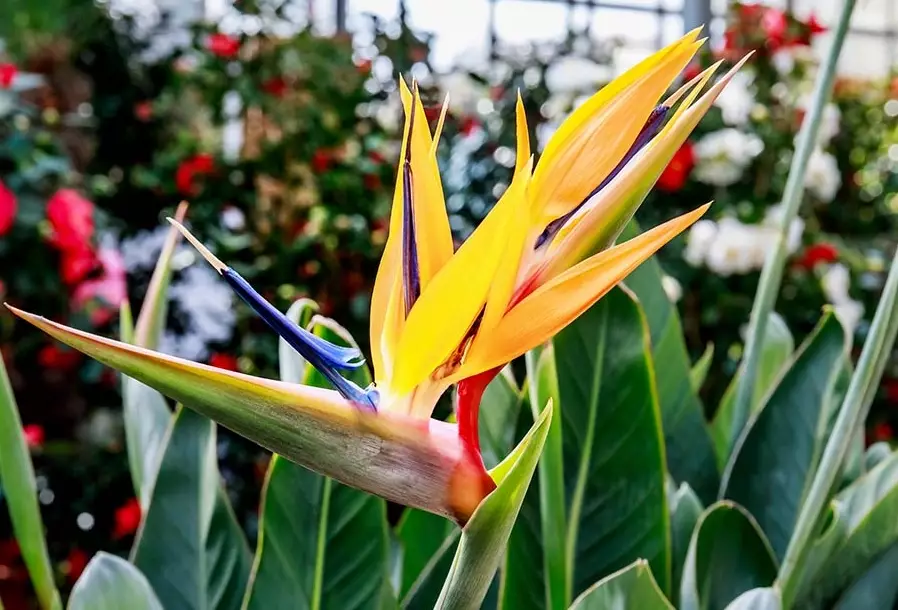
Soil, Potting, and When to Repot
These plants need a well-draining mix that still holds some moisture. A standard peat-based potting mix is okay, but I prefer to amend it.
My go-to mix: 2 parts quality potting soil, 1 part perlite or pumice, and 1 part orchid bark. The perlite and bark create air pockets, preventing compaction and improving drainage dramatically.
Repot only when necessary – every 2-3 years, or when you see roots circling the bottom of the pot or growing out of the drainage holes. Spring or early summer is the best time. Only go up one pot size (about 2 inches wider in diameter). A pot that's too large holds excess wet soil around the roots, inviting rot.
Ensure the pot has drainage holes. Always. No exceptions.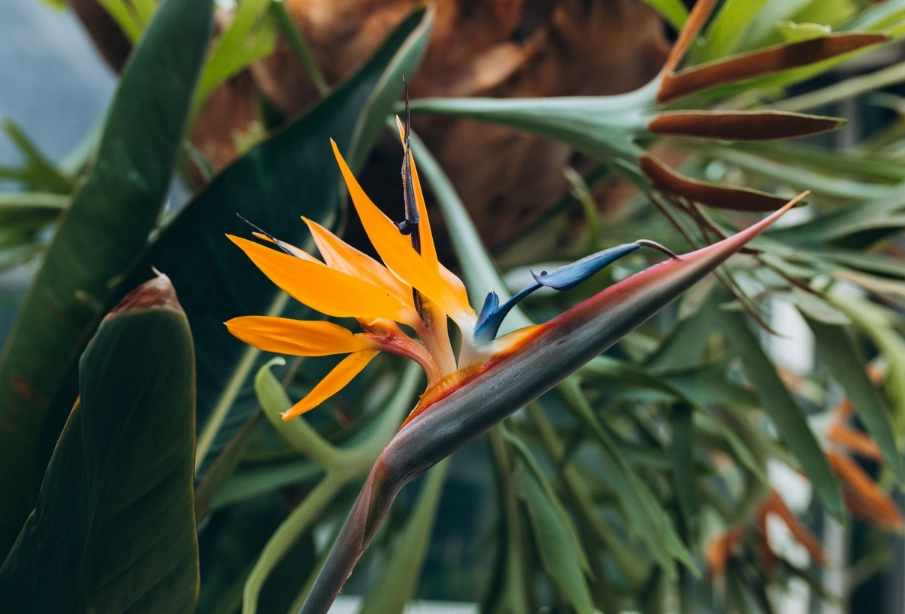
Humidity, Temperature, and Feeding
| Factor | Ideal Range | Notes & Tips |
|---|---|---|
| Humidity | 40-60%+ | They appreciate higher humidity but adapt to average homes (30-40%). Brown, crispy leaf tips are a classic sign of low humidity. Group plants, use a pebble tray, or a humidifier for best results. |
| Temperature | 65-80°F (18-27°C) | Keep away from cold drafts, air conditioners, and heating vents. They dislike temperatures below 50°F (10°C). |
| Fertilizer | Balanced, diluted | Feed monthly in spring and summer with a balanced liquid fertilizer (like a 10-10-10 or 20-20-20), diluted to half strength. Stop feeding in fall and winter. Over-fertilizing causes salt buildup and leaf burn. |
| Cleaning | Monthly | Dust those huge leaves! It helps the plant breathe and photosynthesize. Wipe gently with a damp cloth. Avoid leaf shine products. |
Diagnosing Common Birds of Paradise Problems
Here’s a quick visual guide to what’s going wrong.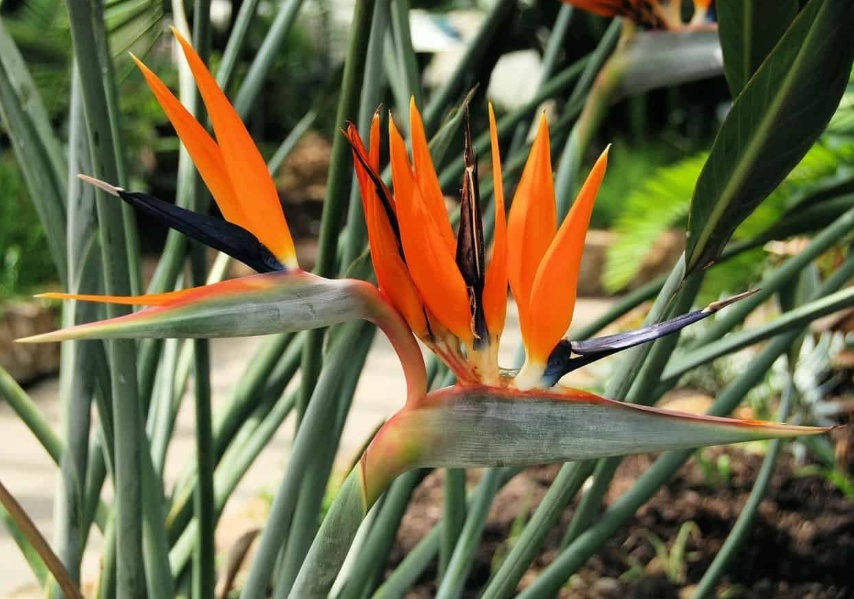
- Leaves splitting: This is normal! In the wild, the leaves split to allow wind to pass through without tearing. It's a sign of maturity, not a problem. Don't stress.
- Yellowing lower leaves: One or two old leaves yellowing and dying off is natural senescence. Many yellow leaves at once points to overwatering or, less commonly, underwatering. Check your soil.
- Brown, crispy leaf edges: Almost always low humidity. Could also be from inconsistent watering (letting it get too dry for too long) or fluoride/chlorine in tap water. Using filtered or distilled water can help.
- Leaves curling inward: Usually a sign of thirst. Give it a good drink.
- No new growth: Likely insufficient light, or it's dormant in winter. Check light levels first.
- Pests: Watch for spider mites (fine webbing, stippling on leaves) and mealybugs (white cottony masses). Wipe leaves regularly and treat early with insecticidal soap or neem oil.
Your Burning Questions Answered
Growing a Birds of Paradise is a long-term commitment. It's not the easiest plant, but it's also not the hardest. Pay attention to light and water, and you'll be rewarded with a stunning, architectural presence that grows with you for years. Forget the perfect picture – enjoy the process of watching it adapt and thrive in your space.

Comments