Let's talk about your money plant, the trusty pothos vine that's been trailing off your bookshelf for years. It's survived your forgetful watering, low light, and maybe even a curious pet. But lately, it's not looking its best. Growth has slowed to a crawl, water seems to run straight through the pot, and you're seeing more roots than soil when you peek underneath. Sound familiar? Your plant isn't being dramatic – it's screaming for a new home. Repotting a money plant isn't just a chore; it's the single most impactful thing you can do to reset its health and unlock years of vigorous, leafy growth. I've repotted hundreds of these, and I can tell you, most guides miss the subtle details that make the difference between a plant that merely survives and one that absolutely thrives.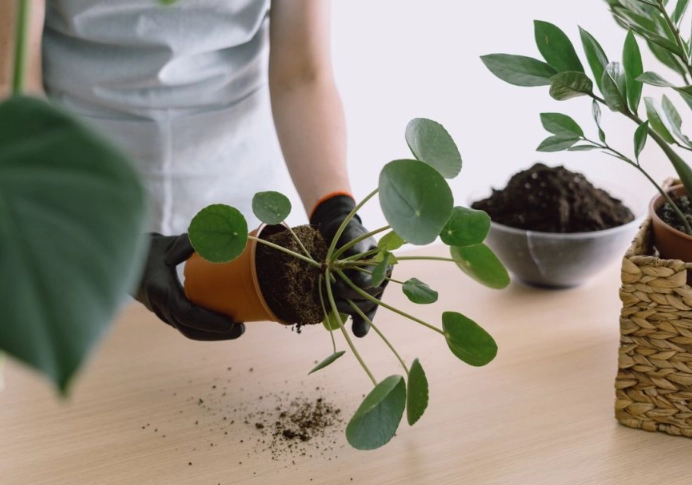
What You'll Learn in This Guide
Is It Time? 5 Clear Signs Your Money Plant Needs a New Pot
Don't repot on a schedule. Repot when your plant tells you to. Here are the undeniable signals.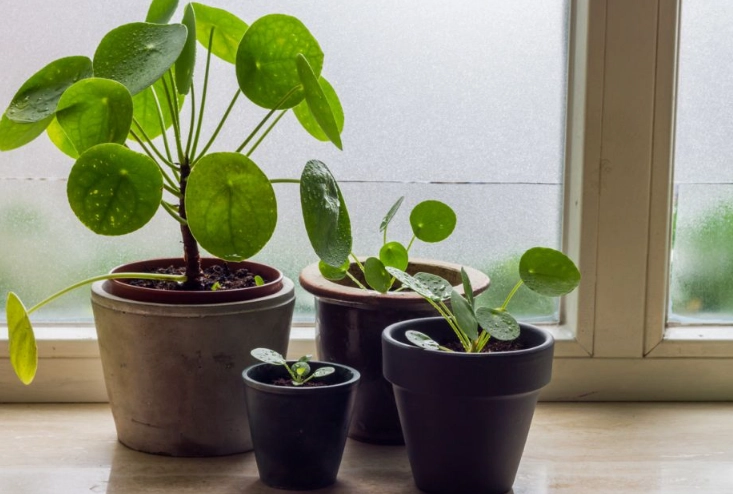
Roots are the main event. The most obvious sign is roots circling the bottom of the nursery pot or, even more telling, pushing out of the drainage holes in a desperate search for space. If you gently slide the plant out and see a dense, tangled mat of roots with very little soil visible – that's a root-bound plant. It's like wearing shoes three sizes too small.
Watering becomes a pointless ritual. You water it, and within minutes, the water is flooding out the bottom. The root mass is so dense it can't absorb moisture properly, and there's no soil left to hold it. The plant dries out incredibly fast, yet the roots might still be soggy in the center. It's a confusing, stressful state for the plant.
Growth has completely stalled. No new leaves for months? Stems that seem stuck? When a pothos runs out of room for its roots, it redirects all energy to simply maintaining existing leaves. New growth is a luxury it can't afford.
The plant is top-heavy and unstable. A large, mature pothos in a small plastic pot becomes a tipping hazard. The root ball is so solid and heavy that the lightweight pot can't counterbalance the foliage.
Salt and mineral buildup. Do you see a white, crusty layer on the soil surface or the rim of the pot? That's fertilizer salt accumulation. Over time, it can alter soil pH and "burn" roots. A full repot with fresh soil is the best reset.
Quick Tip: The best time to repot is in the spring or early summer, when the plant is entering its natural growth phase. It has the energy to recover quickly and push out new roots into the fresh soil. Avoid repotting in the dead of winter unless it's an emergency (like severe root rot).
Choosing the Right Pot and Soil: The Foundation of Success
Get this part wrong, and you're setting up your plant for future problems. This is where most generic advice falls short.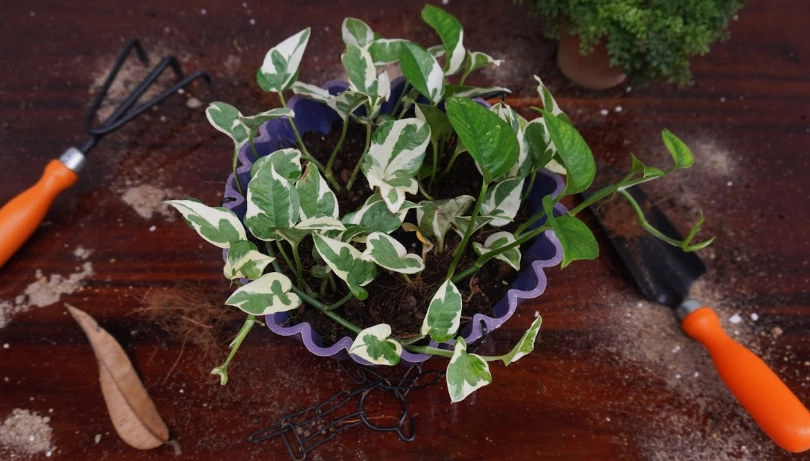
The Pot: Size and Material Matter
The golden rule: Only go up 1-2 inches in diameter. A pot that's too large is a death sentence for many houseplants. Excess soil holds too much water, leading to soggy conditions that the small root system can't use, which invites root rot. For a pothos in a 6-inch pot, move to an 8-inch pot. That's it.
Material choices:
- Terracotta/Clay: My personal favorite for pothos. It's porous, allowing air and water to pass through the walls, which helps the soil dry more evenly and prevents overwatering. The extra weight also provides stability for trailing vines. The downside? You'll need to water a bit more often.
- Ceramic (Glazed): Beautiful and retains moisture well. Ensure it has at least one solid drainage hole. Good for forgetful waterers, but be extra cautious not to overwater.
- Plastic: Lightweight and cheap. Retains moisture the longest. If you use plastic, you must be disciplined with watering. I often use plastic nursery pots placed inside decorative cache pots for the best of both worlds.
The Soil Mix: Don't Use Garden Soil
This is non-negotiable. Pothos needs a well-draining, airy potting mix. A standard, bagged "all-purpose" potting mix is a good start, but I always amend it. Here's my go-to recipe for a thriving money plant:
- 60% Quality Potting Mix: Look for one with perlite already in it.
- 20% Perlite: Adds crucial aeration and drainage. This is the single best amendment for preventing compacted, soggy soil.
- 20% Orchid Bark (or Coco Chips): Creates air pockets, mimics the plant's natural epiphytic tendencies, and provides structure that prevents soil from breaking down into mud.
Mix it in a bucket before you start. Your pothos roots will thank you for the oxygen.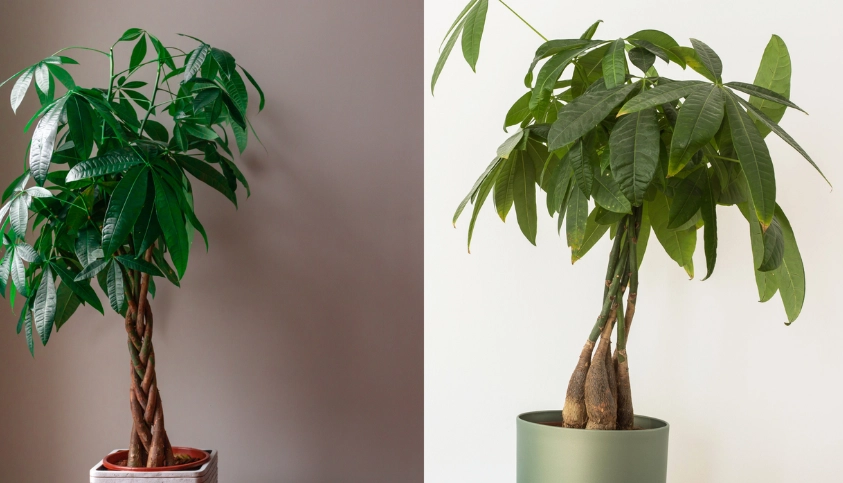
Avoid This Mistake: Never, ever place rocks or broken pottery at the bottom of the pot "for drainage." This is a horticultural myth. It actually creates a perched water table, raising the soggy zone higher into the root ball. A single, unobstructed drainage hole is all you need.
The Step-by-Step Repotting Process (Without the Shock)
Gather your supplies: new pot, fresh soil mix, clean scissors/pruners, a tarp or newspaper, and a watering can. Let's do this.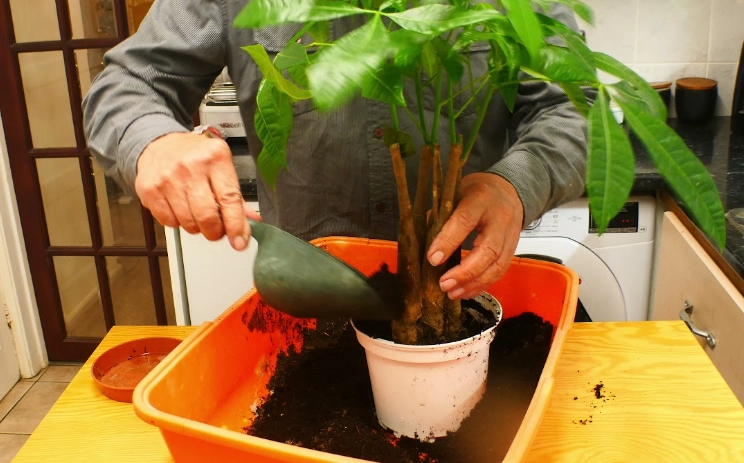
Step 1: Prepare the New Pot
Place a small piece of paper towel or a coffee filter over the drainage hole to keep soil from washing out initially. Add a 1-2 inch layer of your fresh potting mix to the bottom of the new pot. Don't pack it down.
Step 2: The Gentle Removal
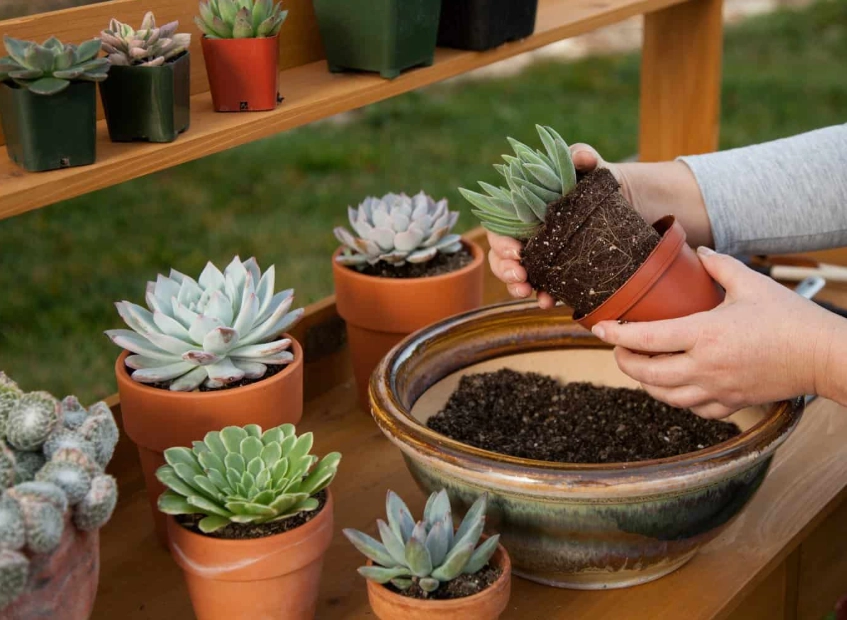
Water your pothos lightly a day before repotting. This makes the root ball more flexible and less prone to breakage. On repotting day, turn the plant sideways, grip the base of the stems, and gently wiggle the nursery pot off. If it's stubborn, squeeze the sides of the plastic pot or run a butter knife around the edge.
Step 3: Root Inspection and Pruning (The Secret Step)
Here's where experience pays off. Gently loosen the outer roots with your fingers. Don't go crazy and tear apart the entire root ball. You're just encouraging them to grow outward. Now, inspect.
Look for:
- Healthy roots: Firm and white or light tan.
- Unhealthy roots: Brown, black, mushy, or slimy. These are rotten.
Take your clean scissors and snip off any rotten roots. Don't be afraid to cut away up to a third of the root mass if it's all bad. You can also trim any excessively long, circling roots. This feels scary but stimulates new, healthy growth. If the roots are healthy but very dense, make a few vertical cuts about an inch deep into the bottom and sides of the root ball.
Step 4: Positioning and Filling
Place the root ball in the center of the new pot. The top of the old root ball should sit about an inch below the rim of the new pot. Add or remove soil beneath to adjust the height.
Hold the plant steady with one hand. With the other, scoop your fresh soil mix around the sides. Tap the pot on the table occasionally to settle the soil—don't press it down hard. Fill until the soil level is just covering the old root ball. Leave that inch of space at the top for watering.
Step 5: The First Watering
This is critical. Water thoroughly until water runs freely out of the drainage hole. This settles the soil around the roots and eliminates air pockets. You might need to water a second time after a few minutes as the soil absorbs moisture. Let it drain completely.
Critical Post-Repotting Care: The First 4 Weeks
The job isn't done. How you care for the plant now determines its recovery.
| Time After Repotting | Care Instructions | What's Happening |
|---|---|---|
| Week 1 | Place in bright, INDIRECT light. No direct sun. Do not fertilize. Water only when the top 1-2 inches of soil are dry. | Plant is in shock, focusing energy on root repair. Direct sun or fertilizer burns vulnerable roots. |
| Weeks 2-3 | You might see some leaf droop or yellowing of a few older leaves. This is normal. Remove them. Continue to water carefully. | Plant is shedding old foliage to redirect resources to new root growth. Don't panic. |
| Week 4+ | If you see new growth (a tiny leaf spike), congratulations! You can resume your normal care routine and consider a half-strength dose of balanced fertilizer. | New growth signals successful establishment. The plant is ready to thrive in its new space. |
Resist the urge to move it around or fuss over it. Consistency is key during this recovery period.
3 Common Repotting Mistakes That Can Kill Your Plant
I've seen these happen too many times.
1. The Oversized Pot: Already mentioned, but it's the #1 killer. A small plant swimming in a ocean of wet soil will drown. Stick to the 1-2 inch rule.
2. Using Contaminated Tools or Soil: Always use clean pots and tools. Reusing old soil from another plant can introduce pests, diseases, and spent nutrients. Start fresh.
3. Watering on a Schedule Immediately After: Your plant's water needs have changed. The new soil and pot material dry at different rates. Always check soil moisture with your finger before watering. The top inch should feel dry.
Your Repotting Questions Answered
Repotting feels like a big deal, but it's really just giving your plant a upgrade. You're providing the foundation for its next phase of life. Pay attention to the signs, choose your materials wisely, be gentle during the process, and patient afterwards. Your money plant will reward you with a burst of lush, vibrant growth that makes all the effort worthwhile.
Comments