In This Guide
Let's be honest. You probably got your fiddle leaf fig or that sleek rubber plant because it looked amazing in someone's Instagram post. It arrived, you put it in a corner, and for a while, it was perfect. Then the leaves started doing weird things. Dropping. Turning yellow. Getting brown spots. Suddenly, ficus plant care feels like a high-stakes puzzle you're failing.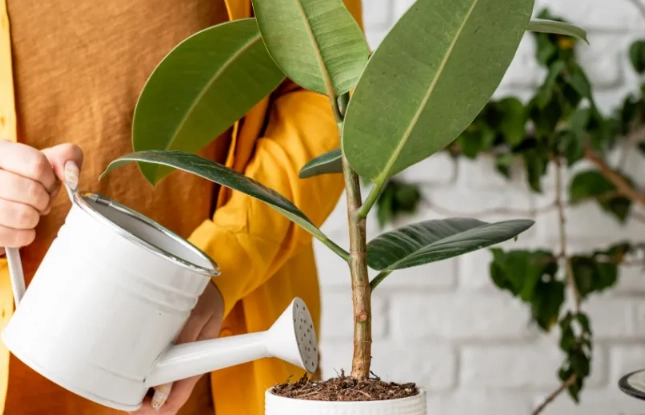
I've been there. I killed my first ficus lyrata (that's the fancy name for fiddle leaf fig) by loving it too much with water. It was a sad, soggy demise. But after years of trial, error, and learning from much smarter plant people, I've figured it out. These plants aren't fussy divas—they're just telling us what they need in their own leafy way. This guide is about learning their language.
First, Which Ficus Do You Actually Have?
"Ficus" is a huge family. Throwing generic advice at all of them is like giving the same diet to a marathon runner and a weightlifter. Knowing your specific type is step zero for good ficus care.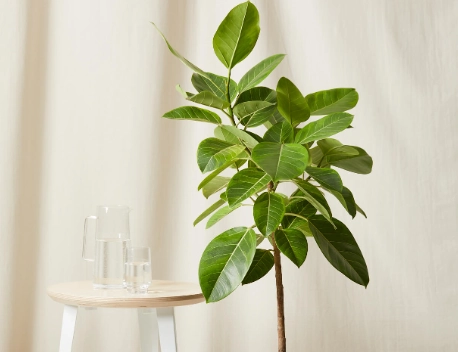
The Usual Suspects in Our Homes
Ficus lyrata (Fiddle Leaf Fig): The superstar. Huge, violin-shaped leaves. Wants bright, indirect light and hates to be moved. Dramatic about changes.
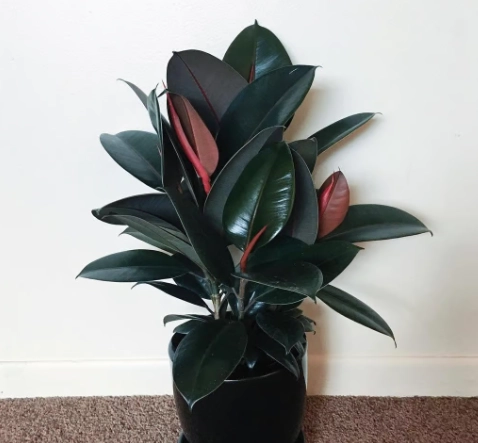
Ficus elastica (Rubber Plant): The tough guy. Has broader, darker, shinier leaves. More forgiving of lower light and occasional neglect than the fiddle leaf. Comes in cool varieties like 'Burgundy' (deep red) and 'Tineke' (variegated).
Ficus benjamina (Weeping Fig): The classic. Often seen as a small tree with lots of smaller, pointed leaves. Infamous for dropping a ton of leaves if its environment changes (a new home, a draft, a change in season).
Ficus microcarpa (Ginseng Ficus): Often sold as bonsai with thick, exposed roots. Requires consistent moisture and good light to maintain its miniature form.
See? Different personalities. Your care routine starts with a name.
The Big Three: Light, Water, and Soil
Get these right, and 90% of your ficus plant problems vanish. It's that simple (not always easy, but simple).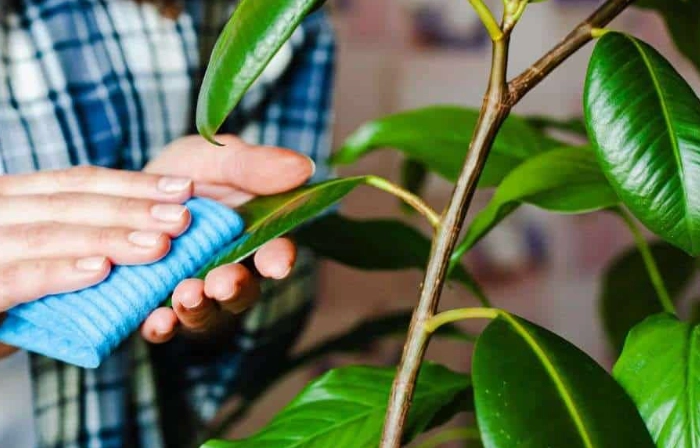
Light: It's Not Just "Bright Indirect"
We always hear "bright, indirect light." What does that actually mean? Hold your hand about a foot above the leaf. If the shadow cast is soft but clearly defined, you're golden. If it's a faint blur, it's too dim. If it's sharp and dark, it might be direct sun that could scorch the leaves (though some, like rubber plants, can handle a bit of direct morning sun).
East-facing windows are often the jackpot. South or west windows need a sheer curtain as a buffer. North windows? Usually too dark for a fiddle leaf, but a rubber plant might tolerate it (it just won't grow much).
What if your place is dark? Grow lights are a game-changer. A simple, inexpensive LED grow bulb in a desk lamp, turned on for 10-12 hours a day, can keep a ficus perfectly happy. It's not cheating; it's providing healthcare.
Watering: The Number One Killer
Overwatering. It's how most indoor plants die, and ficus are prime victims. They don't want wet feet. Their roots need to breathe.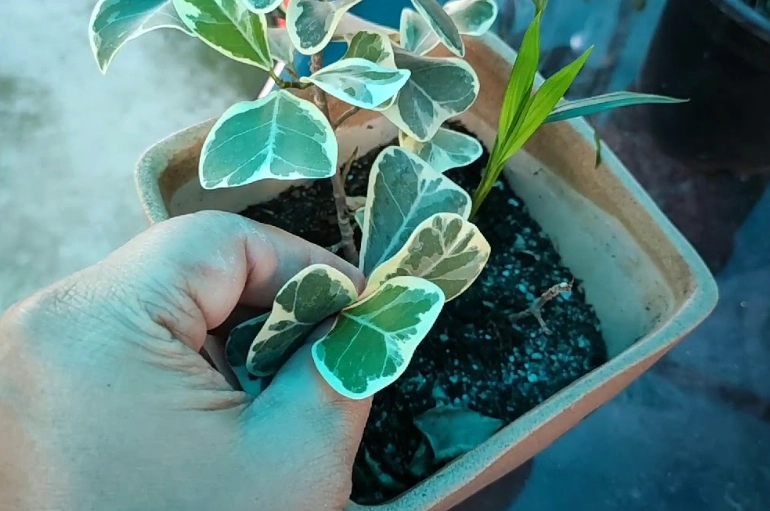
Forget the "once a week" schedule. It's useless. Your plant's thirst depends on the season, the light, the humidity, and the size of the pot. Here's the only method you need:
- Check the soil. Stick your finger into the top 2-3 inches of soil. For most larger ficuses (in pots 8" diameter or more), you want the top 2-3 inches to be completely dry before you even think about watering.
- Lift the pot. Get a sense of how heavy it is when dry versus when wet. A dry pot is surprisingly light. This is the best trick for large plants where you can't finger-test deeply.
- Water thoroughly. When you water, do it properly. Pour water evenly over the soil until you see it running freely out of the drainage holes. This ensures the entire root ball gets moisture. Let it drain completely in the sink or on a tray—never let it sit in a saucer of water.
In winter, you might go 3-4 weeks between waterings. In a hot, bright summer, it might be every 10 days. Let the plant, not the calendar, tell you. The Royal Horticultural Society, a gold-standard resource for gardeners, emphasizes this "finger test" method for most houseplants, and it's spot-on for ficus care.
Soil and Potting: Giving Roots a Good Home
Ficus need well-draining, airy soil. Standard bagged potting soil is often too dense and retains too much water. You can fix it easily.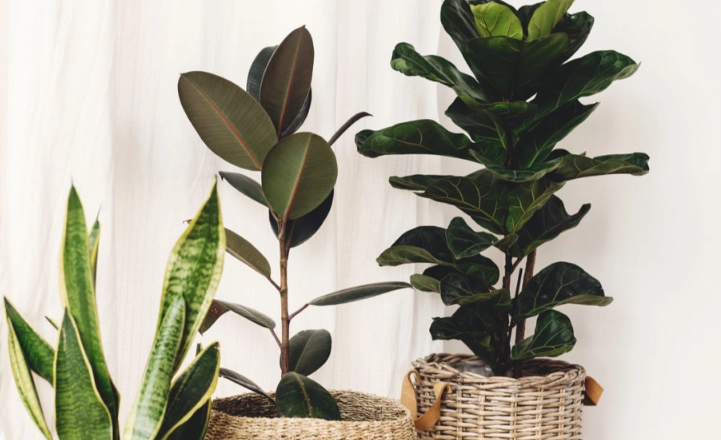
The Simple Mix: Take 2 parts of a good quality all-purpose potting mix and mix in 1 part perlite or coarse orchid bark (like pine bark chips). The perlite or bark creates air pockets, improves drainage, and prevents compaction. This is the single best upgrade you can make for your ficus plant's long-term health.
When to repot? Only when the plant is root-bound. Signs include roots growing out of the drainage holes, the plant drying out extremely quickly (in a day or two), or the plant being top-heavy and unstable. When you do repot, only go up 1-2 inches in pot diameter. A pot that's too big holds too much wet soil around the small root ball, inviting rot.
Humidity, Temperature, and Food
The supporting actors in your ficus care routine.
Humidity: More Important Than You Think
Most homes have low humidity, especially with heating or air conditioning. While ficus can adapt, they prefer 40-60% humidity. Low humidity can cause brown, crispy leaf edges and make the plant more susceptible to pests like spider mites.
You don't need a fancy humidifier (though they work great). Grouping plants together creates a microclimate. Placing the pot on a pebble tray filled with water (ensure the pot sits on the pebbles, not in the water) adds moisture as it evaporates. Occasionally misting does very little for humidity and can promote fungal issues if leaves stay wet, so I don't really recommend it.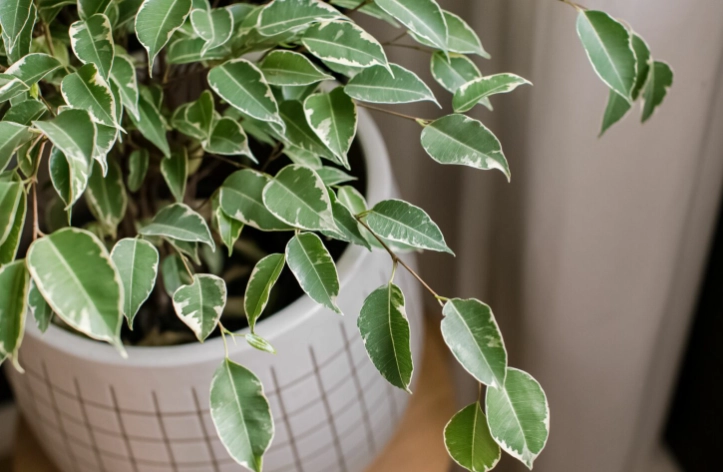
Temperature: Keep It Steady
Ficus like room temperatures between 65-85°F (18-29°C). The key is to avoid drafts and sudden temperature swings. Keep them away from heating vents, air conditioner blasts, and drafty windows in winter. That sudden cold draft is often why a Ficus benjamina drops a carpet of leaves overnight.
Fertilizing: Less is More
During the active growing season (spring and summer), feed your ficus a balanced, water-soluble fertilizer (look for an N-P-K ratio like 10-10-10 or 20-20-20). The key is to dilute it. I usually use half the strength recommended on the bottle, every 4-6 weeks. Never fertilize a stressed, dry, or newly repotted plant.
In fall and winter, stop fertilizing. The plant is resting, and feeding it can lead to salt buildup in the soil and damage the roots.
Pruning and Shaping: Be the Boss
Don't be scared to cut your plant! Pruning encourages bushier growth and lets you control the shape. If your fiddle leaf fig is a single, lanky pole, you can force it to branch.
How to encourage branching: In spring or early summer, identify where you want new branches. Find a leaf node (the little bump where a leaf attaches to the stem). About 1/4 inch above that node, make a clean cut with sharp, sterilized pruners or scissors. You can also try a technique called "notching": make a small, shallow cut in the bark just above a node. This can trick the plant into sending out a new branch from that point.
You can also remove any dead, damaged, or awkwardly placed leaves to improve airflow and appearance. Always cut back to the main stem or a branch junction.
The Problem-Solving Clinic: What's Wrong With My Ficus?
Let's diagnose the common cries for help. This table is your quick-reference doctor's chart.
| Symptom | Likely Cause | How to Fix It |
|---|---|---|
| Yellowing leaves, especially lower leaves | Overwatering or poor drainage. Can also be natural shedding of old leaves if it's occasional. | Check soil moisture. Let dry out more between waterings. Ensure pot has drainage. Consider repotting into better-draining soil mix. |
| Brown, crispy leaf edges | Low humidity or underwatering (but usually humidity). | Increase humidity via pebble tray or humidifier. Ensure you're watering thoroughly when you do water. |
| Brown spots/mushy patches in center of leaf | Overwatering leading to root rot or fungal infection. | Stop watering immediately. Check roots. If they're brown and mushy, trim rotten parts, repot in fresh, dry soil. This is serious. |
| Dropping lots of leaves suddenly | Sudden change: moved to new spot, draft, temperature swing, or drastic change in light. | Don't panic. Identify and remove the stressor if possible (e.g., move away from vent). Keep care consistent. It will usually stop dropping and put out new leaves once it acclimates. |
| Pale, stretched-out new growth | Not enough light. | Move to a brighter location gradually. Consider a grow light. |
| Tiny webs, stippling on leaves | Spider mites. They love dry conditions. | Isolate plant. Wipe leaves with damp cloth. Spray thoroughly with insecticidal soap or neem oil solution, hitting undersides of leaves. Repeat weekly. Boost humidity. |
For serious pest or disease identification, your local university's cooperative extension service website is an incredible, science-backed resource. For example, the University of California's Integrated Pest Management program has detailed, photo-rich guides on common houseplant pests. It's way more reliable than random forum advice.
Your Ficus Plant Care Questions, Answered
These are the things you actually google at midnight when you're worried about your plant.
Putting It All Together: A Seasonal Checklist
Good ficus plant care is about rhythm, not rigid rules. Here’s a loose seasonal guide.
Spring (Growth Time!): Increase watering as light levels rise. Start fertilizing at half-strength. This is the best time to repot or prune to shape. Wipe down those dusty leaves.
Summer (Peak Season): Watering will be most frequent. Keep an eye out for pests. You can move the plant outside if you follow the acclimation rules. Continue light fertilizing.
Fall (Wind Down): Start to reduce watering frequency as growth slows. Give the plant its last fertilizer feeding in early fall. Prepare to move outdoor plants back inside.
Winter (Rest Period): Water sparingly—this is when overwatering is most likely. No fertilizer. Protect from cold drafts and heating vents. Don't stress about some leaf drop; it's normal as light levels are low.
The goal isn't a perfect, static plant. It's a healthy, growing one. You will have setbacks. A leaf will brown. You'll forget to water. It's okay. Plants, like people, are resilient. Observe your ficus, adjust your care, and enjoy the process of keeping a little piece of the tropics alive in your home. It's more than just decor; it's a living thing you're helping thrive. And that’s the real satisfaction of mastering ficus plant care.
Got a specific ficus drama I didn't cover? Drop a comment below—chances are, other plant parents are dealing with the same thing.


Comments