Quick Guide
- Wait, Which Fox Tail Plant Do I Actually Have?
- Getting to Know Your Foxtail Asparagus Fern (The Real Deal)
- Solving Your Fox Tail Plant Problems (Troubleshooting)
- Propagation: Making More Fluffy Friends
- Design Ideas: Styling Your Fox Tail Plant
- Quick FAQs: Your Burning Questions Answered
- The Final Word: Is the Fox Tail Plant Right for You?
So you've brought home a plant with these fluffy, tail-like plumes, or maybe you're eyeing one at the nursery. It's labeled a fox tail plant, but then you go online and things get... messy. Is it a fern? Is it a lily? Why does my "foxtail fern" look nothing like my friend's "foxtail plant"? Let's clear this up right from the start, because if you don't know which plant you actually have, all the care advice in the world is useless.
I made this mistake myself years ago. I bought a cute little pot labeled "Foxtail Fern," treated it like a delicate, shade-loving fern, and watched it become a sad, yellowing mess. Turns out, I was doing almost everything wrong. The truth is, "fox tail plant" is a common name that gets slapped on a few very different plants. Getting this ID right is your first and most important step.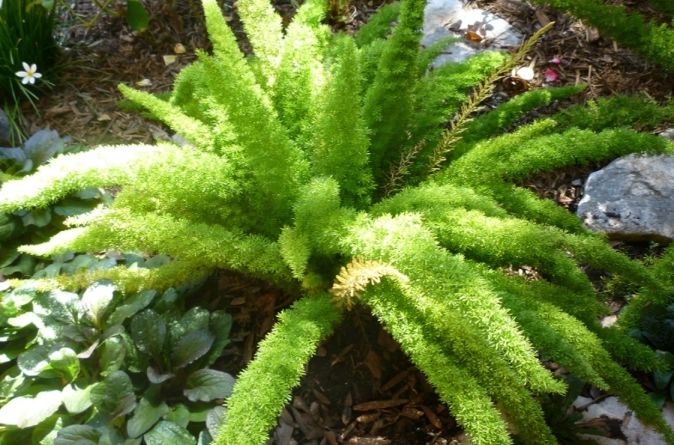
Wait, Which Fox Tail Plant Do I Actually Have?
This is the big one. When people search for fox tail plant care, they're usually talking about one of two completely different stars. Mixing them up is a recipe for a dead plant. Let's break them down side-by-side.
| Feature | The Indoor Star: Foxtail Asparagus Fern | The Outdoor Showstopper: Foxtail Lily |
|---|---|---|
| Real Name | Asparagus densiflorus 'Myersii' or A. meyeri | Eremurus spp. (e.g., Eremurus robustus) |
| What it Looks Like | Dense, upright, bright green "tails" made of tiny, needle-like cladodes (not true leaves). Looks like a fluffy, green bottlebrush. | Tall, majestic flower spike (up to 8-10 feet!) covered in hundreds of small, star-shaped flowers. Dies back to a dormant tuber after blooming. |
| Where it Grows | Subtropical southern Africa. A perennial evergreen. | Central and western Asia. A herbaceous perennial. |
| Your Typical Setting | Potted houseplant, patio container, warm-climate ground cover. | Garden border, back of flower beds, sunny landscape focal point. |
| The Big Confusion | Called a "fern" but is NOT a true fern. It's related to edible asparagus. | Called a "lily" but is NOT a true lily. It's in the Asphodel family. |
See? Totally different beasts. From here on out, I'm going to assume most of you are here for the first one—the popular, quirky, and surprisingly tough houseplant known as the Foxtail Asparagus Fern. It's the one causing most of the questions and headaches (and joy!) on windowsills everywhere. The majestic Foxtail Lily deserves its own deep dive another day.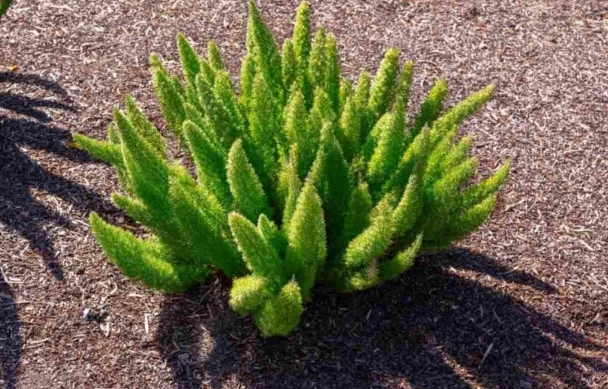
Getting to Know Your Foxtail Asparagus Fern (The Real Deal)
Let's talk about your new green buddy. First, a bit of botanical truth-telling that will save you a lot of trouble: the Foxtail Asparagus Fern is not a fern. Nope. Those fluffy tails aren't made of fronds. They're made of modified stems called cladodes that function as leaves. This fact is a game-changer for its care. It's actually a member of the Asparagaceae family, making it a cousin to your dinner plate asparagus.
This origin story explains a lot. It comes from South Africa, which means it's built for periods of drought followed by good drinks. It stores water in its tuberous roots. Those cute, needle-like cladodes are designed to minimize water loss. This thing is tougher than it looks.
But here's my personal gripe with it—those "needles." They are deciduous. That's a fancy way of saying they fall off. A lot. If you move it, brush against it, or look at it wrong on a dry day, you might find a little green sprinkling on your table. It's just part of life with this plant. Don't panic, but maybe don't put it over a light-colored carpet.
What This Plant Absolutely Loves (The Care Breakdown)
Caring for a fox tail plant of the Asparagus variety isn't hard, but you need to hit a few key notes. Think of it as a friend who likes bright light, hates wet feet, and doesn't want to be coddled.
Light: Bright but Be Careful
This is the number one factor. It craves bright, indirect light. A spot near an east or west-facing window is perfect. A south-facing window? Sure, but pull it back a few feet or use a sheer curtain to filter the harshest noon rays. Too little light and the plant gets leggy, the "tails" stretch out and lose their lovely dense form, and the color fades. I had one in a dim corner once, and it just looked... sad and sparse. Moved it to a brighter spot, and new, compact tails shot up in weeks.
It can handle some morning sun, but intense afternoon sun will scorch those delicate cladodes, leaving ugly brown or yellow patches.
Watering: The Delicate Dance
This is where most people kill it (figuratively and literally). Remember those tuberous roots? They store water. So the rule is: soak it, then let it dry out. I mean, really let the top half to two-thirds of the soil dry out before you even think about watering again. Stick your finger deep into the pot. If it feels moist, walk away.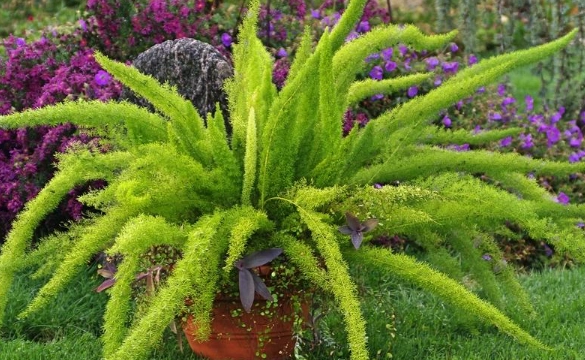
When you do water, take it to the sink or outside and drench it thoroughly until water runs freely out the drainage hole. Let it drain completely before putting it back in its decorative pot. No soggy bottoms allowed. In winter, when growth slows, you might only need to water it once a month or even less.
Overwatering is the express lane to root rot, which shows up as widespread yellowing and mushy stems.
Soil and Potting: Drainage is King
You want a potting mix that drains faster than a sink. A standard well-draining potting mix is a good start. To really make it happy, mix in some perlite, orchid bark, or coarse sand. I use about two parts potting mix to one part perlite. This creates air pockets and prevents the roots from sitting in moisture.
The pot must have drainage holes. Terracotta pots are a great choice because they wick away extra moisture from the soil. Repotting is only needed every 2-3 years when the plant becomes root-bound. You'll see roots peeking out of the drainage holes, or the plant might dry out incredibly fast.
Temperature & Humidity: Not Too Fussy
Average room temperatures (65-80°F or 18-27°C) are perfect. It doesn't like the cold. Keep it away from drafty windows in winter. As for humidity, it's more adaptable than true ferns. Average household humidity (around 40-50%) is usually fine. If your air is extremely dry (think winter with the heat blasting), you might see some browning on the tips. A light misting can help, or group it with other plants.
Food: A Light Snack
During its active growing season (spring and summer), you can feed it with a balanced, water-soluble fertilizer diluted to half strength. Do this once a month. Stop feeding in fall and winter. More is not better here—over-fertilizing can burn the roots and cause salt buildup in the soil.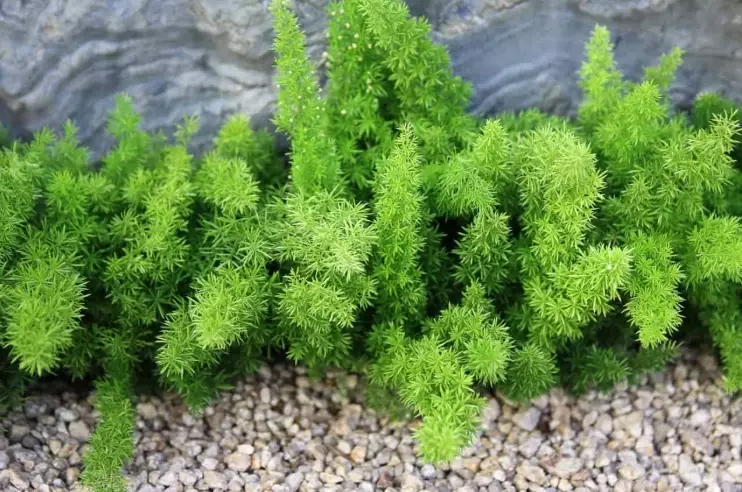
Solving Your Fox Tail Plant Problems (Troubleshooting)
Okay, let's get to the real-world issues. Your plant is sending you signals. Here’s how to decode them.
Why is my foxtail fern turning yellow?
This is the most common cry for help. Yellowing can mean a few things, but you have to play detective.
- Overwatering (Most Likely): Widespread yellowing, often starting at the base, combined with potentially mushy stems. Solution: Stop watering immediately. Check the roots. If they're brown and mushy, it's root rot. You may need to cut away the rotten parts and repot in fresh, dry soil. Let the plant dry out thoroughly between waterings going forward.
- Underwatering: The whole plant looks dry, crispy, and yellow. The soil is bone dry and may be pulling away from the edges of the pot. Solution: Give it a thorough, deep soak. It should perk up. Consistency is key.
- Too Much Direct Sun: Yellow or bleached patches, especially on the sides facing the light. Solution: Move it to a spot with gentler, indirect light.
- Natural Shedding: A little bit of inner, older stem yellowing and dropping is normal as the plant grows. Don't sweat this.
Why are the "tails" thin and leggy?
This is almost always a plea for more light. The plant is stretching out to find a sunbeam. Move it to a brighter location. You can also prune the leggiest tails back to the soil line to encourage bushier new growth from the base.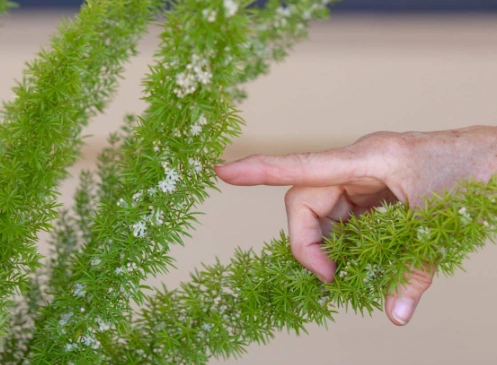
Brown tips or needles falling off excessively?
Low humidity or underwatering are the usual suspects. Also, remember what I said about them being deciduous—some drop is normal. But if it's a blizzard, check your watering and maybe increase ambient humidity slightly.
Pests?
They're generally pest-resistant, but keep an eye out for mealybugs (look like tiny cotton balls) or spider mites (fine webbing, stippled leaves). A strong spray of water or insecticidal soap usually takes care of them.
Propagation: Making More Fluffy Friends
Want to share your plant or just make it fuller? You have two main options.
Division (Easiest & Most Reliable): When you repot your mature fox tail plant, you can gently divide the root ball into two or more sections. Make sure each section has a good chunk of roots and several healthy stems. Pot them up separately. Water lightly at first until new growth appears. This is the method I always use—it's quick and the new plants are sizable right away.
Growing from Seed (The Patient Gardener's Route): It's possible but slow. If your plant produces small red berries (it sometimes does in ideal conditions), you can harvest the seeds inside. Soak them for a day, then sow them in a moist seed-starting mix. Keep them warm and lightly moist. Germination can be erratic and take several weeks. Frankly, division is so much easier.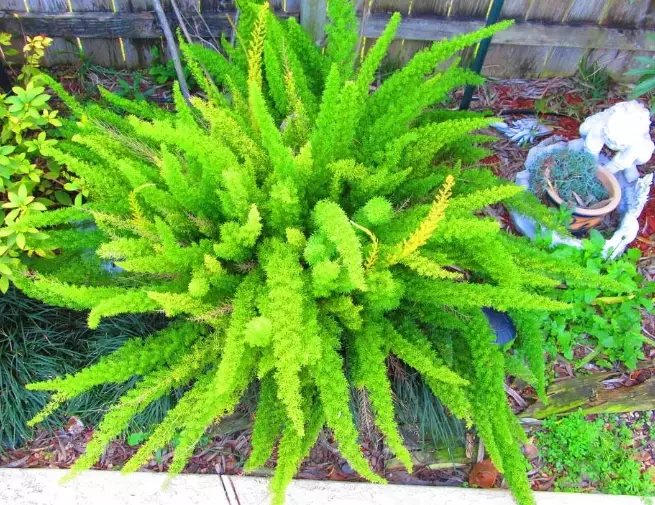
Design Ideas: Styling Your Fox Tail Plant
This plant has a unique, architectural form that makes it a designer's favorite. It's not just a green blob—it's a statement.
- Modern & Minimalist: Place a single, perfect specimen in a simple white or neutral ceramic pot. Its form becomes the sculpture.
- Textural Contrast: Pair it with plants that have broad, flat leaves (like a Fiddle Leaf Fig or Peace Lily) or trailing vines (like Pothos). The contrast makes everything pop.
- Patio Pot: In warm months, it makes a fantastic thriller (the tall, focal point) in a mixed container with spillers and fillers around it.
- Bathroom Buddy: If you have a bright bathroom, the extra humidity from showers is a bonus, and its vertical shape fits well on ledges or counters.
Just be mindful of its shedding nature when choosing a location. A plant stand over a hard floor is easier to manage than a shelf above a bookshelf full of knick-knacks.
Quick FAQs: Your Burning Questions Answered
The Final Word: Is the Fox Tail Plant Right for You?
Look, this isn't the plant for someone who wants a zero-maintenance plastic look-alike. It sheds a bit. It has specific (but not difficult) watering needs. And you need to give it enough light.
But if you can do that?
You get a plant with incredible texture and personality. It's resilient once you understand it. It's a conversation starter. It teaches you to pay attention—to the soil, to the light, to the plant's own cues. That's the real joy of keeping any plant, isn't it?
So, give your fox tail plant a bright spot, resist the urge to over-love it with water, and enjoy those whimsical, fluffy green tails. It might just become one of your favorites.
Comments