You bought a cute cactus, followed all the "water once a month" advice, and it still died. Sound familiar? I've been there. After years of trial and error (and killing a few plants myself), I realized the problem often isn't the watering schedule or the sunlight—it's the pot. Choosing the right cactus flower pot isn't just about aesthetics; it's a critical life-support decision for your plant. This guide cuts through the fluff and gives you the practical, often overlooked details that make the difference between a surviving cactus and a spectacularly thriving one.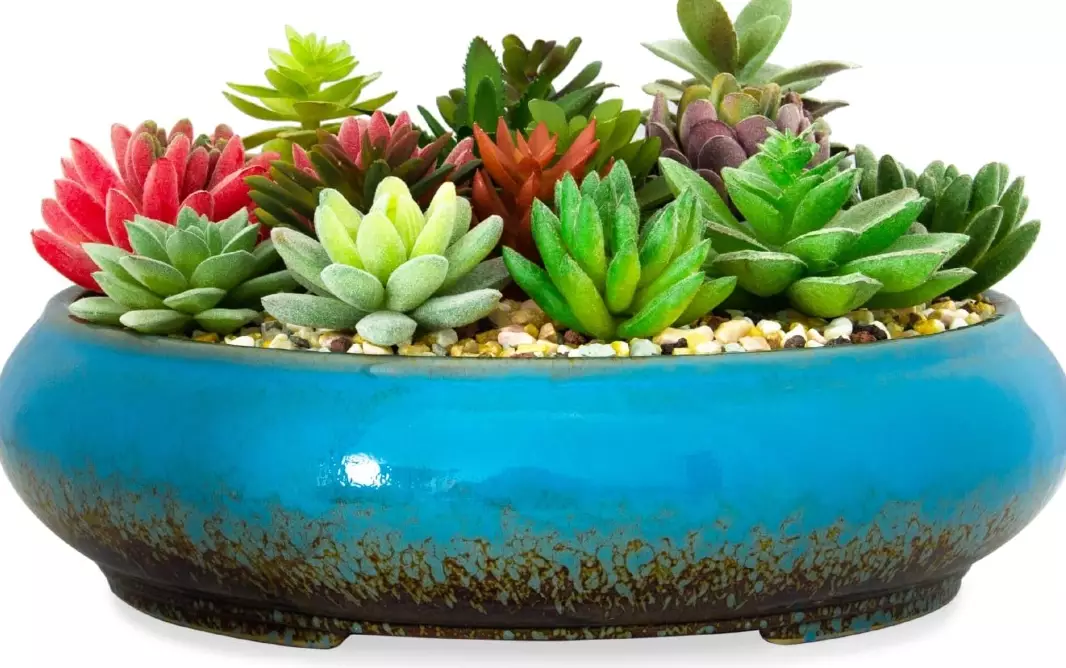
What You'll Learn
Why Your Cactus Pot Choice Is a Matter of Life and Death
Think of a cactus pot as its house. A bad house has poor ventilation, cramped space, and flooding basements. For a cactus, that translates directly to root rot, the number one killer of potted cacti. Unlike other houseplants, cacti have evolved in arid environments with fast-draining, mineral-based soil. Their roots are built to drink quickly and then dry out fast. A pot that traps moisture around those roots is a death sentence.
The right pot manages two things: water and air.
It lets excess water escape instantly and allows air to circulate through the soil and around the roots. This mimics their natural habitat. Get this wrong, and you're fighting a losing battle no matter how perfect your care routine is. I learned this the hard way with a beautiful glazed ceramic pot—it looked great but held moisture like a sponge, and my prized Golden Barrel cactus turned to mush from the inside out.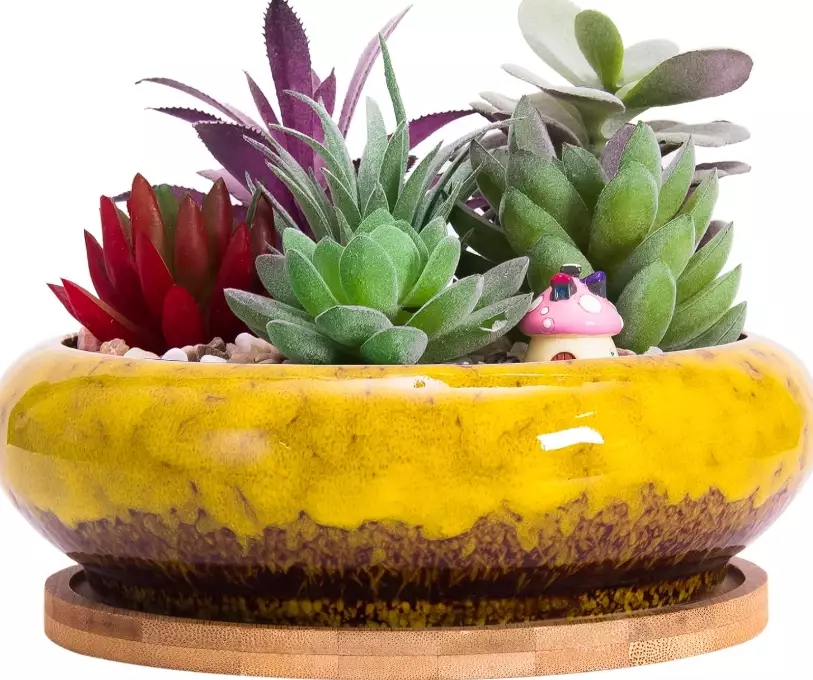
How to Choose the Perfect Pot: Material, Size & Drainage Decoded
Let's break down the three non-negotiable factors. Ignore any one, and you're setting up your cactus for failure.
Pot Material: It's All About Breathability
Not all materials are created equal. The key property here is porosity—the material's ability to let moisture and air pass through its walls.
| Material | Pros | Cons | Best For |
|---|---|---|---|
| Unglazed Terracotta | Highly porous, promotes evaporation, excellent air flow to roots, stable, affordable. | Dries out very quickly (requires more frequent watering in hot climates), can accumulate mineral salts on exterior, heavy. | Beginners, humid environments, cacti prone to overwatering (like Opuntia). The gold standard for a reason. |
| Glazed Ceramic | Wide variety of colors and styles, retains moisture longer. | Zero porosity, traps moisture, high risk of root rot. Must have exceptional drainage. | Experienced growers who can tailor their watering perfectly. Use with extreme caution. |
| Plastic | Lightweight, cheap, retains moisture well. | Non-porous, can overheat in direct sun, often has poor structural quality. | Temporary pots, propagating cuttings, indoor use away from intense sun. |
| Concrete or Cement | Very stable, modern look, somewhat porous. | Extremely heavy, can leach alkalinity into soil over time (which cacti dislike). | Outdoor landscaping with large specimen plants. Soak before first use to reduce alkalinity. |
My personal take? Start with terracotta. It's forgiving. That trendy, Instagram-worthy glazed pot might look stunning, but it's a high-maintenance relationship for your cactus.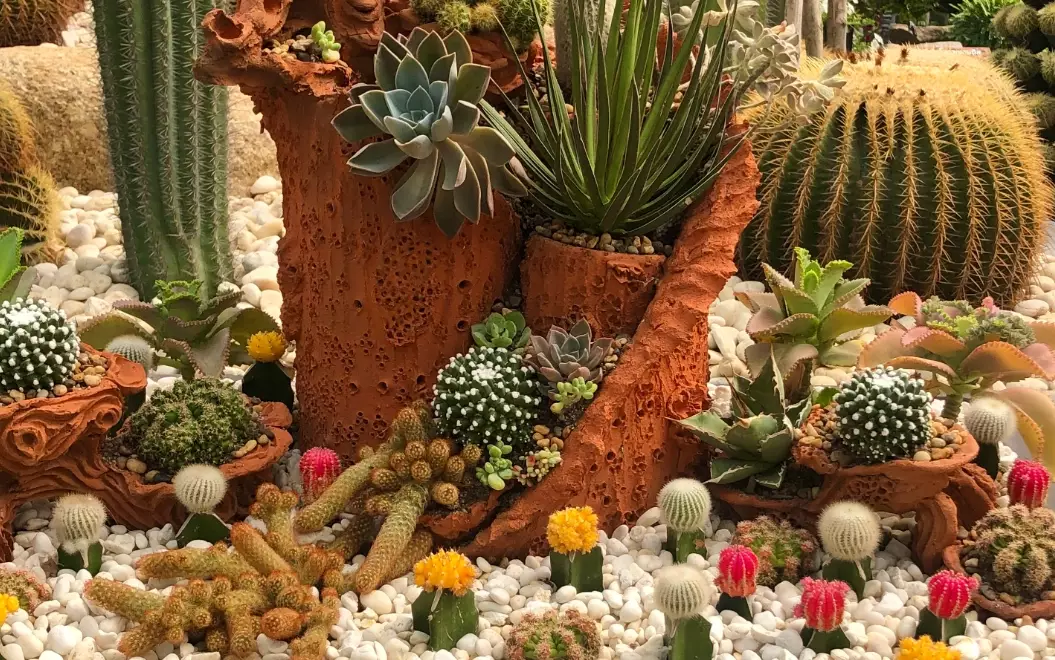
Pot Size: The "One Inch Rule" and Why It Works
Here's a subtle mistake almost every new collector makes: they put a small cactus in a huge pot, thinking it gives room to grow. This is a disaster. A large volume of soil takes forever to dry out, leaving the cactus's small root system sitting in dampness.
The Rule: Choose a pot where the diameter is only about 1 inch (2.5 cm) wider than the widest part of your cactus's body. For a tall, columnar cactus, the pot should be about one-third to one-half its height for stability.
Depth is equally critical. Most cacti have relatively shallow, spreading root systems. A deep pot creates a column of wet soil below the roots that never dries. Opt for a pot that's wider than it is deep. The only exceptions are cacti known for large taproots, like some Mammillaria or older Ferocactus.
Drainage Holes: The Non-Negotiable Feature
If the pot doesn't have a drainage hole, it's not a cactus pot. It's a decorative cachepot or a death trap. Period. No amount of gravel at the bottom helps—this is an old myth that creates a "perched water table" and makes things worse. Research from institutions like the University of Illinois Extension confirms that water does not move easily from a fine soil layer into a coarse gravel layer; it simply saturates the soil above the rocks.
What if you fall in love with a pot without a hole? Use it as an outer sleeve. Plant your cactus in a plain plastic nursery pot (with holes) that fits inside the decorative one. When you water, take the inner pot out, water it thoroughly in the sink, let it drain completely, and then put it back. It's an extra step, but it saves your plant.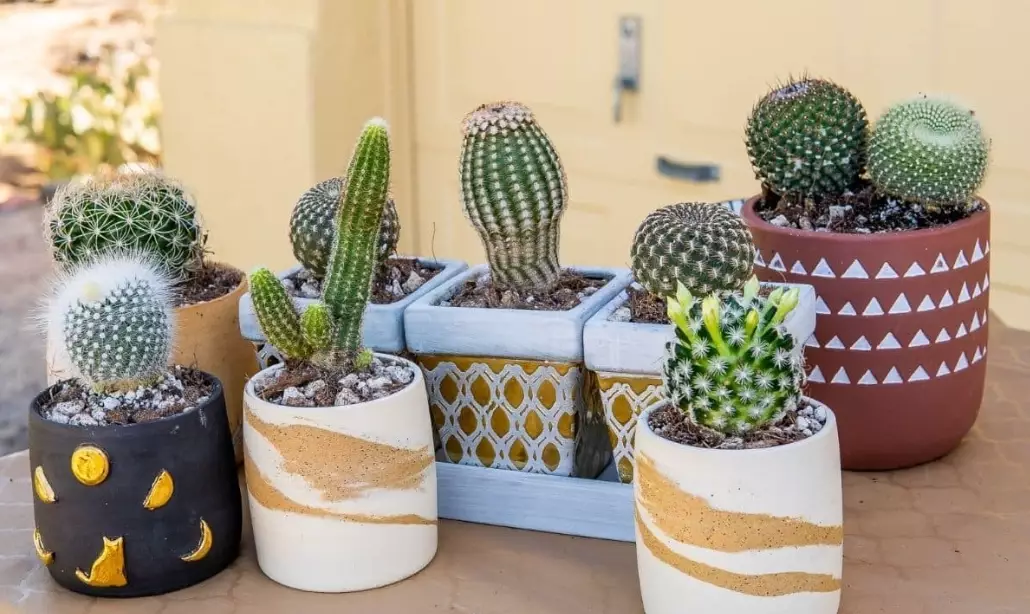
The Stress-Free Cactus Repotting Guide: A Step-by-Step Walkthrough
Time to get your hands dirty. Repotting is stressful for a cactus, so we do it to help them, not just for fun. Do it in the early growing season (spring or early summer) so they can recover quickly.
What You'll Need
- Your new pot (1" wider, with drainage hole).
- Fresh, fast-draining cactus & succulent soil mix. Don't use regular potting soil.
- Coarse materials for extra drainage: perlite, pumice, or coarse sand (aim for a 50/50 mix with cactus soil).
- Newspaper, tongs, or specialized cactus handling gloves (like leather rose-pruning gloves).
- A small trowel or spoon.
The Process: A Gentle Approach
1. The Dry Run: Water your cactus a few days before repotting. Working with dry soil is easier and reduces root damage.
2. Safe Extraction: Tilt the old pot sideways. Use folded newspaper strips to grip the cactus body, or gently tap the pot's sides to loosen the root ball. Never pull from the top.
3. Root Inspection: Gently brush away the old soil. Look for healthy, white or tan roots. Snip off any that are black, mushy, or dried/dead with clean scissors.
4. Pot Prep: Place a piece of mesh screen, a coffee filter, or a shard of broken pottery over the drainage hole. This keeps soil in while letting water out. Do not add gravel.
5. Planting: Add a layer of your pre-mixed soil to the new pot. Hold the cactus at the desired height (the soil line should be the same as before) and fill in around the roots with more soil. Gently tap the pot to settle, but don't compact it. Leave a little space at the top for water.
6. The Critical Wait: Do NOT water immediately. Place the repotted cactus in bright, indirect light and wait 5-7 days. This allows any tiny root injuries to callus over, preventing rot when water is introduced. After the wait, give it a thorough soak.
Beyond the Basics: Pro Tips and Troubleshooting
Once you've mastered the fundamentals, these insights can take your cactus care to the next level.
Pot Shape Matters: A pot with straight or slightly tapered sides is easier to remove a plant from later than one with a pronounced "belly." Think about future you.
The "Sweating" Phenomenon: In very humid climates, terracotta pots can stay damp on the outside for days, which might promote algae or mold growth on the exterior. It's usually harmless to the plant but can be wiped off. In these conditions, ensuring fantastic internal drainage is even more critical.
When to Upsize: Repot when you see roots growing out of the drainage hole, when the cactus has become top-heavy and unstable, or when growth has visibly stalled for a season or two. Most established cacti are perfectly happy being slightly root-bound.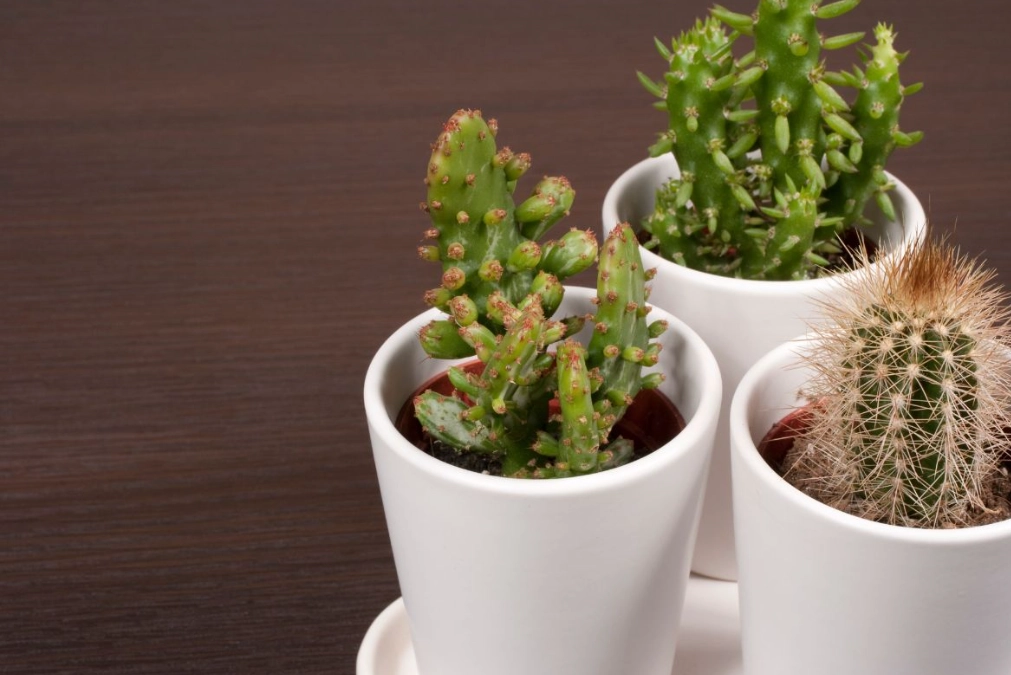
Your Cactus Pot Questions, Answered
My beautiful pot has no drainage hole. Can I just drill one myself?
Sometimes, but it's risky. For unglazed terracotta or concrete, you can use a masonry drill bit with water lubrication. For glazed ceramic, the glaze can chip unpredictably, and the pot may crack. The outer sleeve method is safer and preserves the pot.
How often should I actually repot my cactus?
There's no fixed schedule. Fast-growing species might need it every 2-3 years. Slow-growers like some Astrophytum or old Echinocactus can go 5+ years in the same pot. Let the plant's condition, not the calendar, be your guide.
Is it okay to use a deep pot for a small cactus if I fill half of it with rocks?
No. This goes back to the perched water table myth. You're just creating a smaller, deeper pot within the big one. The soil above the rocks will stay wetter for longer because water has nowhere to go. Always match the pot depth to the root depth.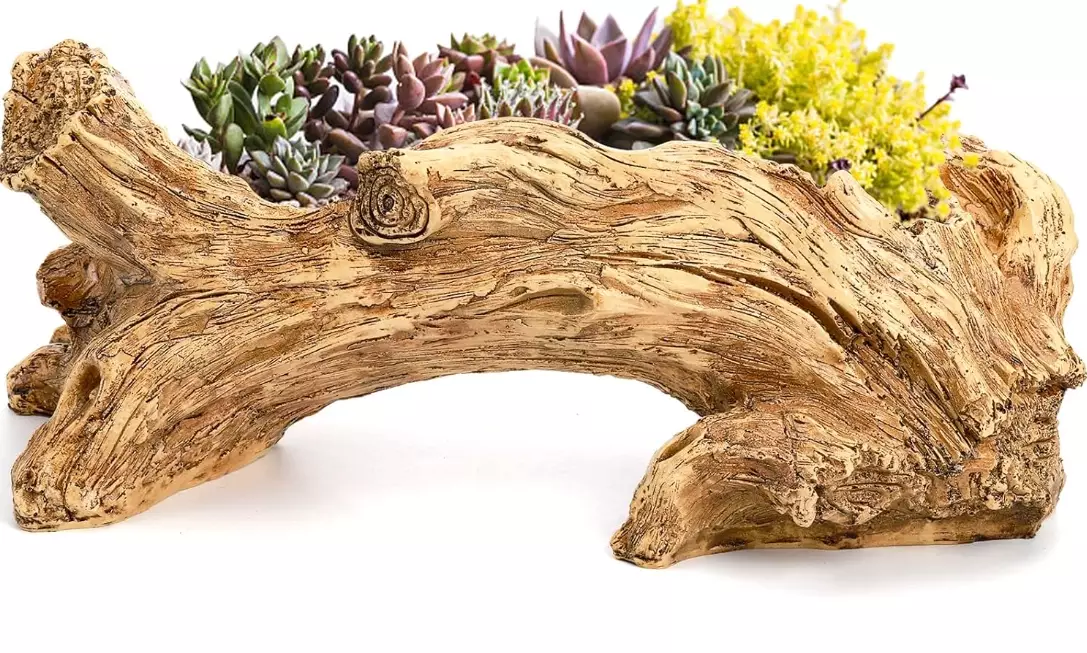
White crust is building up on the rim of my terracotta pot. What is it and is it bad?
That's mineral salts from your tap water and fertilizer, wicking through the porous clay and evaporating. It's mostly cosmetic but can indicate a salt buildup in the soil over many years, which can harm roots. Scrub it off with vinegar and water. To prevent it, occasionally water deeply until water runs freely from the bottom (called leaching), and consider using rainwater or distilled water if it's a severe issue.
Can I plant multiple cacti in one large, wide pot?
You can, but it's an advanced move. They must have identical water, light, and soil needs. The risk is if one gets a fungal issue or rot, it can spread to its neighbors. Ensure the pot has multiple drainage holes and space them far enough apart for air circulation. Personally, I prefer individual pots for better control.
My cactus pot sits on a wooden surface. Will the drainage hole damage it?
Yes, over time, moisture and salts will stain and damage wood. Always use a saucer underneath. Empty the saucer 15-20 minutes after watering. Never let the pot sit in standing water.
Comments