Let's be honest, the main reason you want to propagate aloe vera is because it's free plants. Who doesn't love that? But here's the real secret most beginner guides gloss over: success isn't just about sticking a piece in soil. It's about understanding the plant's survival logic. I've killed my fair share of cuttings by being impatient, and over the years, I've learned that the key lies in the boring, waiting part. This guide will walk you through the entire process, from identifying the perfect pup to troubleshooting the dreaded mush, with a focus on the subtle details that make all the difference.
In This Article
Why Propagate Your Aloe Vera?
Beyond the obvious joy of free plants, propagation solves specific problems. Your main plant gets overcrowded, sucking up nutrients and looking less vibrant. By removing the pups, you rejuvenate the parent plant. You also create backups. Aloes are tough, but they can succumb to overwatering or pests. Having clones ensures you never lose your original plant's genetics. Finally, it's the perfect, meaningful gift. A plant you grew yourself beats a store-bought one any day.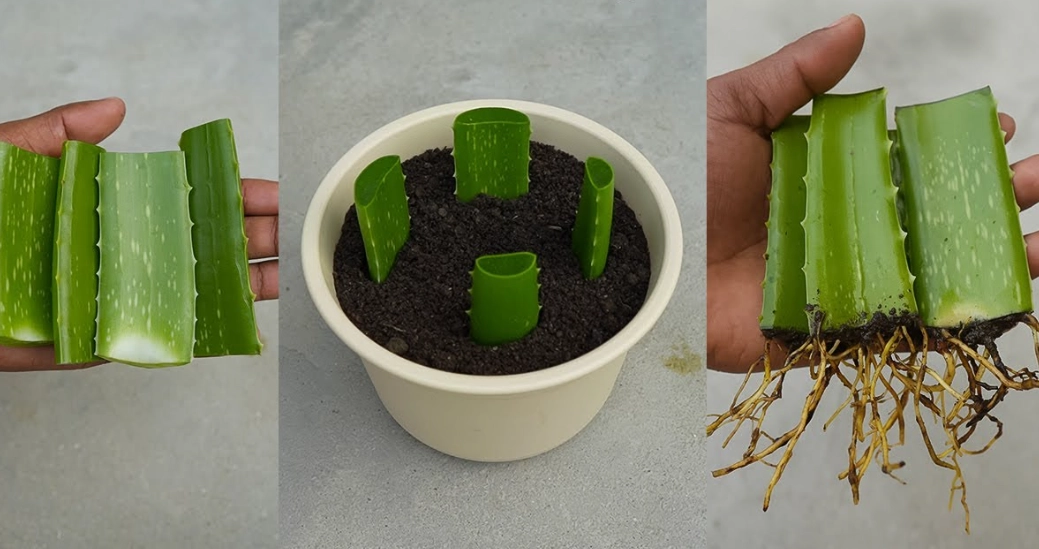
What Are Aloe Vera Cuttings or Pups?
Technically, "cuttings" can refer to leaf cuttings, but for aloe vera, that's a notoriously unreliable method. When we talk about aloe vera cuttings for propagation, we almost always mean the "pups" or "offsets." These are complete baby plants that grow from the base of the mother plant, connected by a short stem or rhizome. They have their own root system started, which is why this method has a near 100% success rate if done correctly. Leaf cuttings often rot because the thick, gel-filled leaf lacks the growth points needed to form a new plant reliably.
How to Prepare and Plant Aloe Vera Cuttings
This is where most people go wrong by rushing. Think of it like surgery: clean tools, a sterile environment, and proper aftercare.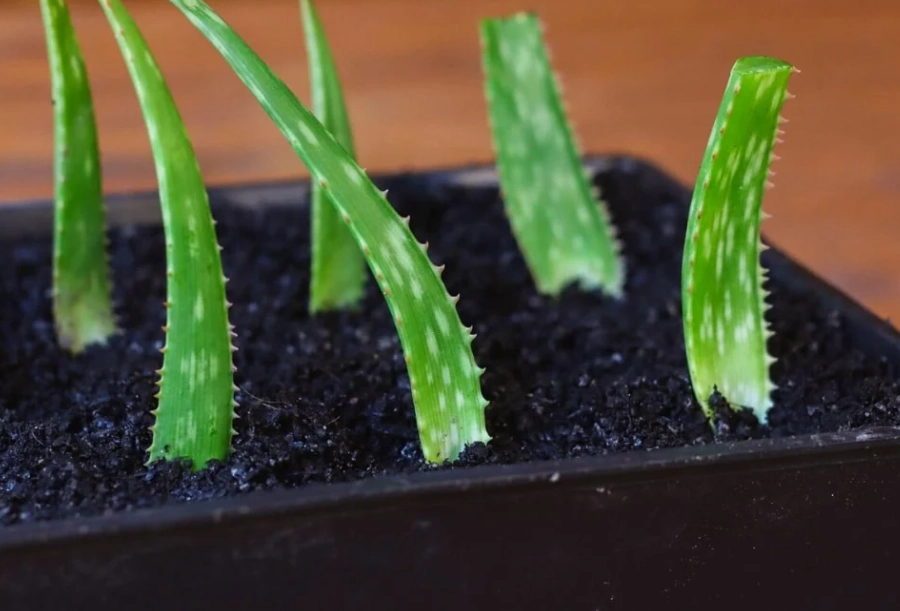
Choosing the Right Pup
Don't grab the first little green nub you see. A good candidate is about one-third the size of the mother plant and has several plump, healthy leaves. If it's too small (less than 3-4 inches tall), it hasn't stored enough energy. Look for pups that have started to form their own color and structure, not just pale miniatures clinging to the base.
The Separation Process
First, water the mother plant a couple of days before. Hydrated plants separate more easily. Gently brush away the soil from the base to expose the connection point. Now, here's the non-consensus part: if there's a clear, snappable stem connecting the pup, use your fingers to gently wiggle and twist it off. This is often cleaner than cutting. If it's a tough, woody connection, then use a sharp, clean knife (wipe it with rubbing alcohol). The goal is a clean break, not a ragged tear.
The Critical Callus Stage (Do Not Skip!)
This is the step I used to ignore, and it cost me several pups. Do not plant the fresh cutting immediately. Place the pup in a dry, warm, shaded spot (like on a paper towel on a shelf) for 3 to 7 days. The cut end must dry out and form a hard, whitish callus. This seal prevents soil bacteria from entering and causing rot. If the end still looks moist or juicy, it's not ready. This waiting period is your number one defense against failure.
Potting and Soil Mix
Use a small pot with a drainage hole. Terracotta is ideal because it breathes. The soil is non-negotiable. Regular potting soil holds too much water.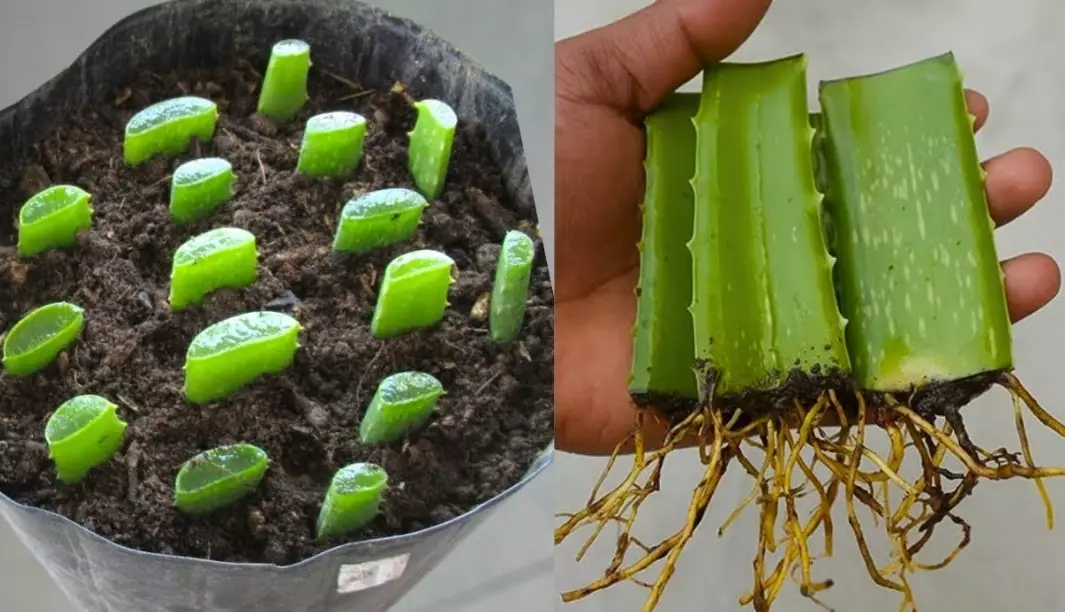
You need a fast-draining succulent or cactus mix. To make your own superior blend, combine:
- 50% standard potting soil
- 30% perlite or pumice (for aeration)
- 20% coarse sand or poultry grit
Fill the pot and make a small hole. Place the callused end of the pup in the hole, just deep enough to support it upright. Don't bury the lower leaves. Gently firm the soil around it.
Critical Care After Planting Your Cutting
Your job now is to provide ideal conditions for root growth, which are different from conditions for a mature plant.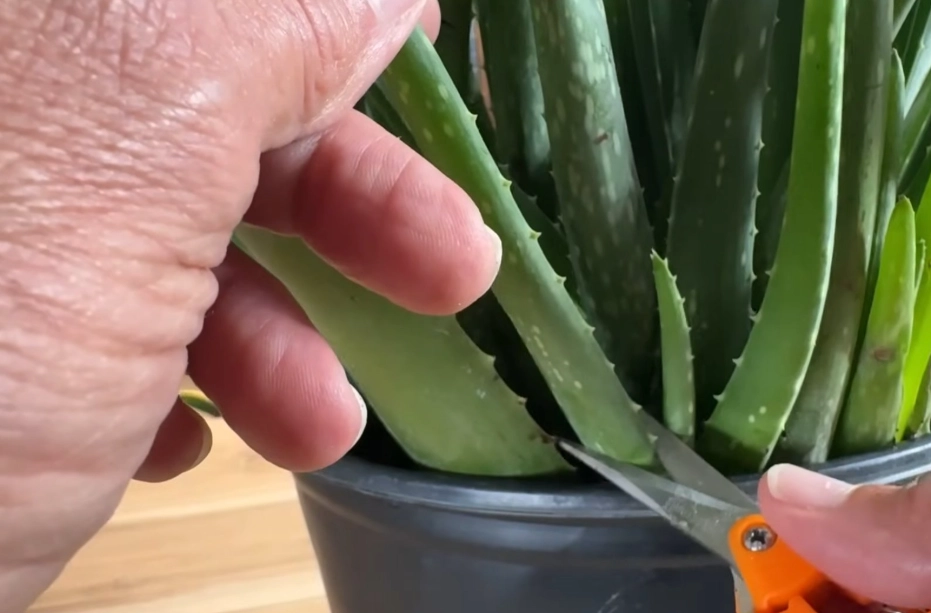
| Factor | Ideal Condition for Rooting | Why It Matters |
|---|---|---|
| Light | Bright, INDIRECT light. An east-facing window is perfect. | Direct sun will scorch the unrooted plant and dehydrate it. It needs energy (light) without the stress. |
| Water | Wait 7-10 days for the first light watering. Then, water only when the soil is completely dry, and water sparingly. | The plant has no roots to absorb water. Wet soil = rot. You're encouraging roots to search for moisture. |
| Temperature | Consistently warm, between 65-80°F (18-27°C). | Root growth slows or stops in cool temperatures. Avoid drafty spots. |
| Handling | Do not tug on the plant to "check for roots." Be patient. | You'll break any delicate new root hairs. Signs of success are new, firmer leaves or visible growth from the center. |
You'll know it's rooted when the plant feels anchored if you give it a very gentle wiggle, and new leaves begin to emerge from the center. This can take 4 to 8 weeks. Only then can you gradually introduce it to more direct sunlight and treat it more like a mature aloe.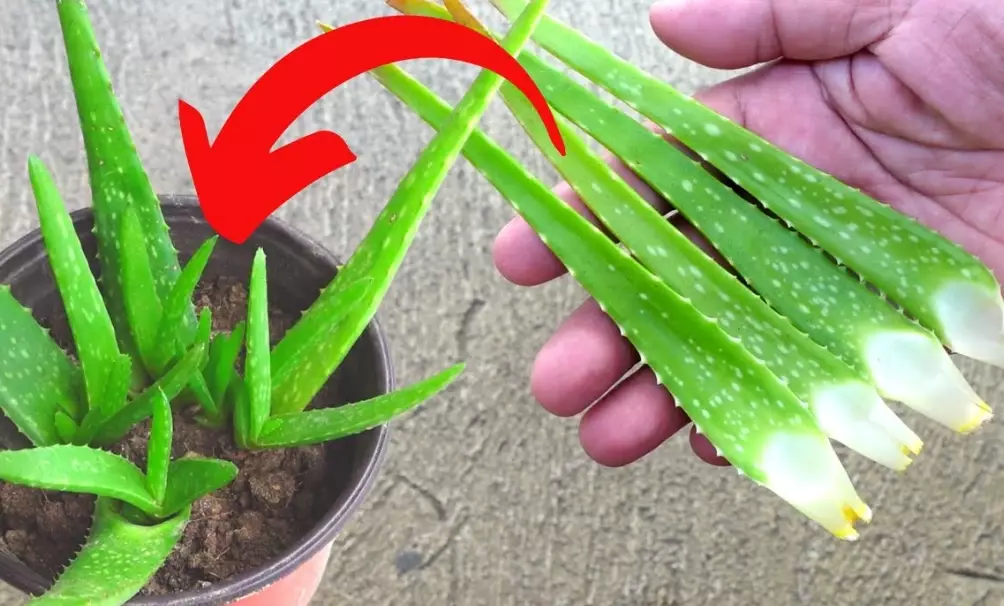
Troubleshooting Common Aloe Cutting Problems
Things don't always go perfectly. Here's how to diagnose and fix the main issues.
The cutting is turning brown, soft, and mushy at the base. This is rot, almost always from overwatering or planting before callusing. Unpot it immediately. Cut away all soft, brown tissue with a sterile knife until you only see healthy, firm, green or white tissue. Let it callus again for a full week and restart in fresh, dry soil. Be even more stingy with water.
The leaves are turning red or brown and getting thin/crinkly. This is sunburn or severe dehydration. Move it to a spot with bright but indirect light. If the soil is bone dry, give it a thorough soak (only if it's been at least a week since planting) and let excess drain. It should plump back up in a day or two.
No growth after two months. The plant isn't dead (leaves are still firm), but it's stalled. The likely cause is temperatures that are too cool. Move it to a warmer spot. You can also try a rooting hormone on the callus before repotting, though it's not strictly necessary for aloes.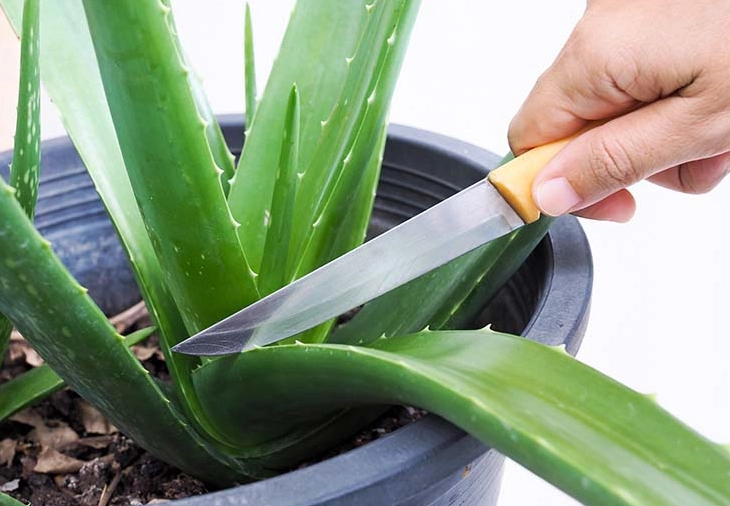

Comments