Let's be honest. Most of us grab the first bag labeled "potting mix" at the garden center. It's brown, it smells earthy, job done. Right? That's what I thought, until I killed my third fiddle leaf fig. The leaves turned yellow, dropped, and the stem felt mushy. I was watering on schedule, giving it light. The problem was invisible, lurking beneath the surface: the soil. It was a dense, moisture-hoarding mass that suffocated the roots. That's when I realized good soil for indoor plants isn't just dirt in a bag; it's a carefully engineered living environment. It's the difference between a plant surviving and one that thrives explosively.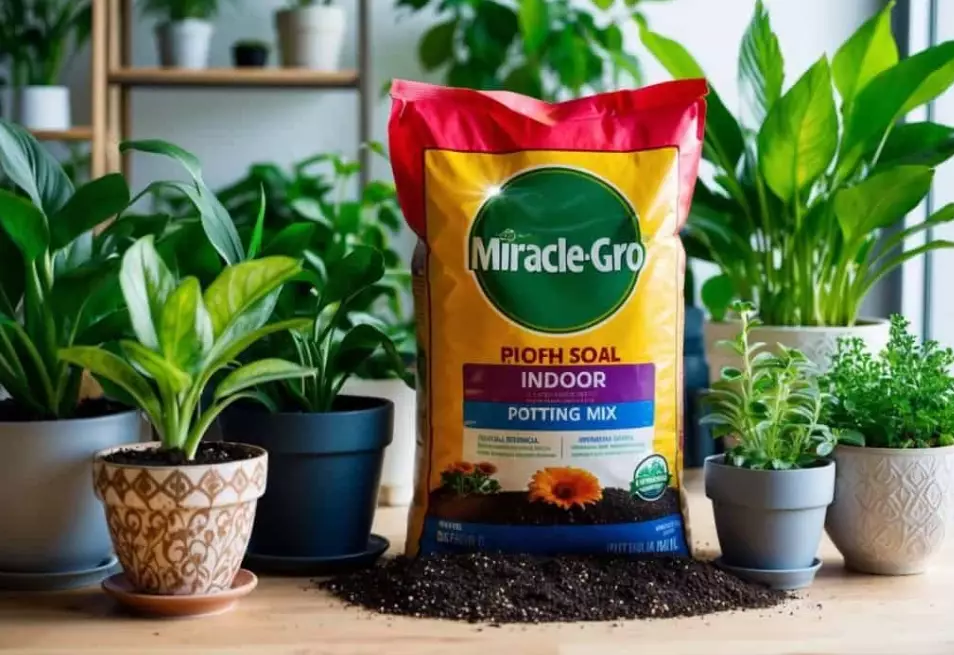
What's Inside This Guide
What Good Soil Actually Is (And Isn't)
Think of soil as a tiny apartment building for your plant's roots. It needs structure (rooms and hallways), utilities (water and air pipes), and a pantry (nutrients). Good indoor plant soil provides three things:
Physical Structure: This is the architecture. A loose, chunky mix creates pores—tiny air pockets. Roots need oxygen to breathe. Without these air pockets, they drown, leading to root rot. A common mistake is equating "fine" or "rich-looking" soil with quality. Fine soil compacts easily, turning into a brick.
Water Management: Good soil acts like a reservoir, holding enough water for the roots to drink but draining the excess quickly. It should feel moist after watering, not soggy. If water pools on top for more than a few seconds, your soil's drainage is poor.
Nutritional Base: While most nutrients come from fertilizer, the soil needs to hold onto them so roots can access them. Organic matter like compost does this. But here's a non-consensus point: for many houseplants, especially beginners, less organic matter is often better than more. Too much can break down into sludge.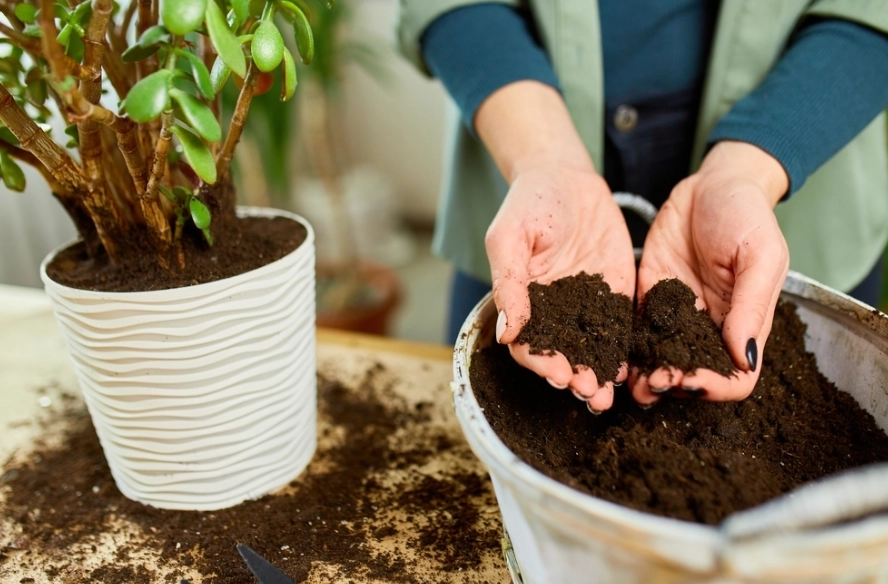
Key Takeaway: Good soil is more about physics than chemistry. Getting the particle size and drainage right is 80% of the battle. You can always add fertilizer later, but you can't easily fix a dense, airless soil structure.
The Big Problem with Most Bagged Mixes
Walk down the aisle. You'll see "Miracle-Gro Potting Mix," "Premium Houseplant Soil," "Organic Potting Mix." They're convenient, but they have a dirty secret. Many are based on fine peat moss and shredded wood (often called "forest products").
Peat moss is great at holding water—too great. On its own in a pot, it can become hydrophobic when dry (repelling water) and a swamp when wet. To compensate, brands add wetting agents and slow-release fertilizer beads. The shredded wood breaks down over 6-12 months, collapsing those precious air pockets and compacting the soil. That's why your plant seems fine for a year, then suddenly declines. The soil has literally decomposed and failed.
I'm not saying all bagged mixes are bad. But you need to be a label detective. Look for mixes that list specific, coarse ingredients: perlite, bark chips, coco coir chunks, pumice, horticultural charcoal. Avoid mixes where the first ingredient is just "peat" or "composted forest products." A brand like FoxFarm Ocean Forest or Espoma Organic Potting Mix is a better starting point because they include more aerating materials, though I often still add extra perlite.
How to Mix Your Own Indoor Plant Soil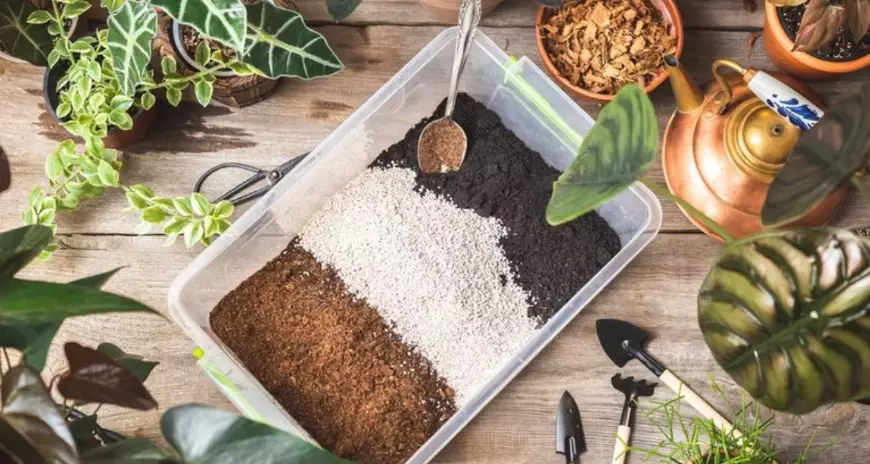
This is where you gain total control. It sounds intimidating, but it's like making a simple recipe. You need three component types, measured by volume (use a bucket or large pot).
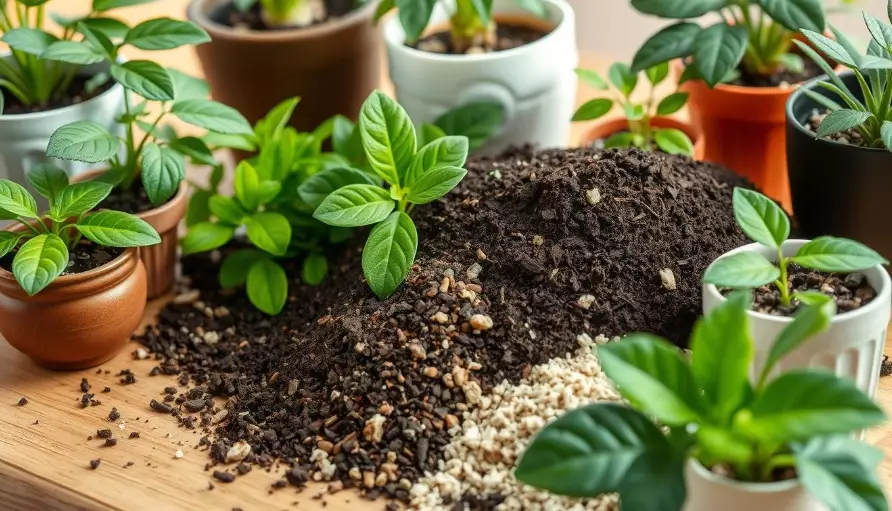
The Base (Holds Moisture & Nutrients): This is the "sponge" component. Coco Coir: My personal favorite. It's a sustainable alternative to peat moss, holds water well but rewets easily if it dries out. It has a near-neutral pH. Peat Moss: The classic. Acidic, holds lots of water, but can be hard to rewet. If you use it, consider adding a bit of garden lime to balance pH for most plants. The Aerator (Creates Air Pockets): This is non-negotiable. It keeps the mix light. Perlite: Those white, popcorn-like bits. Light, sterile, and excellent for creating drainage and aeration. It's the most common and affordable. Pumice: Heavier than perlite, doesn't float to the top when watering, and provides mineral content. A superior but often pricier option. Horticultural Grit or Coarse Sand: Adds weight and improves drainage further. Don't use fine beach sand—it does the opposite and fills pores.
The Chunk (Provides Structure & Prevents Compaction): This is what most bagged mixes lack. Orchid Bark (Pine or Fir): Small to medium-sized chunks. This is the secret weapon. It decomposes very slowly, creating long-lasting air channels and mimicking a plant's natural epiphytic or forest-floor environment. Horticultural Charcoal: Not the BBQ kind! It helps filter impurities, can absorb excess moisture, and may inhibit fungal growth. I add a handful to every mix.
A Universal, Foolproof Starter Recipe
For most common houseplants (Pothos, Philodendron, Monstera, ZZ Plant, Snake Plant):
- 2 parts Coco Coir (moistened and fluffed)
- 1 part Perlite
- 1 part Orchid Bark (small chunk size)
- A generous handful of Horticultural Charcoal per gallon of mix
Mix it all in a large tub. That's it. This blend drains incredibly fast, stays loose for years, and gives roots the perfect balance of air and water. I've repotted plants in this mix after 3 years and the bark chunks are still intact, the soil hasn't collapsed.
Specific Soil Recipes for Common Houseplants
Not all plants want the same apartment. Here’s how to customize. Think of the universal mix above as your "all-purpose flour."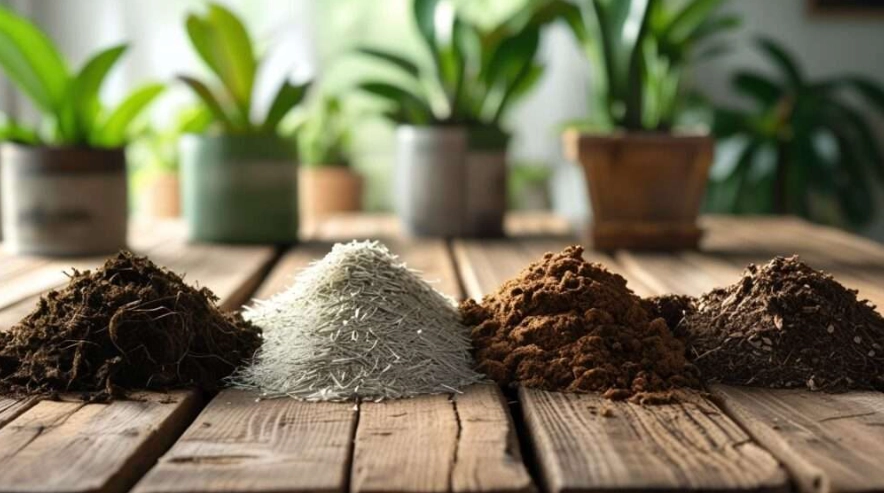
| Plant Type | Key Need | Customized Recipe (based on Universal Mix) | Why It Works |
|---|---|---|---|
| Succulents & Cacti | Extreme drainage, dry roots | 1 part Coco Coir + 1 part Perlite + 1 part Pumice or Grit. Skip the bark. | Minimizes organic matter that holds water. Pumice/grit provides weight and instant drainage. |
| African Violets & Gesneriads | Light, airy, moisture-retentive but not wet | Universal Mix + ½ part extra Perlite. Consider a wick-watering system. | Their fine roots rot easily. The extra aeration keeps them oxygenated while coir provides steady moisture. |
| Orchids (Phalaenopsis) | Epiphytic, needs air around roots | Not a soil! Use: 4 parts Orchid Bark (medium) + 1 part Charcoal + 1 part Perlite or Sphagnum Moss (for moisture). | Mimics tree branches. Bark provides anchor and air flow. Moss adds humidity at roots if needed. |
| Ferns & Calatheas | Consistently moist (not soggy), humus-rich | Universal Mix + 1 part Worm Castings (not regular compost). Keep mix consistently damp. | Worm castings add gentle nutrients and improve water retention without souring the soil like compost can. |
| Fiddle Leaf Fig & Rubber Plant | Sturdy support, good drainage, nutrient-rich | Universal Mix + ½ part Worm Castings. Ensure pot is heavy/sturdy. | Provides structure for heavy top growth. Worm castings support large leaf production without risk of fertilizer burn. |
Fixing Common Soil Problems Without Repotting
Sometimes the soil goes wrong. Here's how to triage.
Scenario 1: Soil is Soggy and Smelly. You've overwatered, and anaerobic bacteria are having a party. Stop watering immediately. Tilt the pot to drain excess water. Gently aerate the top inch of soil with a chopstick to introduce air. Increase air circulation around the plant (a fan on low helps). If it's severe, you might need to unpot, rinse the roots, and repot in fresh, dry-ish mix.
Scenario 2: Soil is Hard as a Rock and Pulling Away from Pot Edges. This is severe compaction and hydrophobia. Bottom-watering is your friend. Place the pot in a basin of water for 30-60 minutes, letting the water soak up through the drainage hole. This slowly rehydrates the entire root ball. For the long term, repotting is the only real fix.
Scenario 3: White Crust or Mold on Soil Surface. The white crust is mineral salts from tap water and fertilizer. Scrape off the top ¼ inch of soil and replace with fresh mix. Mold is usually harmless (a sign of moist organic matter) but indicates poor air flow. Let the soil dry out more between waterings, increase air circulation, and you can stir the top layer to break up the mold.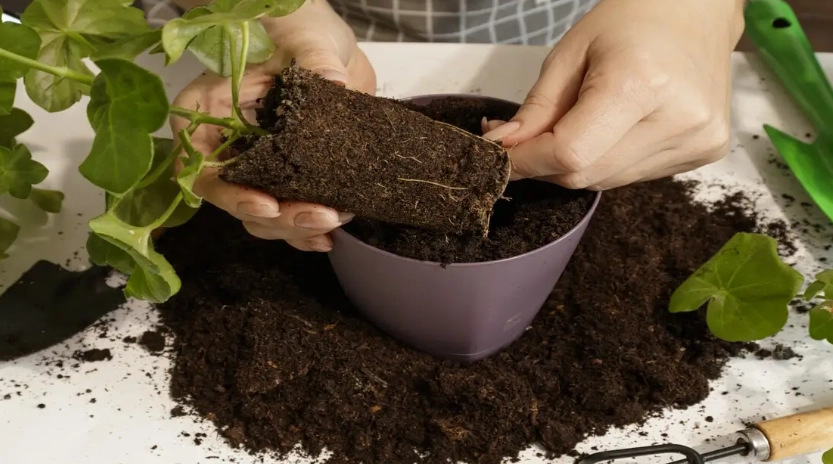
A subtle mistake I see: People see a plant struggling and immediately fertilize. If the problem is soil-related (waterlogging, compaction), fertilizer adds salt stress and makes it worse. Always diagnose water and soil first, nutrients last.
Your Soil Questions, Answered
 Is adding rocks or gravel at the bottom of the pot good for drainage?

Comments