Let's cut to the chase. You brought home a cute, plump succulent, and now it's either stretching like it's trying to escape the pot, turning to mush, or just looking sadder by the day. I've been there. I've killed my fair share of echeverias and haworthias before I figured out the unspoken rules. Caring for a succulent plant isn't about following a rigid weekly schedule; it's about understanding the desert and rocky cliff environments they evolved to survive in. Forget the "set it and forget it" myth. True succulent care is a mindful, observational practice. This guide strips away the fluff and gives you the actionable, often overlooked details that make the difference between a surviving plant and a thriving one.
What You'll Learn in This Guide
The Golden Rule of Succulent Care: Watering
This is where 90% of succulent deaths happen. The mantra "soak and dry" is correct, but almost everyone misinterprets it. It's not just about pouring water until it drains. It's about timing and soil dryness.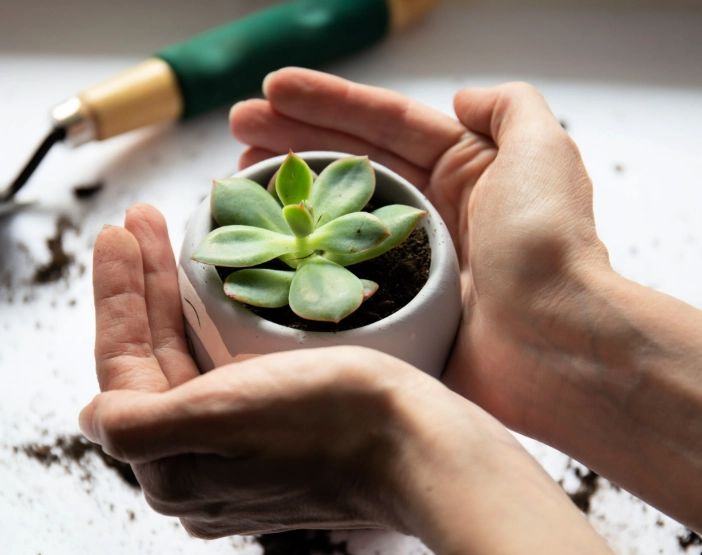
Here's my method, honed from years of trial and error: Stick your finger all the way into the soil, right down to the bottom of the pot near the drainage hole. Is it completely, utterly dry? Not just dry on the surface, but dry deep down where the roots are? Good. Now wait another 3-5 days. Seriously. That extra wait is the secret sauce. Succulent roots need a period of true drought to trigger healthy growth and prevent rot.
Seasonal changes are crucial. In summer, with more light and heat, your plant is actively growing and might need water every 10-14 days. In winter, many succulents go semi-dormant. I've had some that didn't need a single drop of water for 6-8 weeks. The plant will tell you—its lower leaves will start to look slightly wrinkled or softer when it's ready for a drink.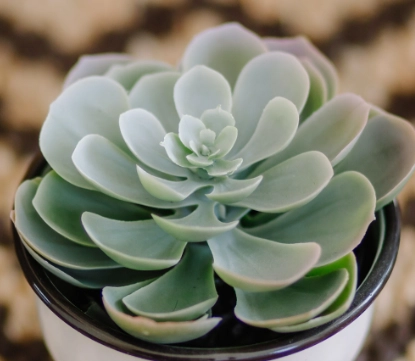
How Much Light Do Succulents Really Need?
"Bright, indirect light" is another vague term that sets people up for failure. Most popular succulents, like Echeveria, Sedum, and Haworthia, crave direct sunlight for at least 4-6 hours a day to maintain their compact, colorful form.
If your succulent starts stretching out, with elongated stems and widely spaced leaves (a condition called etiolation), it's screaming for more light. A south-facing window is ideal in the Northern Hemisphere. East or west-facing can work for some varieties. A north-facing window is almost always insufficient.
But there's a catch—acclimation. A succulent bought from a nursery and plopped into a blazing south window can get sunburned. Those brown, crispy patches are permanent scars. Introduce it to stronger light gradually over 1-2 weeks.
| Succulent Type | Ideal Light Conditions | Signs of Too Little Light |
|---|---|---|
| Echeveria, Graptopetalum | Full, direct sun (6+ hrs). The more, the better for stress colors. | Stretching, pale color, center opens up. |
| Haworthia, Gasteria | Bright, indirect light. Can tolerate some direct morning sun. | Dark green, floppy leaves, slow growth. |
| Snake Plant (Sansevieria) | Very adaptable. Low to bright indirect light. | Slower growth, less pronounced variegation. |
| Jade Plant (Crassula) | Direct sun for compact growth. Bright indirect works but may lead to legginess. | Thin, elongated stems, larger spaced leaves. |
Choosing the Right Soil for Succulents
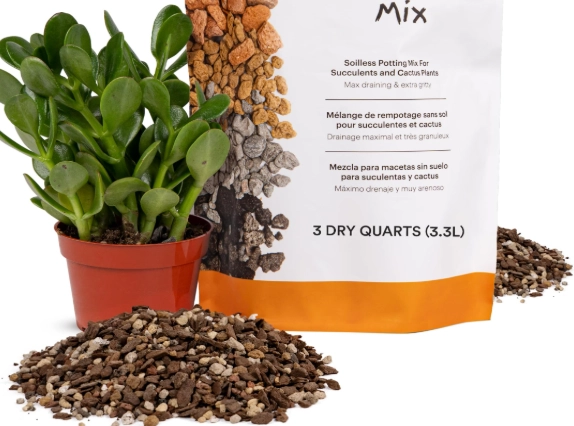
The soil is your succulent's foundation. Regular potting soil holds too much moisture and will suffocate the roots. You need a mix that drains fast.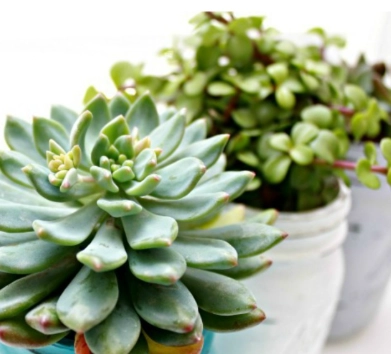
You can buy a pre-made cactus & succulent mix, but in my experience, most commercial bags still retain too much water. I always amend them. Here's my go-to DIY recipe that has never failed me:
The Foolproof DIY Succulent Soil Mix:
- 2 parts cactus potting soil (like from Miracle-Gro or Espoma)
- 1 part coarse perlite or pumice (for aeration)
- 1 part coarse sand (horticultural sand, not beach sand)
Mix it thoroughly. When you water it, the water should rush through the pot and out the drainage hole within seconds. If it sits on top or drains slowly, you need more inorganic material (perlite/pumice).
The Pot Matters Just as Much
Always, always use a pot with a drainage hole. Terracotta pots are the unsung heroes of succulent care. Their porous nature wicks away excess moisture from the soil, reducing the risk of overwatering. Plastic or glazed ceramic pots look great but hold moisture longer—you must be even more disciplined with watering if you use them.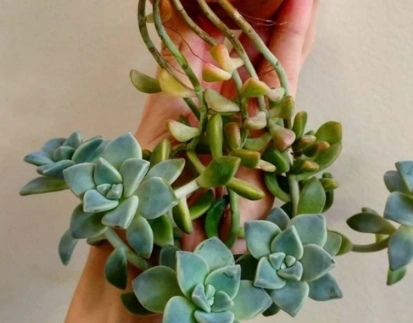
What Are the Most Common Succulent Problems and How to Fix Them
Let's diagnose the classics.
Mushy, Translucent Leaves (Overwatering/Root Rot): This is the big one. The leaves feel soft and wet, like a water balloon. The stem may be black or brown. Action: Stop watering immediately. Unpot the plant, remove all wet soil, and cut away any black, mushy roots and leaves with a sterile knife. Let the plant dry out (bare root) for a few days, then repot in fresh, dry succulent mix. Don't water for at least a week after repotting.
Shriveled, Wrinkled Leaves (Underwatering): The plant looks deflated, starting from the bottom leaves. They're dry and papery, not mushy. Action: Give it a thorough soak. The leaves should plump back up in 1-3 days. If they don't, the roots may be dead from prolonged drought, and you might need to propagate from healthy upper leaves.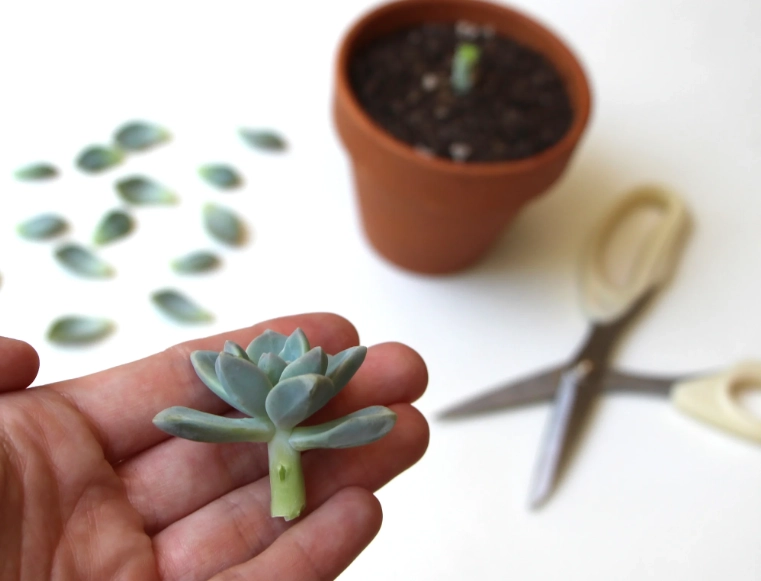
Stretching / Etiolation (Insufficient Light): The plant is reaching for the sun. Action: Gradually move it to a brighter location. You can't fix the stretched part, but new growth will be compact. For a severe case, you can behead the plant—cut the top rosette off, let it callous, and replant it. The old stem may produce new offsets.
Pests (Mealybugs, Scale): Look for white, cottony fluff (mealybugs) or small, brown bumps (scale). Action: Isolate the plant. Dab pests with a cotton swab dipped in 70% isopropyl alcohol. For larger infestations, spray the plant with a mixture of water, a few drops of dish soap, and neem oil. Repeat weekly.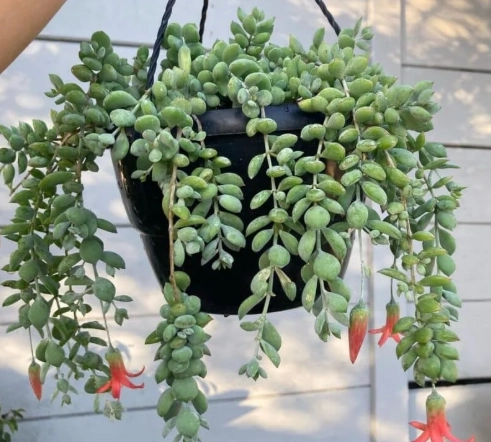
Your Succulent Care Questions, Answered by Experience
Why are the bottom leaves of my succulent turning yellow and falling off?
A few yellowing bottom leaves is normal as the plant grows and reabsorbs nutrients from its oldest leaves. They'll dry up and fall off cleanly. However, if multiple leaves are turning yellow, mushy, and falling off rapidly, it's the classic sign of overwatering. Check your soil and watering frequency immediately.
How often should I fertilize my succulent?
Less than you think. I fertilize only during the active growing season (spring and summer), and I use a balanced, water-soluble fertilizer diluted to half or even quarter strength. Maybe once a month at most. Over-fertilizing leads to weak, leggy growth and can burn the roots. In fall and winter, don't fertilize at all.
Can I grow succulents in an office with only fluorescent lights?
It's a challenge, but possible with the right plant and setup. Haworthias, Snake Plants, and some low-light tolerant Gasterias are your best bet. They'll survive, but likely won't thrive or show much growth. For other sun-loving succulents, you'll need a dedicated grow light placed close to the plant (within 6-12 inches) for 10-12 hours a day to prevent etiolation.
What's the easiest way to propagate succulents?
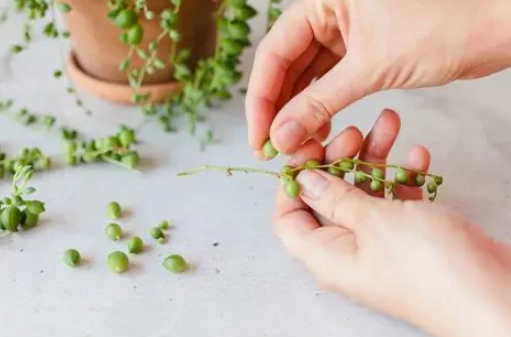
Leaf propagation is the most satisfying. Gently twist a healthy, plump leaf from the stem, ensuring you get the whole base. Let it sit out in bright, indirect light for 3-7 days until a callus forms over the broken end. Then, just place it on top of dry succulent soil. Mist the soil very lightly every few days only once you see tiny pink roots or a baby rosette forming. The biggest mistake is watering too soon—the parent leaf provides all the moisture the baby needs.
My succulent has a white, powdery coating on the leaves. Is that bad?
Not necessarily! Many succulents, like Echeveria 'Lola' or some Graptoveria, naturally produce a powdery coating called farina. It's a protective sunscreen and should be preserved. Try not to touch those leaves, as the farina doesn't grow back. If the powder is patchy, in webs, or accompanied by insects, it could be powdery mildew or pests, which is a problem.
Ultimately, caring for succulents teaches you patience and observation. Throw out the calendar-based care sheet. Learn to read your plant's subtle cues—the slight give of a leaf, the color of the soil deep in the pot, the angle of the stems. Start with one or two easy varieties, master their rhythm, and you'll find a deeply rewarding hobby that brings a little bit of resilient, sculptural nature into your home.

Comments