Jump to What You Need
I've been growing water bamboo plants for over a decade, and let me tell you, most guides out there miss the mark. They repeat the same basics—use filtered water, avoid direct sun—but don't explain why your plant still turns yellow or stops growing. Water bamboo, often sold as lucky bamboo (Dracaena sanderiana), isn't actually bamboo but a tropical plant that thrives in water. It's popular for indoor spaces because it's low-maintenance, but that reputation leads to neglect. In this guide, I'll share insights from my own trials and errors, covering everything from water quality nuances to lighting tricks that most beginners overlook.
What Exactly Is a Water Bamboo Plant?
Water bamboo plant typically refers to plants grown hydroponically in water, with lucky bamboo being the most common. It's native to Central Africa and belongs to the Dracaena family, not true bamboo. People love it for its sleek stalks and lush green leaves, often used in feng shui for good luck. But here's a non-consensus point: many assume it's foolproof, but I've seen more die from overcare than undercare. For instance, using tap water with high chlorine can slowly poison the roots, something most articles gloss over. According to the American Horticultural Society, hydroponic plants like this require specific mineral balances, which tap water often lacks. So, if you're starting, don't just plop it in a vase—think about the water source from day one.
Essential Care Tips for Water Bamboo Plants
Getting water bamboo care right isn't rocket science, but it demands attention to detail. Most guides list requirements, but I'll break down why each matters based on my hands-on experience.
Lighting: The Biggest Misconception
You'll hear "indirect light" everywhere, but what does that mean? In my apartment, I placed a water bamboo near a north-facing window, and it grew sluggishly. Moved it to an east-facing spot with morning sun, and boom—new shoots appeared within weeks. Indirect light means bright but no harsh midday sun. Too little light, and the leaves stretch out, looking pale. Too much, and they scorch. A tip: rotate the vase every few weeks to ensure even growth. I learned this after one side of my plant started leaning toward the light source.
Water Quality and Change Frequency
This is where most people mess up. Using tap water is fine if you let it sit overnight to evaporate chlorine, but in areas with hard water, minerals build up and cause leaf tips to brown. I switched to distilled water and saw a dramatic improvement. Change the water every two weeks, but don't just top it off—empty the vase, rinse the roots gently, and refill. Here's a table summarizing key care aspects based on my experiments:
| Aspect | Ideal Condition | Common Mistake | My Recommendation |
|---|---|---|---|
| Light | Bright, indirect light (east-facing window) | Placing in dark corners or direct afternoon sun | Use a sheer curtain for south-facing windows |
| Water Type | Filtered or distilled water, room temperature | Using cold tap water directly | Let water sit for 24 hours before use |
| Water Change | Every 2 weeks, with root rinsing | Changing water too often or not at all | Set a calendar reminder |
| Fertilizer | Liquid fertilizer diluted to half strength, monthly | Over-fertilizing, causing root burn | Use a hydroponic-specific fertilizer |
| Temperature | 65-75°F (18-24°C) | Exposing to drafts or heating vents | Keep away from AC units |
Fertilizing is another overlooked area. Most water bamboo plants come without nutrients in the water, so they starve over time. I use a balanced liquid fertilizer, but only during growing season (spring to summer). In winter, skip it—the plant is dormant. I once added too much, and the leaves turned yellow almost overnight. Lesson learned: less is more.
Common Problems and How to Fix Them
If your water bamboo is struggling, don't panic. I've faced every issue imaginable. Let's tackle the top three.
Yellow Leaves: This is the number one complaint. Often, it's due to water quality or over-fertilizing. But here's a subtle error: yellowing starting from the bottom might mean old age, but if it's on new growth, check for chlorine or fluoride in water. I had a plant that yellowed despite using filtered water—turned out the filter wasn't removing fluoride. Switching to distilled water fixed it within a month.
Root Rot: If the roots turn brown and mushy, you're overwatering or the water is stagnant. Yes, it's in water, but roots need oxygen. I add a few pebbles to the vase to elevate the stalks, allowing air circulation. Also, ensure the vase isn't too deep; roots should be submerged but not crowded.
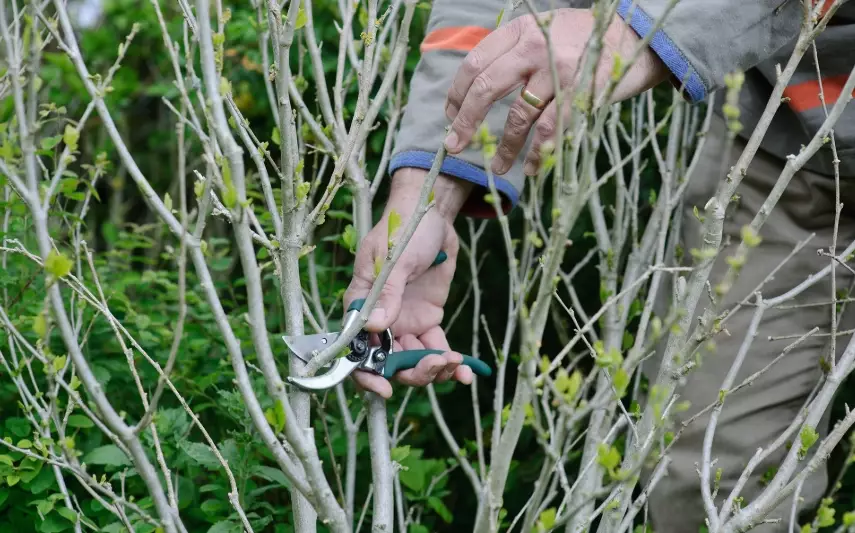
Stunted Growth: No new shoots? It's usually light or nutrient-related. I moved a sluggish plant to a brighter spot and gave it a weak fertilizer dose—it perked up in two weeks. Another trick: trim the tops occasionally to encourage branching. Most guides say not to prune, but I've found light trimming stimulates growth.
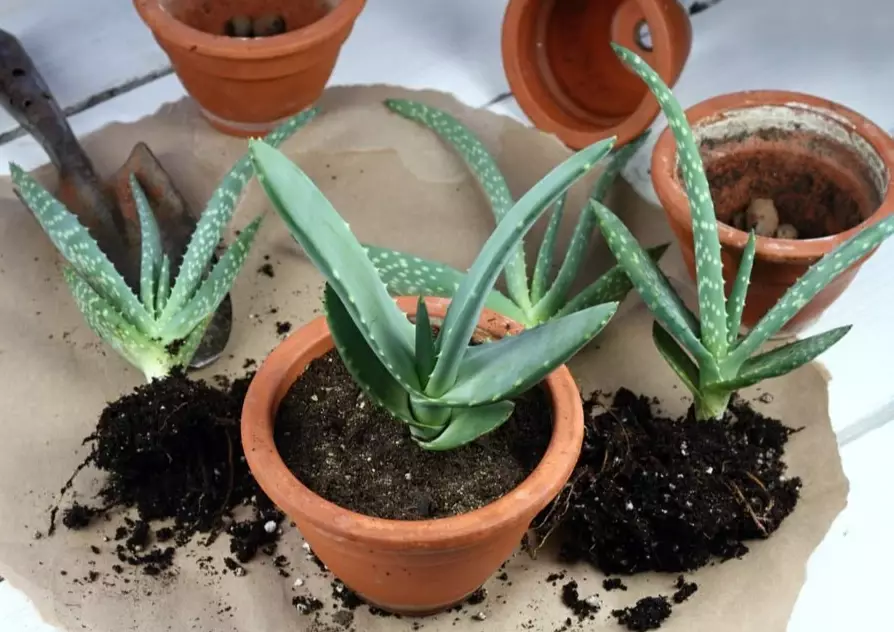
Personal rant: I hate when stores sell water bamboo in those tiny containers with colored gels. It looks cute but suffocates the roots. If you buy one, repot it into a clean vase with fresh water ASAP. I learned this the hard way after losing a gifted plant to mold.
My Personal Experience with Water Bamboo
Let me share a story. Five years ago, I bought a water bamboo from a local nursery. It was thriving until I went on vacation and left it with a friend who overwatered it by topping off the vase daily. Came back to yellow, drooping leaves. I had to cut off the rotten parts, change the water, and place it in indirect light. It recovered slowly, but it taught me that even "easy" plants need consistent care. Now, I use a simple system: a clear glass vase so I can monitor root health, and I mark water levels with a sticker to avoid overfilling.
Another case: I experimented with different water types—tap, filtered, rainwater. Rainwater worked best, but it's not practical for everyone. Filtered water is a close second. Tap water? Only if you're in a soft-water area. This hands-on testing is something you won't find in generic articles.
Your Water Bamboo Questions Answered
Water bamboo plants are more than just decor—they're a lesson in patience and observation. By focusing on water quality, light, and minimal intervention, you can enjoy a healthy plant for years. Remember, every plant has its quirks; learn from yours. For more authoritative info, refer to resources like the Royal Horticultural Society's guides on hydroponic gardening. Now, go check your plant's water—it might need a refresh!
Comments