You bought a bougainvillea, or as it's known in many Spanish-speaking regions, a trinitaria plant, dreaming of a cascade of fiery magenta or vibrant orange. Instead, you got a leggy, green bush that hasn't produced a single colorful bract in months. Sound familiar? I've been there. For over a decade, I've grown these stunning vines, made every mistake in the book, and learned what truly makes them thrive—not just survive. This isn't a rehash of generic plant tips. This is the guide I wish I had when I killed my first two bougainvilleas by being too nice to them.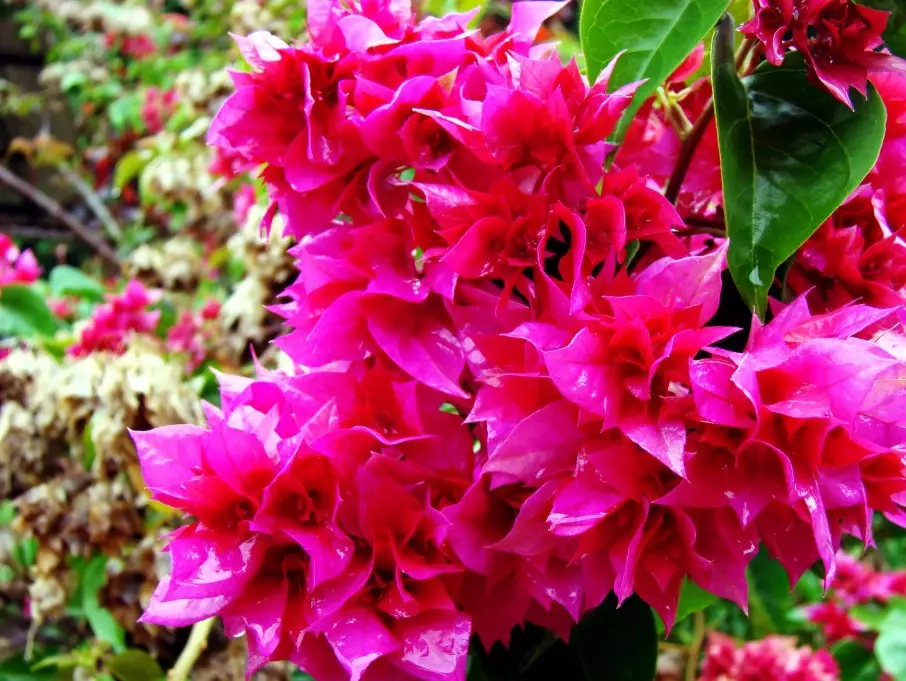
Your Quick Path to Bougainvillea Success
- What Exactly Is a Bougainvillea (Trinitaria)?
- The 4 Non-Negotiables for Bougainvillea Care
- Your Step-by-Step Bougainvillea Growing Guide
- Pruning and Shaping: From Bush to Blooming Beast
- Troubleshooting: Fixing Yellow Leaves and No Blooms
- Choosing Your Bougainvillea: A Quick Variety Guide
- Bougainvillea Questions Answered (The Real Stuff)
What Exactly Is a Bougainvillea (Trinitaria)?
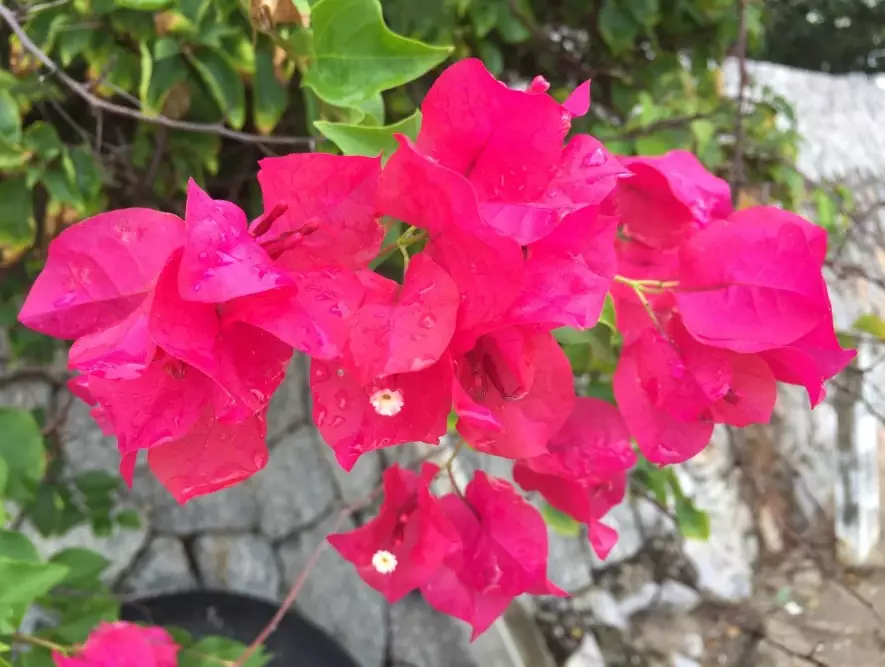
Let's clear something up first. The colorful parts everyone admires? Those aren't flowers. They're papery bracts—modified leaves that surround the tiny, inconspicuous true flower at the center. This is a key insight. The plant puts energy into these showy bracts to attract pollinators to its actual flowers. It's a native of South America, thriving in hot, dry, sunny climates from Brazil to Peru. When you understand its origins, its care needs start to make perfect, if somewhat brutal, sense. It's not a delicate tropical fern; it's a sun-worshipping, drought-tolerant survivor.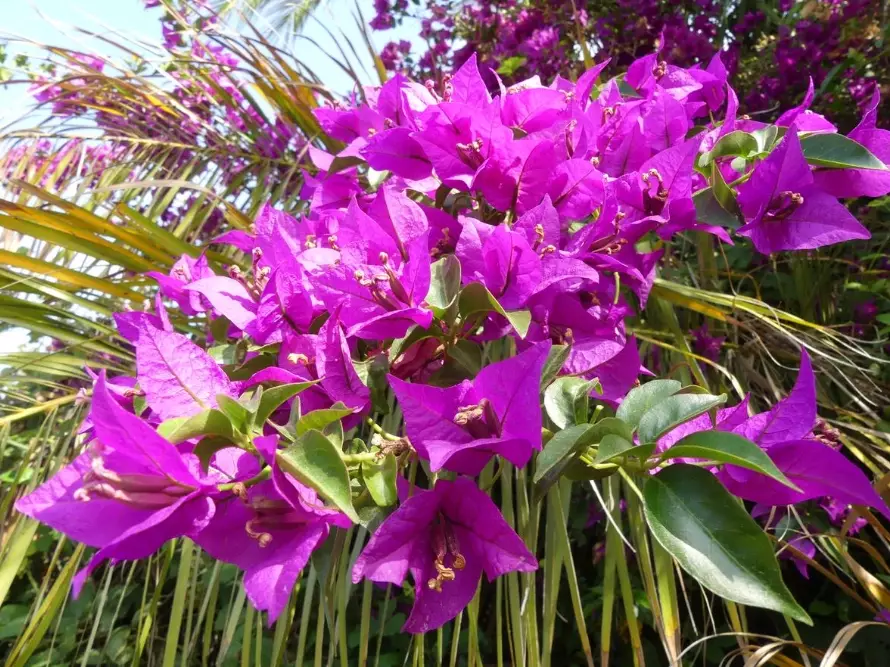
My First Big Mistake: I treated my initial bougainvillea like a peace lily, keeping the soil consistently moist and placing it in bright, indirect light. It grew long, weak stems with huge gaps between leaves (a condition called etiolation) and never bloomed. It was a classic case of loving a plant to death with the wrong kind of attention.
The 4 Non-Negotiables for Bougainvillea Care
Get these four things right, and 90% of your problems disappear. Fail at one, and the plant will protest.
1. Maximum Sunlight: There's No Such Thing as Too Much
Bougainvillea needs a minimum of 6 hours of direct, unfiltered sunlight daily. 8+ hours is ideal. A south-facing wall, patio, or window is perfect. If you're growing indoors, a south-facing window is the only viable option. East or west might keep it alive, but it will rarely bloom with gusto. North? Forget it. The light intensity directly fuels the production of those colorful bracts. Think of sunlight as the plant's primary food source for flowering.
2. The "Tough Love" Watering Schedule
This is where most people fail. Bougainvillea prefers to dry out completely between waterings. Stick your finger into the soil up to the second knuckle. If it feels even slightly damp, wait. When you do water, do it deeply until water runs freely from the drainage holes, then let it all drain away. No soggy saucers. In winter, watering might be as infrequent as once every 3-4 weeks for indoor plants. Overwatering is the fastest route to root rot, yellow leaves, and a bloom strike.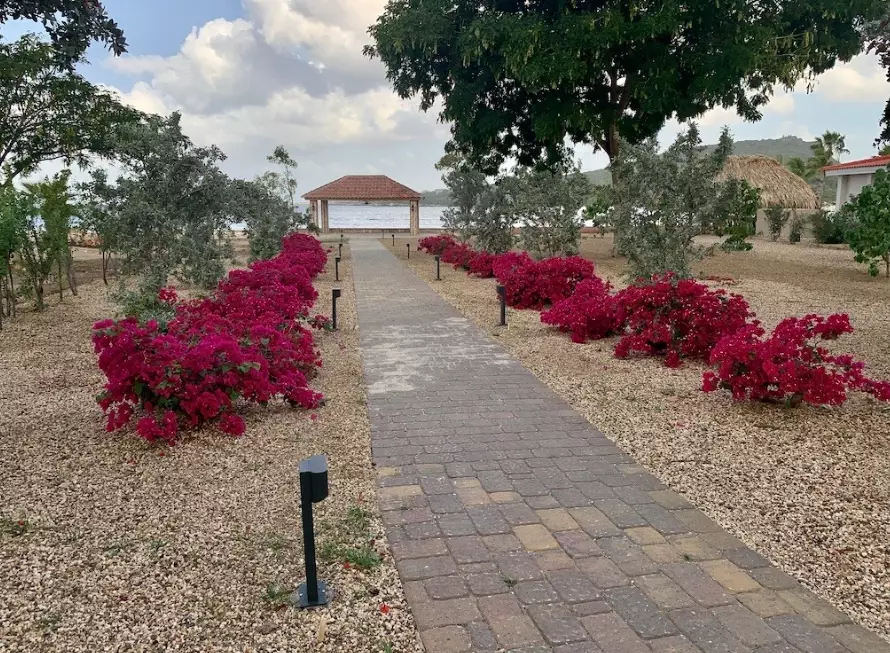
3. Well-Draining Soil is a Matter of Life and Death
Heavy, moisture-retentive potting soil is a death sentence. You need a mix that drains rapidly. A standard cactus/succulent mix works well. For an even better mix, I combine:
- 2 parts high-quality potting soil
- 1 part perlite or pumice
- 1 part coarse sand or orchid bark
This creates an airy, fast-draining environment that mimics its natural habitat.
4. Strategic, Not Heavy, Feeding
Bougainvillea aren't heavy feeders, but they do need the right nutrients to bloom. Use a fertilizer with a higher potassium (K) and phosphorus (P) content than nitrogen (N). Look for a ratio like 1-2-2 or 2-3-3. A bloom booster fertilizer works great. Feed every 2-4 weeks during the active growing season (spring to early fall). Stop feeding in late fall and winter. Too much nitrogen gives you a lush green bush with zero color.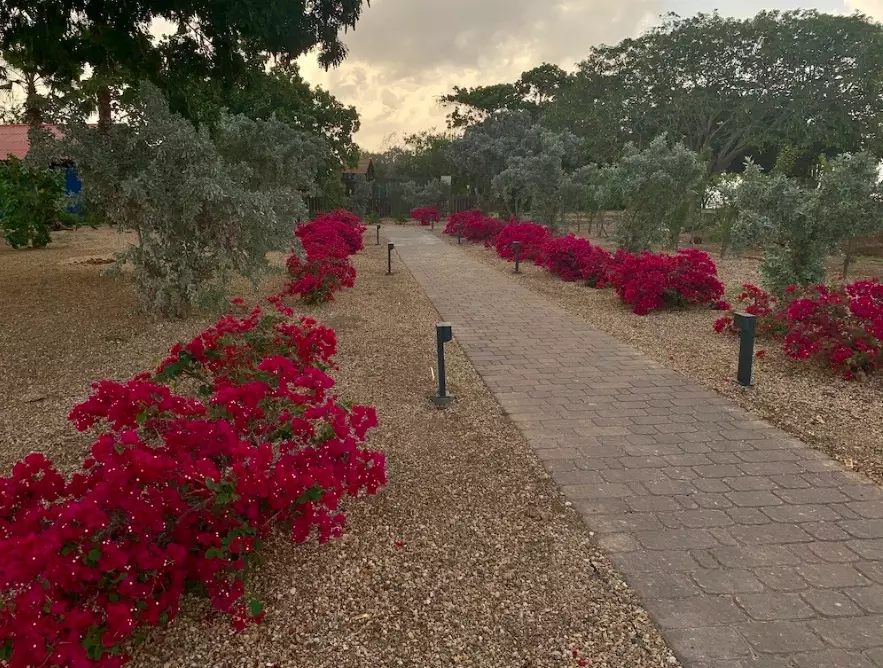
Your Step-by-Step Bougainvillea Growing Guide
Let's walk through a typical scenario: you just brought home a potted bougainvillea from the nursery.
Week 1-2: The Acclimation Period. Even if it was in full sun at the nursery, give it a few days in its new spot. Watch for leaf drop—a common stress response. Don't panic and overwater. Just maintain the dry cycle.
Ongoing Care Routine:
- Morning Check: Feel the soil. Water only if bone dry.
- Weekly Rotate: If in a pot, give it a quarter turn to ensure even growth.
- Bi-Weekly Feed: During growth season, apply your bloom-booster fertilizer at half-strength to avoid burn.
- Monthly Inspection: Look under leaves for pests (aphids, spider mites). A quick blast from the hose or insecticidal soap handles most issues.
Pruning and Shaping: From Bush to Blooming Beast
Pruning is essential, not optional. It controls size, encourages branching (more branches = more bloom sites), and triggers flowering. The golden rule: Bougainvillea blooms on new growth.
When to Prune: The best time is right after a flush of blooms starts to fade, or in early spring before the main growth surge.
How to Prune for More Blooms:
- Don't just nip the tips. Make decisive cuts to shorten long, leggy stems by one-third to one-half.
- Always cut just above a leaf node or a junction where a smaller stem meets a larger one.
- Remove any dead, weak, or crossing branches entirely to improve air circulation.
- After pruning, hold off on water for a few days, then resume your routine. The mild stress combined with the new growth points will often trigger a spectacular bloom cycle.
You can train it as a standard tree, a sprawling ground cover, or a climber on a trellis. For a trellis, loosely tie new, flexible shoots to the support. They will harden into position.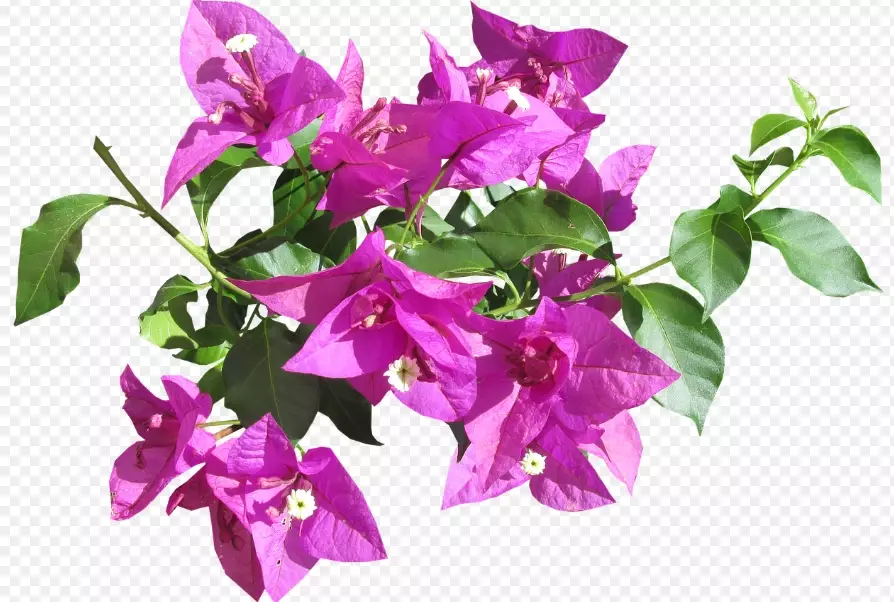
Troubleshooting: Fixing Yellow Leaves and No Blooms
| Symptom | Likely Cause | The Fix |
|---|---|---|
| Leaves turning yellow and dropping | Overwatering. Roots are suffocating. | Stop watering immediately. Let soil dry out completely. Check for root rot (brown, mushy roots). If present, prune rotten roots and repot in fresh, dry, well-draining mix. |
| Lots of green growth, zero blooms | 1. Not enough sun. 2. Too much nitrogen fertilizer. 3. Pot is too large. | Move to a sunnier location. Switch to a low-nitrogen, high-potassium fertilizer. Bougainvillea often bloom best when slightly root-bound; don't rush to repot into a much larger container. |
| Brown, crispy leaf edges | Underwatering, or more commonly, salt buildup from fertilizer/tap water. | Ensure deep watering when dry. Every few months, water deeply to "flush" the soil, letting water run through the pot for several minutes to leach out excess salts. |
| Sudden leaf drop | Environmental shock (move to new location, temperature drop), or a drastic change in watering. | Don't overreact. Ensure consistent care, avoid drafts (especially cold AC vents), and the plant will usually releaf if the stems are still green and pliable. |
Choosing Your Bougainvillea: A Quick Variety Guide
Not all bougainvilleas are created equal. Some are monsters, others are more manageable. Here are a few top picks for different needs:
- Bougainvillea 'Barbara Karst': The classic. Vigorous, with deep magenta bracts. Great for covering a large wall or fence fast.
- Bougainvillea 'Miss Alice' (White): A semi-dwarf, thornless variety with white bracts. Much more manageable in containers and small spaces.
- Bougainvillea 'Raspberry Ice': Beautiful variegated green and white foliage with pink bracts. Slightly less vigorous, stunning visual interest even out of bloom.
- Bougainvillea 'Vera Deep Purple': Incredibly vibrant, almost neon purple bracts. A real show-stopper.
For container growing, seek out "dwarf" or "semi-dwarf" varieties. Your local nursery or a reputable online specialist like Monrovia will have good selections suited to your climate.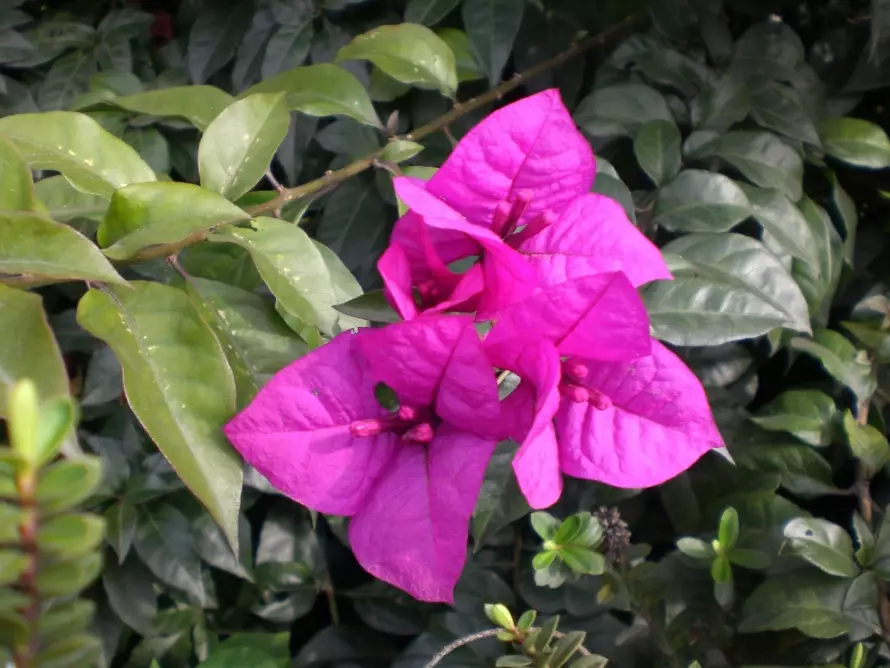
Bougainvillea Questions Answered (The Real Stuff)
 I'm terrified to repot my bougainvillea. Any tips to avoid killing it?
Comments