You planted the seeds with care, watched the first sprouts emerge, and now your watermelon vine is spreading. But instead of lush, green leaves, you're staring at yellow patches, weird spots, or maybe leaves that look like they've been through a paper shredder. I've been there. For over a decade, I've grown watermelons from the sandy soils of the South to container gardens on a balcony, and I can tell you this: the leaves are the plant's dashboard. Every discoloration, curl, and spot is a diagnostic code.
Most guides just list problems. They'll say "yellow leaves mean overwatering" and move on. It's rarely that simple. The real skill is in the pattern recognition—where the yellowing starts, the texture of the spot, the time of season. This guide is different. We're going to move beyond the basic list and into the nuanced art of reading your watermelon's leaves, so you can fix issues before they cost you the entire harvest.
What's Inside: Your Quick Navigation
Why Your Watermelon's Leaves Are Its Most Important Part
Think of leaves as the solar panels and the factory floor. They capture sunlight (photosynthesis) to create the sugars that sweeten your fruit. A struggling leaf means less energy for those melons to grow big and sweet. But they're also the first line of defense, showing stress from watering issues, nutrient deficiencies, or insect attacks long before the fruit is affected.
Here's a nuance most beginners miss: the older leaves (closer to the base) and the newer leaves (at the vine tips) tell different stories. Problems showing up on older leaves often point to mobile nutrient issues or systemic stress. Issues on new growth? That's frequently about immobile nutrients or recent environmental changes. We'll use this clue throughout the diagnosis.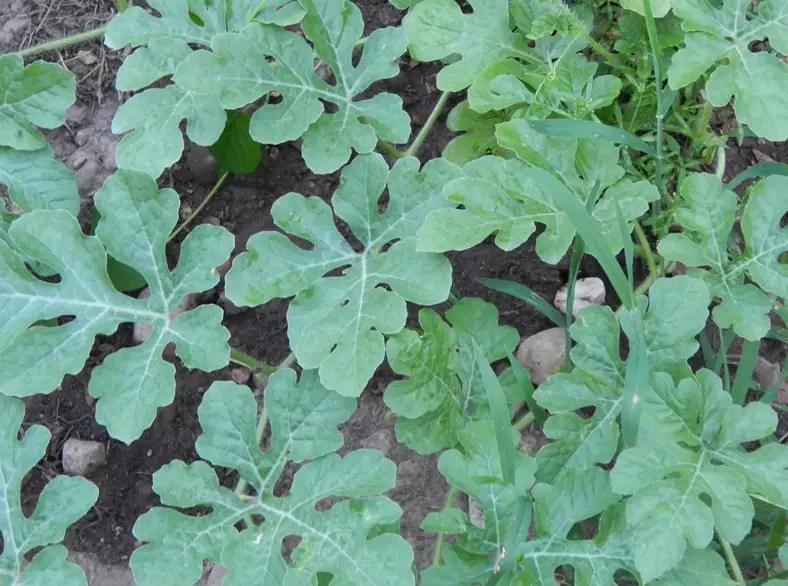
The Watermelon Leaf Problem Solver: A Visual Diagnosis Guide
Don't just panic when you see a problem. Stop and observe. Take a picture if you need to. Match what you see to the patterns below. This table is your first stop for triage.
| What You See on the Leaves | Most Likely Culprit(s) | Immediate Action & Deeper Fix |
|---|---|---|
| Yellowing between veins, starting on older leaves. Veins stay green. | Magnesium Deficiency. Very common in sandy, acidic, or heavily fruiting plants. | Foliar spray with Epsom salt solution (1 tbsp/gallon). Long-term, add compost or dolomitic lime to soil. |
| Uniform yellowing of older leaves, moving up the plant. | Nitrogen Deficiency. Plant is cannibalizing old leaves to feed new growth. | Side-dress with a balanced, slow-release fertilizer. Avoid high-nitrogen blends late in season—they promote leaf over fruit. |
That table gets you 80% of the way. But let's talk about the other 20%—the subtle mistakes. The biggest one I see is people treating a symptom without confirming the cause. They see yellow leaves and drown the plant in fertilizer, when the real problem is compacted soil drowning the roots. Always check soil moisture a few inches down before you do anything else.
My Personal Rule: When in doubt, wait a day and observe. Is the problem spreading? Is it following a pattern (from old to new leaves, from the base outward)? A single damaged leaf might be physical damage. A spreading pattern is a systemic issue. This patience has saved me from overreacting more times than I can count.
The Proactive Care Guide: Keeping Leaves Healthy From the Start
Diagnosis is reactive. Let's be proactive. Healthy leaves start with getting the fundamentals right, and there are a few non-negotiable practices that most generic guides gloss over.
Soil & Planting: The Foundation Most People Get Wrong
Watermelons need warm soil, not just warm air. Planting too early in cool, wet soil is an invitation for root rot and stunted growth that shows up in the leaves weeks later. Wait until soil is consistently above 70°F (21°C).
They also crave space and deeply worked soil. A common error is not amending the planting hole deeply enough. Don't just toss compost on the surface. Dig a hole at least 12 inches deep and wide, mix in generous amounts of well-rotted compost and a handful of balanced organic fertilizer. This creates a reservoir of nutrients and loose soil for roots to explore, which translates directly to resilient leaves.
Watering: The Delicate Balance
The mantra "deep and infrequent" is correct, but the timing is critical. Water in the morning. This gives leaves time to dry, drastically reducing fungal disease risk. Evening watering leaves the plant damp all night—a paradise for mildew and blight.
How deep is deep? After watering, the soil should be moist 6-8 inches down. Use a trowel or your finger to check. As fruit matures, you can slightly reduce water to concentrate sugars, but never let the plant wilt severely. A wilted plant is a stressed plant, and stress shows in the leaves first.
Nutrition: Feeding the Leaves to Feed the Fruit
Watermelons are heavy feeders, but their needs change. Early on, they want nitrogen for vine and leaf growth. Once flowers appear and fruit sets, they need more phosphorus and potassium. A mistake is using the same high-nitrogen fertilizer (like one for lawns) all season. You'll get a monstrous vine with few flowers.
I follow a simple schedule: balanced fertilizer at planting, a side-dressing of compost when vines start to run, and a potassium-rich feed (like kelp meal) when fruits are baseball-sized. This staged approach supports leaf health at every phase without sacrificing fruit production.
Your Top Watermelon Leaf Questions, Answered
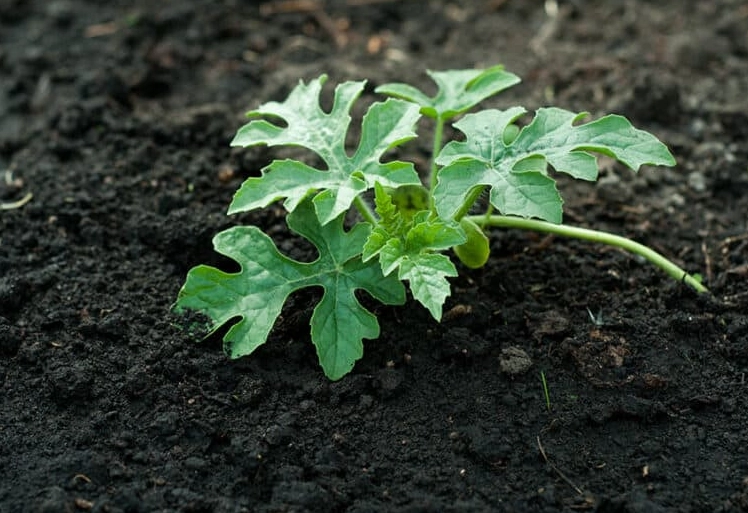 The final word? Your watermelon leaves are the most honest part of your garden. They don't hide problems. Learning their language—the difference between a nutrient plea, a disease warning, and just natural aging—is what separates a hopeful gardener from a successful one. Start with the soil, be consistent with water, observe the patterns, and you'll spend less time diagnosing problems and more time enjoying the incredible sight of a thriving, leafy vine heavy with sweet, homegrown fruit.



Comments