You brought home a cute little succulent. It looked plump and happy. You gave it a drink a week later, just like the tag said. Now it's mushy, or maybe it's shriveled into a raisin. What went wrong? The single biggest killer of succulents isn't neglect—it's kindness in the form of too much water. The question "how much water do succulents need" has a simple answer that's incredibly hard to execute: a lot, but very infrequently. Getting it wrong means the difference between a thriving plant and a pile of goo. Let's break down exactly how to nail it.
What You'll Learn Inside
- The One Watering Rule Every Succulent Owner Must Know
- What Your Succulent is Trying to Tell You: Signs of Thirst and Drowning
- Why a Weekly Watering Schedule is a Myth (And What to Do Instead)
- How Your Pot and Soil Change the Game
- Watering Through the Seasons: Summer Sizzle vs. Winter Sleep
- Watering Different Types of Succulents: A Quick Comparison
- Your Top Succulent Watering Questions, Answered
The One Watering Rule Every Succulent Owner Must Know
Forget everything you've heard about teaspoons or misting. The golden rule for succulent watering is the Soak and Dry Method.
Here's what that means in practice: you water the plant so thoroughly that water runs freely out of the drainage hole at the bottom of the pot. You're simulating a rare, heavy desert downpour. Then, you walk away. You do not water again until the soil is completely dry all the way through. I mean bone-dry. Stick your finger deep into the soil, or use a wooden chopstick. If it comes out with any dampness or soil sticking to it, wait.
The Soak and Dry Method in a Nutshell: Water deeply until it drains out the bottom. Then allow ALL the soil to dry out completely before even thinking about watering again. The drying-out period is non-negotiable.
This cycle of feast and famine is what their roots are built for. A light sprinkle only wets the topsoil, encouraging roots to stay shallow and weak. A deep soak promotes strong, deep roots that anchor the plant and make it more resilient.
What Your Succulent is Trying to Tell You: Signs of Thirst and Drowning
Plants don't talk, but they communicate. Learning their language saves lives. Let's look at the symptoms.
Signs You're Overwatering (The Silent Killer)
This is the most common mistake. The signs are subtle at first.
- Translucent, Mushy Leaves: The leaf feels soft and looks see-through, like a water balloon. It might yellow before turning translucent. This is cell rupture from too much water.
- Black or Brown Stems/Roots: Root rot. The stem base or roots turn dark and mushy. It often smells bad. This is an advanced stage.
- Leaves Falling Off at a Touch: A healthy succulent holds its leaves firmly. If plump leaves drop with barely a nudge, it's usually overwatering.
Subtle Mistake Alert: Many people see a leaf drop and think "it needs water!" and water more, sealing its fate. If the dropping leaf is plump and mushy, it's a sign of excess water, not a lack of it.
Signs You're Underwatering (The Easier Fix)
Succulents are built for drought, so they handle this better. Recovery is usually straightforward.
- Wrinkled, Shrivelled Leaves: The leaves look deflated and have wrinkles, especially on the underside. They feel thin and leathery, not firm and plump.
- Dry, Crispy Leaves on the Bottom: It's normal for the very bottom leaves to dry up and fall off as the plant grows. But if many leaves, especially higher up, are turning crispy brown, it's thirsty.
- Stunted Growth: In the growing season, a complete lack of new growth can signal the plant is conserving every drop.
A good test? Gently squeeze a leaf. A well-watered succulent leaf feels firm like a fresh grape. An underwatered one feels soft like a raisin.
Why a Weekly Watering Schedule is a Myth (And What to Do Instead)
"Water every 7-10 days" is the worst advice on most plant tags. It's a guess. Your watering frequency depends on a dozen factors: humidity, temperature, light, pot material, soil mix, plant size, and season.
In my sun-drenched Arizona patio, a small succulent in terracotta might need water every 5 days in summer. The same plant in a Seattle bathroom with a ceramic pot might go 3 weeks. See the problem with a schedule?
Ditch the calendar. Your cue to water should always be the condition of the soil, not the day of the week. Check the soil weekly, but only water when it's dry.
How Your Pot and Soil Change the Game
This is where most guides stop, but it's crucial. Your watering technique is only half the equation. The pot and soil manage the moisture between waterings.
The Right Pot: Drainage is Everything
Non-negotiable: A drainage hole. No hole, no succulent. It's that simple. Standing water at the bottom is a death sentence.
- Terracotta/Clay Pots: The gold standard. They're porous, allowing water to evaporate through the sides. They dry out faster, making overwatering harder. Best for beginners or humid climates.
- Ceramic/Glazed Pots: Beautiful but less forgiving. Water only evaporates from the soil surface. You must be more diligent about checking soil dryness.
- Plastic Pots: Retain moisture the longest. Great for very dry climates or if you tend to underwater. Risky if you're heavy-handed with the watering can.
The Right Soil: It's All About the Grit
Bagged "cactus and succulent" soil from the big box store is often still too rich and moisture-retentive. I always amend it.
My go-to mix: 50% bagged cactus soil, 50% perlite or pumice. The perlite/pumice adds grit, creating air pockets and dramatically improving drainage. It feels crunchy, not dense. This mix ensures that after a deep soak, the soil can actually dry out completely in a reasonable time.
Watering Through the Seasons: Summer Sizzle vs. Winter Sleep
Succulents have active growing seasons (usually spring and fall) and dormant periods (usually peak summer heat for some, and winter for most).
| Season | Plant Status | Watering Approach | Key Action |
|---|---|---|---|
| Spring & Fall | Active Growth | Water more frequently. This is when you'll follow the soak and dry method most actively. The soil will dry faster as the plant drinks more. | Fertilize lightly if desired. |
| Summer (Very Hot) | Heat Dormancy (Some types) | Some succulents (like many Aeoniums) slow down in extreme heat. Water deeply but extend the dry period further. Watch for signs of thirst. | Provide afternoon shade to prevent scorch. |
| Winter | Dormancy | Water much less frequently. The plant is barely using water. You might only water once a month or even less if it's cool and dark. Let the soil stay dry for much longer. | Protect from frost. Hold off on fertilizer. |
During dormancy, the risk of overwatering skyrockets because the wet soil just sits there with cold roots that aren't absorbing it.
Watering Different Types of Succulents: A Quick Comparison
Not all succulents are identical. Here's a quick look at some common categories.
Echeverias, Graptopetalums, Sedums: Your classic rosette shapes. They follow the standard soak and dry rule perfectly. Avoid getting water in the rosette center to prevent rot.
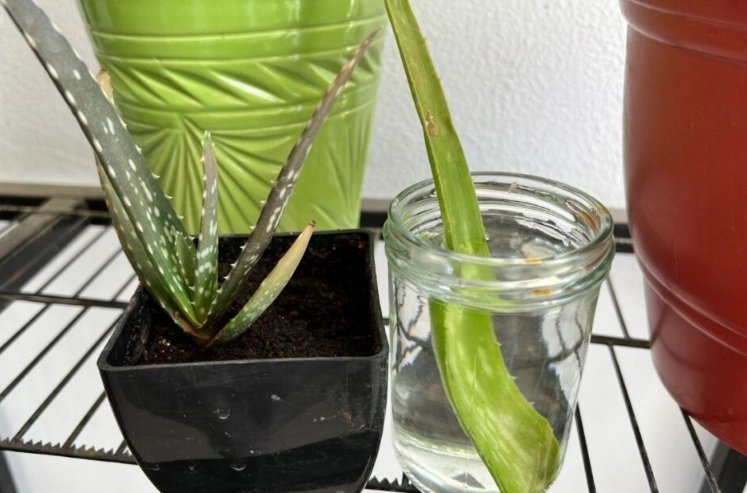
Aloes and Haworthias: Slightly more tolerant of occasional moisture but still need the soil to dry out. Their leaves will thin and curl inward when thirsty.
String of Pearls/Hearts/Bananas: These trailing succulents are more sensitive to overwatering. Wait until the pearls feel slightly soft and the "window" on them shrinks before a deep water. They often need less water than you think.
Cacti: Treat them like the ultimate drought-lovers. Especially in winter, they can go months without water. When in doubt, wait another week.
Your Top Succulent Watering Questions, Answered
My succulent leaves are wrinkly. Does that mean it needs water?
Usually, yes, that's the classic sign of thirst. But check the soil first. If the soil is sopping wet and the leaves are wrinkly and mushy, it's a sign of root rot from overwatering—the roots are dead and can't take up water, so the plant shows thirst symptoms even though it's drowning. If the soil is bone dry and the leaves are wrinkled and dry/crispy, give it a deep soak.
Should I water my succulents from the top or bottom?
Top watering is fine and helps flush out mineral salts. Just avoid pouring water directly into the center rosette. Bottom watering (setting the pot in a tray of water) is excellent for ensuring the entire root ball gets soaked and for avoiding top rot. It's my preferred method for established plants. Let the pot sit in water for 15-30 minutes, then remove and let it drain completely. Don't leave it sitting in water.
How do I know for sure the soil is dry all the way through?
Finger test is okay, but for deeper pots, use a wooden skewer or chopstick. Push it all the way to the bottom, leave it for a minute, and pull it out. If it comes out clean and dry, with no soil sticking and no damp coolness, it's time to water. Moisture meters can be unreliable for gritty mixes. The weight of the pot is another clue—a dry pot is significantly lighter than a freshly watered one.
I overwatered my succulent. Can I save it?
If the stem is still firm, you have a chance. Immediately stop watering. Take the plant out of its pot and gently remove as much wet soil as possible from the roots. Inspect the roots—cut away any black, mushy ones with sterile scissors. Let the plant and its roots air dry on a paper towel for a day or two. Repot in fresh, dry, gritty mix. Don't water for at least a week to let any tiny root injuries callous over. Then resume the soak and dry method. If the stem is mushy and black, you might need to behead it above the rot and try to propagate the top.
Do I need to water my succulents less if I live in a humid climate?
Absolutely. High humidity slows down evaporation from the soil surface dramatically. In places like Florida or coastal regions, you might need to water half as often as someone in Arizona. This is why terracotta pots and extra-gritty soil are even more critical in humid areas—they help pull moisture away from the roots. Always let the soil be your guide, not the humidity outside, but know it will take longer to dry.
So, how much water do succulents need? They need a generous, infrequent drink that mimics their natural habitat. It's less about a specific amount and more about a cycle: saturate the root ball, then give it a long, complete drought. Master that rhythm by ignoring the calendar, using fast-draining soil and pots, and learning to read your plant's leaves. It turns a guessing game into a simple, mindful habit. Your succulents will reward you with tight, colorful growth instead of a slow, mushy decline.

Comments