You search "how often to water plants" and you get a list: "water every 7 days," "water twice a week." I'm here to tell you that's mostly wrong. Following a calendar is the fastest way to drown your plants. I learned this the hard way after killing a beautiful peace lily by being too diligent with my weekly watering can.
The real answer isn't a schedule. It's a skill. Watering frequency depends on a conversation between your plant, its pot, the soil, your home's light, and even the season. This guide will teach you how to listen.
What You'll Learn in This Guide
The One Golden Rule for Watering Any Plant
Forget days of the week. Your primary cue comes from the soil.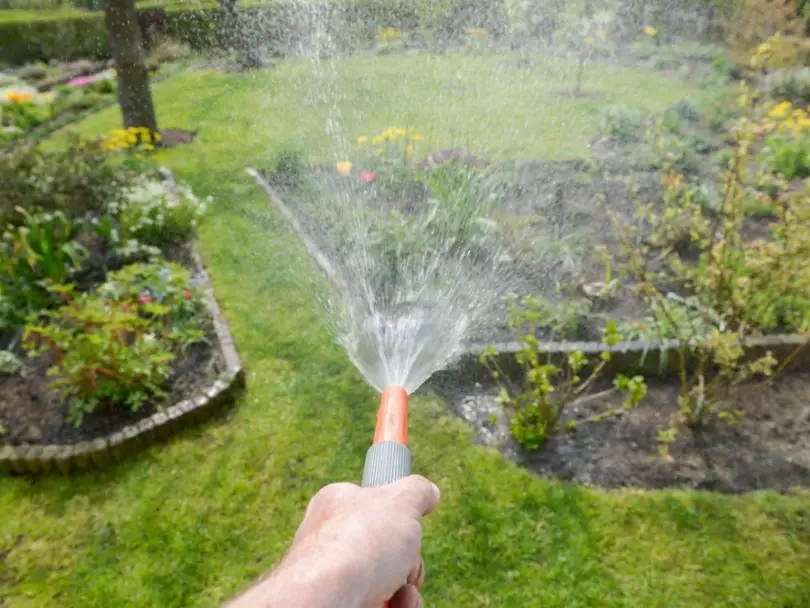
Check the soil moisture before you even think about watering. For most common houseplants, you want the top 1-2 inches of soil to feel dry to the touch. For succulents and cacti, you should let the soil dry out almost completely, sometimes all the way to the bottom of the pot.
How do you check? Stick your finger in the soil up to your first knuckle. If it feels cool and damp, wait. If it feels dry and crumbly, it's time. For deeper pots or plants you're unsure about, a wooden chopstick or a moisture meter (a simple tool you can get for under $15) is a game-changer. If the stick comes out clean, it's dry. If it has damp soil sticking to it, hold off.
My Personal Tip: I keep a jar of wooden skewers next to my plant shelf. Before my weekend plant check, I test a few of the "questionable" ones. It takes the guesswork out completely and has saved my fiddle leaf fig more than once.
The 5 Key Factors That Change How Often You Water
Why does your friend water her snake plant every three weeks, but yours needs water every two? These five variables are the reason.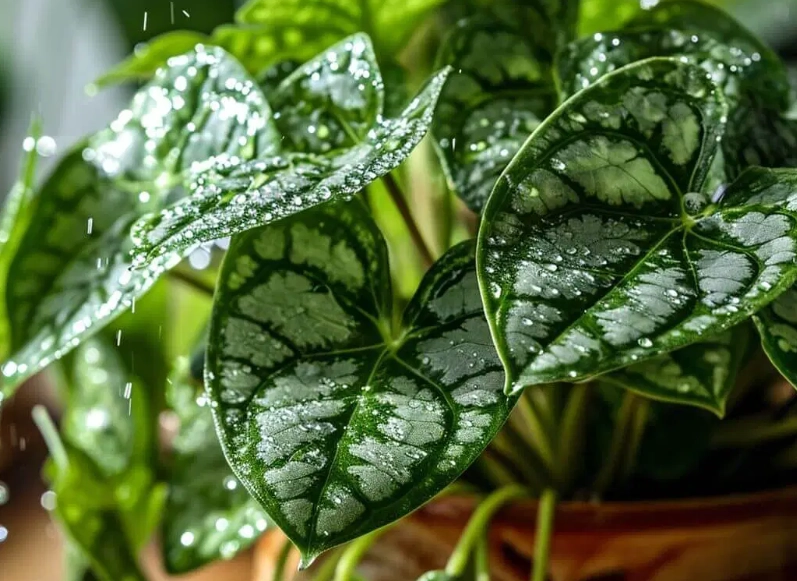
1. The Plant Itself (This is the Biggest One)
Plants have evolved in different environments. A cactus from the desert stores water in its tissues and needs infrequent, deep watering. A fern from a tropical rainforest likes consistently moist (not soggy) soil. You have to know your plant's origin story. A Monstera and a String of Pearls live in the same room but have wildly different thirst levels.
2. Light Exposure
More light = more photosynthesis = more water used. A plant in a bright, south-facing window will dry out its soil much faster than the same plant in a dim corner. If you move a plant to a sunnier spot, be prepared to water it more often. In winter, when light levels drop, most plants enter a slower growth phase and need less frequent watering.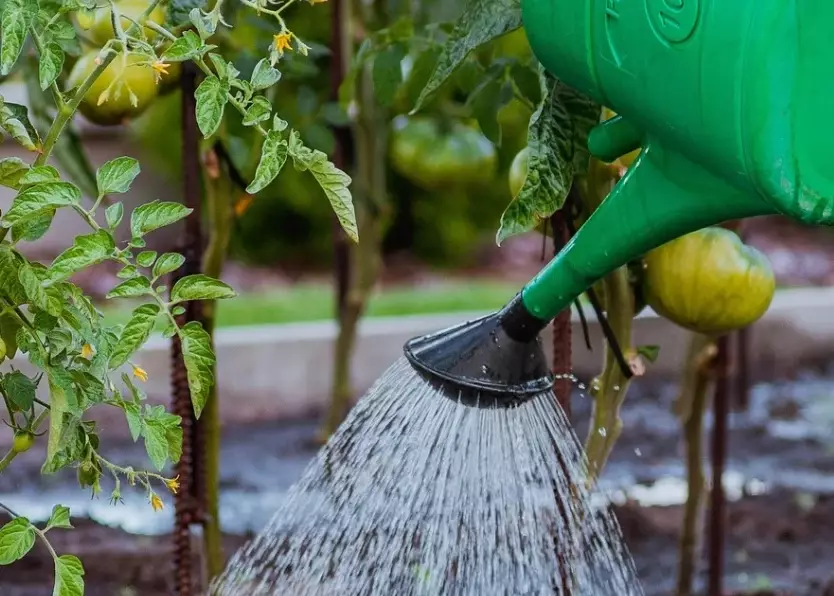
3. Pot Size and Material
This is a huge one that beginners miss. A small pot dries out incredibly fast. A large pot holds moisture for much longer, risking root rot if you water on a schedule. Material matters too. Terracotta pots are porous and "breathe," allowing water to evaporate through the sides. Plastic or glazed ceramic pots retain moisture. A plant in terracotta might need watering twice as often as the same plant in a plastic pot.
4. Soil Mix
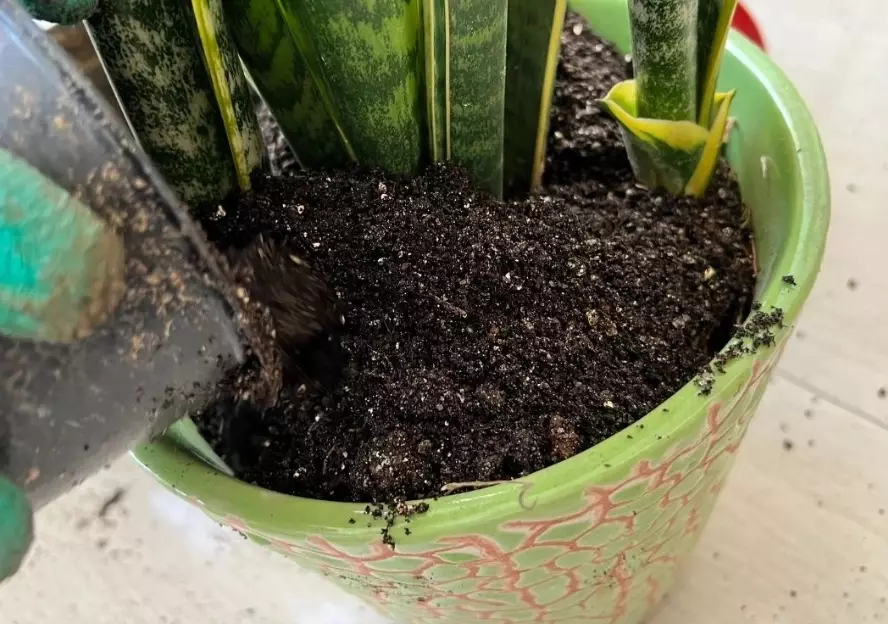
Heavy, dense potting soil retains water like a sponge. A well-draining mix, often amended with perlite, orchid bark, or coarse sand, allows excess water to flow through quickly, preventing roots from sitting in water. Most store-bought mixes are too water-retentive. I repot almost every new plant into my own chunky aroid mix for this exact reason.
5. Season and Indoor Climate
Your home isn't a static environment. In summer, with higher temperatures and potentially lower humidity, soil dries faster. In winter, with heaters running, the air gets dry, but plants are growing slower, so the balance shifts—they might need less frequent but still thorough watering to combat dry air. Air conditioning in summer can also dry out soil quickly.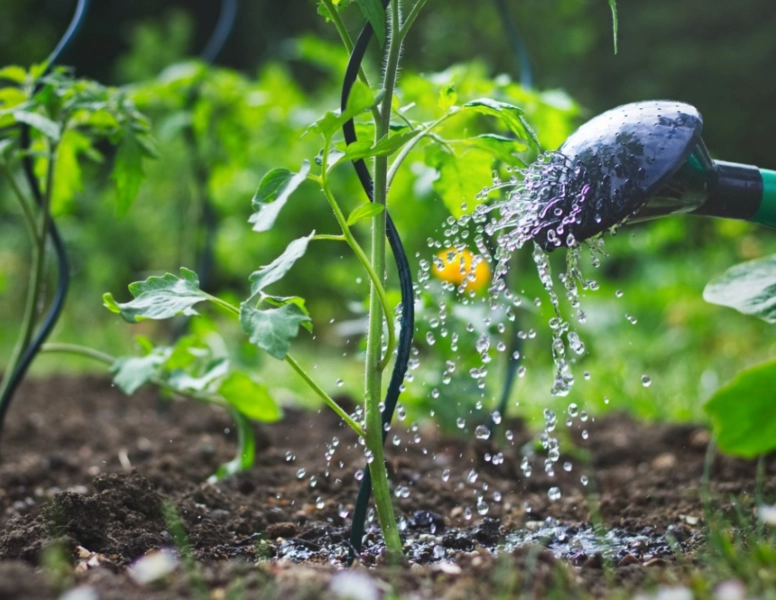
Watering Needs for Common Houseplants (A Quick-Reference Table)
Here’s a practical guide. Remember, "When soil is dry" refers to the finger test. These are general guidelines assuming bright, indirect light and room temperature conditions.
| Plant Type | Watering Frequency (Guideline) | Key Sign It's Thirsty | Danger Zone |
|---|---|---|---|
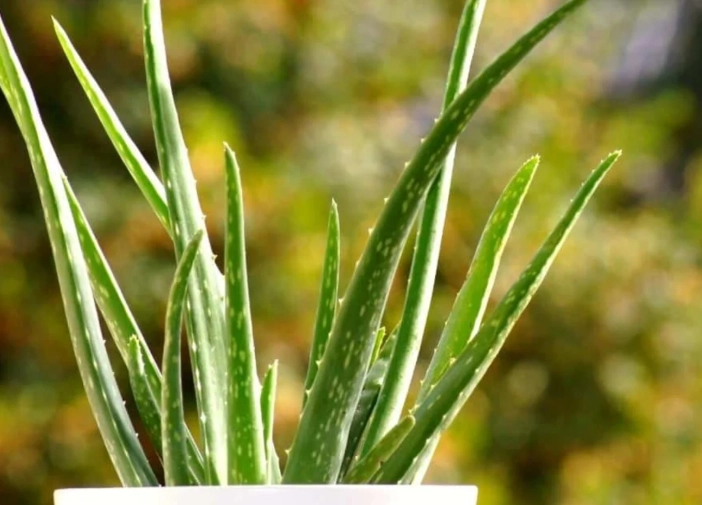
| Succulents & Cacti (Snake Plant, ZZ Plant, Aloe, Echeveria) | Let soil dry out completely, then wait a few more days. Often every 3-6 weeks. | Leaves feel thin, soft, or slightly wrinkled. | Overwatering. Soggy soil leads to mushy, rotten stems/roots. |
| Moderate Water Lovers (Monstera, Pothos, Philodendron, Peace Lily) | Water when top 1-2 inches of soil are dry. Typically every 1-2 weeks. | Peace lily dramatic droop. Pothos leaves get soft and limp. | Can tolerate slight under-watering better than constant sogginess. |
| Moisture-Lovers (Ferns, Calathea, Nerve Plant) | Keep soil consistently moist (like a wrung-out sponge), never soggy. Top inch drying is your cue. | Edges of leaves turn brown and crispy. Ferns wilt quickly. | Letting them dry out completely. They also dislike tap water; use filtered if you see brown tips. |
| Flowering Houseplants (African Violet, Orchid*) | African Violets: Water from bottom when top feels dry. Orchids: Soak weekly, then drain completely. | African Violet leaves droop. Orchid roots turn silvery-grey (green when wet). | Getting water on African Violet leaves (causes spots). Letting Orchids sit in water. |
*Orchids are a special case, often potted in bark. The soak-and-drain method is best.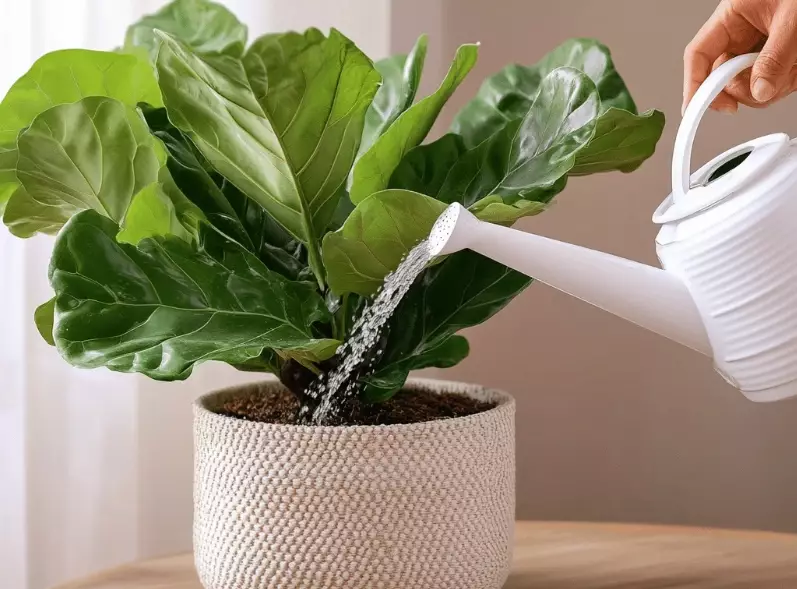
How to Water Properly: A Step-by-Step Method
It's not just about frequency, but technique. A proper watering means encouraging deep, healthy roots.
- Take the Plant to the Sink or Tub. This is non-negotiable for me. Watering in place often leads to not enough water or a mess.
- Water Slowly and Thoroughly. Pour water evenly over the soil surface until you see it freely running out of the drainage holes at the bottom. This ensures the entire root ball gets moistened.
- Let it Drain Completely. Leave the plant in the sink for 15-30 minutes to let all excess water escape. Never let the pot sit in a saucer full of water—this is a guaranteed ticket to root rot city.
- Return to its Spot. Once it's stopped dripping, put it back on its saucer or decorative pot.
Bottom-watering is a great alternative for plants prone to crown rot (like African Violets) or if the soil has become hydrophobic (repels water). Place the pot in a shallow dish of water for 20-30 minutes, allowing the soil to soak it up from the bottom, then remove and drain.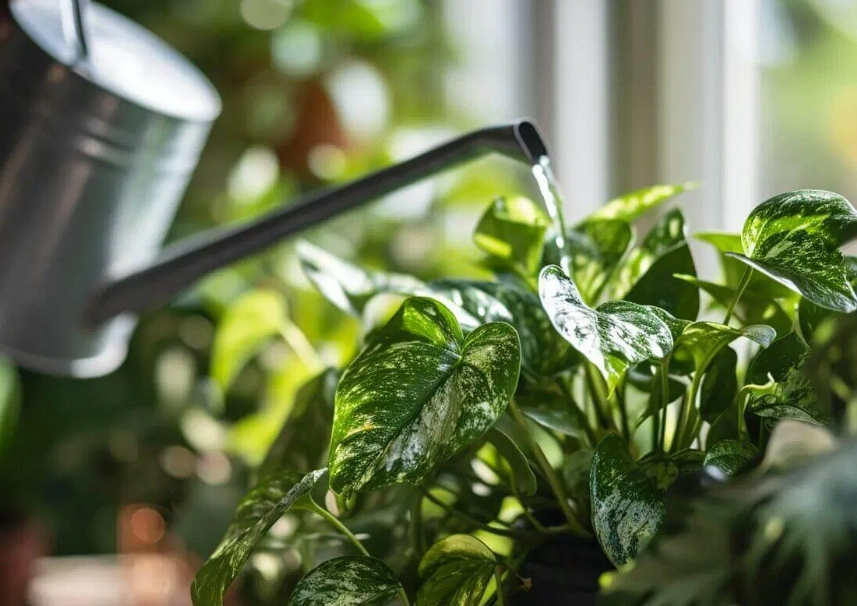
Is It Thirsty or Drowning? Reading the Signs
Plants talk. You just need to learn their language. Here’s the confusing part: overwatering and under-watering can look similar. Both can cause yellow leaves. The key is in the details.
Signs of Under-Watering:
Leaves are dry, crispy, and brown, especially at the tips and edges. The entire plant looks wilted and droopy. The soil is pulling away from the edges of the pot. The pot feels very light. Solution: Give it a good, thorough soak.
Signs of Overwatering (More Common & Dangerous):
Leaves are yellowing, often starting with the lower, older leaves. They feel soft and mushy, not crispy. The stems may feel soft or black at the base. The soil smells musty or sour. You might see fungus gnats (tiny black flies). Solution: Stop watering immediately. Let the soil dry out completely. In severe cases, you may need to repot into fresh, dry soil and trim away rotten roots.
Your Top Watering Questions, Answered
My plant's leaves are turning yellow. Is it too much water or not enough?
Should I water my plants on a fixed schedule, like every Sunday?
What's worse, overwatering or under-watering?
How much water should I give each time?
Do I need to use filtered or distilled water?

Comments