Let's be honest. We've all killed a plant. You bring home a beautiful, leafy thing full of hope, only to watch it slowly turn yellow and give up. It feels personal. But what if I told you the problem is rarely you? It's usually the plant. The secret to a thriving indoor jungle isn't a green thumb—it's choosing the right pretty indoor plants for your specific conditions and avoiding a few sneaky mistakes everyone makes. This guide cuts through the noise. We'll look at plants that are genuinely easy to care for, where to put them, and how to keep them alive. No fluff, just what works.
What's Inside This Guide
How to Choose the Right Plant (The Real Way)
Forget picking a plant because it's trendy on Instagram. The first and only question you need to answer is: How much light does that spot actually get? Not what you *wish* it got. Here's a quick test. On a sunny day, can you read a book in that spot without turning on a lamp? If yes, you have bright, indirect light. If you need a lamp, it's low light. A spot that gets direct sunbeams for several hours is direct light.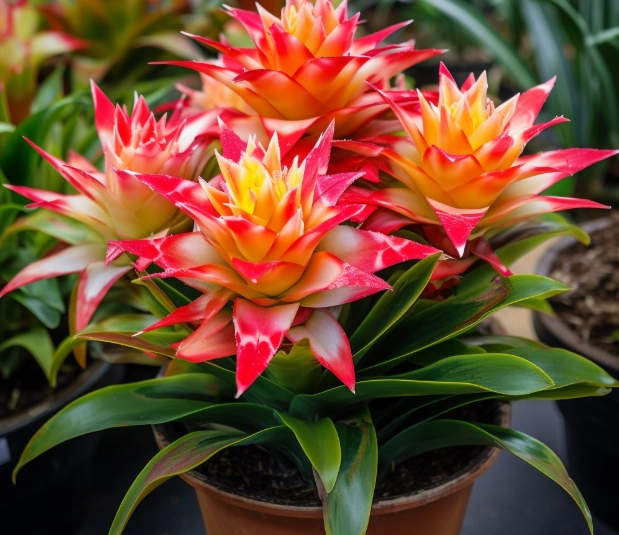
Most pretty indoor plants labeled "low light" don't want a dark corner. They want steady, gentle light. A north-facing window or a spot several feet back from a south/west window is perfect. Matching the plant to your light is 80% of the battle won.
Top 5 Easy-Care Pretty Indoor Plants
This list prioritizes plants that are forgiving, adaptable, and visually striking. They're the workhorses of the plant world.
| Plant Name | Why It's Great | Light Needs | Watering Rule | Watch Out For |
|---|---|---|---|---|
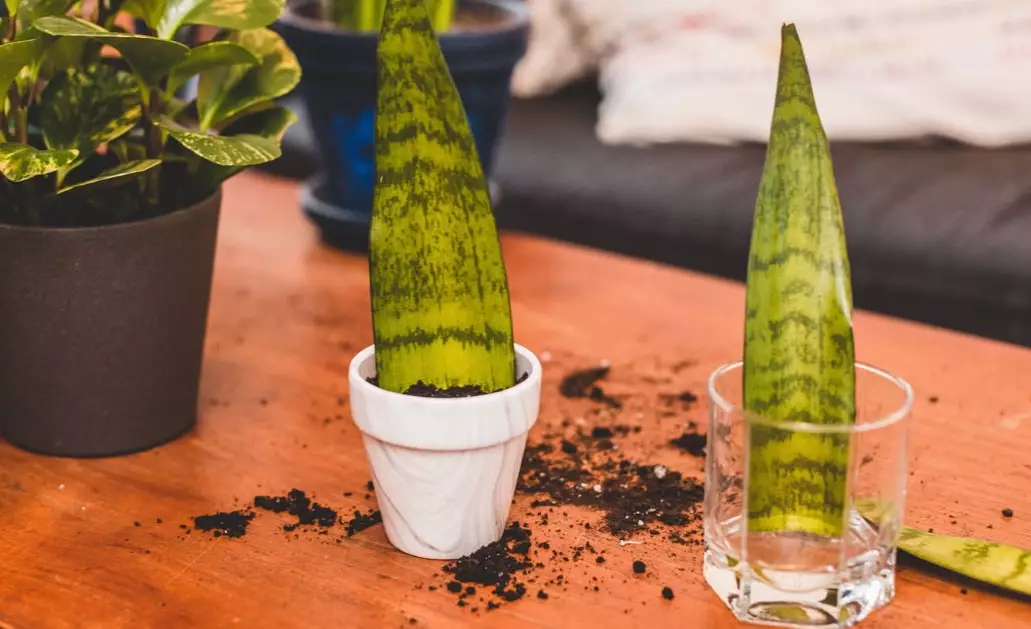
| Snake Plant (Sansevieria) | Architectural, ultra-tough, purifies air. Thrives on neglect. | Low to Bright Indirect | Let soil dry completely. Every 3-6 weeks. | Overwatering. It will rot if kept wet. |
| ZZ Plant (Zamioculcas) | Glossy, dark green leaves. Grows from potato-like rhizomes that store water. | Low to Medium Indirect | Water only when soil is bone-dry. Low thirst. | Slow growth is normal. Don't over-fertilize. |
| Pothos (Epipremnum) | Fast-growing vine, comes in many varieties (golden, marble). Easy to propagate. | Low to Bright Indirect | Water when top 1-2 inches of soil are dry. | Leaves lose variegation in very low light. |
| Spider Plant (Chlorophytum) | Grassy, arching leaves. Produces "babies" on long stems. Great for hanging. | Medium to Bright Indirect | Keep soil lightly moist. Don't let it dry out completely. | Tip burn from fluoride in tap water. Use filtered or distilled if possible. |
| Peace Lily (Spathiphyllum) | Dark green leaves, elegant white flowers. Tells you when it's thirsty (wilts). | Low to Medium Indirect | Water when it starts to droop slightly. Likes humidity. | Sensitive to chlorine. Can be dramatic if underwatered. |
I've had a ZZ plant in a dim office corner for four years. I water it maybe eight times a year. It's not growing fast, but it's lush and green. That's the kind of reliability you want.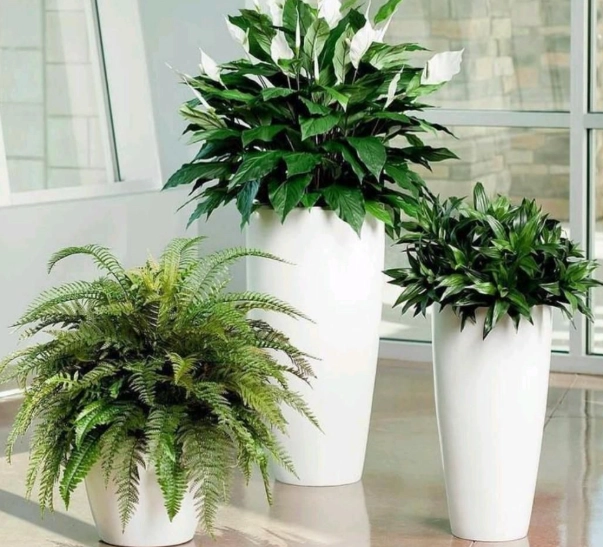
3 Common Plant Care Mistakes You're Probably Making
These are the silent killers, the things that aren't obvious but make all the difference.
1. Using a Pot That's Too Big
It feels generous to give a small plant a huge home. It's a death sentence. Excess soil holds water the roots can't reach, staying wet for weeks and inviting root rot. The pot should be only 1-2 inches wider than the root ball.
2. Watering on a Schedule
"Water every Tuesday." This is the worst advice. Your plant's thirst changes with seasons, light, and humidity. Check the soil. Stick your finger in up to the first knuckle. If it's dry, water. If it's damp, wait. Get a moisture meter if you hate dirty fingers.
3. Ignoring What "Low Light" Really Means
No plant survives in a pitch-black closet. "Low light" means no direct sun, but still a reasonably bright room. If you can't comfortably read there, it's too dark for any living plant. Consider a high-quality grow light instead.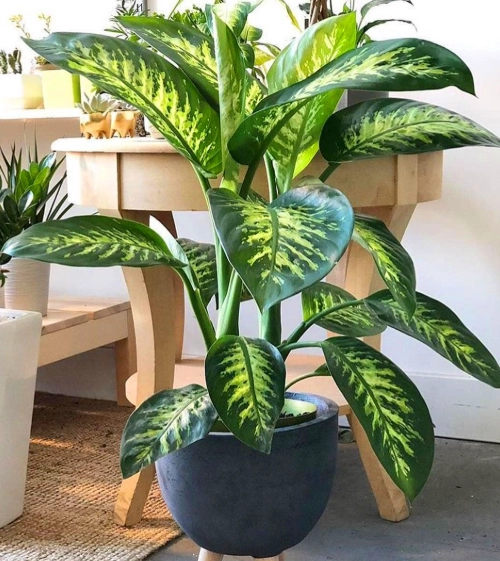
A Simple Light and Water Guide
Think of light as your plant's food and water as its drink. You need both, but the balance is key.
Bright, Indirect Light: (East-facing window, or a few feet back from a South/West window). This is the sweet spot for most flowering and variegated plants like Monstera, Philodendron, and Ficus.
Medium Light: (North-facing window, or the interior of a bright room). Good for Pothos, Snake Plant, ZZ Plant, Peace Lily.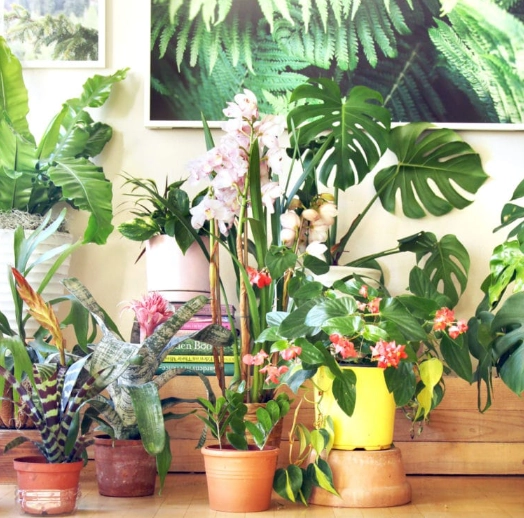
Low Light: (Several feet from any window, in a room with ambient light). Only a few truly tolerate this: Snake Plant, ZZ Plant, and maybe a Cast Iron Plant (Aspidistra).
Watering is simpler when you group plants by need. Keep your Snake Plant and ZZ Plant (the drought-tolerant crew) away from your Ferns and Calatheas (the moisture lovers). Water one group sparingly, the other more frequently.
Styling Tips: Making Plants Look Good in Your Home
Aesthetics matter. A well-placed plant can transform a room.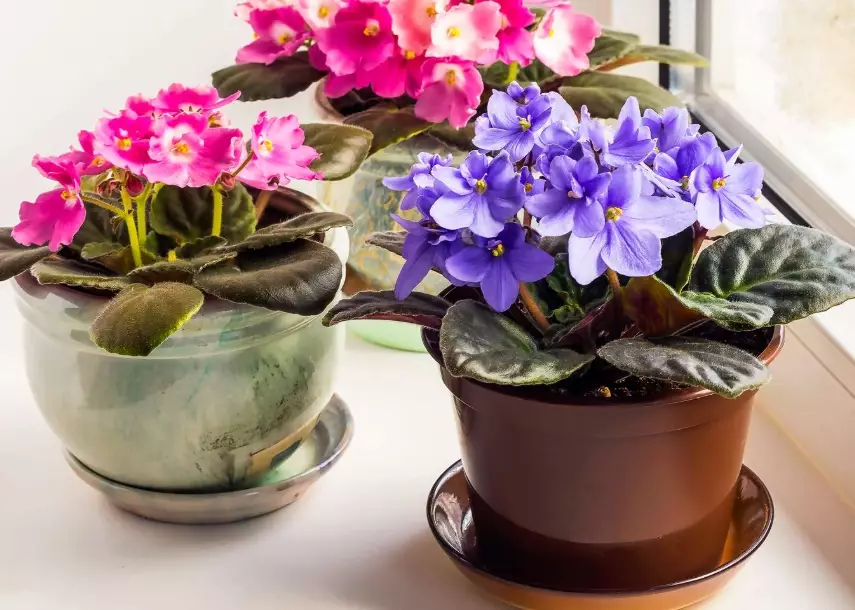
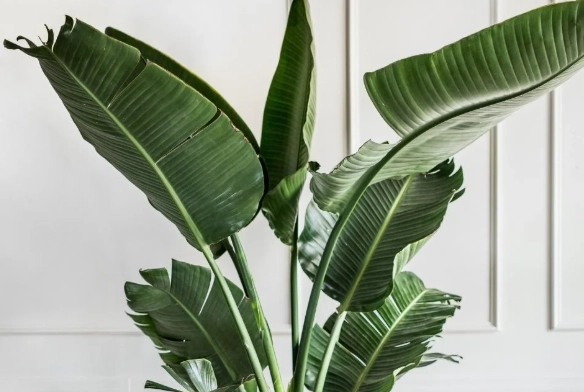
Use height. Don't keep all plants at table level. Use a tall floor plant (like a Fiddle Leaf Fig or Bird of Paradise for bright rooms) as an anchor. Place medium plants on shelves or side tables, and let trailing plants like Pothos or String of Hearts spill from a high shelf or hanging planter.
Cluster plants. Grouping 3-5 plants of varying heights and textures creates a mini-jungle effect that's more impactful than scattering singles around. It also creates a slightly more humid microclimate.
Choose your pots wisely. A simple, neutral pot (terracotta, white ceramic, grey concrete) lets the plant be the star. Ensure every pot has a drainage hole. If you fall in love with a pot without one, use it as a decorative cache pot and keep the plant in a plain plastic nursery pot inside it.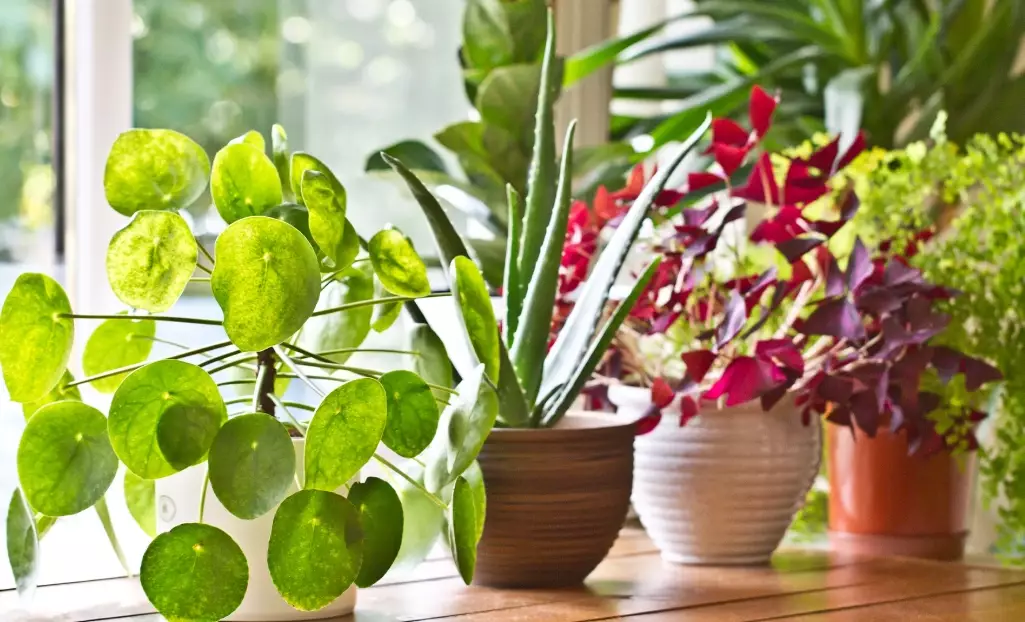
Your Plant Questions, Answered
Why are the leaves on my pretty indoor plant turning yellow?
What's the best pretty indoor plant for a bathroom with no window?
How often should I fertilize my easy care houseplants?
I have a cat. Which pretty indoor plants are safe?
My plant has tiny bugs flying around it. What are they and how do I get rid of them?
Comments