In This Guide
- Why Bother Propagating Your Snake Plant Anyway?
- The Great Debate: Water Propagation vs. Soil Propagation
- Step-by-Step: How to Propagate Snake Plant in Water
- Step-by-Step: How to Propagate Snake Plant in Soil
- The Third Way: Propagation by Division (For the Win)
- Snake Plant Propagation: Your Questions, Answered
- Advanced Tips & Troubleshooting
- From Propagation to a Thriving Plant
Hey there, plant lovers. So you've got this gorgeous, spiky snake plant sitting in the corner, thriving on your benign neglect, and a thought crosses your mind. What if I could have more of these? Free plants. That's the dream, right? Propagating snake plant is that dream made real. It's one of the most forgiving processes in the houseplant world. Honestly, I've seen cuttings survive things that would make a cactus weep. But just because it's easy doesn't mean there aren't tricks to doing it really, really well. That's what we're diving into today. Forget the dry, textbook instructions. Let's talk about what actually works, what can go wrong (because sometimes it does, and that's okay), and how to turn one plant into a whole family without spending a dime.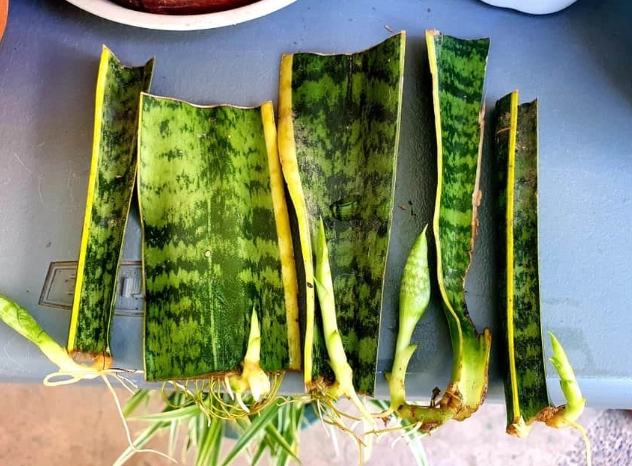
I remember my first attempt at propagating snake plant. I was nervous, treating the leaf like ancient parchment. Now? I snap pieces off almost casually when I'm repotting. The confidence comes from understanding just how tough these plants are. Whether you're a total beginner who just bought your first sansevieria (that's the fancy botanical name) or a seasoned collector looking to multiply a rare variety, this guide is for you. We'll cover the two main camps—water propagation and soil propagation—and figure out which one suits your style.
Why Bother Propagating Your Snake Plant Anyway?
Before we get our hands dirty, let's talk motivation. Sure, free plants are the obvious answer. But there's more to it. Maybe your original plant is getting a bit too tall and leggy, leaning like the Tower of Pisa. Propagation is a perfect way to rejuvenate it. You can take those top-heavy cuttings and start fresh. Or perhaps you've got a variety with beautiful variegated edges, and you want to ensure you don't lose it. Leaf cuttings can sometimes revert to plain green, which is a bummer, but division saves the day. Then there's the sheer joy of sharing. A propagated snake plant makes a thoughtful, personal gift that's way better than a store-bought one. You're giving someone a piece of a plant you've cared for, with a story attached.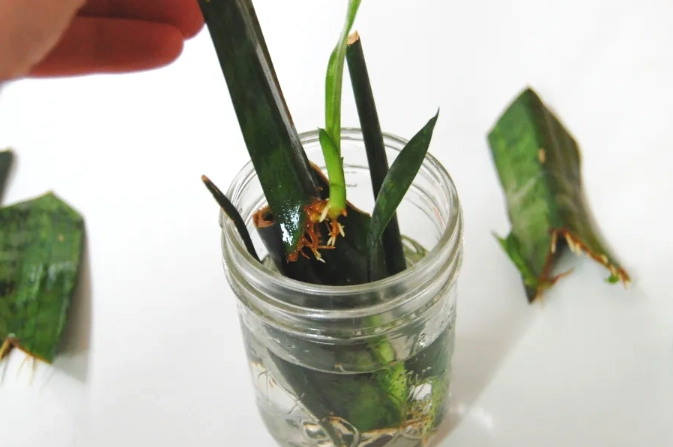
The Great Debate: Water Propagation vs. Soil Propagation
This is the first big decision. Do you plop the cutting in water and watch the roots grow, or do you stick it directly into soil? Both methods work for propagating snake plant, but they have different vibes and outcomes. Some people swear by one, some by the other. I think the best method depends on your personality.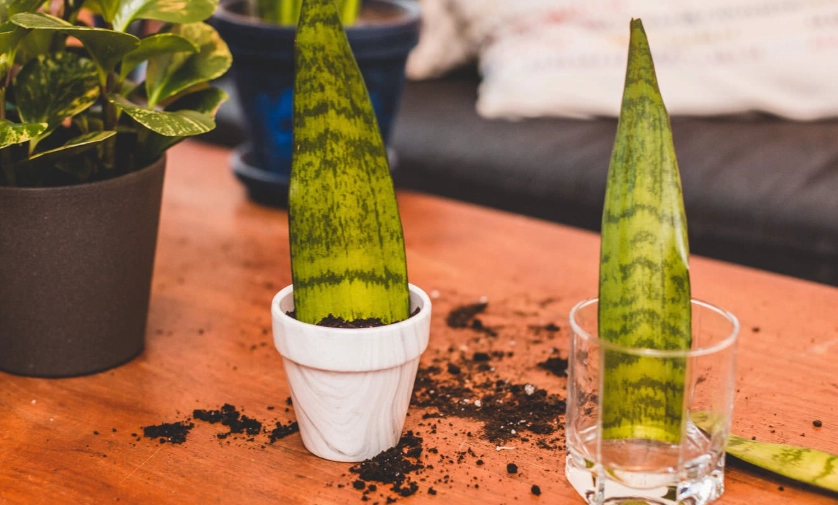
Are you an impatient, hands-on plant parent who needs visual proof of progress? You might be Team Water. Do you prefer a "set it and forget it" approach with less messing about? Team Soil might be your calling. Let's break them down side-by-side so you can pick your fighter.
| Aspect | Water Propagation | Soil Propagation |
|---|---|---|
| Root Visibility | Excellent. You see every millimeter of growth. | Zero. It's a mystery until you tug on it (don't tug). |
| Speed of Rooting | Generally faster initial root development. | Can be slower to start, but roots adapt to soil immediately. |
| Risk of Rot | Moderate. If water isn't changed, cuttings can get mushy. | Lower, if you use well-draining soil and don't overwater. |
| Transition Shock | High. Moving water roots to soil can stress the plant. | None. The plant is already home. |
| Maintenance | Higher. Needs regular water changes and monitoring. | Lower. Water sparingly and wait. |
| Best For | Beginners who love the process, visual learners, small cuttings. | Patient gardeners, larger leaf sections, avoiding transplant stress. |
See? Neither is objectively "better." It's about context. I've used both countless times. Personally, I lean towards soil propagation for most cases because it's one less step—you don't have to eventually pot it up. But I totally get the allure of water. Watching those roots is half the fun.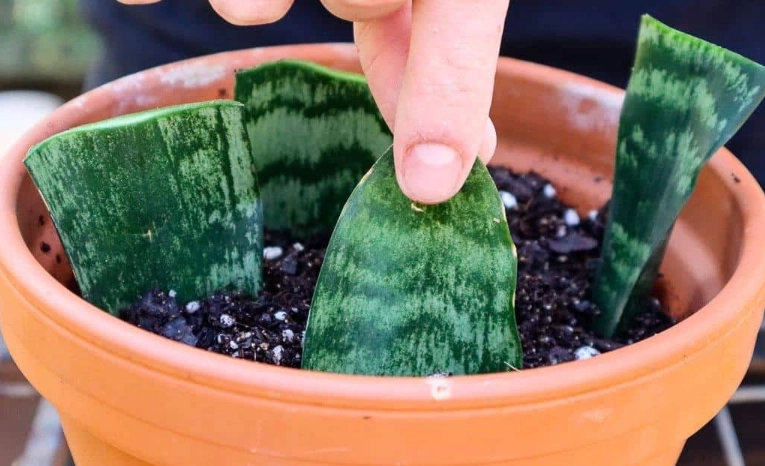
Step-by-Step: How to Propagate Snake Plant in Water
Let's get specific. Propagating snake plant in water is straightforward, but details matter. You'll need a sharp, clean knife or scissors (I wipe mine with rubbing alcohol), a healthy leaf, a glass or jar, and water. Tap water is fine, but if yours is very hard, letting it sit out overnight can help.
Choosing and Cutting the Leaf
Don't just hack off any leaf. Pick a mature, firm, and healthy-looking one from the outer part of the plant. Avoid leaves that are soft, discolored, or damaged. Using your clean tool, cut the leaf horizontally. You can cut it close to the soil if you want the whole leaf, or just take a section 3-6 inches long. This is where a lot of guides stop, but here's a critical tip: note which end was down. Seriously, mark it with a tiny dot from a non-toxic marker or just remember. Roots will only grow from the end that was closest to the soil. If you plant it upside down, it will just sit there and rot. I've done it. It's a sad, silly waste.
The Waiting Game (and Water Care)
Place your cutting in a glass so that the bottom 1-2 inches are submerged. Don't bury it deep. Use a narrow-necked jar or pop some pebbles in the bottom to hold it upright. Now, find a spot with bright, indirect light. A north or east-facing windowsill is perfect. Direct hot sun can cook the leaf and the water.
Change the water every 5-7 days. This is non-negotiable. Stagnant water gets funky, lowers oxygen, and invites rot. When you change it, give the cutting and the glass a quick rinse. Now, the hardest part: wait. And wait some more. Snake plants are not in a hurry. You might see little white nubs (the beginnings of roots) in 3-4 weeks. Sometimes it takes 2 months. Don't panic. As long as the leaf is firm and green, it's working.
When and How to Pot It Up
Once you have a nice cluster of roots about 1-2 inches long, and ideally a small pup (baby plant) starting to emerge from the base, it's time for soil. This transition is delicate. Water roots are fragile and used to an aquatic life. Soil is a different world.
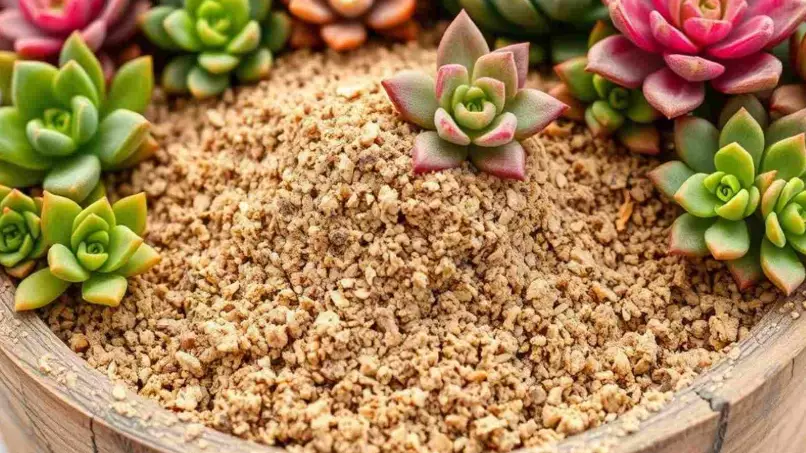
Use a very well-draining cactus or succulent mix. You can make your own by mixing regular potting soil with plenty of perlite or coarse sand. Plant the rooted cutting in a small pot, keeping the soil only lightly moist for the first few weeks. Don't drown it! The goal is to encourage the roots to seek out moisture and adapt. This is the stage where many water-propagated cuttings fail because people treat them like established plants. Go easy on the water.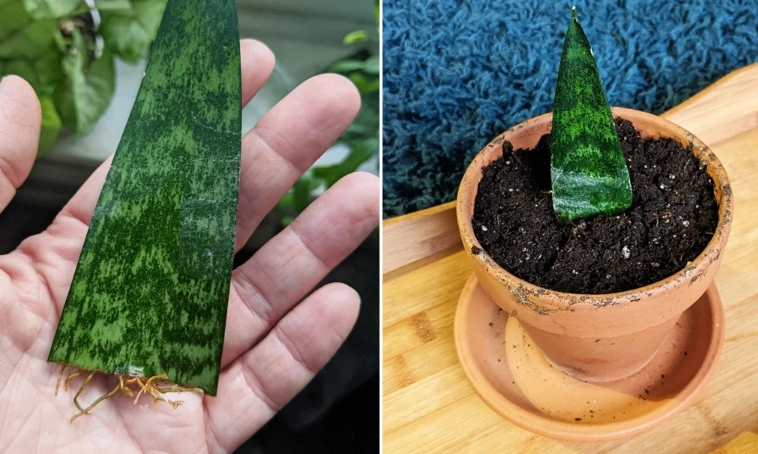
Step-by-Step: How to Propagate Snake Plant in Soil
If the water method feels like too much babysitting, soil propagation is your friend. It's a more direct route. The initial steps are similar: choose a healthy leaf and cut it. Let the cut end dry out and form a callous. This is crucial. Let it sit out on a counter for 1-3 days until the cut looks dry and sealed. This callous acts as a barrier against soil-borne rot.
Planting and the Forgetful Watering Schedule
Prepare a small pot with that same well-draining succulent mix. Stick the calloused end about an inch deep into the soil. You can plant multiple cuttings in one pot. Firm the soil gently around it. Now, water it lightly—just enough to settle the soil and provide a hint of moisture. Then, place it in bright, indirect light and… mostly forget about it.
This is the key. Overwatering is the killer. The cutting has no roots to suck up water, so wet soil will just rot it. Water very sparingly, maybe once every 2-3 weeks, just to prevent the soil from becoming a bone-dry brick. Think "damp dust," not "wet mud."
How do you know it's working? You don't, for a while. Resist the urge to pull on the cutting to check for roots. After a month or two, you might notice the cutting itself start to feel firmly anchored, or a new, tiny green spear might push up from the soil line next to it. That's your victory signal—a new pup!
The Third Way: Propagation by Division (For the Win)
If you want a perfect clone of your mother plant, especially if it's variegated, division is the only surefire method. This is best done when you're repotting a mature, crowded snake plant. You'll need to get your hands dirty. Gently remove the entire plant from its pot. You'll see a tangled mass of roots and thick, underground stems called rhizomes. These rhizomes are what connect the individual leaf clusters (or "pups").
Using your hands or a clean, sharp knife, gently tease or cut apart a section that has both roots and at least a few leaves attached. Try to keep as many roots intact as possible. Each division should be a self-contained mini-plant. Then, simply pot each division into its own container with fresh soil. Water it in and care for it as you would a normal snake plant. There's no rooting wait time—it's an instant new plant. The Missouri Botanical Garden, a fantastic resource for plant science, notes that Sansevieria species readily propagate through division, confirming it as a robust and reliable method.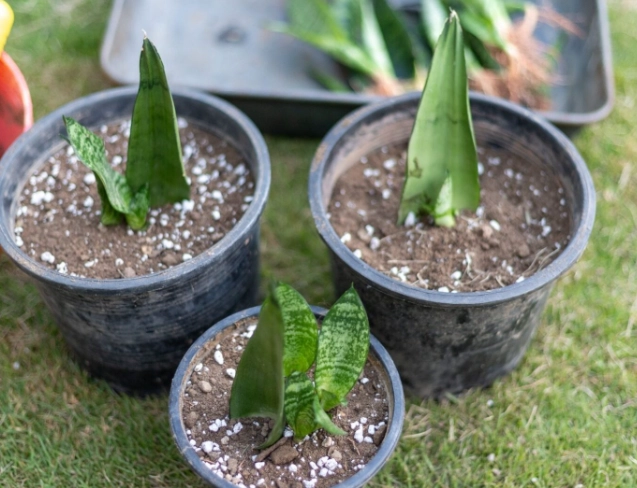
Snake Plant Propagation: Your Questions, Answered
Advanced Tips & Troubleshooting
Once you've got the basics down, here are some nuances that can up your success rate. Temperature matters more than people think. Snake plants prefer warmth for propagation. Aim for a room temperature above 65°F (18°C). A heating mat made for seed starting can work wonders for soil propagation, especially in cooler climates.
What about rooting hormone? For soil propagation, dipping the calloused end in a rooting hormone powder can theoretically speed things up and provide some anti-fungal protection. Is it necessary? Not at all. Snake plants root readily without it. I rarely bother, but it doesn't hurt if you have some on hand.
The single biggest mistake I see? Overcare. People fidget, overwater, move the cuttings around, repot too soon. Snake plant propagation rewards a relaxed approach. Set up the right conditions (light, medium, minimal water) and then let the plant do its thing. Check on it weekly, but don't intervene unless there's a clear problem like rot.
For the deepest dive into the botany and care of these plants, the University of Florida's IFAS Extension is an authoritative, science-based source. They detail the resilience and growth habits of Sansevieria, reinforcing why they're such fantastic candidates for propagation.
From Propagation to a Thriving Plant
Okay, your cutting has rooted, maybe even gifted you with a cute little pup. Congratulations! Now, how do you grow it into a majestic, full plant like the one you started with? The care is identical to a mature snake plant, which is famously simple.
- Light: They tolerate low light but grow faster and maintain better form in bright, indirect light. Some morning sun is great.
- Water: This is the big one. Water thoroughly, then let the soil dry out completely before even thinking about watering again. In winter, this might mean watering once a month or less. When in doubt, wait another week.
- Soil & Pot: Always use a pot with a drainage hole. Terracotta is excellent because it wicks away moisture. That well-draining succulent mix is your best friend forever.
- Fertilizer: Go easy. A diluted, balanced fertilizer once in the spring and once in the summer is plenty. More is not better and can harm the roots.
Propagating snake plant is more than a gardening task; it's a lesson in patience and a testament to the resilience of nature. It demystifies plant growth. You start with a piece of a leaf and end up with a whole new living entity. Whether you choose the clear-glass spectacle of water propagation or the low-key promise of soil, the result is the same: more green in your life, for free. So go ahead, take a clean cut from that mother plant. You've got this.
Comments