Quick Guide
- Why Bother? The Real Reasons Your Aloe Needs a New Home
- Timing is (Almost) Everything: When to Make the Move
- Gathering Your Arsenal: What You'll Need
- The Main Event: A Step-by-Step Walkthrough of Replanting Aloe
- Post-Transplant Care: The Key to a Thriving Plant
- Your Top Replanting Aloe Questions, Answered
- Common Pitfalls & How to Dodge Them
- Beyond the Basics: Propagating Pups During Replanting
Let's be honest. The thought of replanting aloe vera can make any plant parent a little nervous. You've kept this spiky friend alive, maybe even watched it produce cute little pups, and now you have to disturb its roots? It feels risky. I get it. I've been there—holding a root-bound aloe, afraid my good intentions would be its downfall. But here's the thing I learned the hard way: not replanting aloe is often riskier than doing it.
That sad, stunted aloe sitting in the same soggy soil for three years? It's crying out for help, quietly. Replanting aloe isn't just about giving it a bigger pot; it's a refresh, a reset, a chance for explosive new growth. And it doesn't have to be a scary surgery. Think of it more like moving it from a cramped studio apartment into a nice one-bedroom with better air flow.
Why Bother? The Real Reasons Your Aloe Needs a New Home
You might look at your aloe and think, "It looks fine." But looks can be deceiving with succulents. They're tough cookies that put up with a lot before showing obvious distress. So when should you consider replanting aloe vera?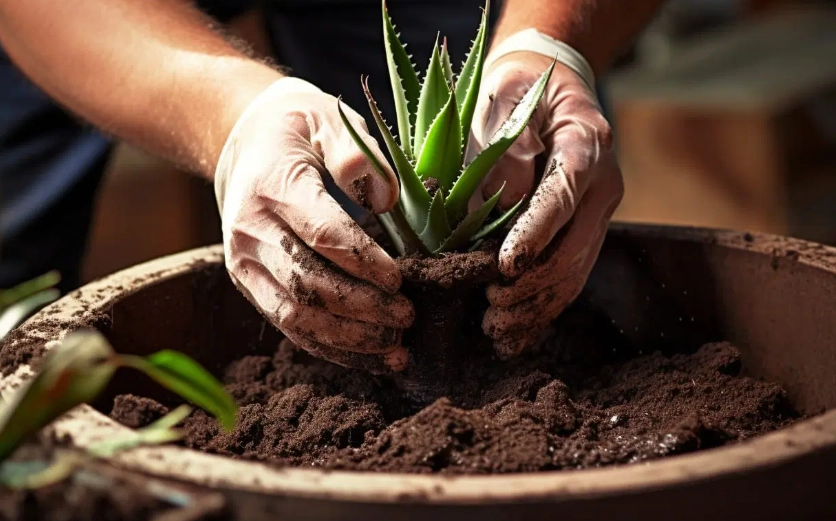
First, the most obvious sign: it's busting out of its pot. Roots poking out the drainage holes? Check. The plant looks too top-heavy, like it might tip over? That's your cue. The roots have filled every inch of space, searching for more room and nutrients. It's officially root-bound.
Then there's the soil. Over time, even the best potting mix breaks down. It compacts, losing the air pockets crucial for drainage. Your aloe's roots need oxygen as much as they need water. Compacted soil suffocates them, creating a perfect environment for the dreaded root rot. If the soil looks exhausted, hard, or never seems to dry out properly, it's time for a change.
Pro Tip: A less obvious reason to replant is to separate the "pups" or offshoots. A healthy aloe vera is a prolific producer of baby plants. Replanting aloe gives you the perfect opportunity to gently remove these pups and pot them up, turning one plant into many. It's the most rewarding part of the process, in my opinion.
I made the mistake of leaving an aloe in its nursery pot for way too long. The growth completely stalled. New leaves were tiny and thin. Only after I finally worked up the nerve to repot it did I see the tangled mess of roots. Within a month of being in fresh soil and a proper pot, it put out two robust new leaves. The difference was night and day.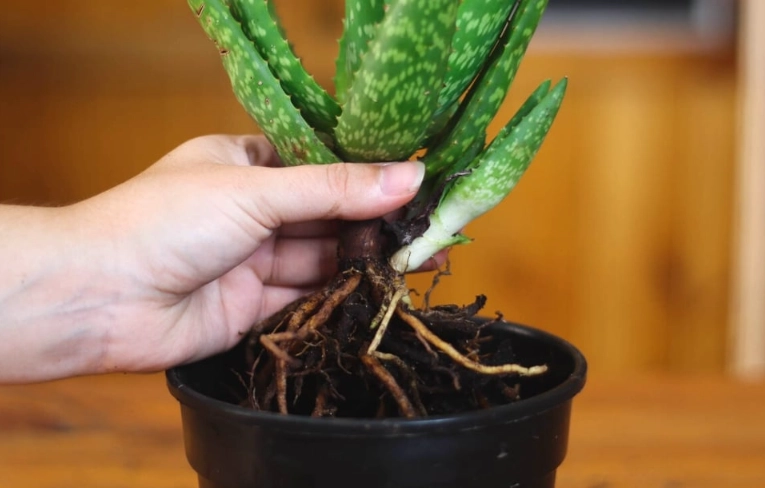
Timing is (Almost) Everything: When to Make the Move
You wouldn't transplant a tree in the middle of a frost, right? The same logic applies to your indoor aloe, albeit less dramatically. The absolute best time for replanting aloe is during its active growing season. For most of us, that's late spring through early summer. The warmer temperatures and longer days give the plant a burst of energy to recover from the root disturbance and push out new growth.
Can you repot in winter? You can, but it's not ideal. The plant is semi-dormant, so recovery is slower. If you must do it in the cooler months because of an emergency (like severe rot), just be extra gentle and don't expect rapid changes afterwards.
Warning: Never repot a plant that is stressed for another reason. If your aloe is severely underwatered and shriveled, or sunburned, address that issue first. Let it recover its strength before subjecting it to the transplant process.
Here's a simple checklist I use to decide if it's "Go Time":
- Is it spring or early summer? (Ideal)
- Has the plant been stable and healthy for the last few weeks?
- Do I see roots at the drainage holes or is the soil drying out impossibly fast?
- Has it been 2-3 years since its last repot?
If you're answering yes to a couple of these, your aloe is ready for an upgrade.
Gathering Your Arsenal: What You'll Need
Nothing ruins a smooth repotting job faster than scrambling for supplies with one hand covered in dirt. Get this stuff together first. It's mostly simple, but getting the soil right is 80% of the success, in my experience.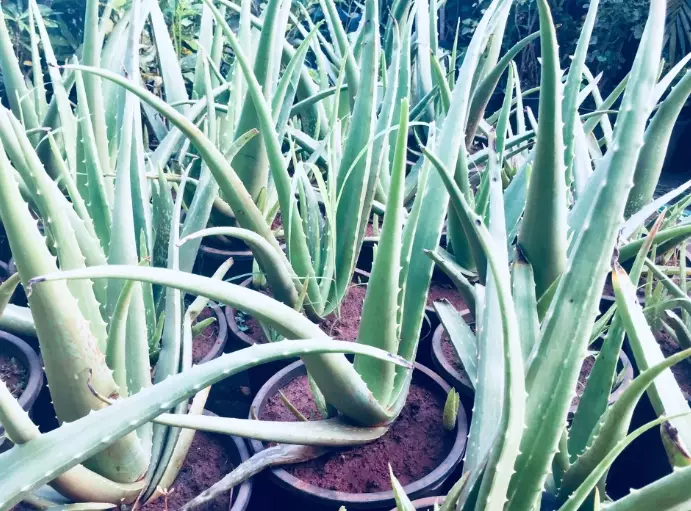
The Essentials
- The New Pot: Only go one size up. A pot that's 1-2 inches wider in diameter than the old one is perfect. Too big, and the excess soil holds moisture, leading to rot. Terracotta is my top choice—it's porous, which helps soil dry evenly. Ensure it has a drainage hole. Non-negotiable.
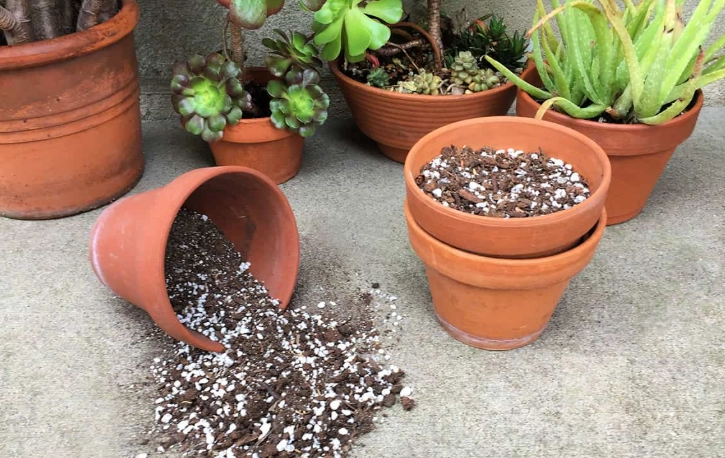
- Fresh Potting Mix: Do NOT use garden soil or generic potting soil. It's too dense. Aloe needs a sharply draining, gritty mix. A pre-mixed cactus & succulent soil is a good start.
- Your Aloe Plant: Ideally, the soil should be slightly dry. It's easier to work with and less stressful on the roots.
The Toolkit
- Newspaper/Tarp: For containing the mess.
- A dull knife or trowel: To loosen the root ball from the old pot.
- Pruning shears or sharp scissors: Sterilized with rubbing alcohol. For trimming any dead or rotten roots.
- Gloves (optional): Aloe sap can be a skin irritant for some people.
- A small brush or chopstick: For gently working old soil out of the roots.
Now, about that soil. I've found that even commercial cactus mixes can sometimes hold too much moisture. I like to amend them. A great basic recipe is 2 parts cactus mix to 1 part perlite or pumice and 1 part coarse sand. This creates an airy, fast-draining environment that aloe roots adore. The University of California's integrated pest management program for succulents emphasizes the critical role of drainage in preventing disease, and this mix delivers just that.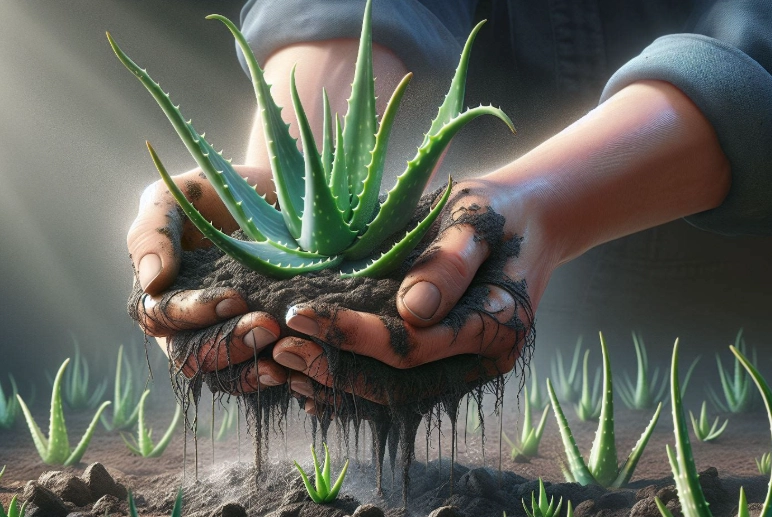
The Main Event: A Step-by-Step Walkthrough of Replanting Aloe
Okay, tools are laid out, new pot is ready. Let's do this. Follow these steps slowly—there's no prize for speed here.
Step 1: The Gentle Extraction
Lay the pot on its side. Gently squeeze the sides of a plastic pot or run your knife around the inside edge of a rigid pot. Tip the pot and coax the plant out. Support the base of the plant as it slides out. If it's really stuck, you might need to carefully use the knife to loosen it further. Don't yank on the leaves! Be patient.
Step 2: The Root Inspection & TLC
This is the most important step. Gently shake and brush off the old soil from the root ball. Use your fingers, the chopstick, or the brush. You want to see the root structure.
Look for healthy roots—they should be firm and light in color (white, tan, or light brown). Unhealthy roots are dark brown or black, mushy, and might smell bad. Snip these off completely with your sterilized shears. Don't be afraid to remove a significant amount if needed. It's better than letting rot spread.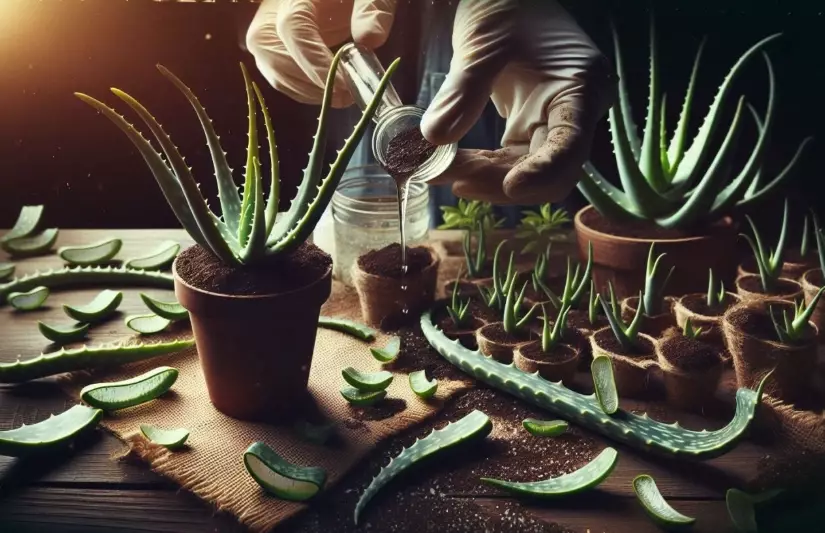
Step 3: Prepping the New Pot
Place a piece of broken pottery, a mesh screen, or a coffee filter over the drainage hole to keep soil from washing out. Add a layer of your fresh potting mix to the bottom, enough so that when you place the aloe in, its base will sit about an inch below the pot's rim.
Step 4: The Perfect Placement
Center your aloe in the new pot. Hold it upright at the right height. The goal is to have the base of the plant at the same soil level it was before—not deeper. Burying the stem can cause it to rot.
Step 5: Filling In the Blanks
With one hand steadying the plant, use the other to scoop fresh soil mix around the roots. Gently tap the pot on the table to settle the soil and eliminate large air pockets. Don't press down hard and compact it! Add soil until it reaches the base of the plant.
My Little Trick: Leave about a half-inch of space between the soil surface and the pot's rim. This makes watering so much easier and prevents spillover.
Step 6: The Critical First Wait
Here's the part that feels counterintuitive. Do not water your aloe immediately after replanting. Seriously. Wait. Give it about 5-7 days. This allows any tiny root breaks or abrasions from handling to callus over, preventing rot when water is introduced. Place it in bright, indirect light during this recovery period—no direct sun just yet.
The entire process of replanting aloe vera is more about patience and observation than brute force. Go slow, be gentle with the roots, and trust the process.
Post-Transplant Care: The Key to a Thriving Plant
You've successfully navigated the replanting. Now, how do you ensure it thrives? The care in the weeks after is what seals the deal.
After your waiting period, give it a thorough, deep watering. Water until it runs freely out the drainage hole. This encourages the roots to grow downward into the new soil. Then, let it dry out completely. I mean completely. Stick your finger a good two inches into the soil—if it feels damp, wait. This cycle of deep soak followed by complete drought mimics the aloe's natural habitat and is the golden rule.
Light is crucial. Once it's settled (after a week or two), move it back to its preferred spot. Aloe loves bright, indirect light. A south or west-facing window is great. But if it's been in lower light, acclimate it slowly to prevent sunburn. I learned this lesson when I moved a freshly repotted aloe straight into a blazing south window—it got bleached, ugly spots on several leaves. Took months to grow out of it.
Hold off on fertilizer for at least a month, maybe two. The fresh potting mix has enough nutrients. Fertilizing too soon can burn the sensitive new roots. When you do start, use a balanced, diluted fertilizer made for succulents, and only during the growing season.
What should you expect? A little bit of shock is normal. The bottom leaves might thin out or brown slightly as the plant redirects energy to root establishment. Don't panic. Resist the urge to overwater to "fix" it. Just give it stable conditions and time. New growth from the center is your sign of success.
Your Top Replanting Aloe Questions, Answered
I've gotten a ton of questions from friends and readers over the years. Here are the ones that come up constantly.
Common Pitfalls & How to Dodge Them
Let's talk about where things commonly go wrong. Forewarned is forearmed.
The Big Pot Blunder: I mentioned it, but it's worth repeating. Enthusiastic upsizing is a top killer. A small plant in a ocean of soil will focus on filling the pot with roots, not growing leaves, and the wet soil will likely cause rot before it gets the chance.
The Wrong Soil Saga: Using heavy, moisture-retentive soil is asking for trouble. It's the single biggest mistake I see. Aloe roots need to breathe. If you're unsure, err on the side of more grit (perlite, pumice) rather than less. Resources like the Cactus and Succulent Society of America often provide detailed substrate recommendations that emphasize drainage above all else.
The Overwaterer's Reflex: After the stress of repotting, our instinct is to nurture with water. Fight it! The "wait to water" rule is not a suggestion. It's a mandatory cooldown period for the roots.
Sunburn Shock: Moving a plant that's been in gentle light directly into a hot window right after repotting is a double whammy of stress. Always acclimate light changes gradually.
Beyond the Basics: Propagating Pups During Replanting
This is the fun part. When you're replanting aloe, you'll often find smaller offshoots, or pups, clustered around the base of the mother plant. These are genetic clones, ready to become their own plants.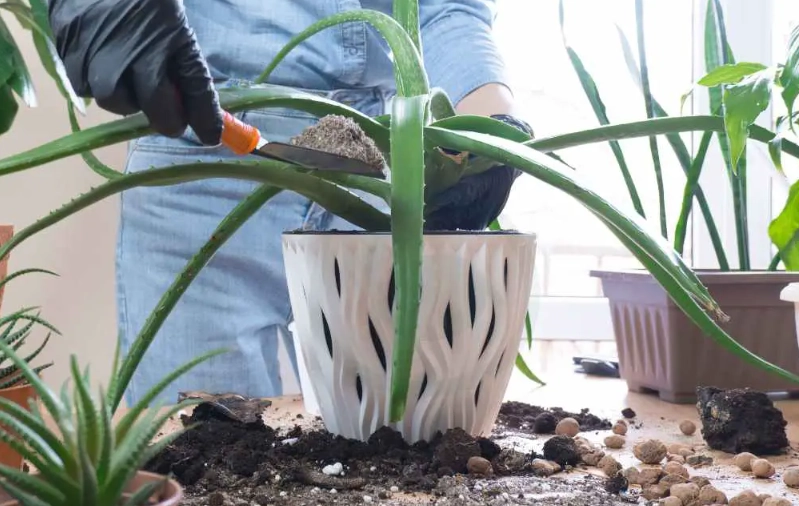
During the root inspection phase, look for where the pup connects to the mother. Ideally, it will have started forming its own roots. Using your clean fingers or a sterile knife, gently separate the pup, trying to keep as many of its roots intact as possible. If it snaps off without roots, don't toss it! Let the end dry for a few days, then place it on top of dry cactus mix. It will often send out roots on its own.
Pot the pup in a small container with the same well-draining mix. Care for it like you would the mother plant after repotting: bright indirect light, and wait a week before its first light watering. It's incredibly satisfying to grow your collection this way.
Replanting aloe vera might seem like a daunting task at first glance. But when you break it down—understanding the why, gathering the right tools, following gentle steps, and providing thoughtful aftercare—it transforms from a chore into a simple, rewarding part of plant parenthood. It's a conversation with your plant, a chance to check in on its health below the surface and give it what it needs to thrive for years to come. So next time your aloe looks a little cramped or the soil seems tired, don't hesitate. You've got this.
Comments